
History of Psychology Intro Notes

Presentation
•
Social Studies
•
12th Grade
•
Practice Problem
•
Easy

Craig Poppema
Used 20+ times
FREE Resource
8 Slides • 4 Questions
1

Unit 1 Notes
History, Perspectives
AP Psychology
Week #1
Slides 1-10 (History)
Slides 11-18 (Modern Perspectives)
2


Psychology is
• The scientific study of behavior
and mental processes:
– Behavior
– Mental Processes
– Scientific
• Goals of Psychologists
– Observe, Describe, Explain,
Predict, Control
3
Drag and Drop
4


History
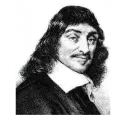
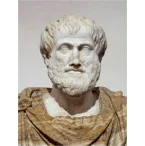
• 135 years old in its
more modern form as
defined today
• Earlier?
– Plato, Aristotle,
Descartes
– Medical doctors and
physiologists also
interested
5


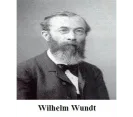

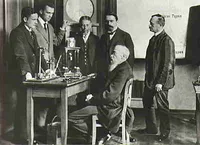
Structuralism
•Wilhelm Wundt (physiologist)
– 1879 Germany – 1st Lab
– Students from all over – wanted to study structure of mind
– About what research reveals, not just common sense
•Edward Titchener (Wundt’s student who came to US)
– INTROSPECTION – looking within (example…)
– Structuralism – every experience broken down into
elements
– Example:
• Consciousness – broke into 2 categories (Objective
Sensations and Subjective Feelings)
• Apple Example...
•Legacy: Lab, science of psych, Margaret Floy Washburn 1st
woman PhD in Psychology / 2nd woman to lead APA (after Mary
Whiton Calkins) - Whiton Calkins also earned a PhD but
Harvard refused to grant it to her (both 1894)
Titchener
6
Open Ended
There are no "structuralists" around today in the field of psychology. So why do we care? What did Wundt and Titchener contribute to the study of psychology?
7

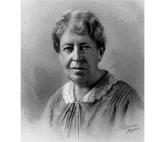
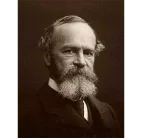

William James – “Functionalism”
• Harvard late 1800s
• Interested in important of consciousness in
everyday life rather than just analysis –
scientific study still not possible – referenced
“stream of consciousness” (practice)
• Focus: How the mind allows people to
“function” in the real world
• Influenced by Darwin
• Legacy
– Principles of Psychology 1890
– Mary Whiton Calkins – 1st female pres of APA
8

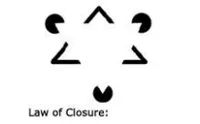

Gestalt (“Gesh talt”)
• Max Wertheimer
• Objected to structuralism – different
reasons – iPhone example
• The whole is greater than the sum of
its parts
• Learning is active and purposeful /
not mechanical.
• Context is important when studying
anything
• Legacy: Still large part of cognitive
psychology today
9
Poll
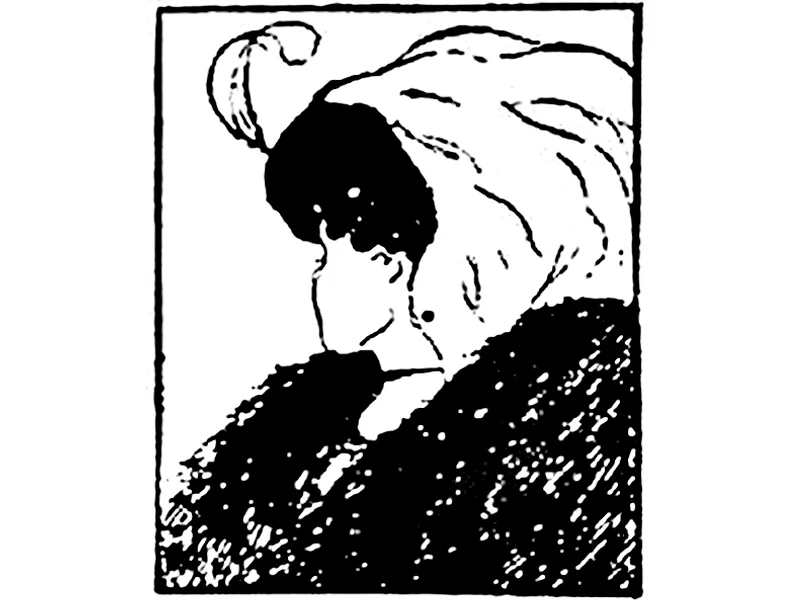
What do you see first?
An Old Woman
A Young Woman
10

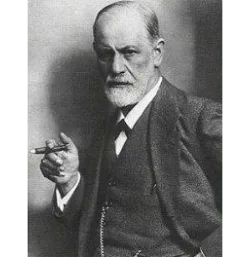
Psychoanalysis
• Sigmund Freud 1856-1939,
Austrian Physician
• Cause of mental disorders –
nothing physical?
• Unconscious mind where we
repress urges / desires
• Stressed early childhood
<6yrs old
• His method of research?
• Controversy / Debate?
• Influence / Significance?
11

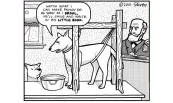
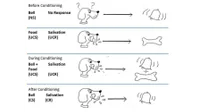
Behaviorism
•Ivan Pavlov – Russian Physiologist –
Reflex
•Salivating Dogs
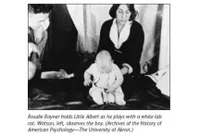
•Early 1900s: John B. Watson
•Challenged views of the others – Focus
should be on scientific inquiry
•Ignore consciousness issue
•All behavior is learned
•Phobias: Freud vs Watson
–Rosalie Rayner / Watson and Little Albert
•Legacy: Still present today
•Office Clip example…next slide
12
Match
Ivan Pavlov
John B. Watson & Rosalie Rayner
Sigmund Freud
Edward Titchener
William James
Russian Physiologist / Salivating Dogs
Little Albert / Fear Conditioning
Psychoanalysis / Unconscious mind / repression
Structuralism / Introspection
Functionalism / 1st Psych Textbook
Russian Physiologist / Salivating Dogs
Little Albert / Fear Conditioning
Psychoanalysis / Unconscious mind / repression
Structuralism / Introspection
Functionalism / 1st Psych Textbook
Unit 1 Notes
History, Perspectives
AP Psychology
Week #1
Slides 1-10 (History)
Slides 11-18 (Modern Perspectives)
Show answer
Auto Play
Slide 1 / 12
SLIDE
Similar Resources on Wayground

10 questions
Review for 1.4.1.7: Branches & Areas of Discipline Chemistry
Presentation
•
10th - 12th Grade
14 questions
Ozymandias and Cornell Notes
Presentation
•
12th Grade
12 questions
Deviance, Social Control, and Crime Part I
Presentation
•
12th Grade
9 questions
Get to know Ms. Nicholls (but it gets more chaotic)
Presentation
•
12th Grade
11 questions
Mastering Financial Aid: Unlocking Opportunities for Education
Presentation
•
12th Grade
7 questions
Indian National Movement
Presentation
•
University
11 questions
How Big Companies Have Branded Our Brain
Presentation
•
University
11 questions
Language-in-Education Policies in the Philippines
Presentation
•
University
Popular Resources on Wayground
10 questions
Safety Day 2026 – Student Review

Quiz
•
9th Grade
21 questions
Continents and Oceans
Quiz
•
6th Grade
20 questions
Parts of Speech
Quiz
•
5th Grade
16 questions
Subject & Predicate
Quiz
•
5th Grade
25 questions
Multiplication Facts
Quiz
•
5th Grade
12 questions
Map Skills
Quiz
•
3rd Grade
22 questions
Continents and Oceans
Quiz
•
5th Grade
15 questions
Rounding Decimals
Quiz
•
5th Grade
Discover more resources for Social Studies
20 questions
Chapter 8 Test "Types of Business Organizations"
Quiz
•
12th Grade
39 questions
Unit 7 Key Terms
Quiz
•
11th Grade - University
38 questions
Unit 6 Key Terms
Quiz
•
11th Grade - University
25 questions
Gilded Age Gallery Walk
Presentation
•
9th - 12th Grade
4 questions
3.3A Expressed v. Implied Powers Quiz
Quiz
•
12th Grade
23 questions
USHC 6 FDR and The New Deal Programs
Quiz
•
9th - 12th Grade
19 questions
Spanish American War
Presentation
•
8th - 12th Grade
62 questions
Midterm Review 2026
Quiz
•
12th Grade