Gene Expression
Presentation
•
Science
•
9th - 12th Grade
•
Practice Problem
•
Easy
+1
Standards-aligned
Stacy Skowronski
Used 1+ times
FREE Resource
13 Slides • 16 Questions
1
2
Multiple Choice
Why is protein synthesis important for living organisms?
It helps in digestion of food
It enables growth and repair of tissues
It produces energy directly
It controls body temperature
3
4
Multiple Choice
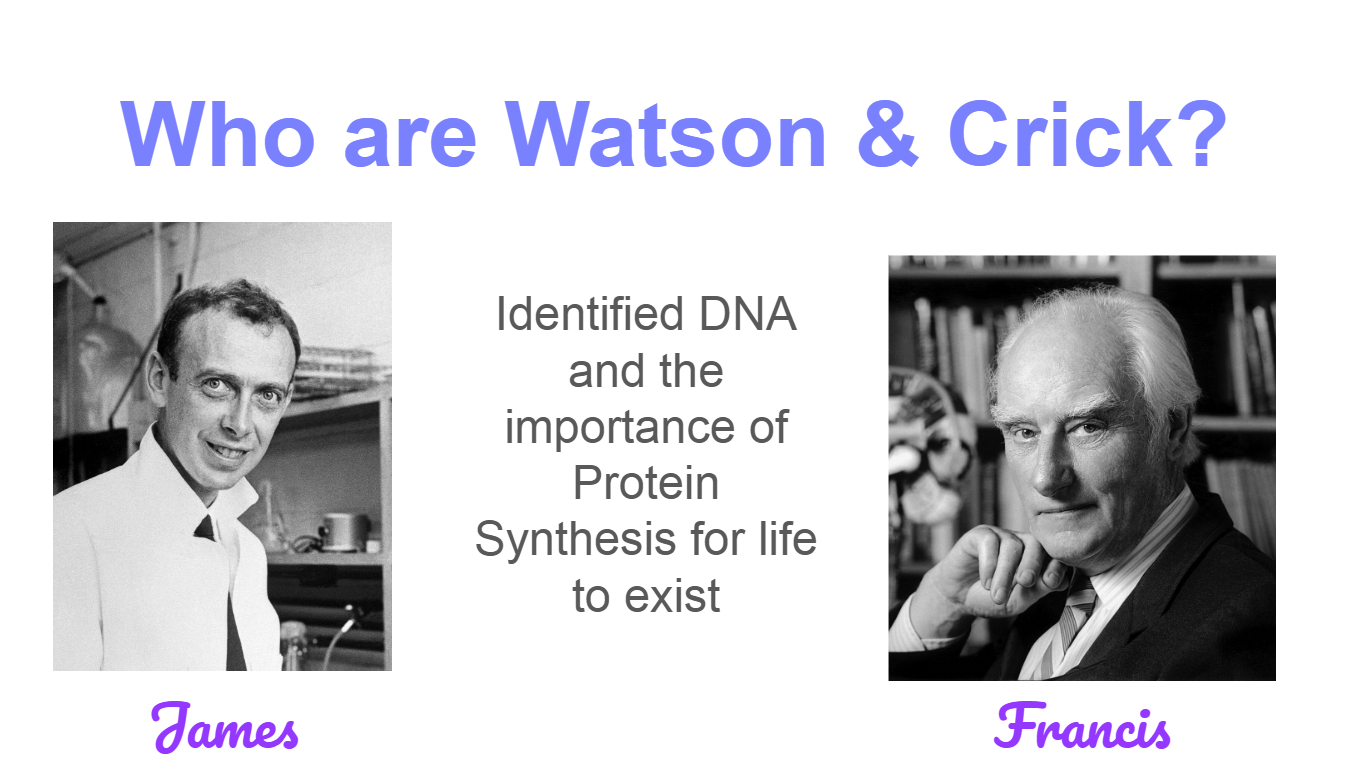
Who were the scientists responsible for identifying DNA and the importance of protein synthesis for life to exist?
James Watson and Francis Crick
Gregor Mendel and Charles Darwin
Rosalind Franklin and Maurice Wilkins
Barbara McClintock and Thomas Hunt Morgan
5
6
Multiple Choice
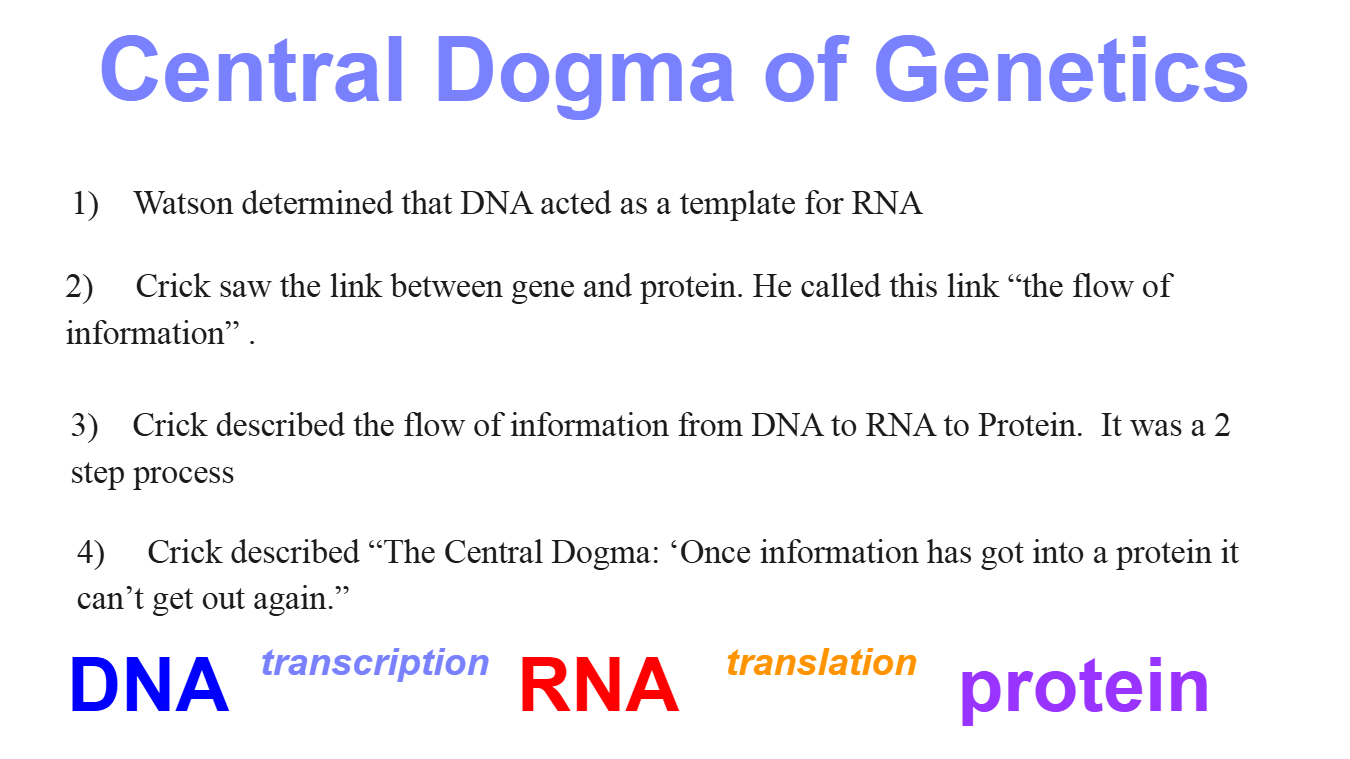
Which of the following explains the concept of the 'Central Dogma of Genetics' ?
Gene expression is a two step process of protein synthesis
Genes are unrelated to proteins, allowing them to change
The flow of information goes from DNA to RNA to Protein to RNA and out of the cell
Francis Crick explained the central dogma of not knowing why we have RNA
7
8
Fill in the Blanks
The process by which DNA is converted into RNA is called
9
Multiple Select
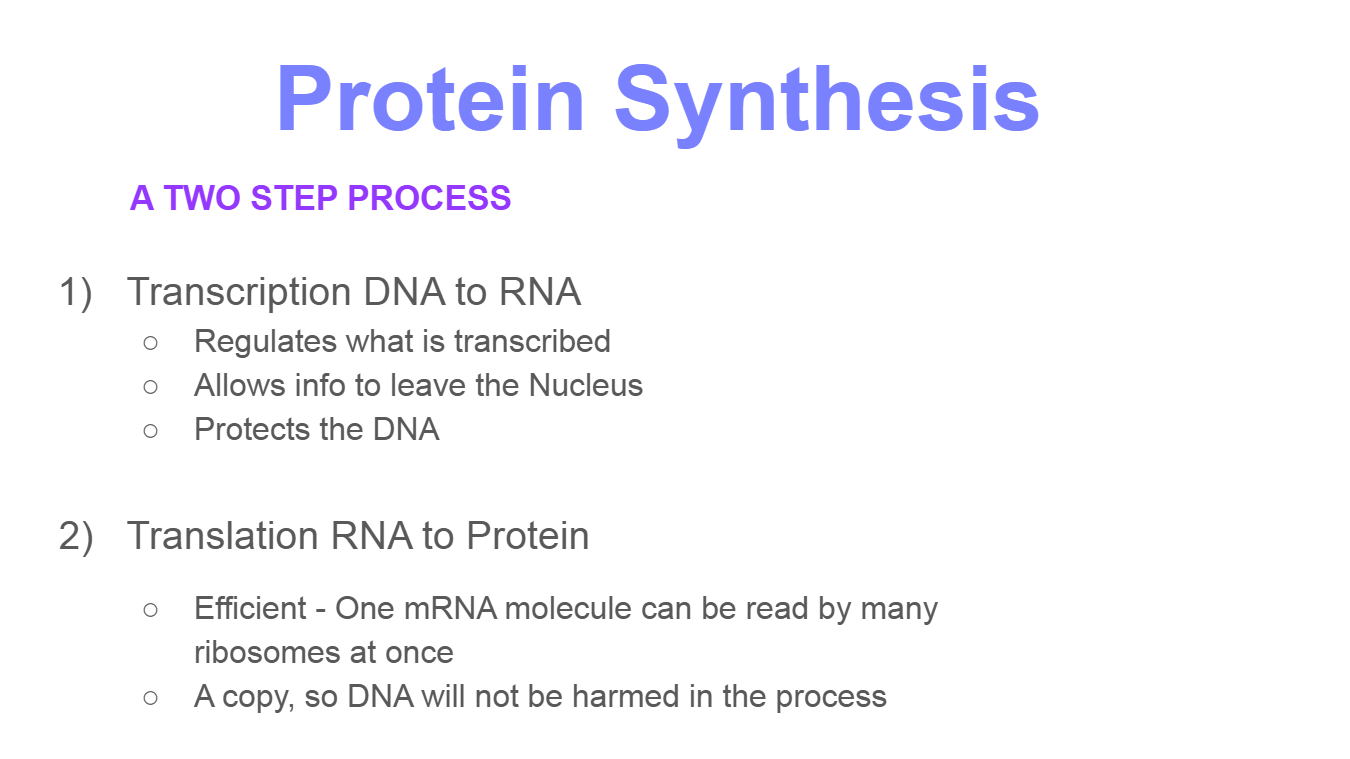
Which of the following are steps involved in protein synthesis?
Transcription from DNA to RNA
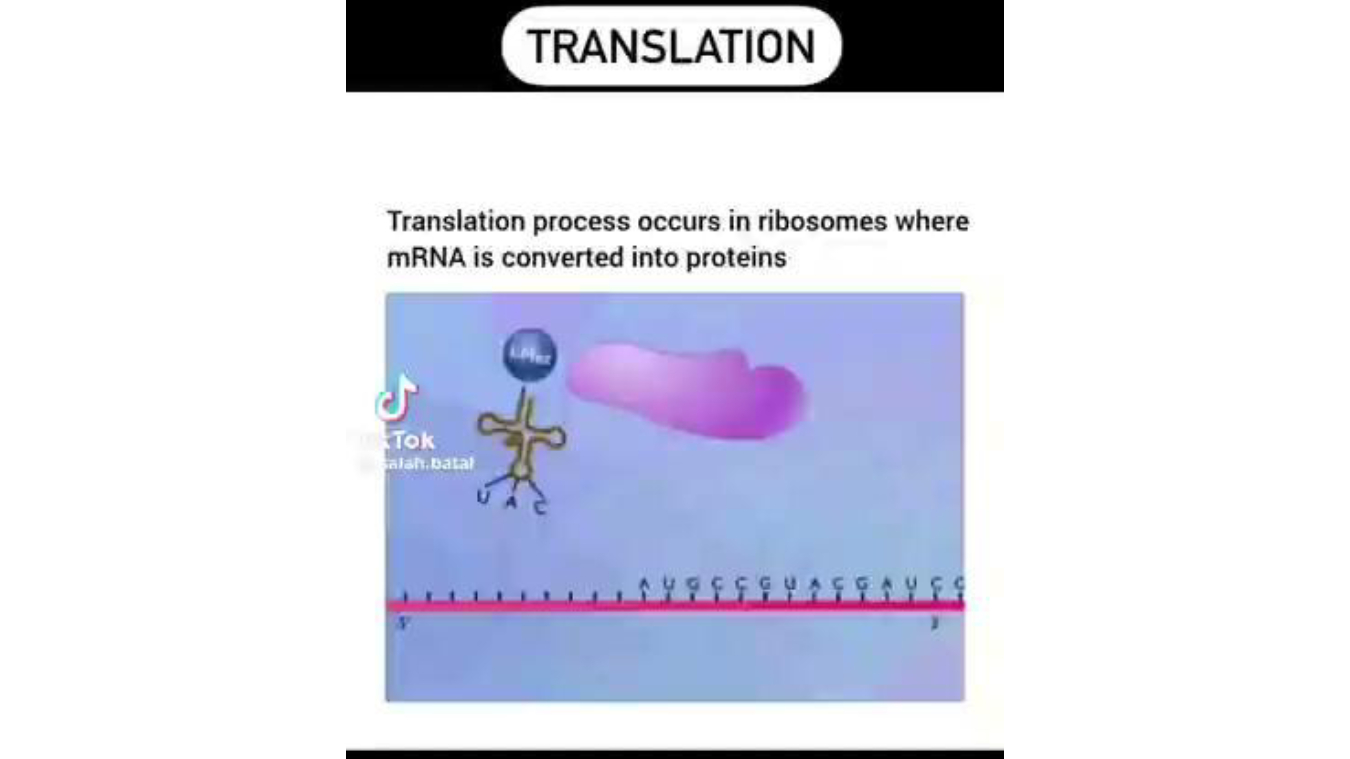
Translation from RNA to Protein
Replication from DNA to DNA
Reverse transcription from RNA to DNA
10
11
12
Multiple Choice
During a biology class, Ms. Serrano noticed that Michael had a scab on his hand. Shakira and London were curious about how the scab formed. They wondered what role genes play in this process. Can you help them understand?
Genes provide instructions for making proteins that aid in scab formation
Genes regulate blood flow to the wound area
Genes produce antibodies to fight off infection at the wound site
Genes control hormone production that influences scab formation
13
14
Fill in the Blanks
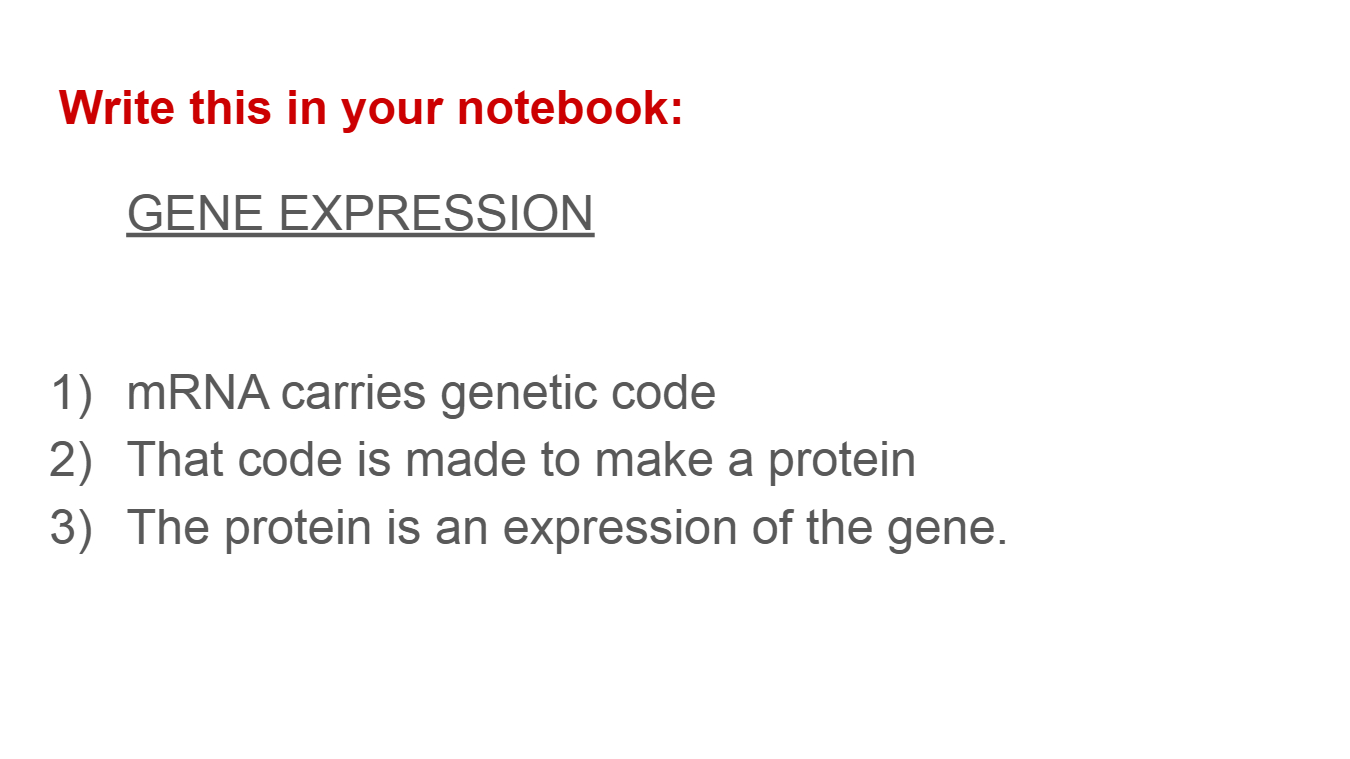
mRNA carries genetic code that is used to make a
15
16
Fill in the Blanks
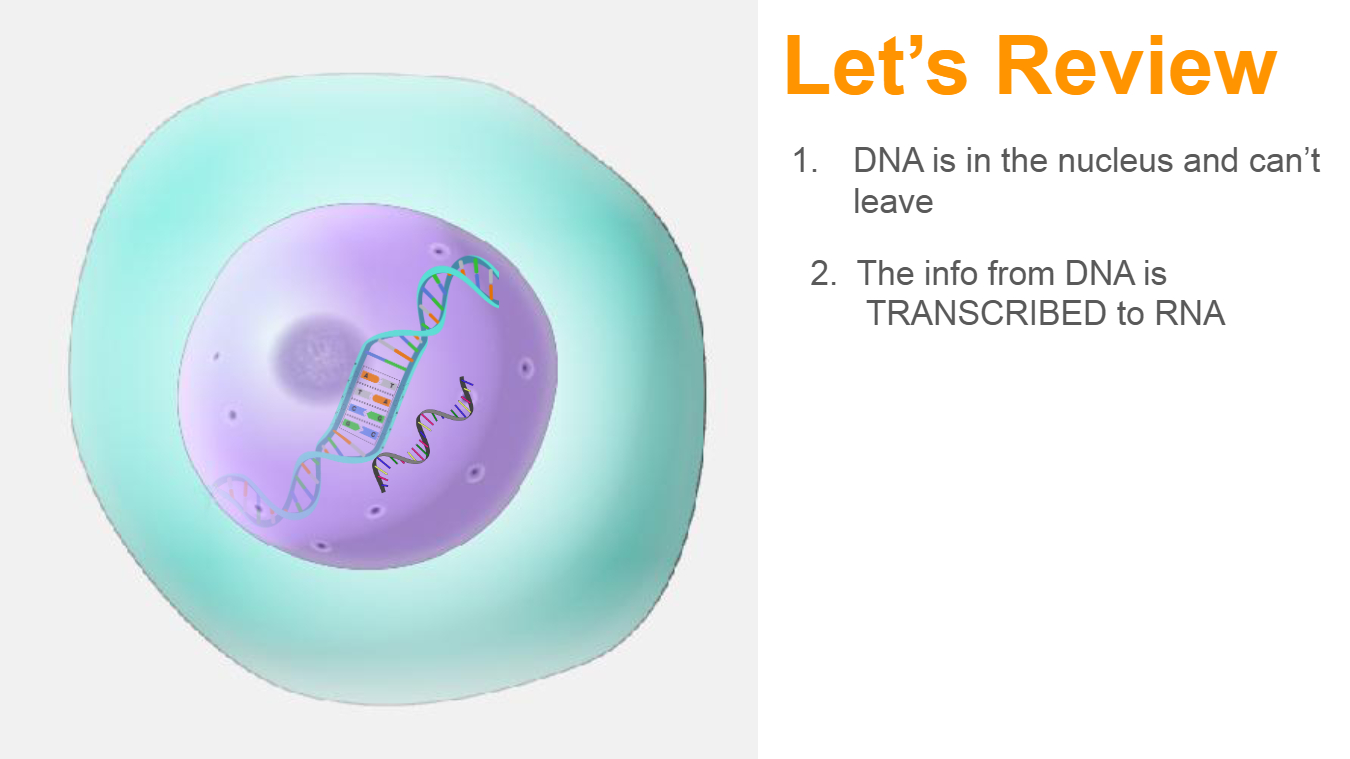
The process by which the information in DNA is copied into RNA is called
17
Multiple Choice
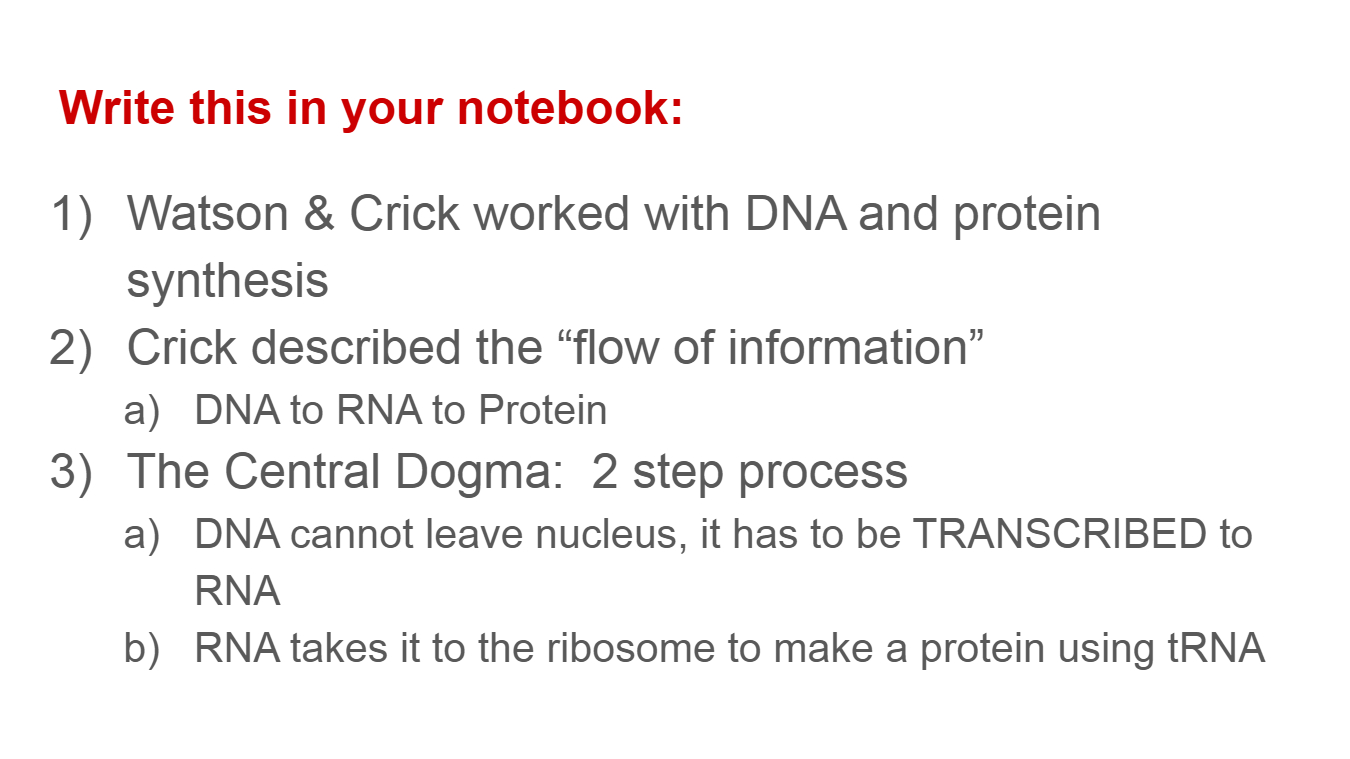
Which of the following statements best explains why DNA cannot leave the nucleus?
DNA is too large to pass through the nuclear membrane.
DNA is needed only in the nucleus.
DNA is unstable outside the nucleus.
DNA is not recognized by ribosomes.
18
19
20
Multiple Choice
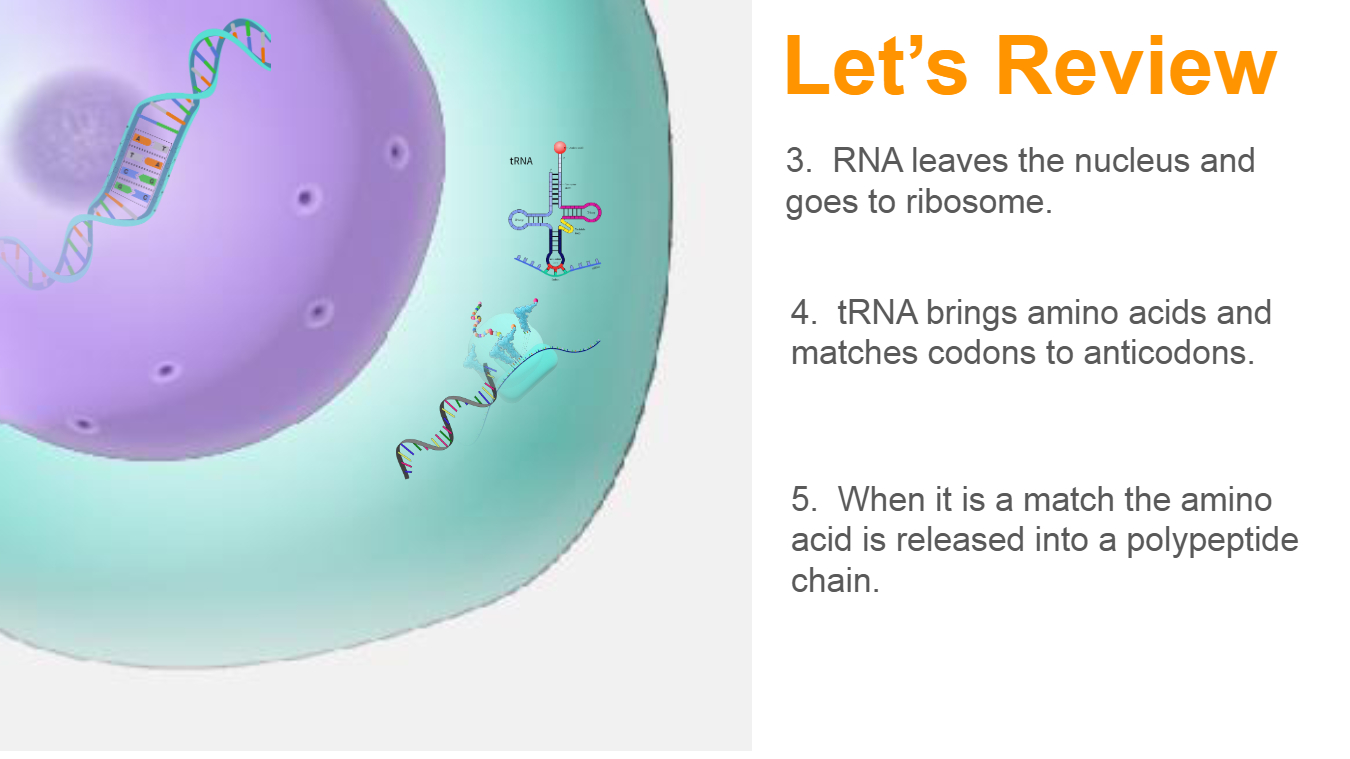
Which of the following steps occur during translation in the ribosome?
tRNA brings amino acids to the ribosome.
DNA is transcribed to RNA.
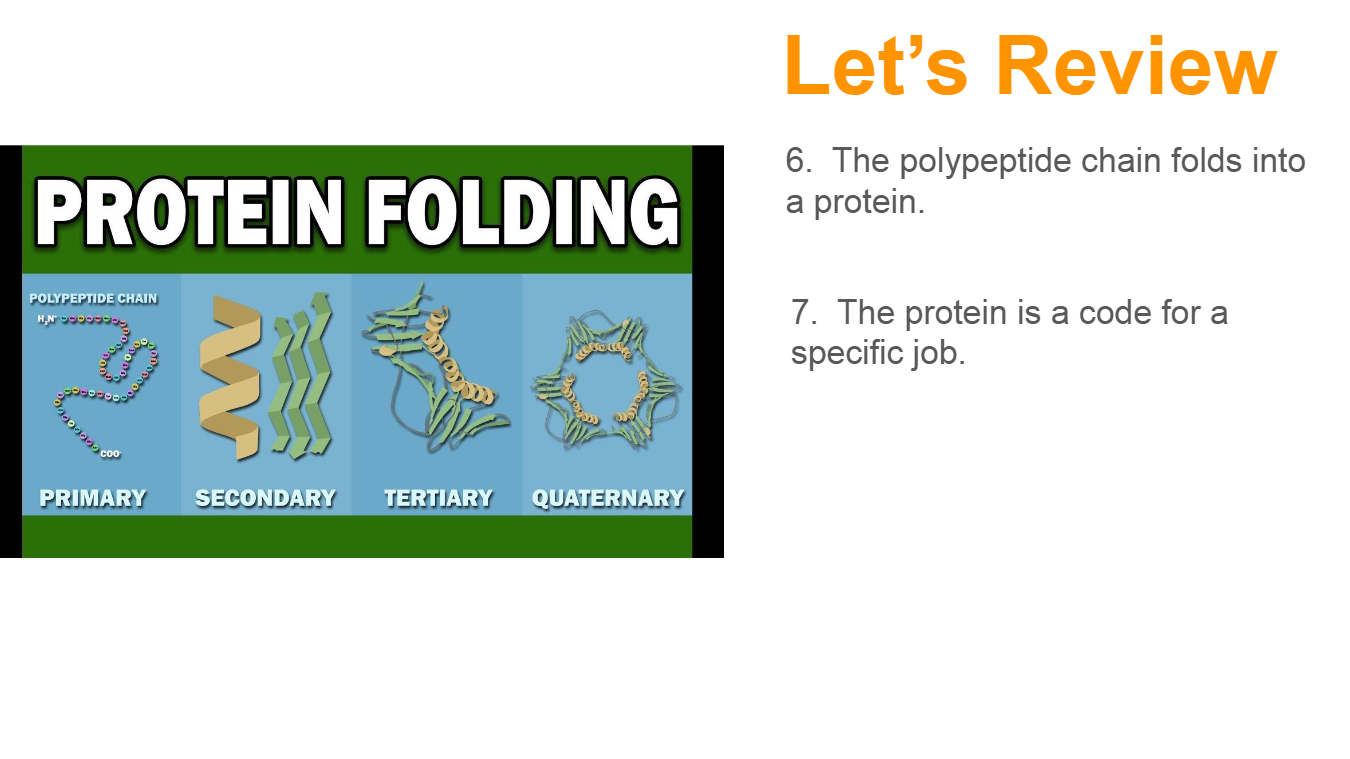
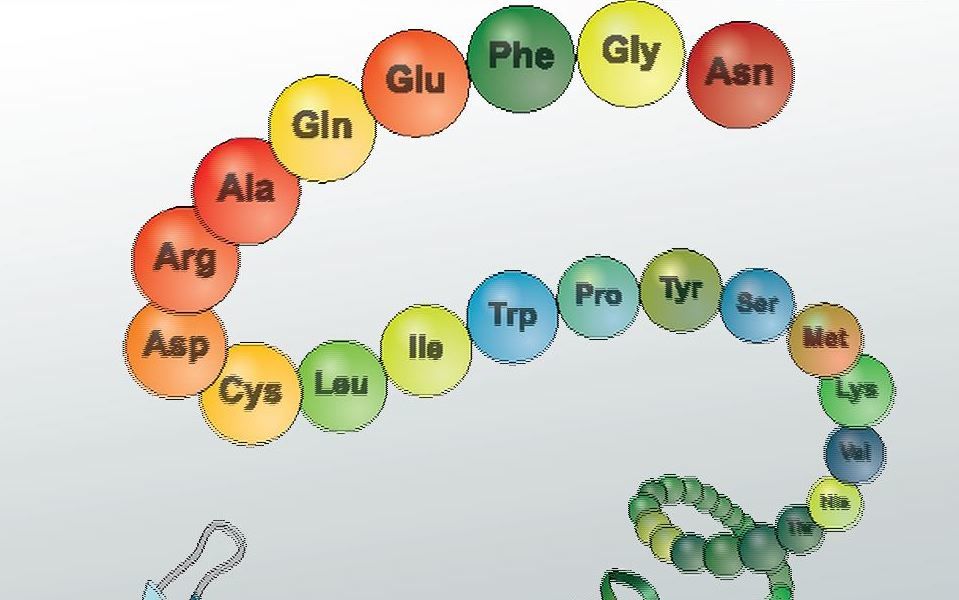
Polypeptide chain folds into a protein.
RNA leaves the nucleus.
21
22
Multiple Choice
23
Multiple Choice
Proteins are made of
CHO
CHON
CHONP`
CHONS
24
Open Ended
Describe the process by which information from DNA is used to produce a protein, starting from transcription and ending with protein folding.
25
26
27
Fill in the Blanks
Gene expression is the process by which the gene that was used to make the protein gives us our
28
Fill in the Blanks
Protein synthesis is a process related to
29
Open Ended
What questions do you still have about gene expression or protein synthesis after today's lesson?
Show answer
Auto Play
Slide 1 / 29
SLIDE

Similar Resources on Wayground
22 questions
Ion Formation and Ionic Bonding
Presentation
•
10th - 12th Grade
21 questions
Atmosphere Refresher
Presentation
•
9th - 12th Grade
24 questions
Plate Tectonics
Presentation
•
9th - 12th Grade
24 questions
Cell Membrane
Presentation
•
9th - 12th Grade
20 questions
Cell Division
Presentation
•
9th - 12th Grade
25 questions
Polyatomic Ions
Presentation
•
9th - 12th Grade
25 questions
Taxonomy and Classification
Presentation
•
9th - 12th Grade
22 questions
Carbohydrates
Presentation
•
9th - 11th Grade
Popular Resources on Wayground
10 questions
Safety Day 2026 – Student Review
Quiz
•
9th Grade
21 questions
Continents and Oceans
Quiz
•
6th Grade
20 questions
Parts of Speech
Quiz
•
5th Grade
16 questions
Subject & Predicate
Quiz
•
5th Grade
25 questions
Multiplication Facts
Quiz
•
5th Grade
12 questions
Map Skills
Quiz
•
3rd Grade
22 questions
Continents and Oceans
Quiz
•
5th Grade
15 questions
Rounding Decimals
Quiz
•
5th Grade
Discover more resources for Science
10 questions
Exploring Chemical and Physical Changes
Interactive video
•
6th - 10th Grade
20 questions
Atomic Structure
Quiz
•
9th Grade
10 questions
Exploring the Electromagnetic Spectrum for Middle School Science
Interactive video
•
6th - 10th Grade
10 questions
Exploring Force and Motion Concepts
Interactive video
•
6th - 10th Grade
10 questions
Exploring Air Masses and Weather Fronts
Interactive video
•
6th - 10th Grade
14 questions
Periodic Trends
Interactive video
•
11th Grade
10 questions
Exploring the States of Matter
Interactive video
•
6th - 10th Grade
10 questions
Exploring Forces: Net Force, Normal Force, Gravity, and Friction
Interactive video
•
6th - 10th Grade