

11/3 Covalent Bonding I Slides

Presentation
•
Science
•
9th - 12th Grade
•
Practice Problem
•
Hard
+2
Standards-aligned

Stacy King
FREE Resource
18 Slides • 19 Questions
1
2
3
Multiple Choice
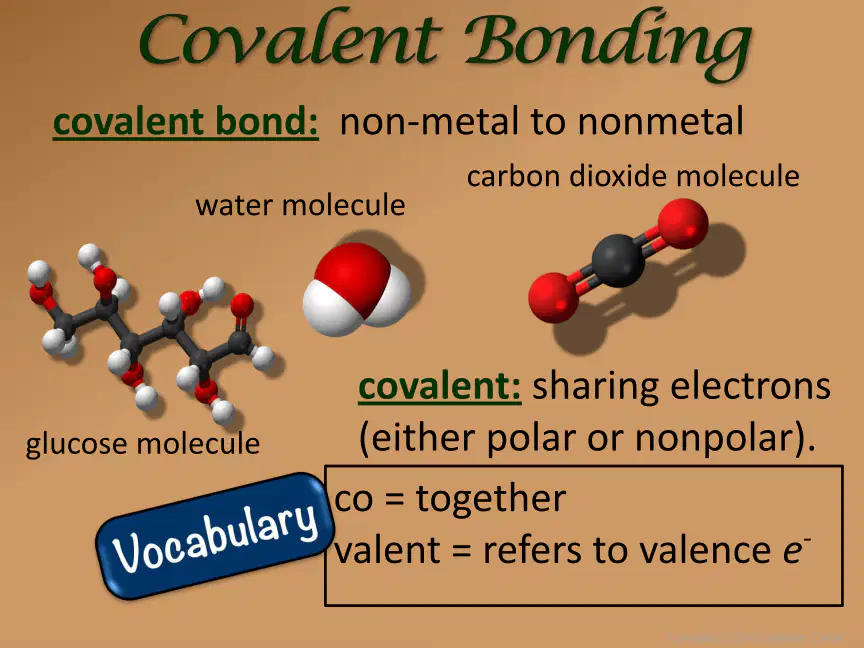
Which of the following best describes a covalent bond?
A bond between a metal and a nonmetal
A bond between two nonmetals involving sharing of electrons
A bond formed by the transfer of electrons
A bond found only in ionic compounds
4
Open Ended
Why is the concept of covalent bonding important in understanding how molecules are formed?
5
6
Fill in the Blanks
A
Type answer...
7
8

9
Multiple Select
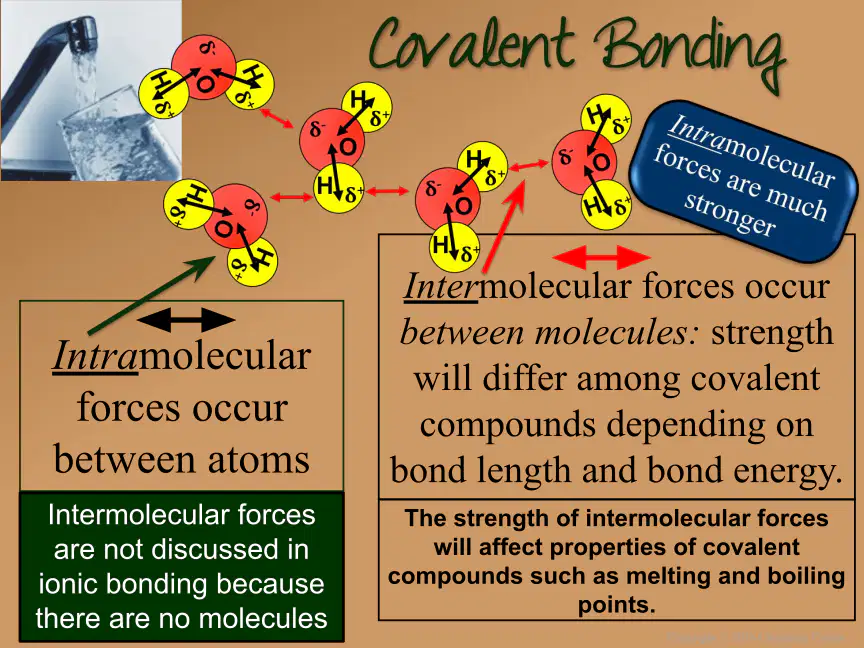
Which of the following statements about intermolecular and intramolecular forces are correct?
Intramolecular forces occur between atoms within a molecule.
Intermolecular forces occur between molecules.
Intramolecular forces are much stronger than intermolecular forces.
Intermolecular forces are discussed in ionic bonding.
10
11
Open Ended
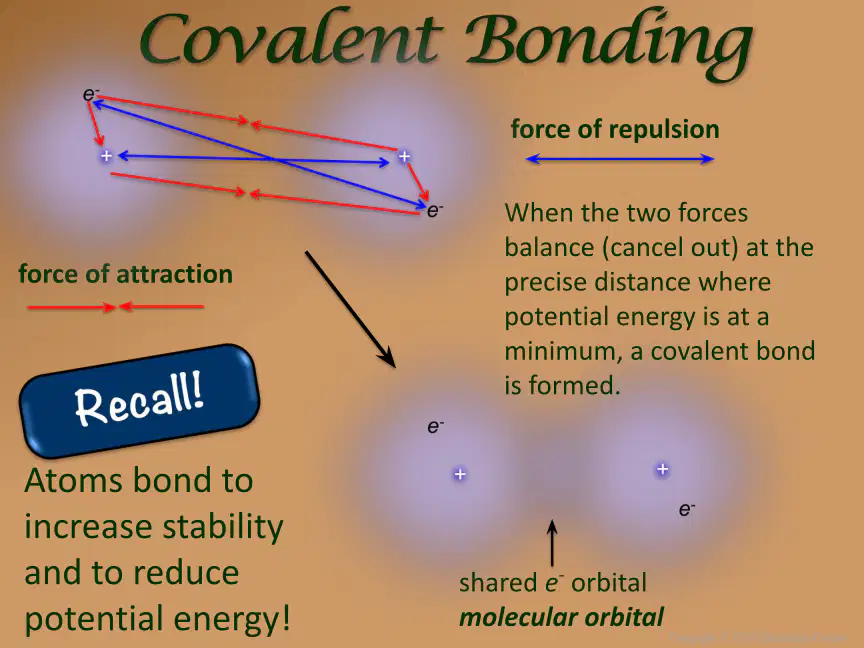
Explain how the balance of attractive and repulsive forces between atoms leads to the formation of a covalent bond.
12
13
Multiple Choice
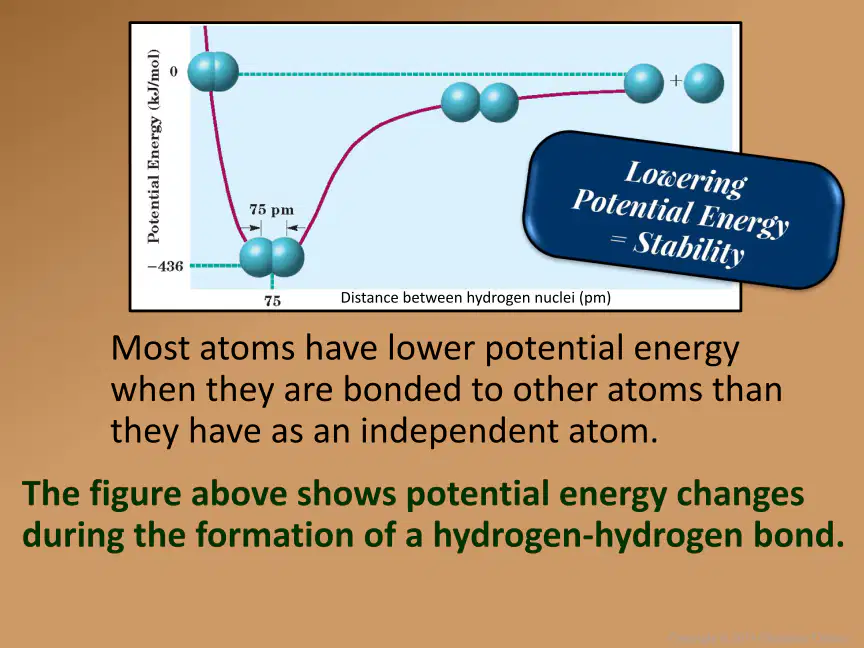
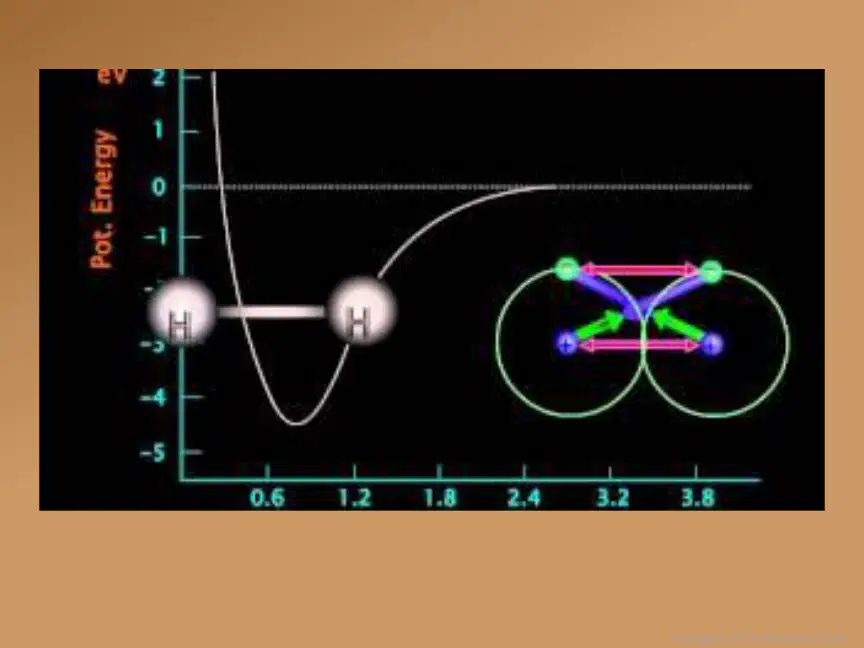
According to the figure, what happens to the potential energy of atoms as they form a hydrogen-hydrogen bond?
It decreases, leading to greater stability.
It increases, making the atoms less stable.
It remains constant.
It fluctuates randomly.
14
15
Open Ended
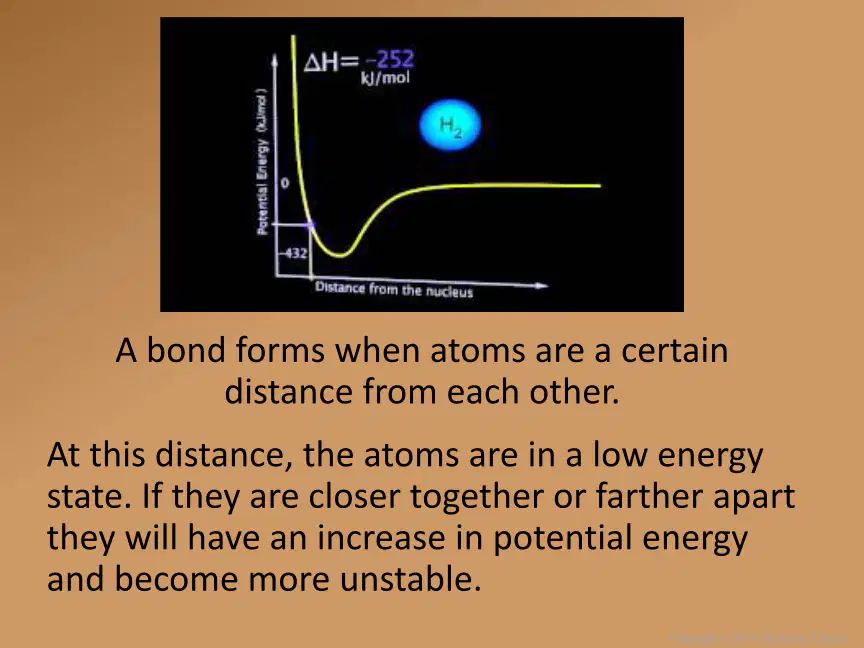
Describe what happens to the energy state of atoms if they are either too close together or too far apart, according to the graph shown.
16
17
18
Open Ended
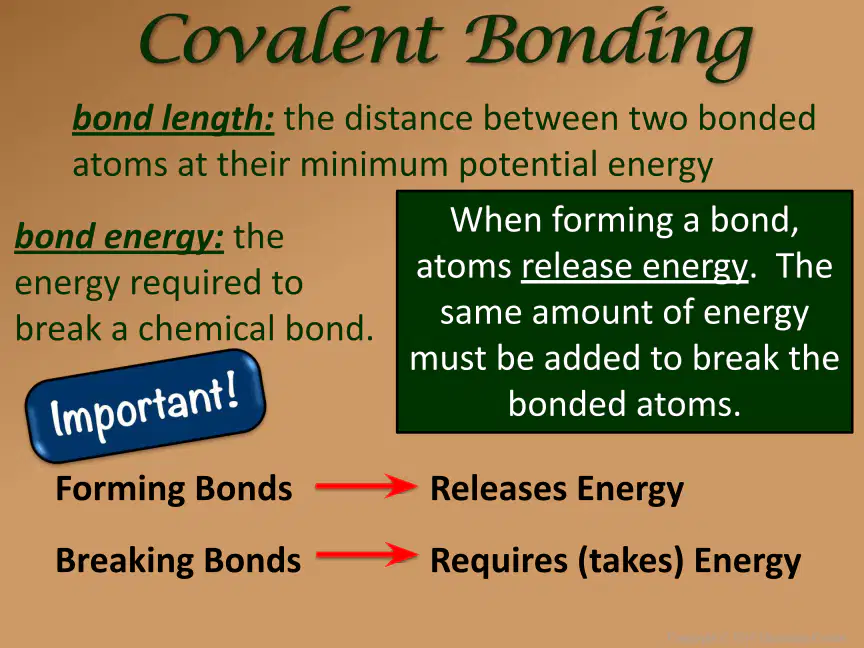
Explain why forming a covalent bond releases energy, while breaking a covalent bond requires energy.
19
20
Multiple Choice
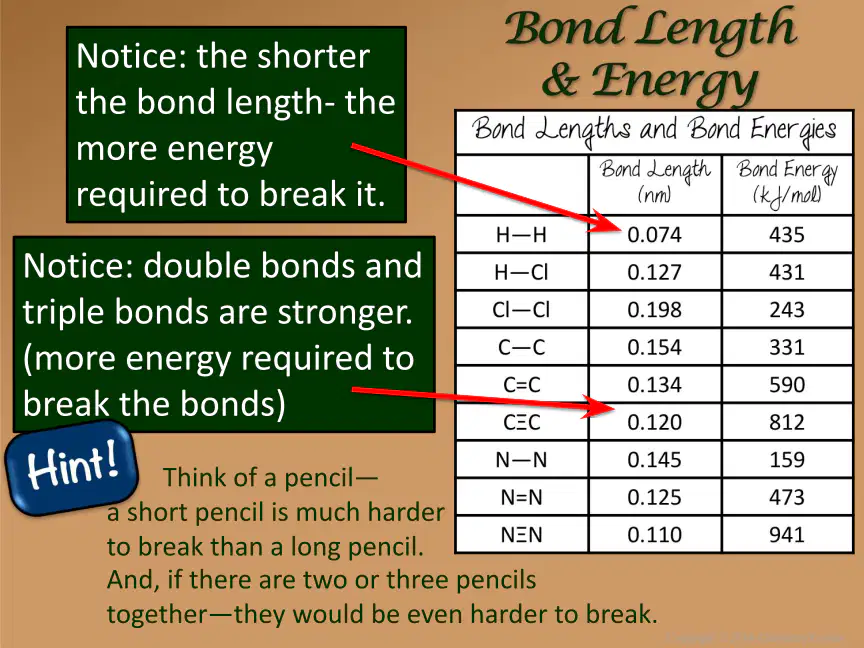
Which of the following pairs of bonds requires the most energy to break?
H–H
C≡C
N≡N
Cl–Cl
21
Multiple Choice
Which of the following best describes the relationship between bond length and bond energy in covalent bonds, as shown in the diagrams and data?
Shorter bond length corresponds to higher bond energy.
Longer bond length corresponds to higher bond energy.
Bond length and bond energy are not related.
Shorter bond length corresponds to lower bond energy.
22
23
Fill in the Blanks
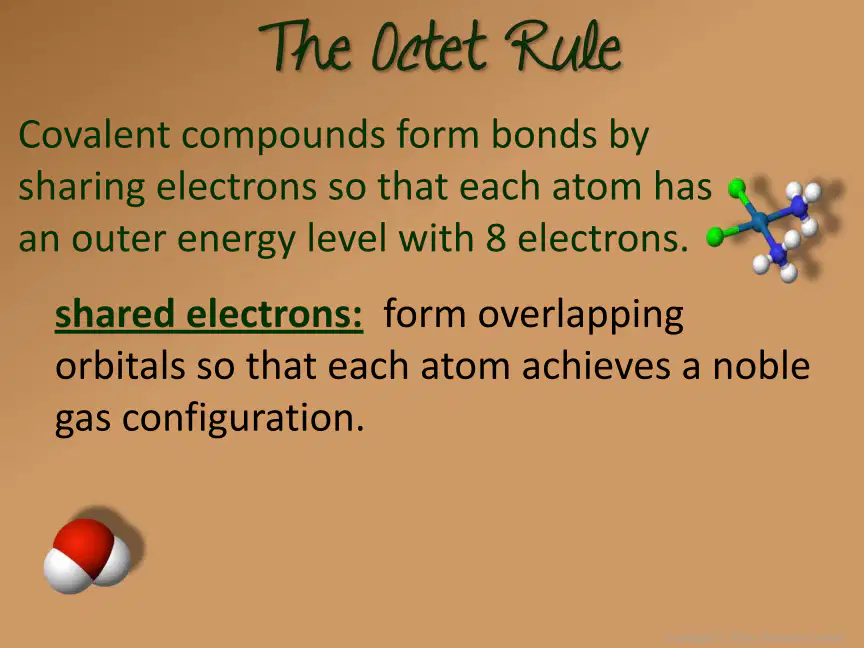
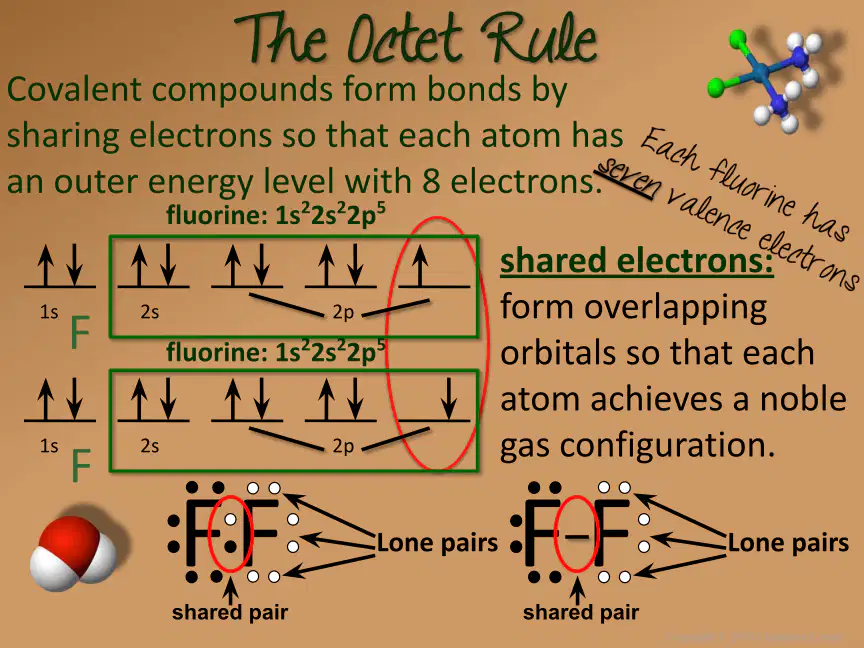
Covalent compounds form bonds by sharing electrons so that each atom has an outer energy level with
Type answer...
24
25
Open Ended
How do shared electrons contribute to the stability of covalent compounds according to the octet rule?
26
27
Fill in the Blanks
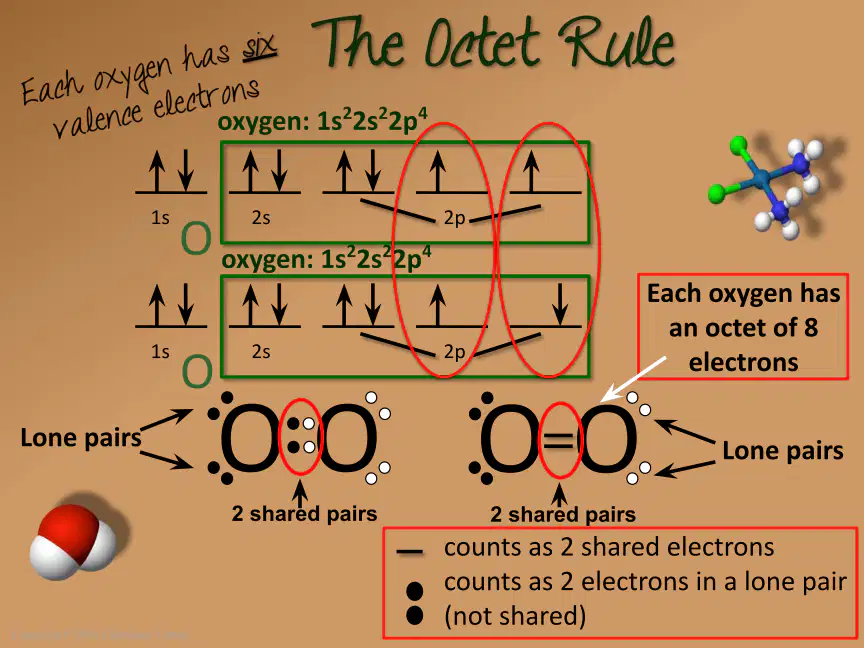
Each oxygen atom in an O2 molecule has
Type answer...
28
29
Multiple Choice
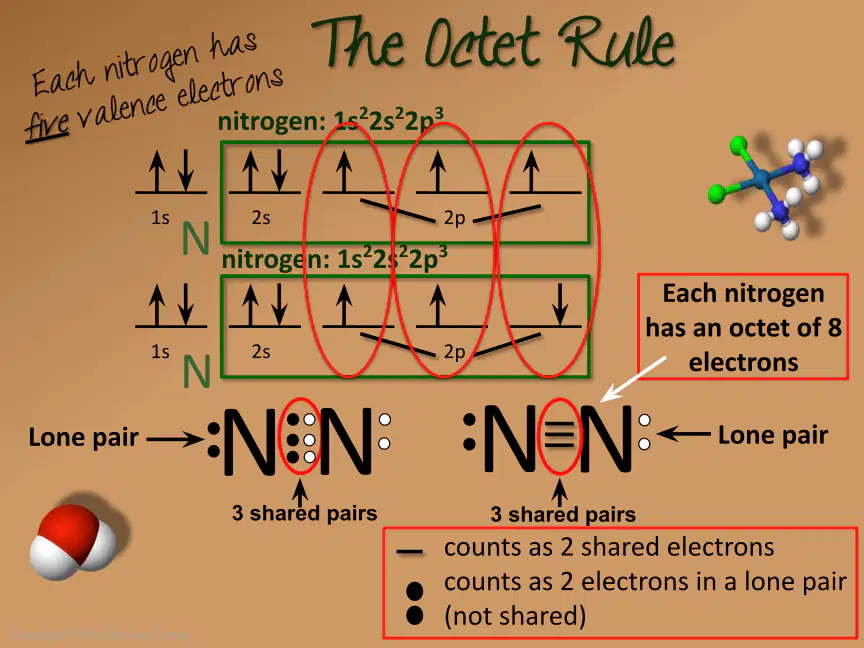
Which of the following statements best explains why nitrogen gas (N2) is stable according to the octet rule?
Each nitrogen atom shares three pairs of electrons, achieving an octet.
Each nitrogen atom has only five valence electrons.
Nitrogen atoms do not form bonds with each other.
Nitrogen atoms have a full d-orbital.
30
31
Fill in the Blanks
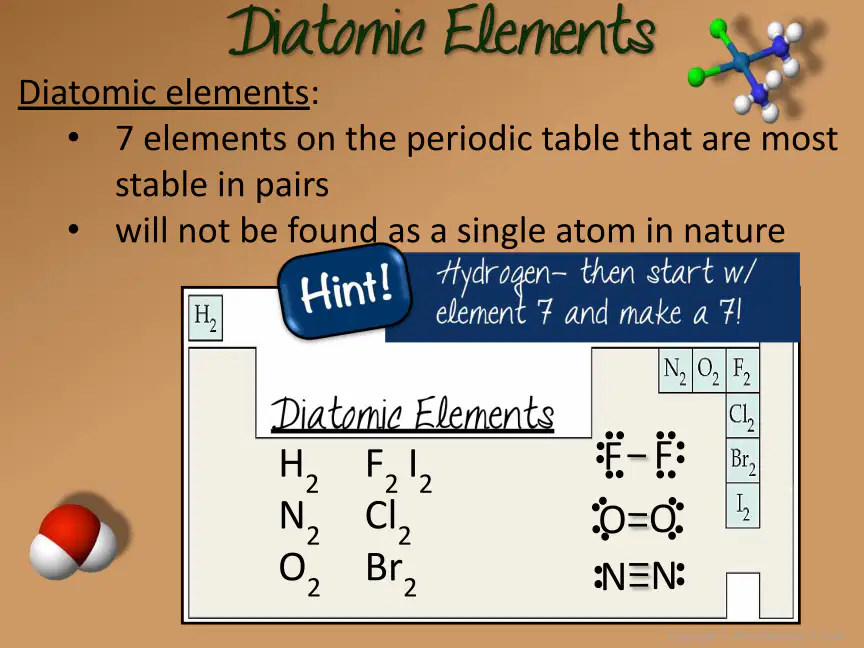
List all the diatomic elements that are most stable in pairs and not found as single atoms in nature.
Type answer...
32
33
Multiple Select
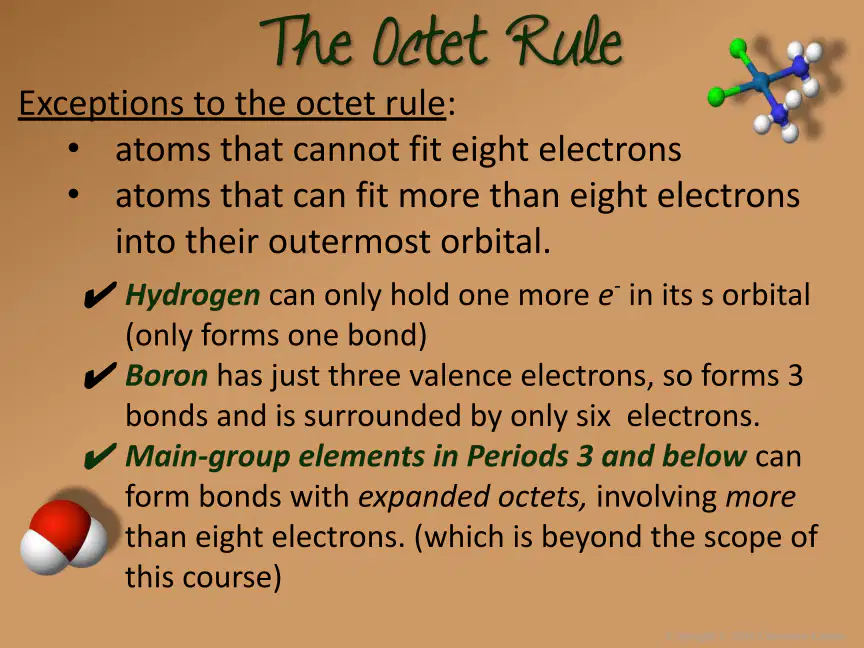
Which of the following are exceptions to the octet rule?
Hydrogen
Boron
Main-group elements in Periods 3 and below
All of the above
34
35
Open Ended
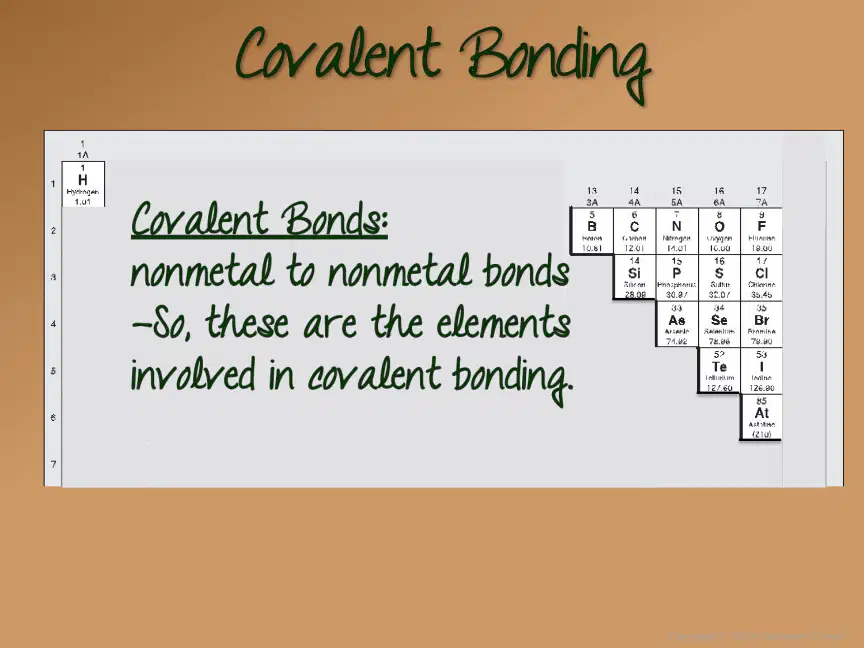
Explain why covalent bonds typically form between nonmetals rather than metals.
36
Open Ended
How do covalent bonds differ from other types of chemical bonds you have learned about?
37
Multiple Choice
What is a covalent bond?
A bond between a metal and a nonmetal
A bond between two metals
A bond between a nonmetal and a nonmetal
A bond that involves the transfer of electrons
Show answer
Auto Play
Slide 1 / 37
SLIDE
Similar Resources on Wayground

35 questions
Color (light Waves)
Presentation
•
9th - 12th Grade
35 questions
History of the Atom
Presentation
•
10th - 12th Grade
31 questions
Chapter 14, Section 1
Presentation
•
9th - 12th Grade
33 questions
Naming Covalent and Ionic Compounds
Presentation
•
9th - 12th Grade
31 questions
MS-ESS1-3: Solar System Scale
Presentation
•
8th Grade - University
32 questions
Chap. 5 Periodic Trends
Presentation
•
9th - 12th Grade
30 questions
Non-Renewable Energy - Oil and Coal
Presentation
•
9th - 12th Grade
31 questions
Lecture 2.1: Atoms, Ions, and Isotopes
Presentation
•
9th - 12th Grade
Popular Resources on Wayground
10 questions
Safety Day 2026 – Student Review

Quiz
•
9th Grade
21 questions
Continents and Oceans
Quiz
•
6th Grade
20 questions
Parts of Speech
Quiz
•
5th Grade
16 questions
Subject & Predicate
Quiz
•
5th Grade
25 questions
Multiplication Facts
Quiz
•
5th Grade
12 questions
Map Skills
Quiz
•
3rd Grade
22 questions
Continents and Oceans
Quiz
•
5th Grade
15 questions
Rounding Decimals
Quiz
•
5th Grade
Discover more resources for Science
10 questions
Exploring Chemical and Physical Changes

Interactive video
•
6th - 10th Grade
20 questions
Atomic Structure
Quiz
•
9th Grade
10 questions
Exploring the Electromagnetic Spectrum for Middle School Science
Interactive video
•
6th - 10th Grade
10 questions
Exploring Force and Motion Concepts
Interactive video
•
6th - 10th Grade
10 questions
Exploring Air Masses and Weather Fronts
Interactive video
•
6th - 10th Grade
14 questions
Periodic Trends
Interactive video
•
11th Grade
10 questions
Exploring the States of Matter
Interactive video
•
6th - 10th Grade
10 questions
Exploring Forces: Net Force, Normal Force, Gravity, and Friction
Interactive video
•
6th - 10th Grade