Law of Conservations of Mass
Presentation
•
Science
•
6th - 8th Grade
•
Practice Problem
•
Medium
Standards-aligned
Amanda Taylor
Used 2+ times
FREE Resource
12 Slides • 11 Questions
1
Multiple Choice
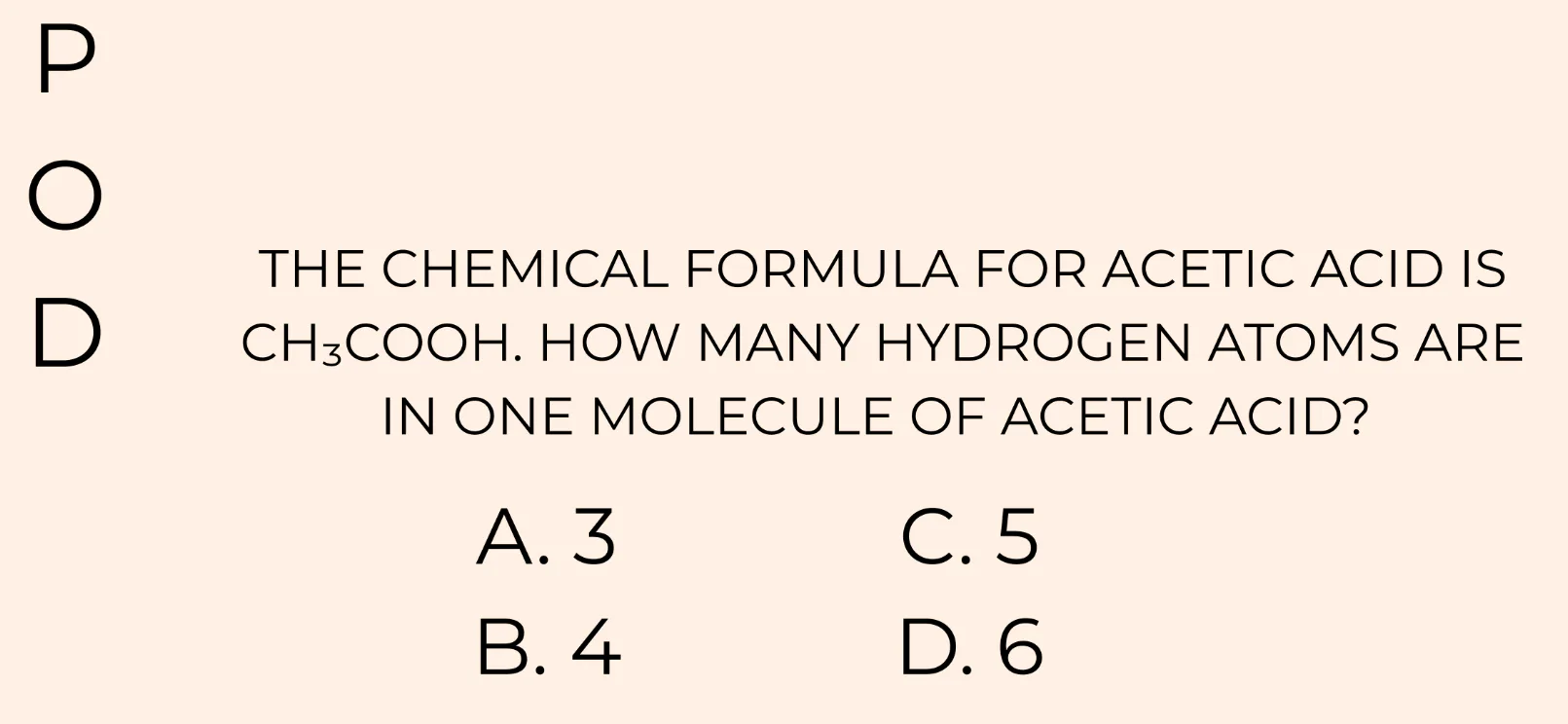
The chemical formula for acetic acid is CH3COOH. How many hydrogen atoms are in one molecule of acetic acid?
3
4
5
6
2
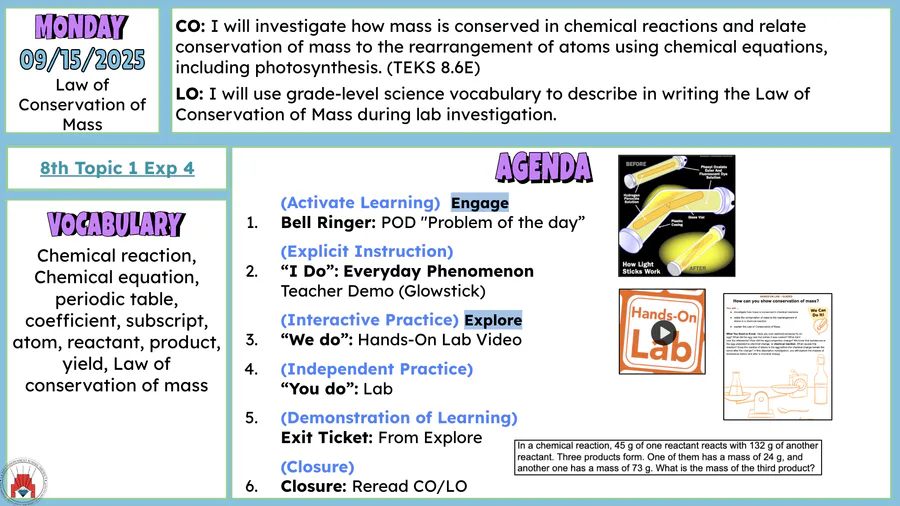
(Activate Learning) Engage
1. Bell Ringer: POD “Problem of the Day”
(Explicit Instruction)
2. “I Do”: Everyday Phenomenon – Teacher Demo (Glowstick)
(Interactive Practice) Explore
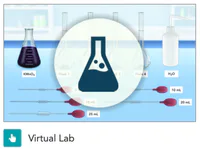
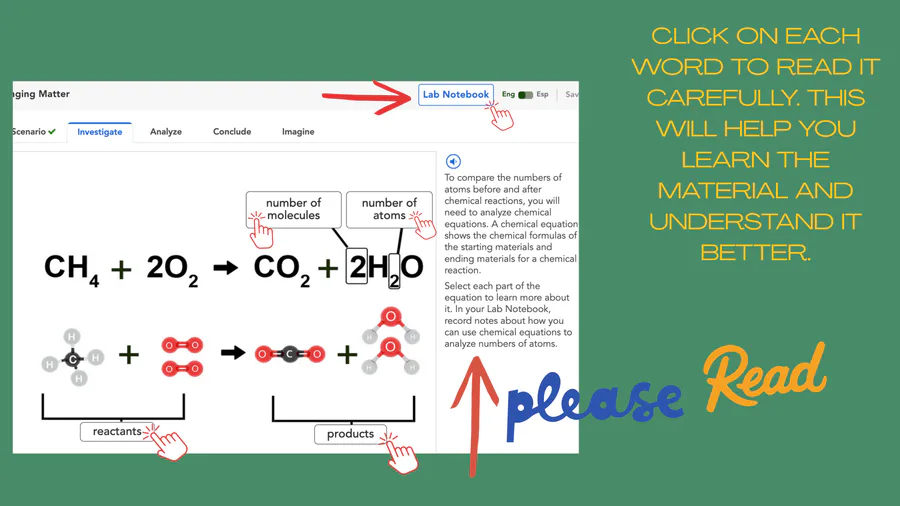
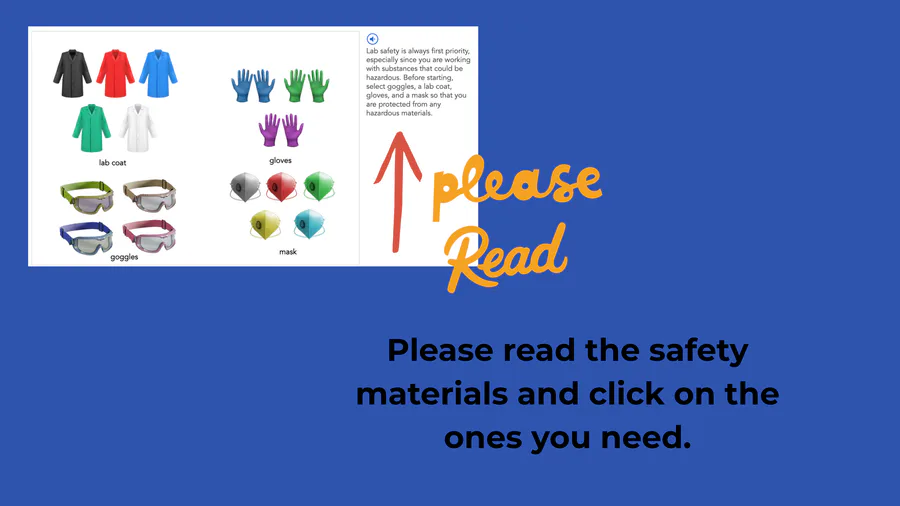
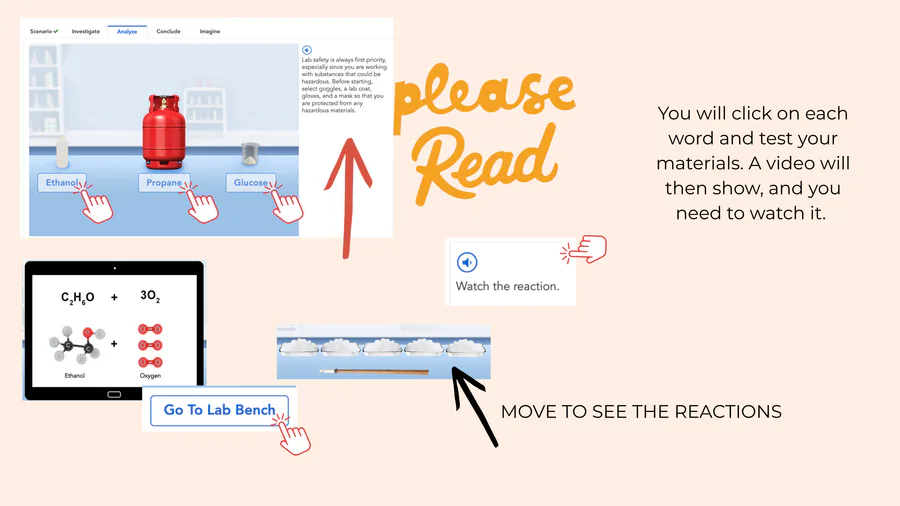
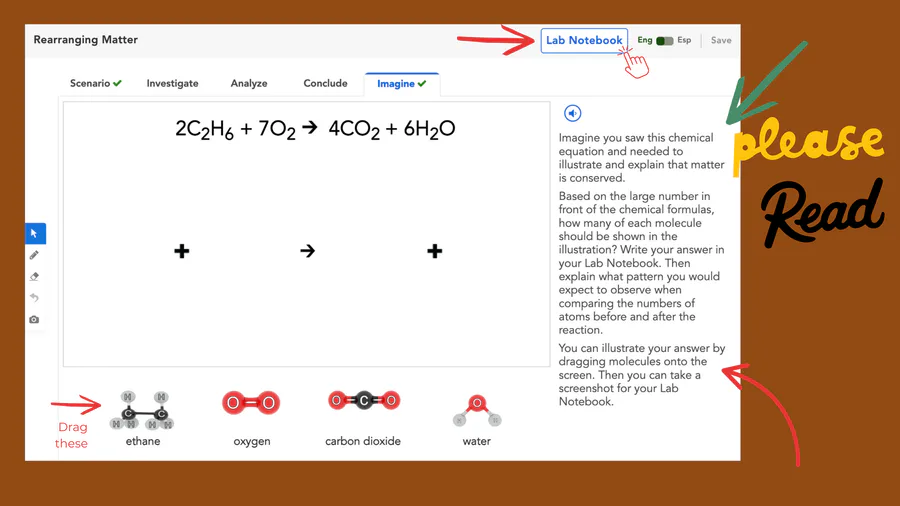
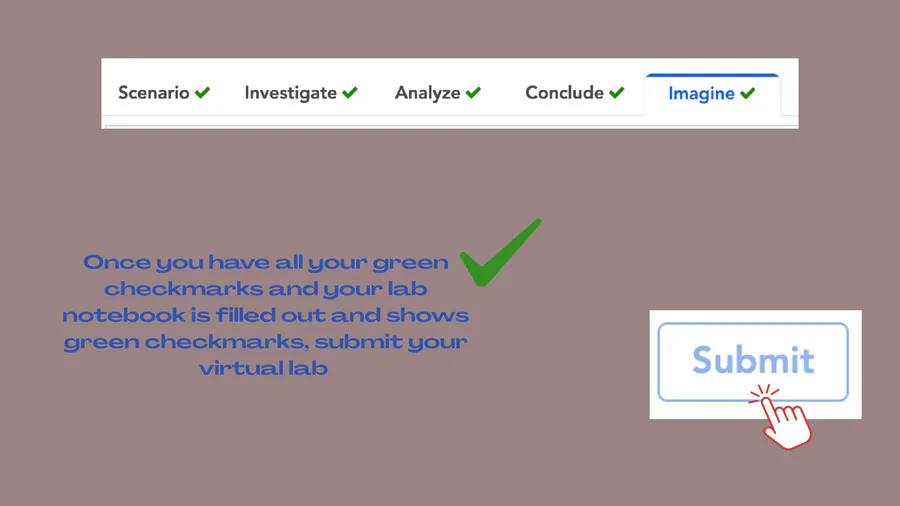
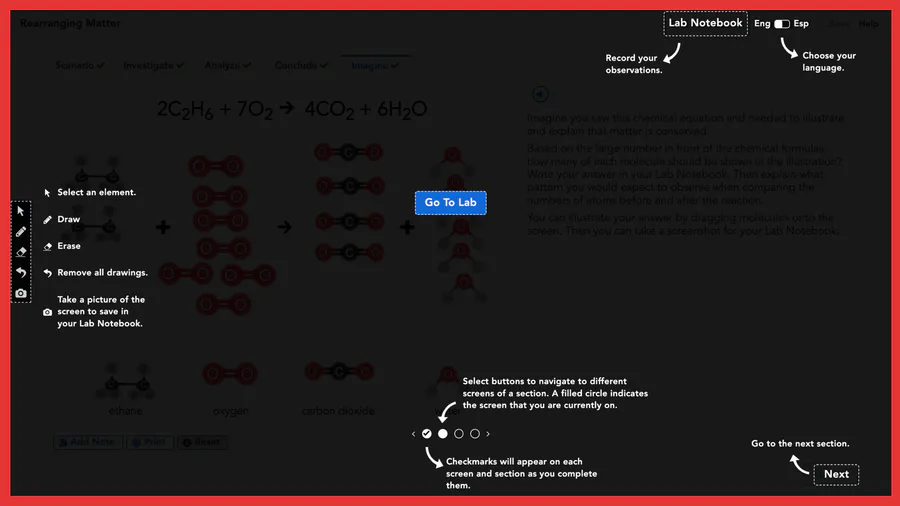
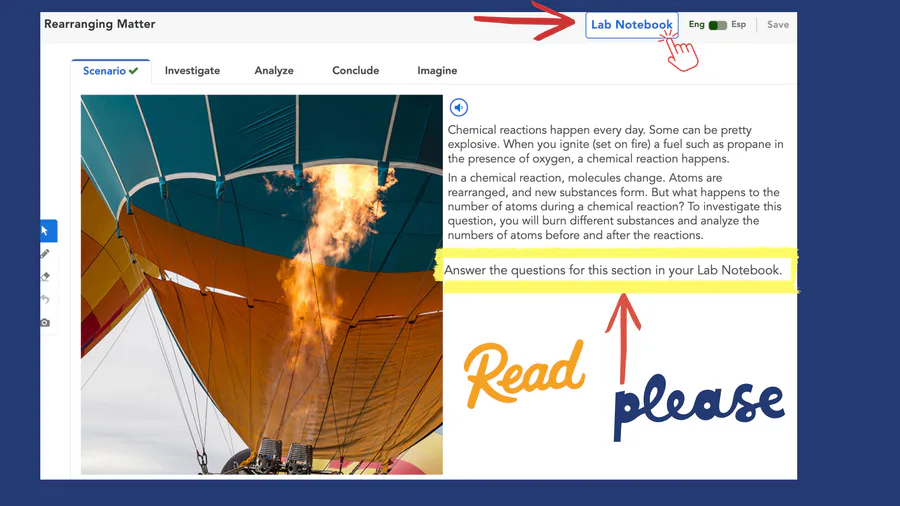
3. “We do”: Wayground walkthrough to review steps and expectations for the Virtual Lab
(Independent Practice)
4. “You do”: Complete Virtual Lab in SAVVAS
(Demonstration of Learning)
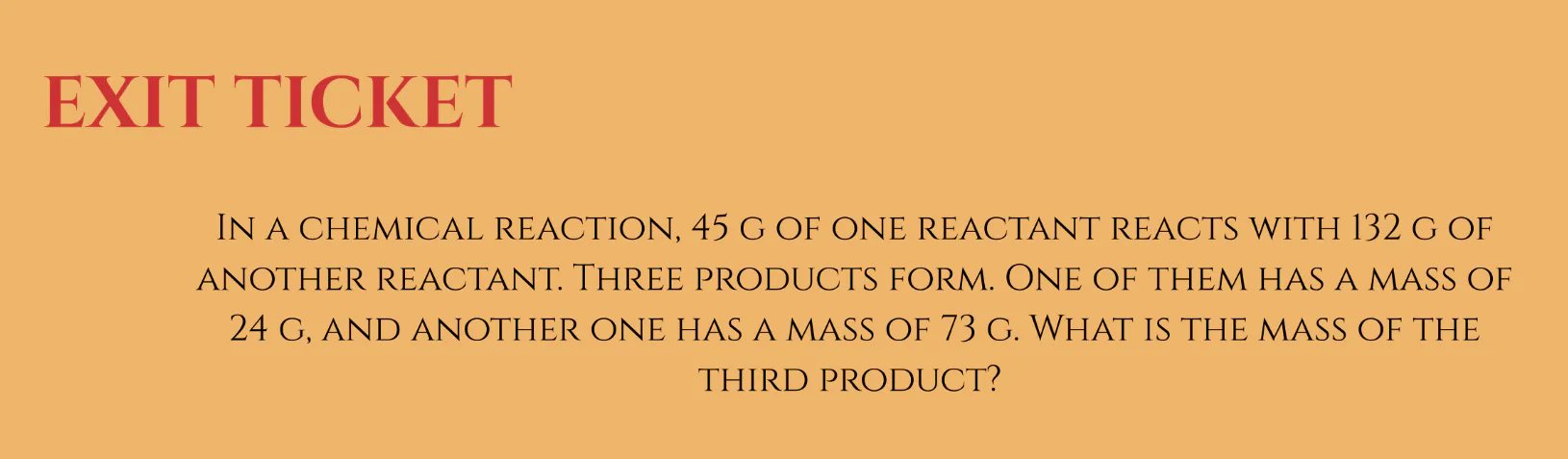
5. Exit Ticket: Conservation of Mass problem
(Closure)
6. Reread CO/LO and connect back to the Virtual Lab
FRIDAY
9/12/2025
CO: I will investigate a chemical reaction in a virtual lab to explore the relationship between reactants and products.
LO: I will describe my observations and explain my reasoning about the Law of Conservation of Mass using correct science vocabulary (reactants, products, mass, conservation) during the virtual lab and exit ticket.
3
Open Ended
What do you predict will happen to the mass of the glow-stick as the reaction continues?
4
5
6
7
8
Open Ended
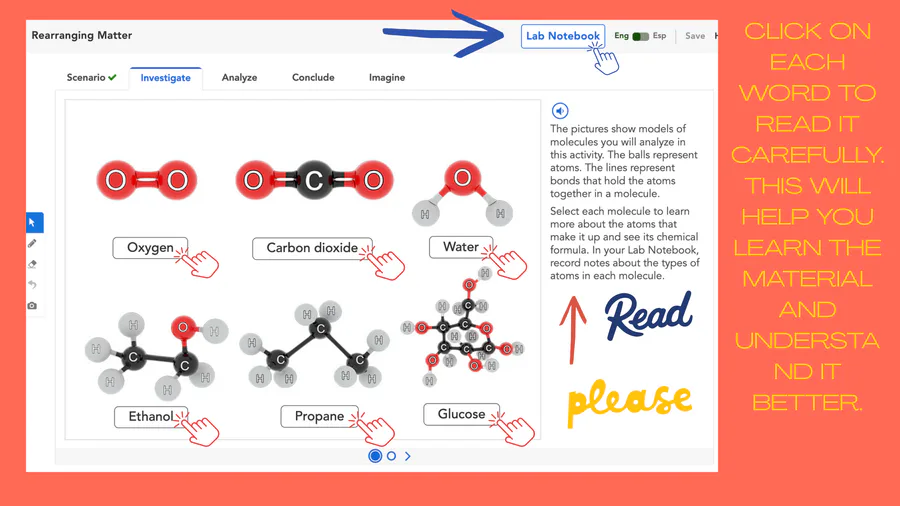
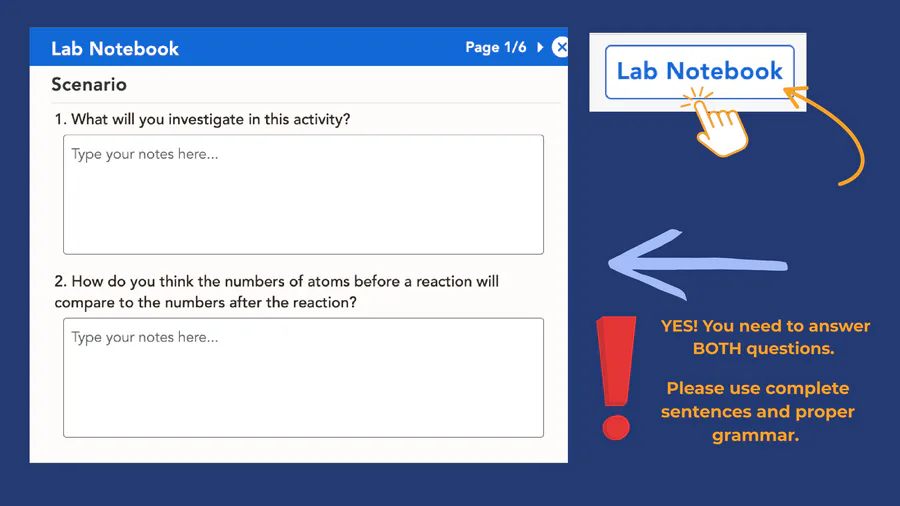
What will you investigate in this activity?
9
Open Ended
How do you think the numbers of atoms before a reaction will compare to the numbers after the reaction?
10
Multiple Choice
Which of the following best describes the Law of Conservation of Mass?
Mass is created during a chemical reaction.
Mass is destroyed during a chemical reaction.
Mass is neither created nor destroyed during a chemical reaction.
Mass always increases during a chemical reaction.
11
12
Fill in the Blanks
13
14
15
16
17
Open Ended
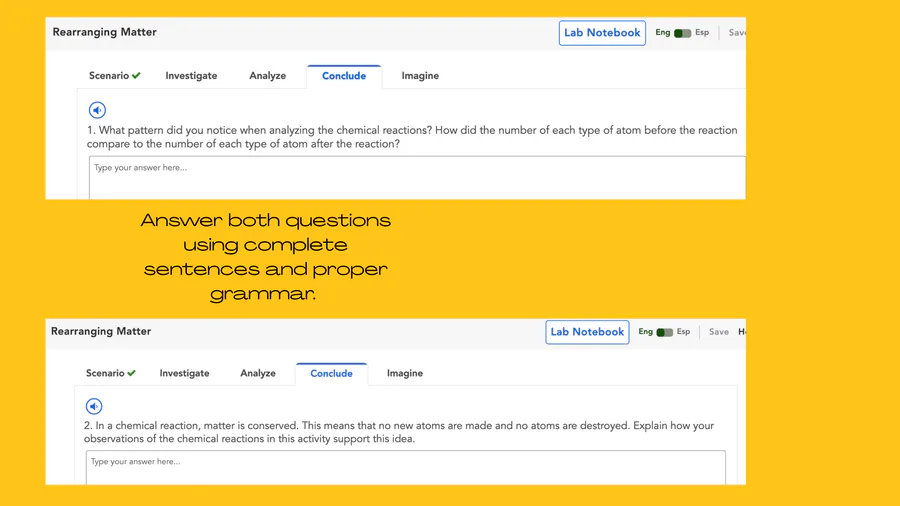
What pattern did you notice when analyzing the chemical reactions? How did the number of each type of atom before the reaction compare to the number of each type of atom after the reaction?
18
Open Ended
In a chemical reaction, matter is conserved. This means that no new atoms are made and no atoms are destroyed. Explain how your observations of the chemical reactions in this activity support this idea.
19
20
21
Open Ended
1. In your own words, what did you notice about the total mass of reactants compared to the total mass of products in the Virtual Lab?
2. A reaction starts with 45 g and 132 g of reactants. The products are 24 g, 73 g, and one unknown. What is the mass of the missing product?
22
Fill in the Blanks
23
Open Ended
Exit Ticket – Law of Conservation of Mass
1. What happened to the total mass in the Virtual Lab?
☐ Increased ☐ Decreased ☐ Stayed the same
2. Explain why you think that happened.
Sentence starter: The mass stayed the ______because_____
3a. Total mass of the reactants = 45 g + 132 g = ____ g
3b. Total mass of the known products = 24 g + 73 g = ____ g
3c. Missing product mass = Reactants − Products = ____ g
The chemical formula for acetic acid is CH3COOH. How many hydrogen atoms are in one molecule of acetic acid?
3
4
5
6
Show answer
Auto Play
Slide 1 / 23
MULTIPLE CHOICE

Similar Resources on Wayground
18 questions
Geologic Time Scale
Presentation
•
6th - 8th Grade
18 questions
Calculating Speed
Presentation
•
6th - 8th Grade
18 questions
Classification and Hierarchy of Organisms
Presentation
•
6th - 8th Grade
18 questions
Seasons
Presentation
•
6th - 8th Grade
17 questions
DNA Intro
Presentation
•
6th - 8th Grade
17 questions
The Hypothesis-Variable Wrap
Presentation
•
6th - 8th Grade
20 questions
Carbon Cycle
Presentation
•
6th - 8th Grade
20 questions
Moon Phases
Presentation
•
6th - 8th Grade
Popular Resources on Wayground
24 questions
PBIS-HGMS Day 10
Quiz
•
6th - 8th Grade
10 questions
HCS SCI 03 Summer School Review 3
Quiz
•
3rd Grade
11 questions
Home Scope
Quiz
•
7th - 8th Grade
15 questions
HCS SCI 05 Summer School Assessment 3 Review
Quiz
•
5th Grade
35 questions
Lufkin Road Middle School Student Handbook & Policies Assessment
Quiz
•
7th Grade
18 questions
Geo 11.3 Area of Circles and Sectors
Quiz
•
9th - 11th Grade