

Immune system

Presentation
•
Biology
•
University
•
Easy
Standards-aligned

Noodlebob Noodlebob
Used 1+ times
FREE Resource
39 Slides • 31 Questions
1

2
Multiple Choice
Why is immunocompetence important for maintaining overall health in the human body?
3

4
Multiple Choice
Which of the following organs is NOT considered a primary or secondary lymphoid tissue in the immune system?
Thymus
Bone marrow
Liver
Spleen
5

6
Multiple Choice
Which cells are considered nonspecific defense in the immune system?
T cells
Natural killer cells
B cells
Plasma cells
7
Multiple Choice
Explain how the immune system differentiates between self and foreign molecules and why this is important.
8

9
Multiple Select
Which of the following are types of immune system malfunctions?
Hyperactive responses
Immunodeficiency disorders
Autoimmune disorders
Allergic reactions
10

11

12
Multiple Choice
Which of the following is NOT a function of the immune system?
Assists body in maintaining its functional integrity
Battles infection by bacteria, fungi, and parasites
Produces digestive enzymes for food breakdown
Protects the host from environmental agents
13
14
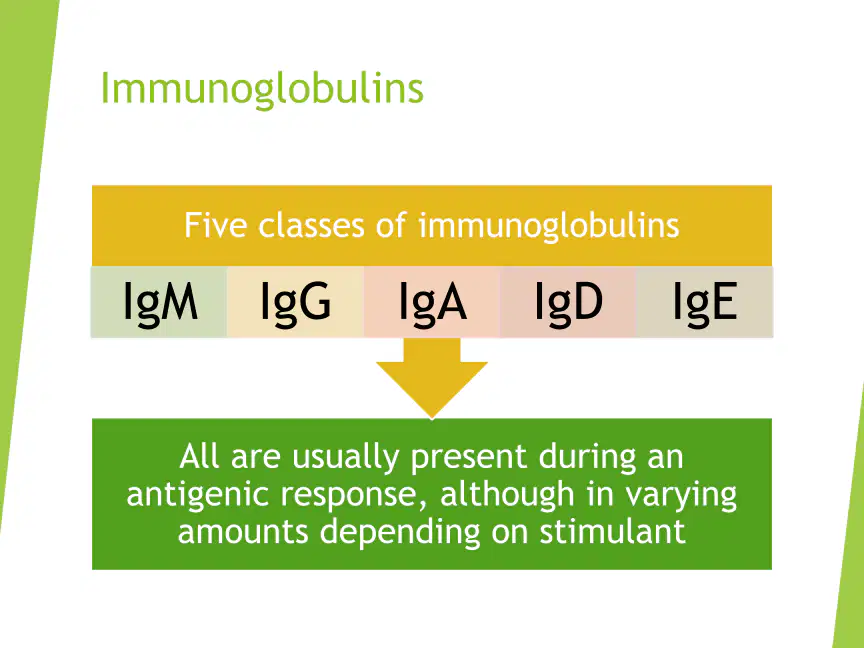
Fill in the Blanks
The five classes of immunoglobulins are IgM, IgG, IgA, IgD, and
15
16
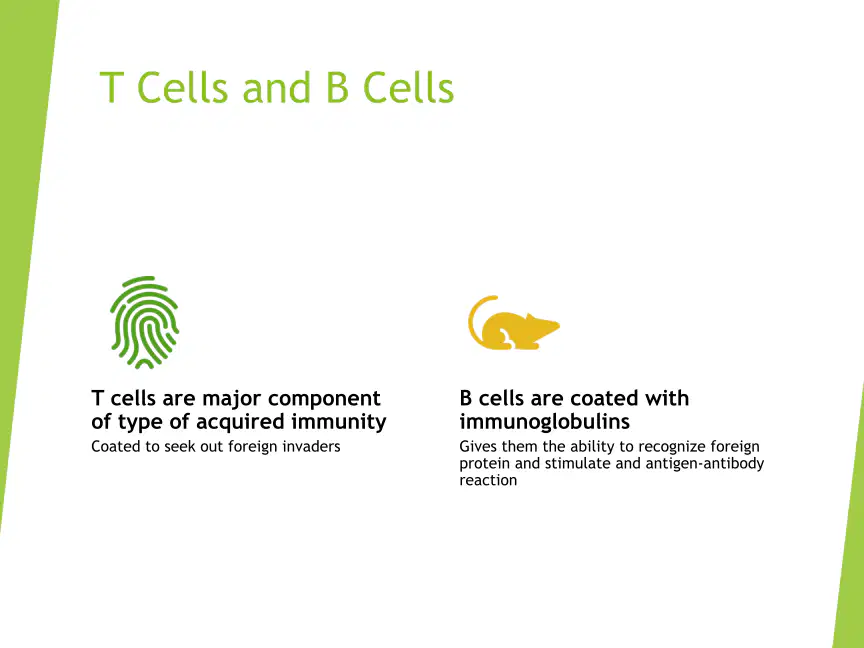
Multiple Choice
What is the main function of B cells in the immune system?
To destroy infected cells directly
To produce immunoglobulins that recognize foreign proteins
To engulf pathogens
To activate the complement system
17

18
Multiple Choice
Which of the following best describes the role of the antigen-antibody complex in immunity?
It inactivates the pathogen and stimulates phagocytosis
It produces antibodies directly
It destroys red blood cells
It activates only B-cells
19

20
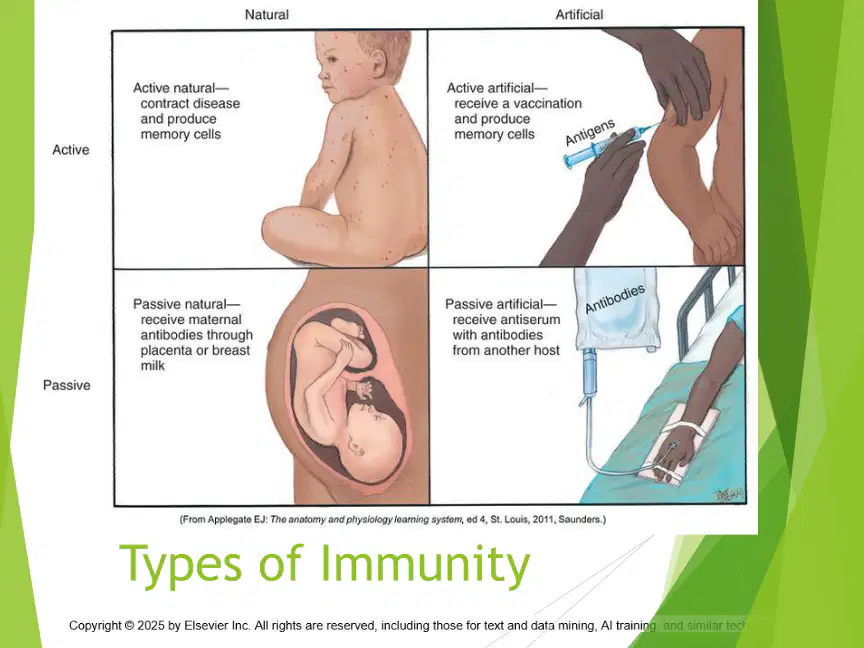
Multiple Choice
Explain the difference between active and passive immunity, providing an example of each.
21
22
Multiple Select
Which of the following are types of passive immunity?
Receiving maternal antibodies through placenta or breast milk
Receiving a vaccination and producing memory cells
Contracting a disease and producing memory cells
Receiving antiserum with antibodies from another host
23
24
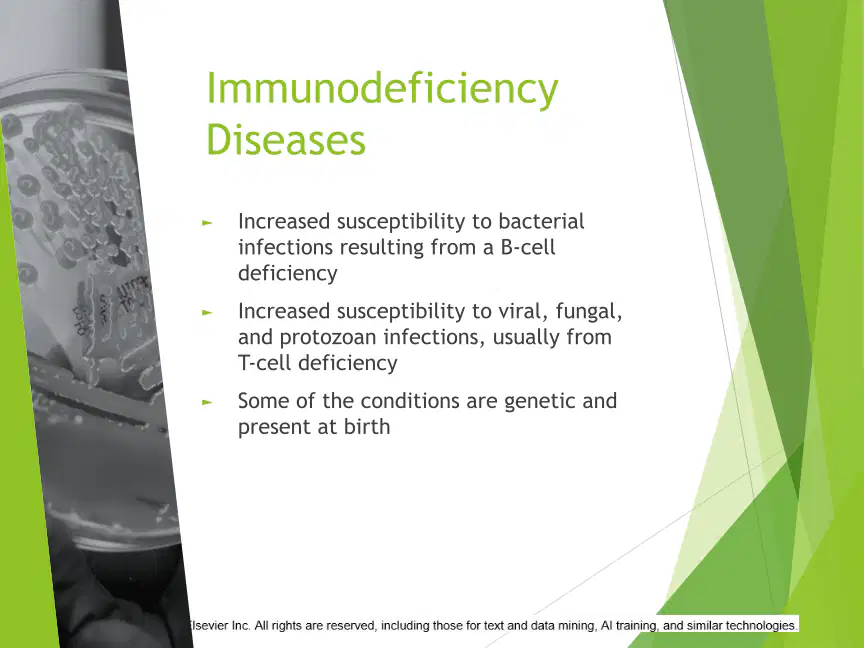
Fill in the Blanks
Increased susceptibility to bacterial infections can result from a deficiency in
25

26
Open Ended
Describe how AIDS affects the immune system and list two common symptoms experienced by patients.
27
28
Multiple Select
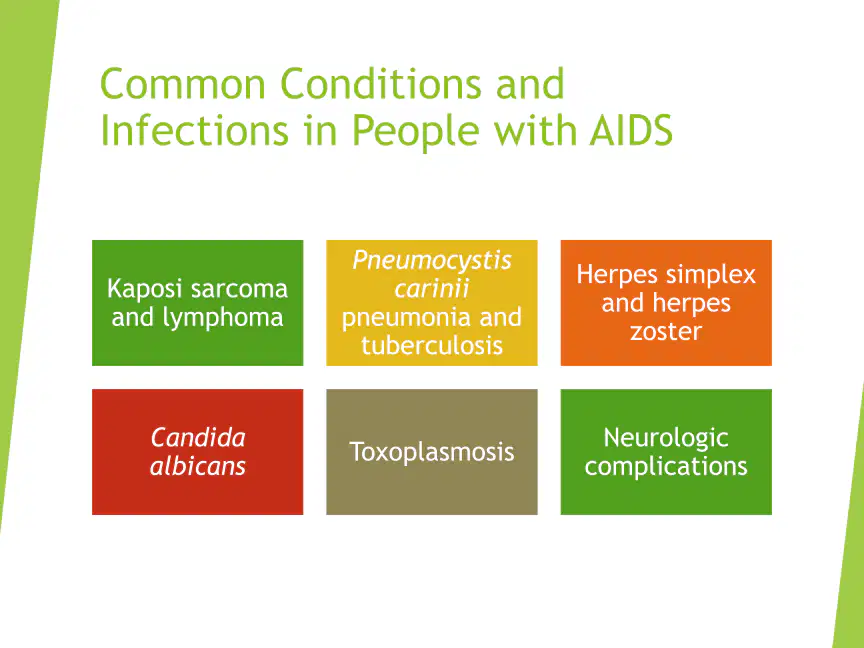
Which of the following are common conditions or infections in people with AIDS?
Kaposi sarcoma and lymphoma
Tetanus
Pneumocystis carinii pneumonia
Neurologic complications
29
30
Multiple Choice
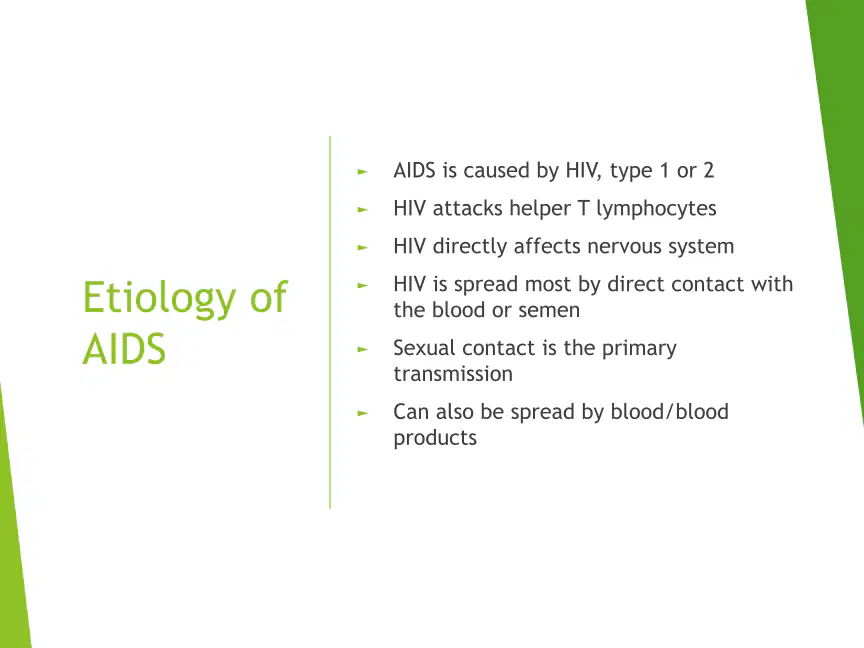
Which of the following is the primary mode of transmission for HIV, the virus that causes AIDS?
Sexual contact
Airborne droplets
Casual contact
Contaminated food
31
32
Multiple Choice
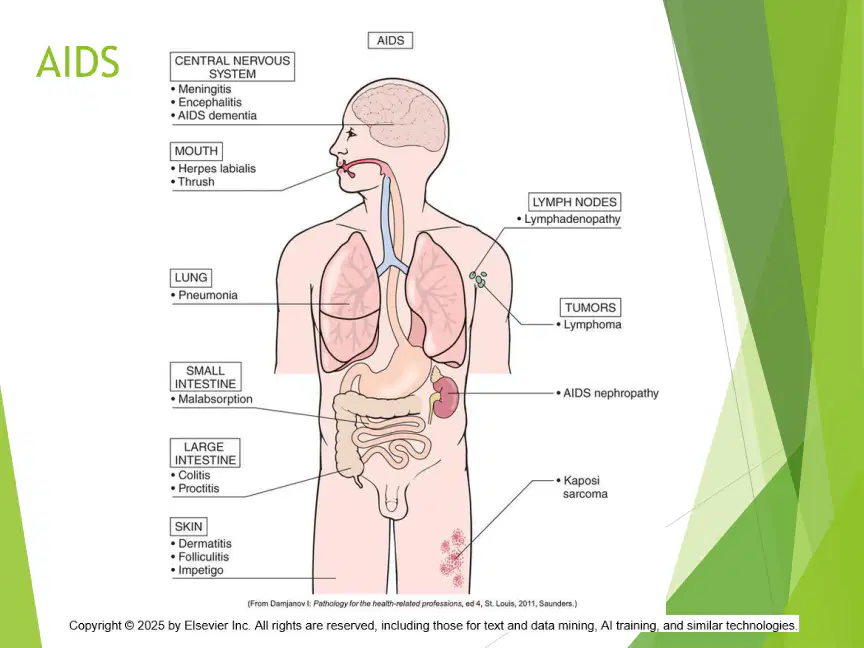
Which organs or systems are commonly affected by AIDS, as shown in the diagram?
Central nervous system, lungs, skin, lymph nodes
Heart, pancreas, bones, eyes
Kidneys, liver, spleen, muscles
Stomach, bladder, ears, nose
33
34
Multiple Choice
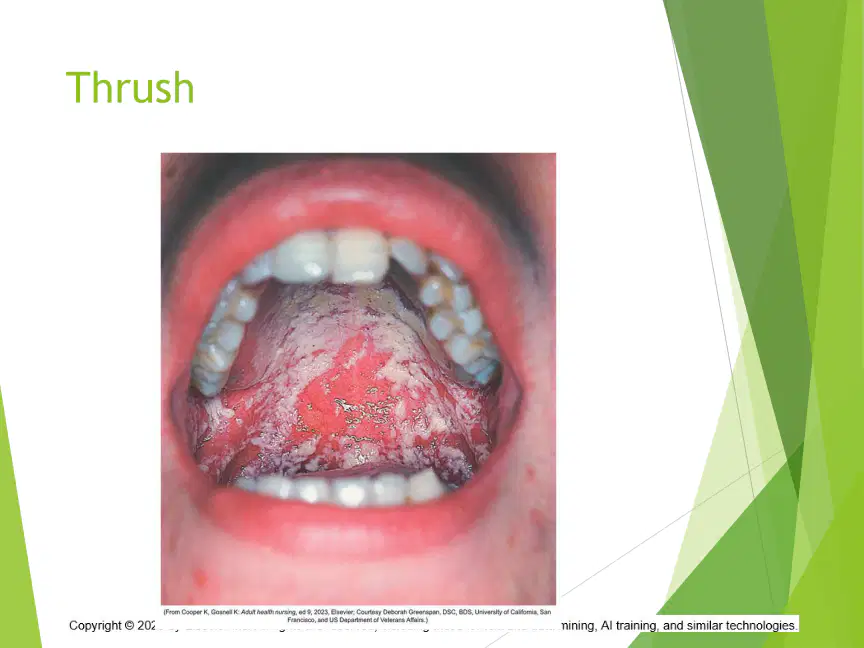
Describe the oral manifestation seen in AIDS patients as shown in the image. What is its clinical significance?
35

36
Fill in the Blanks
Fill in the blank: Periodic measurement of the number of CD4 T cells and the amount of
Type answer...
37
38
Multiple Choice
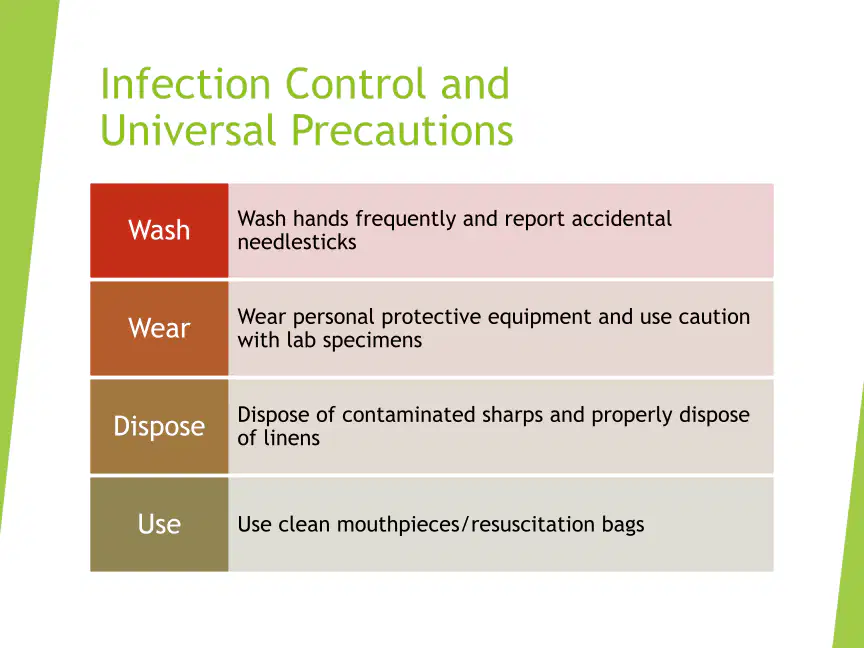
Explain why it is important for healthcare practitioners to follow infection control protocols when treating patients with AIDS. Use information from the slides to support your answer.
39
Multiple Select
Which of the following are recommended infection control and universal precautions for healthcare practitioners when dealing with AIDS patients?
Wash hands frequently
Wear personal protective equipment
Dispose of contaminated sharps properly
Use unsterilized mouthpieces
40
41
42
Multiple Choice
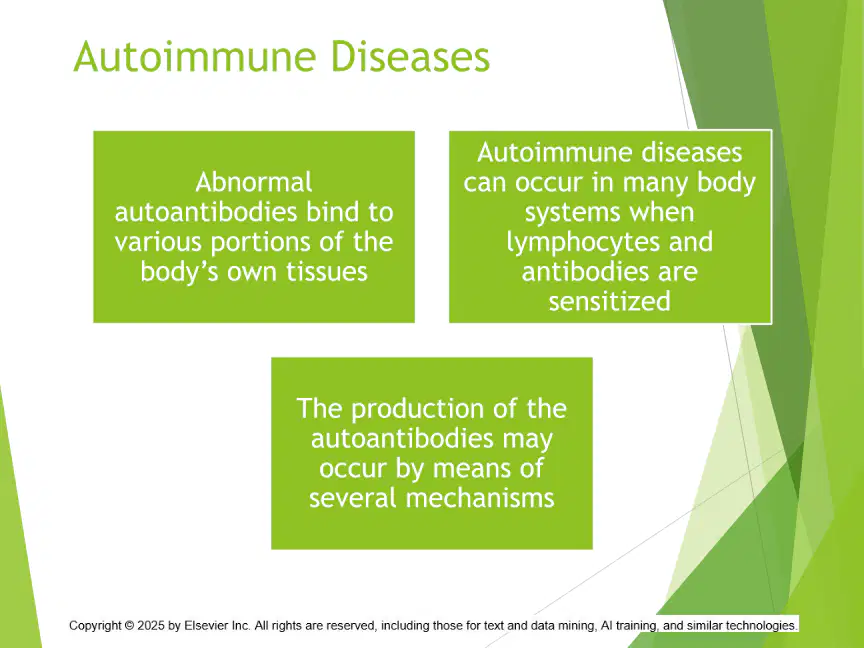
Which of the following best describes an autoimmune disease?
A disease where abnormal autoantibodies bind to the body's own tissues
A disease caused by bacteria attacking the body
A disease where the immune system ignores foreign invaders
A disease that only affects the skin
43
44
Multiple Choice
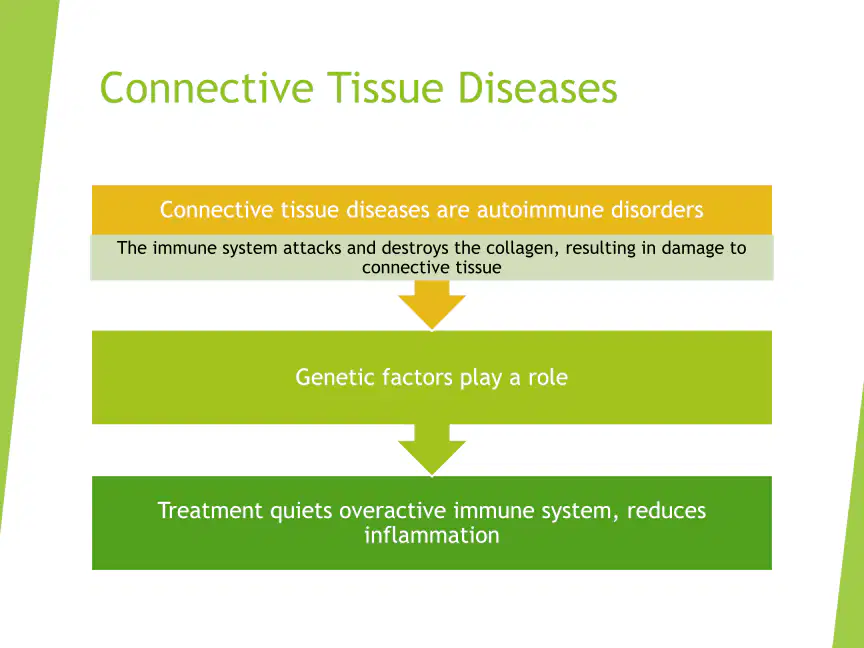
Explain how genetic factors and immune system activity contribute to the development and treatment of connective tissue diseases.
45
Multiple Select
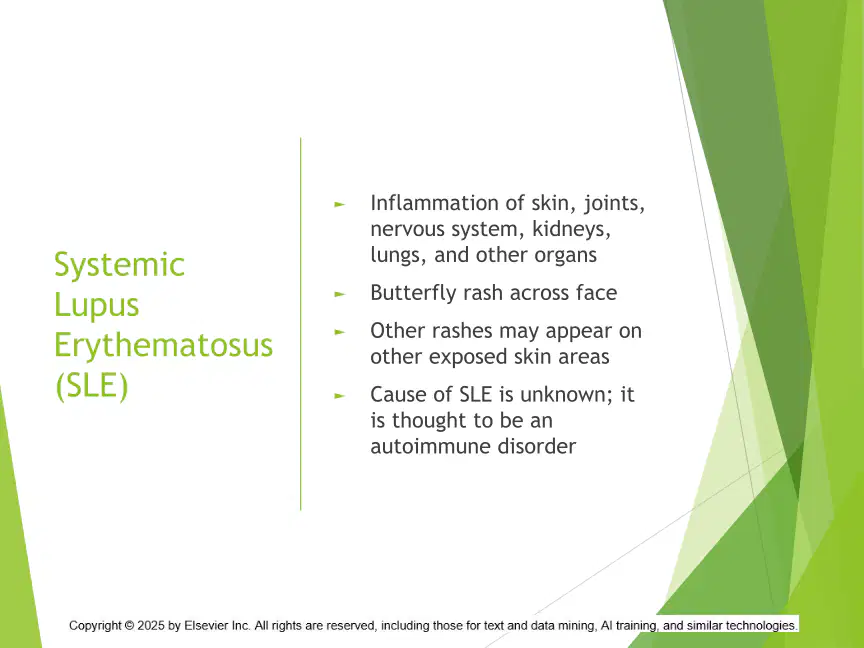
Which of the following statements about connective tissue diseases are correct?
They are autoimmune disorders
They involve the immune system attacking collagen
Genetic factors may play a role
They are always caused by infections
46
47
Multiple Choice
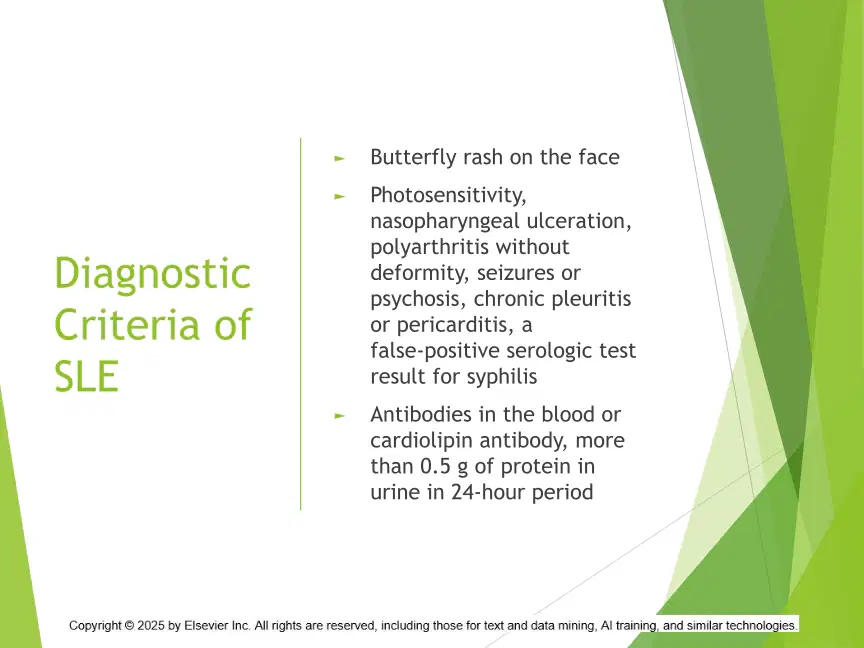
Which symptom is most characteristic of systemic lupus erythematosus (SLE)?
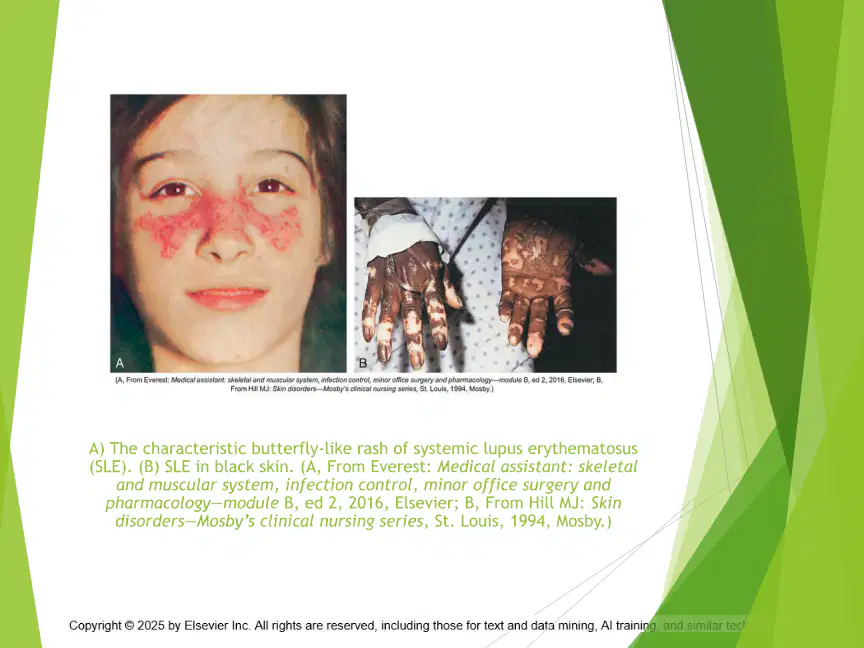
Butterfly rash across the face
Chronic cough
Hair loss
Frequent headaches
48
49
50
Fill in the Blanks
The butterfly rash seen in SLE typically appears on the
51

52
Multiple Choice
Which of the following medications is commonly used to control skin involvement and arthralgia in SLE?
Antimalarial agents
Antibiotics
Antifungal drugs
Antiviral drugs
53
54

55

56
57
58
59
60
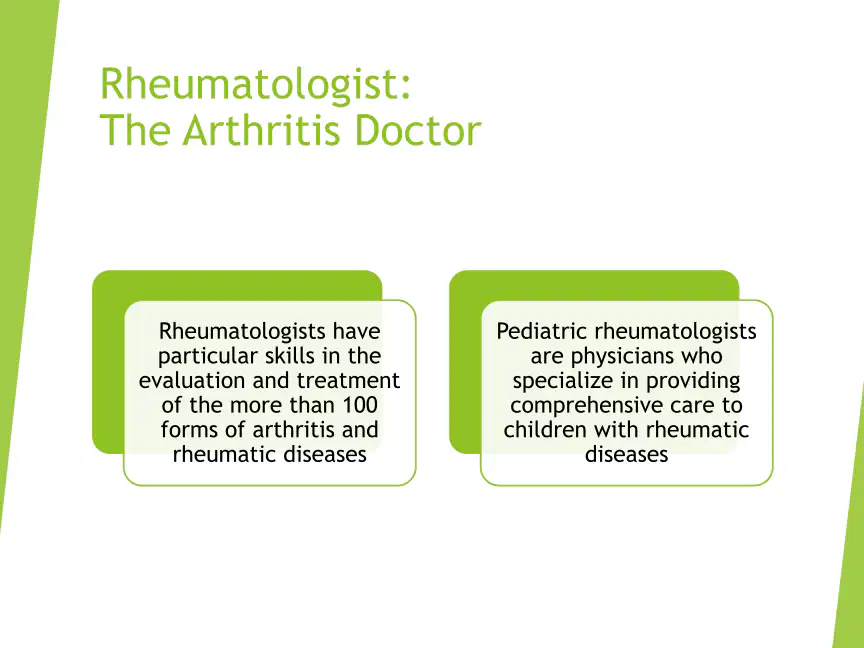
Multiple Choice
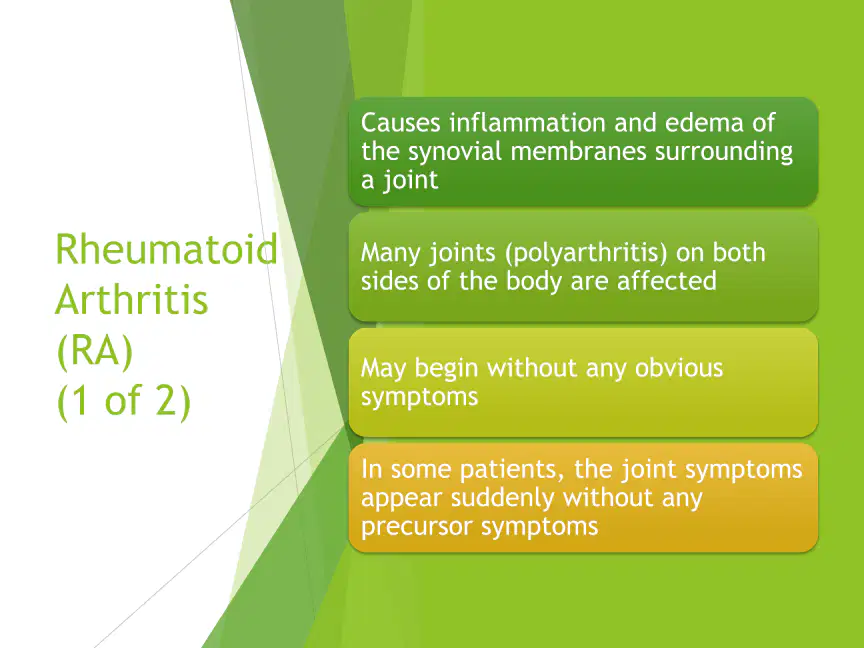
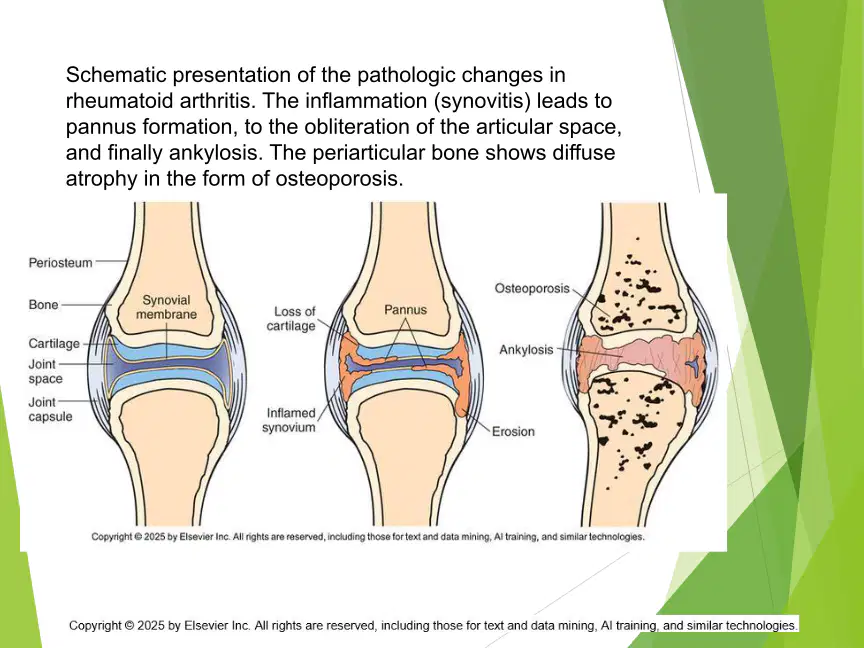
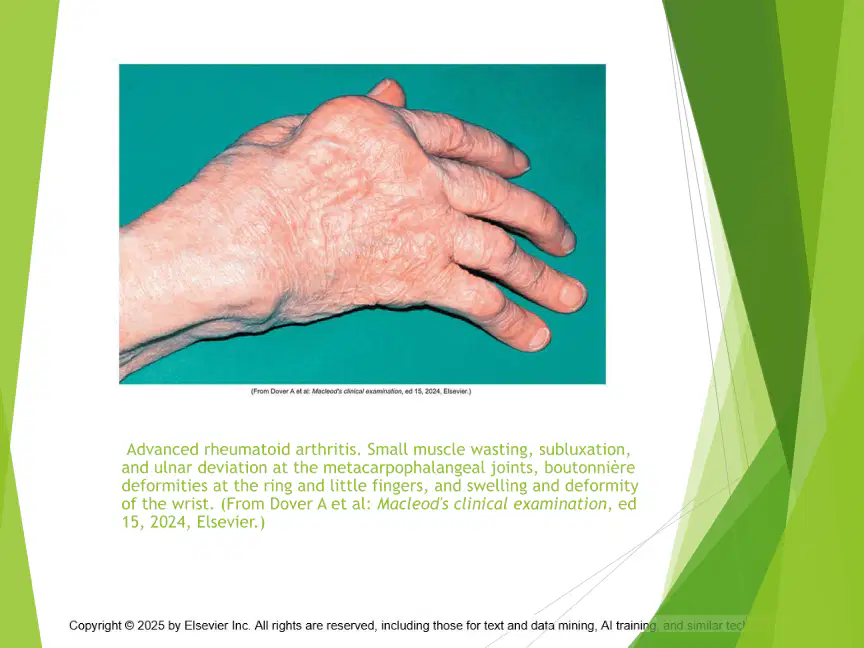
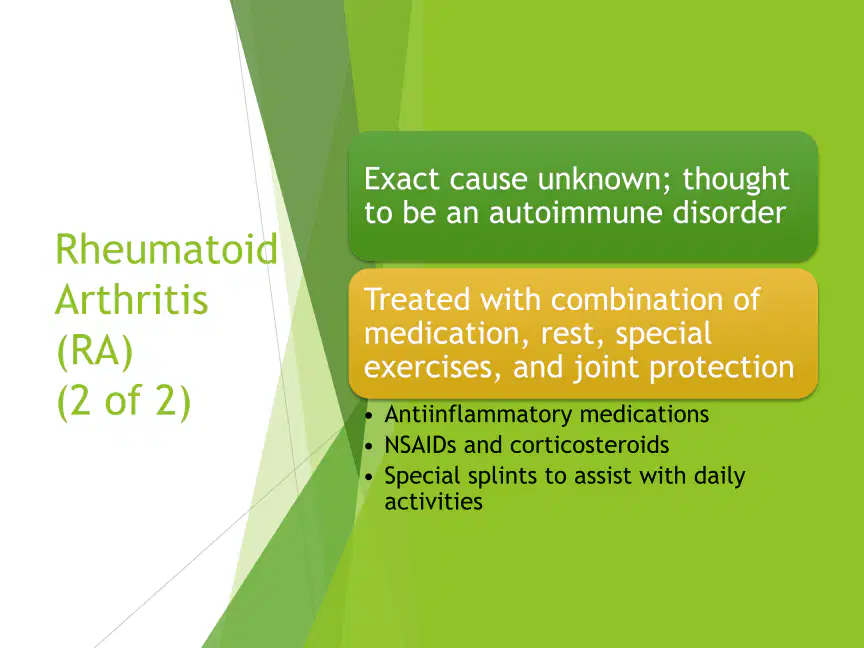
What is rheumatoid arthritis?
61
62
63
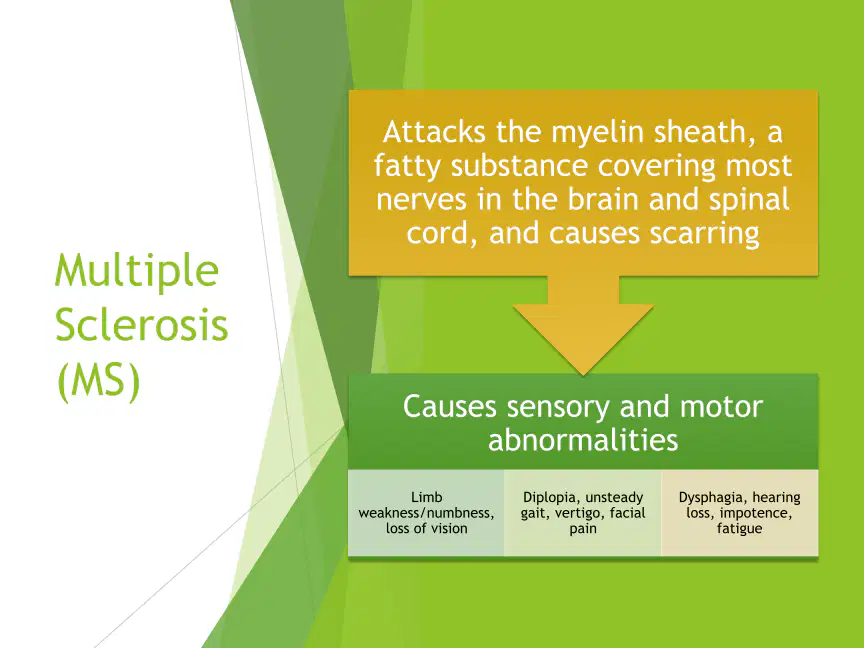
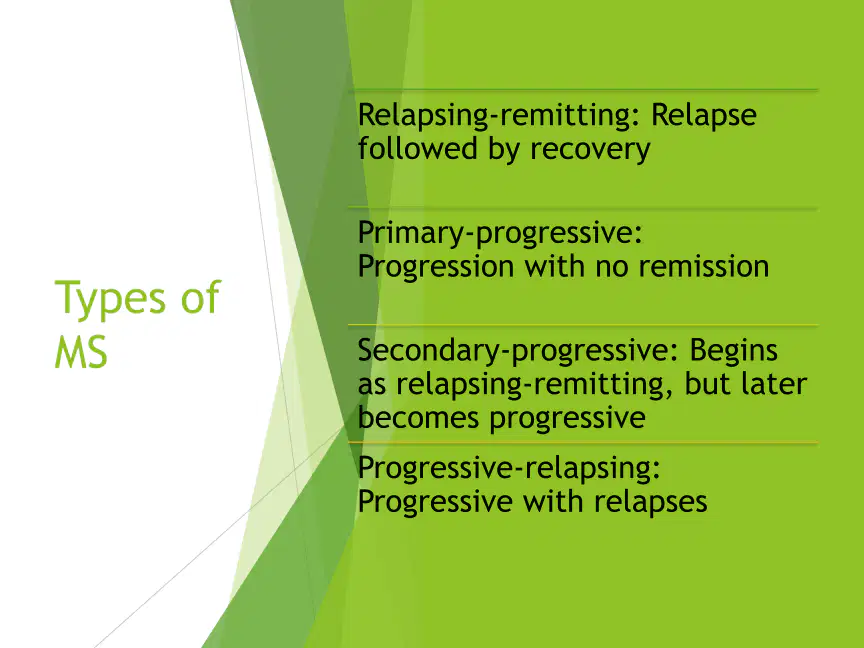
Multiple Choice
Common signs/symptoms of multiple sclerosis
64
65

66
67
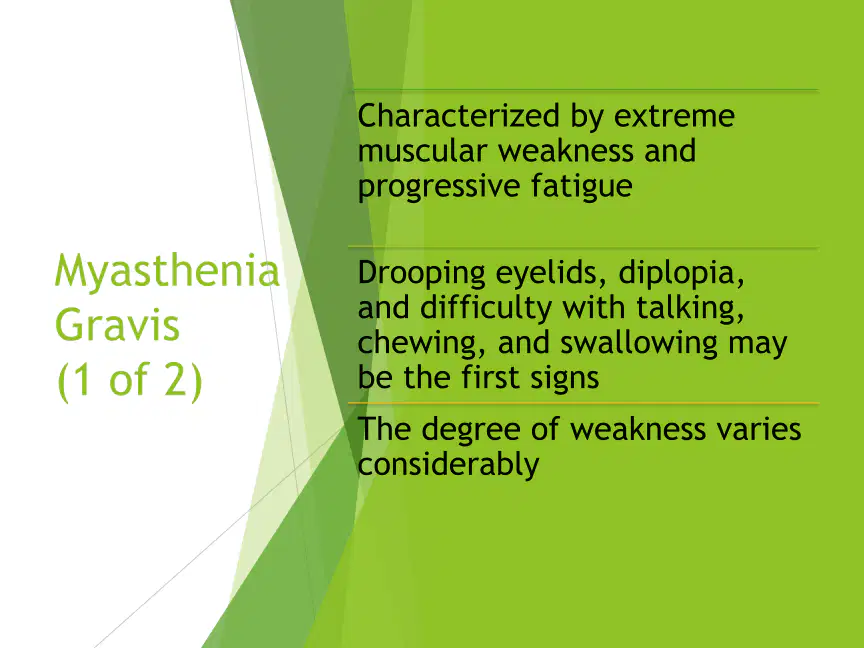
Multiple Choice
Common signs/symptoms of Myasthenia Gravis
68

69
Multiple Choice
Reflecting on what you have learned about the immune system, how do the different anatomical components work together to maintain immunocompetence?
70
Multiple Choice
Which of the following are considered primary lymphoid tissues in the immune system?
Thymus and bone marrow
Tonsils and adenoids
Spleen and appendix
Peyer patches and spleen
Show answer
Auto Play
Slide 1 / 70
SLIDE
Similar Resources on Wayground

67 questions
MT Lesson 2
Presentation
•
University
66 questions
OPERATING SYSTEM - (WINDOWS)
Presentation
•
University
65 questions
CPhT Week 8 Kickoff
Presentation
•
KG - University
64 questions
Participation Development Positive Masculinity
Presentation
•
KG - University
65 questions
Common Connection Interfaces
Presentation
•
University
64 questions
pre intermediate II - unit = 06-07 review
Presentation
•
University
65 questions
ASP Materi 1 KARAKTERISTIK & LINGKUNGAN SEKTOR PUBLIK
Presentation
•
University
65 questions
Cellular Replication
Presentation
•
12th Grade
Popular Resources on Wayground
10 questions
Safety Day 2026 – Student Review

Quiz
•
9th Grade
21 questions
Continents and Oceans
Quiz
•
6th Grade
20 questions
Parts of Speech
Quiz
•
5th Grade
16 questions
Subject & Predicate
Quiz
•
5th Grade
25 questions
Multiplication Facts
Quiz
•
5th Grade
12 questions
Map Skills
Quiz
•
3rd Grade
22 questions
Continents and Oceans
Quiz
•
5th Grade
15 questions
Rounding Decimals
Quiz
•
5th Grade