
Law of Conservation of Mass - Lesson 7.2.1

Presentation
•
Science
•
7th Grade
•
Practice Problem
•
Medium
Standards-aligned

Laura O'Neill
Used 5+ times
FREE Resource
13 Slides • 4 Questions
1
Lesson 7.2.1
By Laura O'Neill
2
Dropdown
3
chemical - a substance with a specific composition
equation - math statement that shows two sides are equal
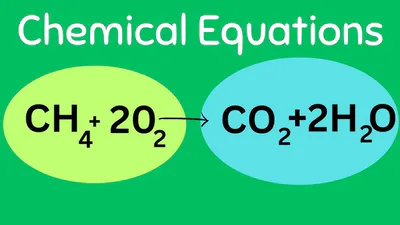
A model of a chemical reaction that uses element symbols to show what happens.
Chemical Equation
Law - a sta2tement about a phenomenon that implies a cause and effect between observed objects. Many times it is mathematical like: E=mc
conservation - conserve - save or prevent
Mass - amount of matter in an object
A scientific principle stating that mass cannot be created or destroyed.
Law of Conservation of Mass
4
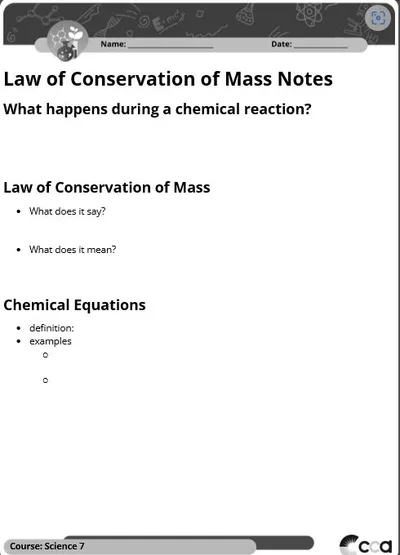
Notebook
Page 146
5
Open Ended
What happens during a chemical reaction?
6
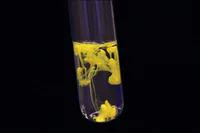
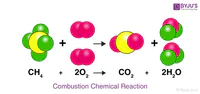
A chemical change occurs and creates a new substance.
During the chemical reaction, the atoms get rearranged to form something new.
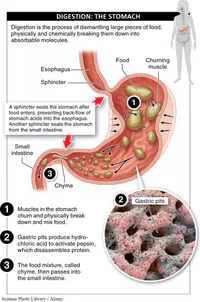
It can happen anywhere!
Even your stomach.
7
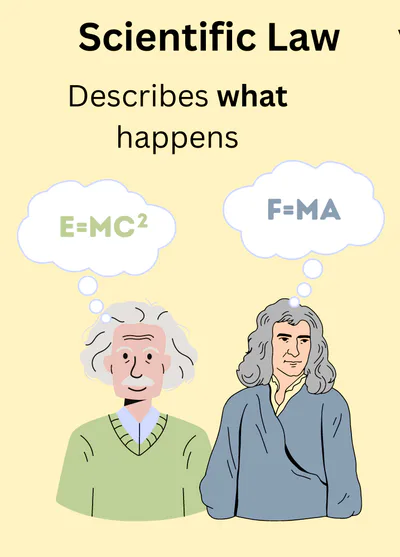
A scientific Law is:
- something in nature that scientists notice
- it always seems to be true
- it is supported by lots of observations
Remember....
8
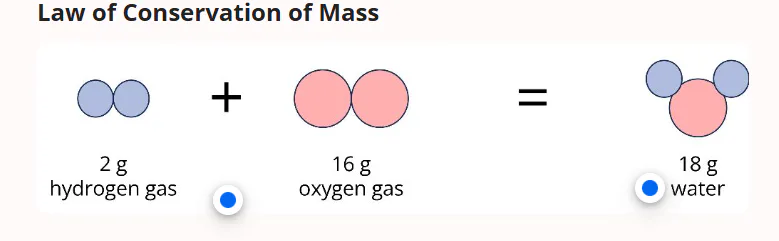
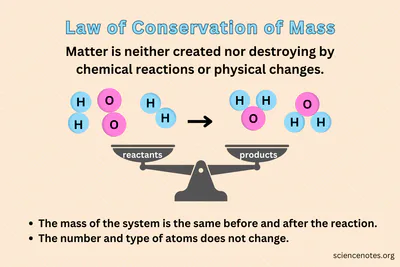
Matter cannot be created or destroyed.
The amount of matter in a system stays constant during a chemical change.
See formation of water below!
Notice that there is 2g of H and 16g of O that forms 18g of water.
2 + 16 = 18
9
Multiple Choice
Sometimes mass is created during a chemical reaction.
True
False
10

C4H8O2
How many?
Carbon =
Hydrogen =
Oxygen =
Let's Review Formulas
11
NO2
Al2(SO4)3
Formulas
How Many?
Nitrogen =
Oxygen =
How many?
Aluminum =
Sulfur =
Oxygen =
12
13
14
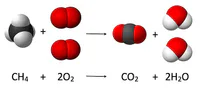
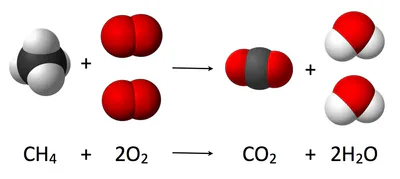
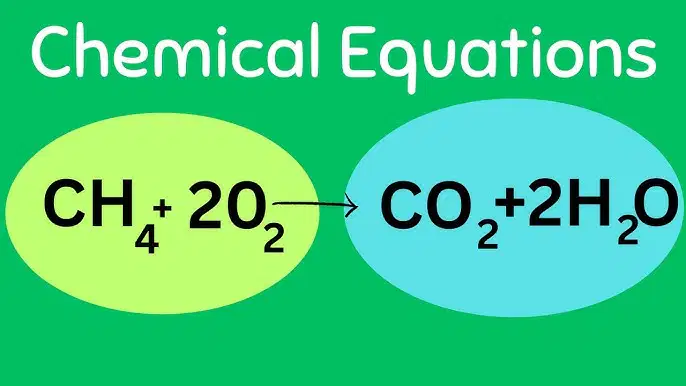
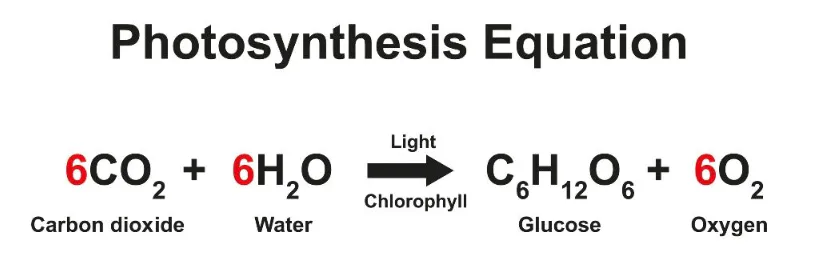
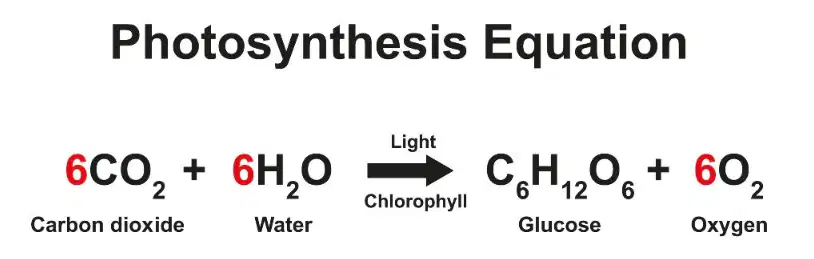
The arrow is like the equal sign in a math equation.
There are Carbon, Oxygen, and Hydrogen atoms on BOTH sides of the arrow.
They are remixed to form new compounds but there are no new elements added.
This supports the Law of Conservation of Mass!
15
16
Multiple Choice
The beginning of the chemical equation is: 6CO2 + 6H2O -> ___
There are 6 atoms of carbon in the first half of the equation, so how many will be on the right?
2
3
6
12
17

See you Monday for Chemical Equations!
Lesson 7.2.1
By Laura O'Neill
Show answer
Auto Play
Slide 1 / 17
SLIDE
Similar Resources on Wayground

12 questions
Revisit: Volcanos!
Presentation
•
7th Grade
16 questions
What is a Mineral?
Presentation
•
7th Grade
16 questions
Human Impact on Water
Presentation
•
7th Grade
13 questions
Frog Dissections
Presentation
•
7th Grade
12 questions
Qualitative vs Quantitative Observations
Presentation
•
7th Grade
12 questions
Biotechnology - GMO - 1/5/2020
Presentation
•
6th - 7th Grade
15 questions
Listening to Earth
Presentation
•
7th Grade
12 questions
Geologic Time
Presentation
•
7th Grade
Popular Resources on Wayground
10 questions
Safety Day 2026 – Student Review

Quiz
•
9th Grade
21 questions
Continents and Oceans
Quiz
•
6th Grade
20 questions
Parts of Speech
Quiz
•
5th Grade
16 questions
Subject & Predicate
Quiz
•
5th Grade
25 questions
Multiplication Facts
Quiz
•
5th Grade
12 questions
Map Skills
Quiz
•
3rd Grade
22 questions
Continents and Oceans
Quiz
•
5th Grade
15 questions
Rounding Decimals
Quiz
•
5th Grade
Discover more resources for Science
10 questions
Exploring Chemical and Physical Changes

Interactive video
•
6th - 10th Grade
14 questions
Week 1 Falcon Flex Fast and Curious
Quiz
•
7th Grade
42 questions
Explore Plate Tectonics and Boundaries
Quiz
•
7th Grade
21 questions
Waves and Wave Properties
Quiz
•
6th - 8th Grade
16 questions
Photosynthesis and Cellular Respiration Review
Quiz
•
7th Grade
20 questions
Food Webs + Energy Pyramids
Quiz
•
7th Grade
9 questions
Biology: Cell Structure
Interactive video
•
7th Grade
8 questions
Diffusion and Osmosis Review
Presentation
•
6th - 8th Grade