

Culture

Presentation
•
Social Studies
•
6th - 8th Grade
•
Practice Problem
•
Easy

Melissa Davis
Used 13+ times
FREE Resource
11 Slides • 4 Questions
1

Use maps to identify the common cultural traits of different regions
Describe elements of surface culture and deep culture using case studies and personal examples
Explain how people learn the culture
Deep Culture
Language Family
Native Speaker
Religion
Surface Culture
Essential Question: What is culture and how do people learn it?
2
Draw
Draw an image of what you think of when you hear the term "American Culture".
3
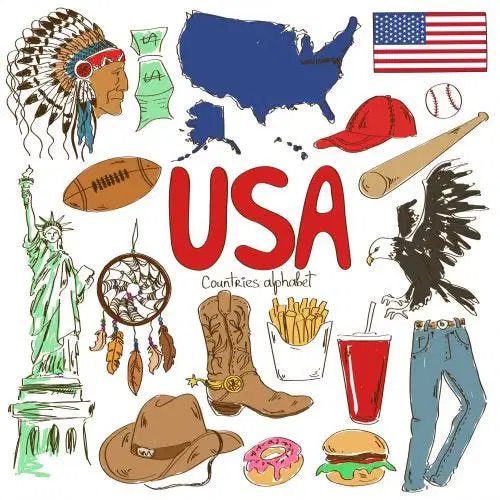
4
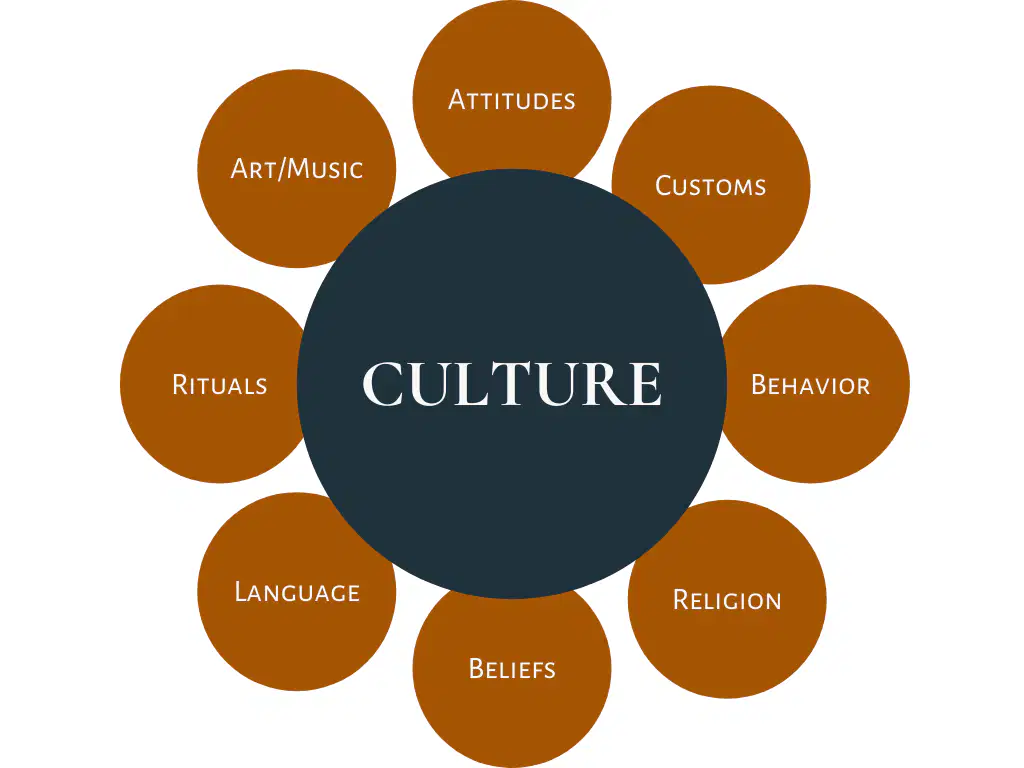
Culture: the shared beliefs, customs and behaviors of a group of people, including language, religion, values, and ways of interacting
Culture influences what people do and how they interact.
Culture impacts the 3T's and how people interact with geography, or how geography affects people.
Example:
The religions and philosophies of Confucianism, Daoism, and Buddhism impact East Asia's history.
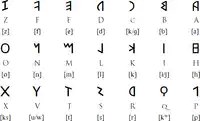
East Asia's writing system has roots in China
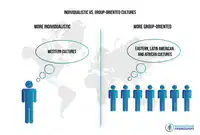
East Asia respects elders and focuses on Group Unity
Christianity impacts Europe's history
European Countries' writing system has roots in Latin
Europe respects independence and personal identity
Not everyone in a culture has the same beliefs, religion, or values. However, geographers group places into cultural regions to help find the similarities and differences in cultures
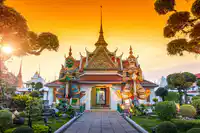
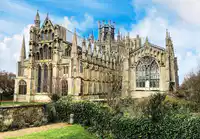
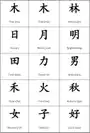

5
Traditions, Foods, etc... are impacted based on the physical geography.
Working
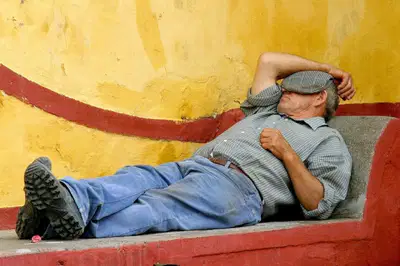
Siesta: short break/nap in warmer locations (Tropics) around the hottest time of the day
Cooking
Tropics region cook food in smaller, cut cubes to lessen cooking time during hot periods
Colder regions cook stews and simmer food so the heat from the stove warms the house


6
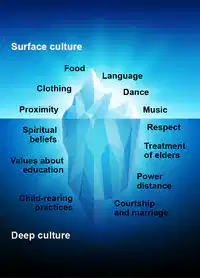
A culture's rules, behaviors, and ways of thinking
Can be learned by detailed conversations or interviews
More complex and subtle
Examples: Manners, Morals, Attitudes, Expectations, Ways of Interacting
Deep Culture
The culture that is easy to observe
Can be learned by looking at a picture or a short conversation
Examples: Dance, Music, Food, Art, Festivals
Surface Cultre
7
Categorize
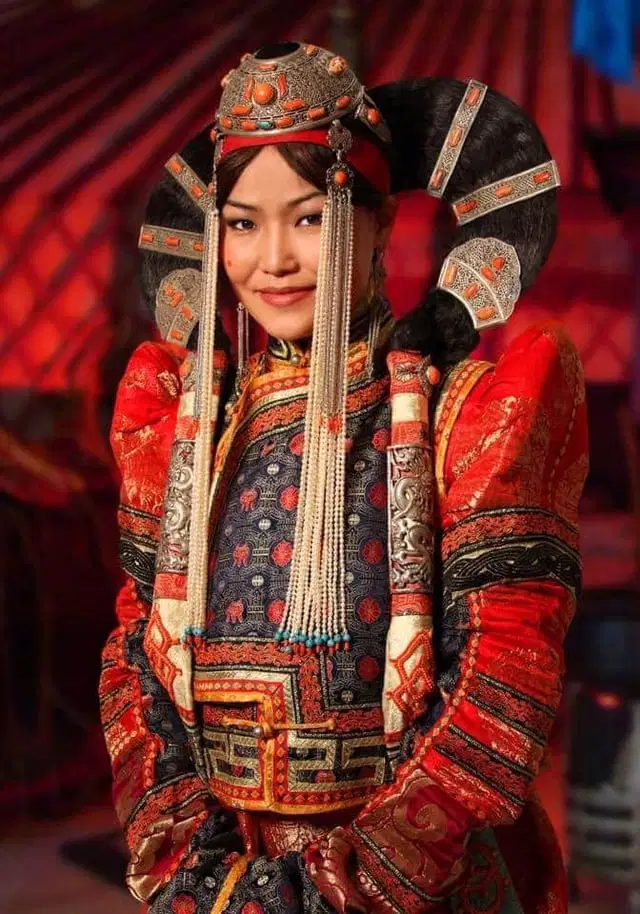
what clothes people wear
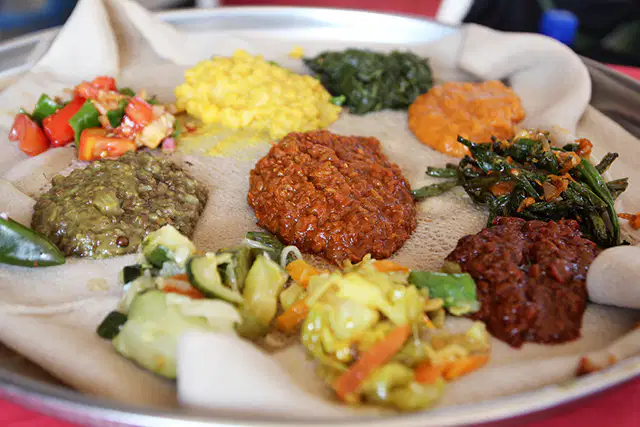
what food people eat
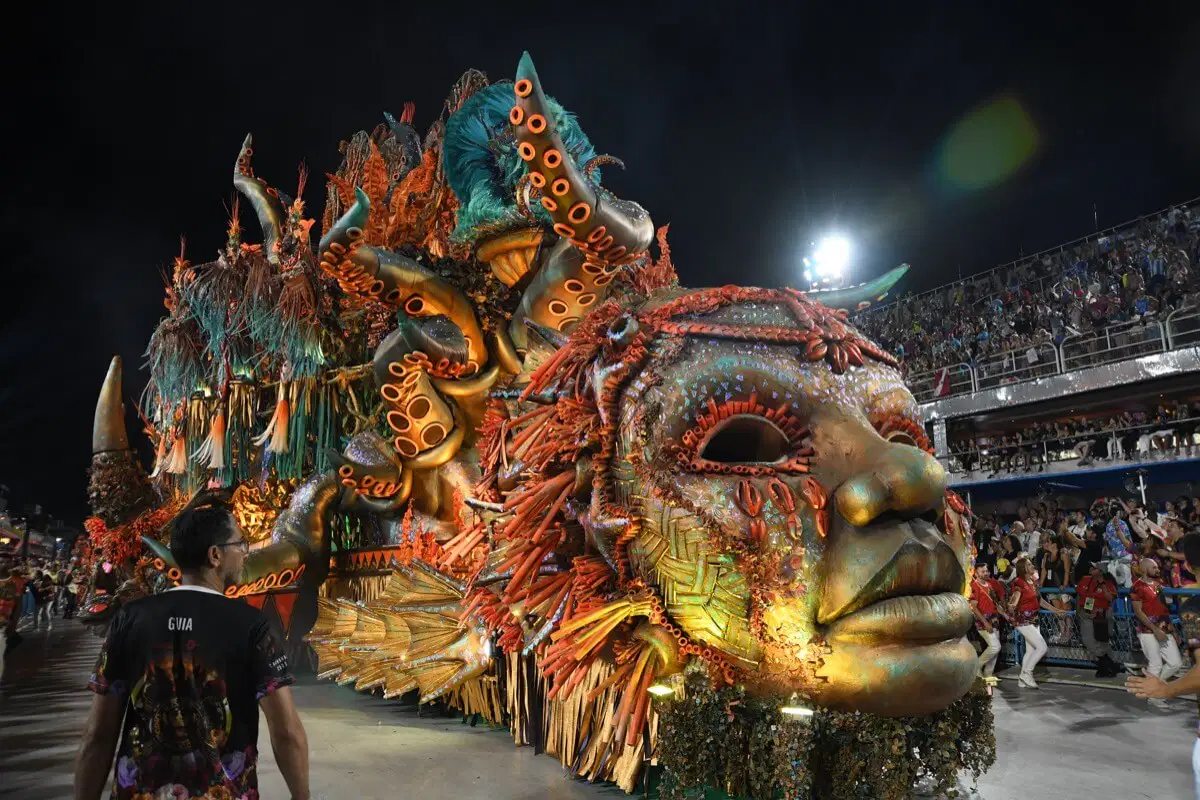
what happens during a celebration
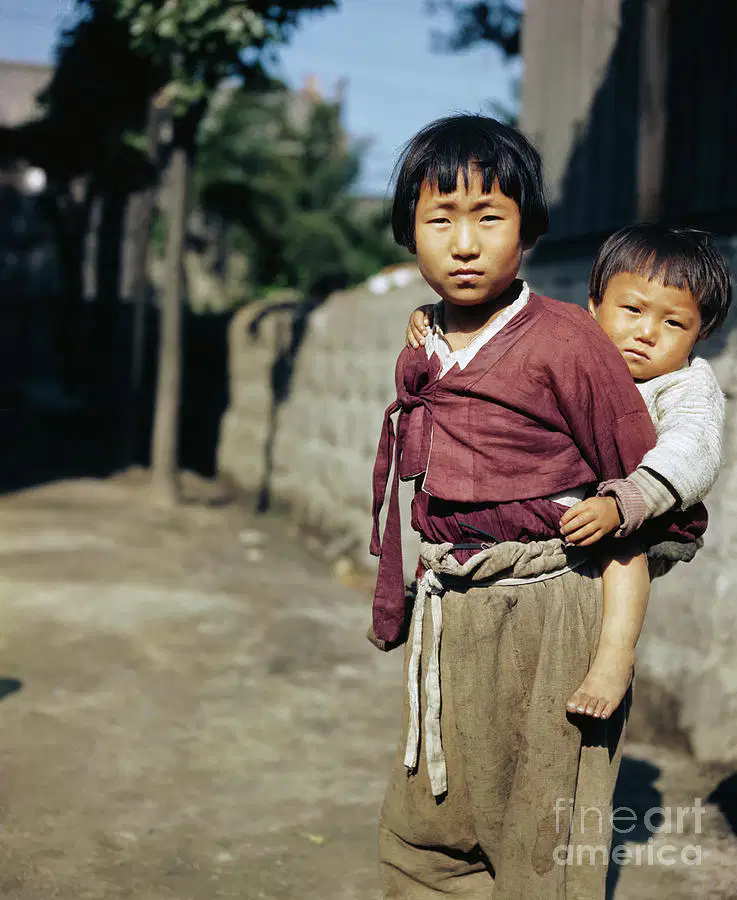
what responsibilities an older sibling has

how people are expected to speak to strangers

what behaviors are considered rude or polite

what actions at a celebration symbolize
Organize these options into the right categories
8
Language is an important part of culture and gives a shared identity, and can make a certain place feel distinct from others.
People use language to share ideas from generation to generation
Language is part of Surface Culture and Deep Culture
Example:
Greek Language has many words for "Love" - (Philia = love between friends)(Storge = Family Love)
Chinese, Japanese, and Korean languages have different words for older and younger siblings (Korean older brother - oppa (Female speaker), Korean older brother - hyeong (male speaker)
Scots have 400 different words for snow (shows precise words to describe the physical geography)
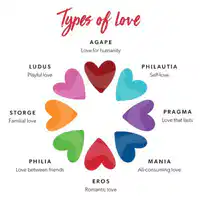

9
Language Family: is a group of languages that come from the same language and might share similar words or pronunciations
Some languages share similar words and pronunciations
Indo-European languages include English, Spanish, French, Russian, and others
13 Different language groups with 7,000 languages worldwide
Some languages are small and only have a few thousand speakers and are endangered of disappearing
Native Speakers: people who have learned the language since birth
English Language
1.5 Billion people speak English
Most English speakers learn English as a second language
English is used in global trade and business


10
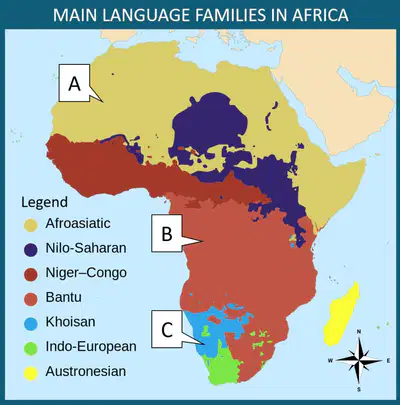
What are some things you notice about the main language families in Africa?
11
Religion: a system of beliefs and practices, especially related to beliefs about one or more gods
Religion is an important part of culture
Deep Culture Religion...
Explain how people (in that religion) should live their lives
Explain the difference (in that religion) between right and wrong
Teach ideas about god or gods
Shapes how people (in that religion) live their daily lives and how they behave
Surface Culture Religion
observed in celebrations, festivals, and important days of observance
Religion and Population
Not every citizen in a country belongs to one religion but in some countries, religion creates laws that all citizens must follow
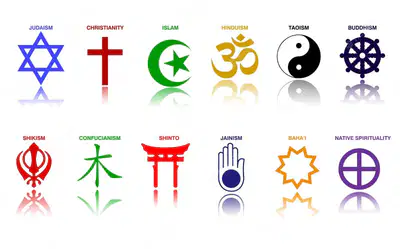
Some cultures are easy to see, such as architecture or clothing, but other cultures can be harder to identify, such as ideas or values.
12
Religions and the Landscape
Physical Geography can impact culture.
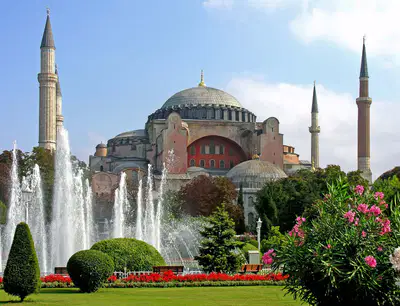
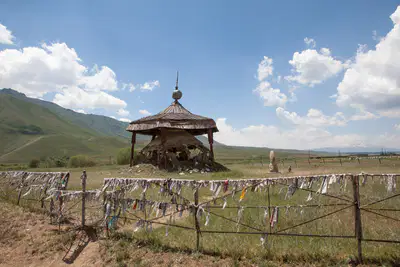
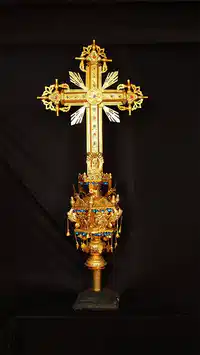
Religions Impact on Physical Geography
Building places of worship
Resources used to make religious items
Sacred Sites: places that are considered holy or very important

13
Match

Locate each of these regions on the map. Then, match the region to the majority world religion for that region.
South America
North America
South Asia
Southeast Asia
Christianity
Islam
Hinduism
Buddhism
Christianity
Islam
Hinduism
Buddhism
14
Culture is learned in different ways/places
Family - Adults teach right and wrong and how to interact with others
Schools - Teach Behavior (communication), values (assignments allow students to express themselves), and learning from the past to improve the future
Community - Teach acceptable behavior by observing others, practicing traditions, and acting or talking similarly to those around you
Media - Spreads ideas (TV and Movie roles), News, and Surface Culture
Culture is different in different places




15
Open Ended
Share one way that you have learned culture from one of the following: Family, school, community, media?
Use maps to identify the common cultural traits of different regions
Describe elements of surface culture and deep culture using case studies and personal examples
Explain how people learn the culture
Deep Culture
Language Family
Native Speaker
Religion
Surface Culture
Essential Question: What is culture and how do people learn it?
Show answer
Auto Play
Slide 1 / 15
SLIDE
Similar Resources on Wayground

11 questions
Ch. 12 - Lesson 2 ~ "Rome's Decline"
Presentation
•
6th - 7th Grade
14 questions
The Court Vocabulary
Presentation
•
6th - 8th Grade
12 questions
Middle East and North Africa Physical Geography
Presentation
•
7th Grade
10 questions
Variables
Presentation
•
6th - 8th Grade
10 questions
12-3 Composite Figures
Presentation
•
6th - 8th Grade
12 questions
After the Revolution
Presentation
•
5th - 8th Grade
10 questions
Revolutionary War
Presentation
•
6th - 8th Grade
11 questions
La Salle
Presentation
•
7th Grade
Popular Resources on Wayground
10 questions
Safety Day 2026 – Student Review

Quiz
•
9th Grade
21 questions
Continents and Oceans
Quiz
•
6th Grade
20 questions
Parts of Speech
Quiz
•
5th Grade
16 questions
Subject & Predicate
Quiz
•
5th Grade
25 questions
Multiplication Facts
Quiz
•
5th Grade
12 questions
Map Skills
Quiz
•
3rd Grade
22 questions
Continents and Oceans
Quiz
•
5th Grade
15 questions
Rounding Decimals
Quiz
•
5th Grade
Discover more resources for Social Studies
19 questions
Foundations of America
Quiz
•
6th - 8th Grade
5 questions
Mesopotamia Video Quiz

Interactive video
•
6th Grade
10 questions
Exploring the Age of Exploration: Key Events and Figures
Interactive video
•
6th - 10th Grade
20 questions
Articles of Confederation
Quiz
•
8th Grade
15 questions
Middle Ages of the Middle East Vocab List (CFA #2)
Quiz
•
6th - 8th Grade
13 questions
Ancient Egypt
Interactive video
•
6th Grade
10 questions
13 Colonies: Comparing Regions
Quiz
•
7th Grade
26 questions
SW Asia History
Quiz
•
7th Grade