

Unit 5 ARROWS

Presentation
•
History
•
11th Grade
•
Practice Problem
•
Easy

Timothy Richmond
Used 5+ times
FREE Resource
6 Slides • 8 Questions
1

2
Match
Match the following
16th Amendment
17th Amendment
18th Amendment
19th Amendment
Income tax
Direct election of senators
Prohibition
Women's suffrage
Income tax
Direct election of senators
Prohibition
Women's suffrage
3

4
Multiple Choice
What was one of the main goals of progressive reformers during the early twentieth century?
5
Multiple Choice
The initiative and referendum are considered democratic reforms because they (SSUSH13d)
Permit citizens to have a more direct role
in lawmaking
Extend the right to vote to 18-year-old
citizens
Let all registered voters select their
state’s presidential electors
Allow residents of one state to bring
lawsuits against residents of another state
6
Multiple Choice
7
8
Categorize
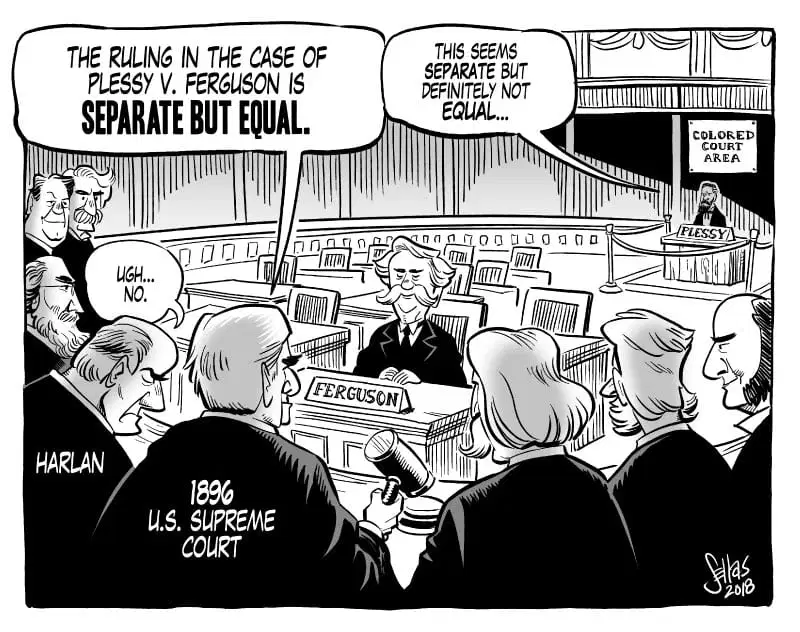
Founding of the NAACP
Establishment of the Civil Rights Movement
Legal Challenges to Segregation Laws
Establishment of Separate but Equal Doctrine
Segregation in Public Facilities
Racial Discrimination in Education
Increased Racial Tensions
Violations of Civil Rights
Jim Crow laws expanded
Legalization of racial segregation
9
10
Multiple Choice
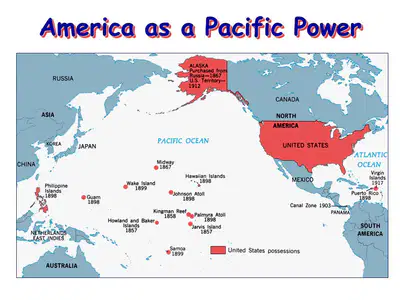
What terretories did the United States acquire as a result of the Spanish American War?
11

12
Multiple Choice
How might the United States' behavior during the Spanish-American War be seen as contradictory?
13

Anti-imperialists believed taking over other countries was wrong because it went against America's belief in freedom and self-rule.
Imperialists vs. Anti-Imperialists
14
Categorize
Involving ourselves in other countries' affairs goes against true American values.
America's destiny is to lead and uplift other nations.
Forcing our way of life on others is unjust and not what our country stands for.
Respecting the sovereignty of other nations is essential for global peace and cooperation.
Intervening in other countries' affairs only leads to resentment and conflict.
Imperialism undermines the self-determination of other nations and their people.
Exploiting other countries for our own gain is unethical and harmful.
Resisting imperialism is a moral duty for all citizens of a free nation.
Supporting imperialism contradicts the principles of democracy and freedom.
Expanding our influence and power is necessary for the prosperity of our nation.
Spreading our values and way of life to other nations is a noble endeavor.
Bringing civilization and progress to less developed nations is our responsibility.
Establishing colonies and territories abroad is beneficial for our economic growth.
Exercising control over other nations is a sign of our strength and superiority.
Intervening in other countries' affairs is justified for the greater good of our nation.
Imperialism is a natural and necessary part of a nation's growth and expansion.
Students will identify and categorize the main arguments of imperialists and anti-imperialists to understand the national debate over American expansionism in the late 19th and early 20th centuries.
Show answer
Auto Play
Slide 1 / 14
SLIDE
Similar Resources on Wayground

9 questions
Postwar Prosperity in America
Presentation
•
11th Grade
11 questions
Materi : Perang Dunia I
Presentation
•
11th Grade
10 questions
Speech to the Second Virginia Convention
Presentation
•
11th Grade
11 questions
Cause and Effect
Presentation
•
11th Grade
11 questions
Native American History: Diversity among the tribes
Presentation
•
11th Grade
11 questions
Andrew Jackson and the Trail of Tears
Presentation
•
11th Grade
11 questions
💻 Unit 9 1960s & Vietnam War Notes pt.1
Presentation
•
11th Grade
10 questions
Algorithm and Flowchart
Presentation
•
11th Grade
Popular Resources on Wayground
10 questions
Safety Day 2026 – Student Review

Quiz
•
9th Grade
21 questions
Continents and Oceans
Quiz
•
6th Grade
20 questions
Parts of Speech
Quiz
•
5th Grade
16 questions
Subject & Predicate
Quiz
•
5th Grade
25 questions
Multiplication Facts
Quiz
•
5th Grade
12 questions
Map Skills
Quiz
•
3rd Grade
22 questions
Continents and Oceans
Quiz
•
5th Grade
15 questions
Rounding Decimals
Quiz
•
5th Grade
Discover more resources for History
15 questions
The Bill of Rights
Quiz
•
8th - 12th Grade
16 questions
Students of Civics Unit 2: The Constitution
Quiz
•
7th - 11th Grade
52 questions
Greece and Rome Review
Quiz
•
10th - 11th Grade
6 questions
Day 19 USH Do Now - US enters WWI
Quiz
•
11th Grade
21 questions
US History Unit 4 EOC Review
Quiz
•
11th Grade
50 questions
AP World Modern Unit 1: Global Tapestry
Quiz
•
10th - 12th Grade
12 questions
CE 2b Early Documents Review
Quiz
•
7th Grade - University