Atomic Structure Guided Lesson
Presentation
•
Science
•
6th - 8th Grade
•
Easy
+20
Standards-aligned
Bobby Menendez
Used 9+ times
FREE Resource
24 Slides • 18 Questions
1
2
3
4
5
6
7
8
9
Multiple Choice
10
Multiple Choice
11
Multiple Choice
12
Multiple Choice
13
Multiple Choice
14
Multiple Choice
15
Multiple Choice
16
Atomic Structure
17
18
19
20
21
22
23
24
25
26
27
28
29
30
31
Match
Match the Following
Element
Atom
Nucleus
Proton
Neutron
A substance that cannot be broken down into simpler substances by chemical means.
The smallest unit of an element that keeps the element’s chemical properties.
The dense center of an atom containing protons and neutrons.
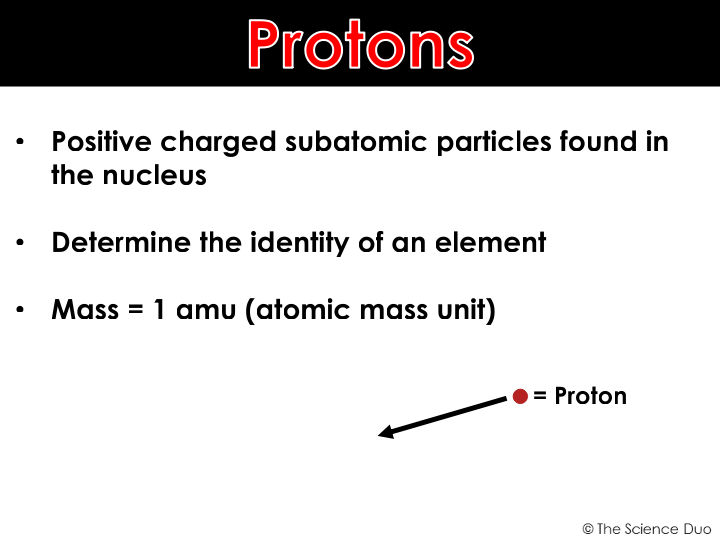
Positively charged particles found in the nucleus of an atom.
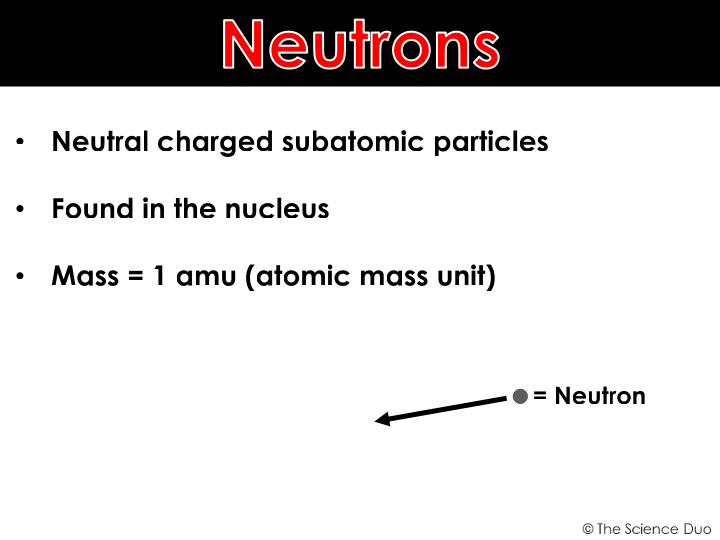
Particles with a neutral charge found in the nucleus of an atom.
A substance that cannot be broken down into simpler substances by chemical means.
The smallest unit of an element that keeps the element’s chemical properties.
The dense center of an atom containing protons and neutrons.
Positively charged particles found in the nucleus of an atom.
Particles with a neutral charge found in the nucleus of an atom.
32
Match
Periodic Table
Family/Group
Period
Atomic Mass/Mass Number
Metal
All known elements arranged in order by atomic number.
Vertical columns of elements that have the same amount of valence electrons.
Horizontal rows of elements that have the same number of electron shells.
The average number of protons and neutrons in one atom of an element.
Elements that are malleable, ductile, and good conductors; typically shiny.
All known elements arranged in order by atomic number.
Vertical columns of elements that have the same amount of valence electrons.
Horizontal rows of elements that have the same number of electron shells.
The average number of protons and neutrons in one atom of an element.
Elements that are malleable, ductile, and good conductors; typically shiny.
33
Labelling
Label the 2 main parts of this Bohr's Model of Neon.
nucleus
electron cloud
34
Labelling
Label the parts of this Bohr's Model of carbon.
Nucleus
Electron
Neutron
Proton
Electron Cloud
35
Check your work.
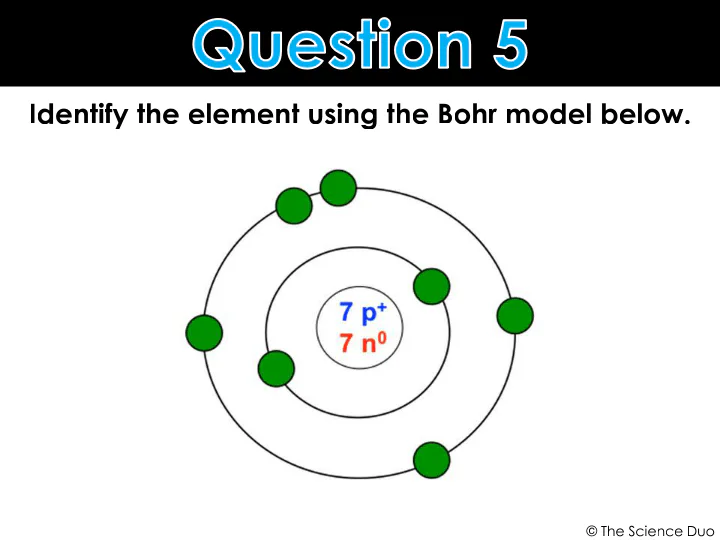
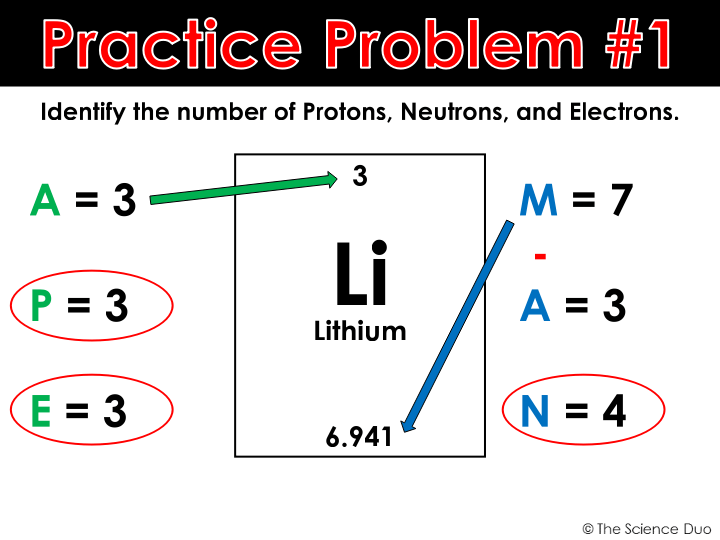
3 negatively charged electrons outside the nucleus in the electron cloud.
3 positively charged protons in the nucleus at the center of the atom.
4 uncharged neutrons in the nucleus at the center of the atom.
36
Multiple Choice
37
Multiple Choice
38
Multiple Choice
39
Match
Match the Following
Element
Atom
Nucleus
Proton
Neutron
A substance that cannot be broken down into simpler substances by chemical means.
The smallest unit of an element that keeps the element’s chemical properties.
The dense center of an atom containing protons and neutrons.
Positively charged particles found in the nucleus of an atom.
Particles with a neutral charge found in the nucleus of an atom.
A substance that cannot be broken down into simpler substances by chemical means.
The smallest unit of an element that keeps the element’s chemical properties.
The dense center of an atom containing protons and neutrons.
Positively charged particles found in the nucleus of an atom.
Particles with a neutral charge found in the nucleus of an atom.
40
Multiple Choice
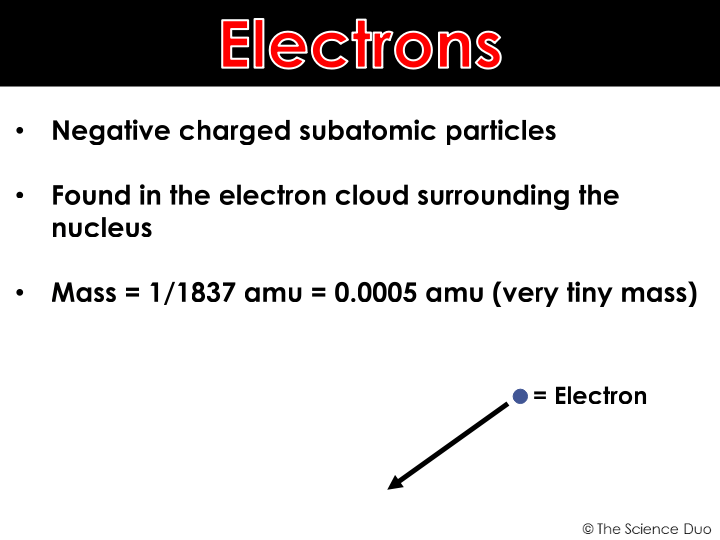
Do electrons contribute to the atomic mass of an atom?
YES they have the same mass as protons and neutrons
NO, everyone knows electrons are rigged
No, their mass is too small to contribute to the mass
41
Match
Electron
Electron Shell
Valence Electron
Compound
Molecule
A negatively charged subatomic particle located around the nucleus of an atom.
Areas around the nucleus filled with electrons.
The electrons filling the outermost shell; react with other atoms.
A substance formed from two or more atoms chemically united in fixed proportions.
A group of atoms held together by chemical forces.
A negatively charged subatomic particle located around the nucleus of an atom.
Areas around the nucleus filled with electrons.
The electrons filling the outermost shell; react with other atoms.
A substance formed from two or more atoms chemically united in fixed proportions.
A group of atoms held together by chemical forces.
42
Poll
How comfortable to you feel in your understanding of atomic structure after this lesson?
Very comfortable. I could pass the test today.
Pretty comfortable, but I could use some more practice.
Ok. I need some more study and practice.
Not good. I am completely lost with this topic.
Show answer
Auto Play
Slide 1 / 42
SLIDE

Similar Resources on Wayground
37 questions
Ohm's Law
Presentation
•
7th Grade
36 questions
Biotic and Abiotic Factors
Presentation
•
7th Grade
37 questions
Unit 1 Recovery
Presentation
•
6th - 8th Grade
36 questions
Newton's Laws Physics Girl
Presentation
•
6th - 8th Grade
36 questions
Major Tectonic Plates Guided Lesson
Presentation
•
6th - 8th Grade
36 questions
What is Matter?
Presentation
•
7th - 8th Grade
39 questions
Review for Benchmark!
Presentation
•
6th - 8th Grade
33 questions
Electromagnets!
Presentation
•
6th - 8th Grade
Popular Resources on Wayground
24 questions
PBIS-HGMS Day 10
Quiz
•
6th - 8th Grade
10 questions
HCS SCI 03 Summer School Review 3
Quiz
•
3rd Grade
11 questions
Home Scope
Quiz
•
7th - 8th Grade
15 questions
HCS SCI 05 Summer School Assessment 3 Review
Quiz
•
5th Grade
35 questions
Lufkin Road Middle School Student Handbook & Policies Assessment
Quiz
•
7th Grade
18 questions
Geo 11.3 Area of Circles and Sectors
Quiz
•
9th - 11th Grade