

Weathering and Erosion

Presentation
•
Science
•
8th Grade
•
Medium
+9
Standards-aligned

Nikkole Wowaka
Used 47+ times
FREE Resource
13 Slides • 22 Questions
1

2
What shapes the Earth
Weathering, Erosion, and Deposition are processes that act together to wear down and build up the Earth's surface. These processes have occurred over billions of years.
3
Multiple Choice
The breaking down of rocks into smaller pieces
weathering
vegetation
erosion
deposition
4
Multiple Choice
What are the 2 types of weathering called?
Astronomical & Gallactical
Sedimentary & Metamorphic
Chemical & Mechanical(physical)
Weathering & Erosion
5
What is weathering?
Weathering is a process that BREAKS DOWN rocks and creates sediments.
Sediments refer to small pieces of rocks.
Two types of weathering: Chemical and Mechanical (physical).

6
Multiple Choice
Small pebbles, pieces of other rock, and sand are called?
weathering
sediment
erosion
deposition
7
Chemical Weathering
Chemical weathering is the decomposition of rock caused by chemical reactions. This creates new compounds.
Agents of chemical weathering: water, oxygen, acid, and organisms

8
Multiple Choice
What do we call the process in which rock is broken down by changes in its chemical makeup.
Chemical weathering
Mechanical weathering
Erosion
Deposition
9
Mechanical Weathering
Mechanical weathering is the process of breaking BIG rocks into little ones without changing the chemical composition of a rock.
The most common type of mechanical weathering is the constant freezing, and thawing of water.
As water freezes, it expands, becoming about 10% larger than it was in liquid form.
Temperature changes also affect mechanical weathering. As temperatures heat up, the rocks expand.
As the temperatures cool down, rocks contract.

10
Multiple Choice
burrowing plants
ice wedging
plant roots
acid rain
11
Erosion
Erosion: natural forces MOVE rock and soil to another place.
Natural forces such as gravity, running water, glaciers, waves and wind cause erosion.
Weathering is the breaking down of rocks while erosion is the process of moving those pieces.

12
Multiple Choice
The process by which rock and soil are moved from one place to another is called-
Chemical weatherin
Erosion
Mechanical weathering
Deosition
13
Deposition
Deposition: occurs when sediment is LAID DOWN.
So Erosion moves and deposition lays it down somewhere else.

14
Multiple Choice

_____________ is the dropping off/ depositing of rocks.
Metamorphosis
Deposition
Weathering
Erosion
15

16
Multiple Choice
Some examples of slow changes are
earthquakes, volcanoes, and landslides
weathering, erosion and deposition
sloths in the rain forest
turtle vs snail racing
17
Multiple Choice
Some examples of fast changes are
earthquakes, volcanoes, and landslides
weathering, erosion and deposition
sloths in the rain forest
turtle vs snail racing
18
Multiple Choice

erosion, weathering, deposition
weathering, erosion, deposition
deposition, weathering erosion
erosion, deposition, weathering
19
Ice Wedging: when liquid water goes into cracks and then freezes causing the cracks to get wider
Wind: blowing sand grinds pieces of rock off larger rocks like sandpaper. This is called Abrasion
Flowing Water:
Moves rocks and soil as it goes
The strongest weathering force
20
Plant Roots: growing into cracks in the rock, slowly breaking them apart.
Animals: burrow in the ground, break up soil, and loosen rocks to be exposed to further weathering.
21
Multiple Choice

what kind of weathering is this?
animal activity
plant roots
ice wedging
glaciers
22
Multiple Choice

what force makes these stones look like this?
wind abrasion
flowing water
animals
ice wedging
23
Air
Oxidation: a chemical reaction in which oxygen combines with an element such as iron to form an oxide (rust)
Acid Rain
Rain, Sleet, or Snow that contain high concentrations of Acids
24
Multiple Choice

What type of weathering is this? (rock having oxidation reaction with air).
Mechanical (physical)
Chemical
25
Multiple Choice

What type of weathering is this?
Mechanical (physical)
Chemical
26
Multiple Choice
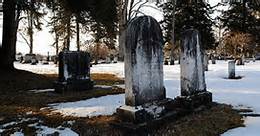
ice wedging
abrasion
acid rain
mechanical weathering
27
Multiple Choice
Chemical weathering happens over much shorter time frame than mechanical weathering.
Chemical weathering changes the chemical composition of rocks; mechanical weathering does not.
Chemical weathering occurs only in tropical climates; mechanical weathering occurs only in cool climates.
Chemical weathering occurs only in the mountains; mechanical weathering occurs only on flat land.
28
Multiple Choice
Which has more surface area?
a large boulder
a rock broken into many pieces
29
Factors that effect Weathering
Surface Area: the more rock is exposed to weathering the faster the rock will be worn down.
Temperature: areas with drastic temperature changes have rapid mechanical weathering (ex. seasonal)
Climate: warm and humid areas have faster chemical weathering (ex. tropical)
Type of Rock: minerals in rock determine how quickly weathering will take place
30
Multiple Choice
Which of the following does NOT affect the rate at which a rock weathers?
What the rock is made of
The climate where the rock is found
The amount of exposed surface area on the rock
The length of time since the rock was formed
31
Multiple Select
Abrasion is the grinding and wearing away of rock surfaces through which actions (select all that apply)?
Waves
Wind
Chemical Reaction
Running Water
Animal Activity
32


33
Multiple Choice
The process by which
water, ice, wind or gravity
moves fragments of rock
and soil.
The process by which
water, ice, wind or gravity
deposit rock sediments
and soil in a new place.
The breaking down of
Earth’s crust into smaller
and smaller pieces.
34
Multiple Choice
The process by which
water, ice, wind or gravity
moves fragments of rock
and soil.
The process by which
water, ice, wind or gravity
deposit rock sediments
and soil in a new place.
The breaking down of
Earth’s crust into smaller
and smaller pieces.
35
Multiple Choice
The process by which
water, ice, wind or gravity
moves fragments of rock
and soil.
The process by which
water, ice, wind or gravity
deposit rock sediments
and soil in a new place.
The breaking down of
Earth’s crust into smaller
and smaller pieces.
Show answer
Auto Play
Slide 1 / 35
SLIDE
Similar Resources on Wayground

24 questions
Review: Watersheds, Estuaries, and Dead Zones
Presentation
•
8th Grade
27 questions
Ecology Review
Presentation
•
9th Grade
28 questions
Sci U7.2: Dating Methods
Presentation
•
8th Grade
28 questions
8.E.5 SubUnit Test Review
Presentation
•
8th Grade
24 questions
Satellite Images and Topographic Maps Test Review LESSON
Presentation
•
8th Grade
28 questions
CP- L1.1 Modeling Atoms
Presentation
•
8th Grade
25 questions
Topic 4 Review-Solid, Liquid, Gas
Presentation
•
8th Grade
29 questions
Unit 8 Section 1: What is Magnetism and Magnetic Fields
Presentation
•
8th Grade
Popular Resources on Wayground
10 questions
Safety Day 2026 – Student Review

Quiz
•
9th Grade
21 questions
Continents and Oceans
Quiz
•
6th Grade
20 questions
Parts of Speech
Quiz
•
5th Grade
16 questions
Subject & Predicate
Quiz
•
5th Grade
25 questions
Multiplication Facts
Quiz
•
5th Grade
12 questions
Map Skills
Quiz
•
3rd Grade
22 questions
Continents and Oceans
Quiz
•
5th Grade
15 questions
Rounding Decimals
Quiz
•
5th Grade
Discover more resources for Science
20 questions
Newton's Laws of Motion
Quiz
•
8th Grade
15 questions
potential and kinetic energy
Quiz
•
8th Grade
21 questions
Newton's Laws of Motion
Quiz
•
8th Grade
20 questions
Elements, Compounds and Mixtures
Quiz
•
8th Grade
10 questions
Exploring Chemical and Physical Changes

Interactive video
•
6th - 10th Grade
20 questions
Physical vs Chemical Changes
Quiz
•
8th Grade
20 questions
Conduction, convection, and Radiation Practice
Quiz
•
8th Grade
21 questions
Waves and Wave Properties
Quiz
•
6th - 8th Grade