

4.01 Part 2 - More

Presentation
•
Other
•
9th Grade
•
Practice Problem
•
Medium

Natalie Everett
Used 5+ times
FREE Resource
28 Slides • 8 Questions
1

4.01 Understand The
Fashion Retail
Elements of
Marketing
4.01 Part 2. Satisfying
Today’s Consumer
2


Marketing
The process of
developing, promoting,
pricing, and distributing
products in order to
satisfy customers’ needs
and wants.
Marketing involves the total process of
finding or creating a profitable market
for specific goods or services.
3


Fashion merchandising
Specific marketing
activities designed
to have
fashion-oriented
merchandise at
the right time,
place, quantity,
and price to meet
customer demand.
4


Marketing concept
A business
approach that
directs all
marketing efforts
towards customer
wants and needs.
Customer needs must be
determined before goods
can be produced.
5


Market
The group of all
potential
customers.
•Similar needs and
wants
•Willingness and
means to satisfy
those wants
Businesses must
understand who their
potential customers are
in order to efficiently
meet their needs and
wants.
6


Target market
The specific segment of a total market
that a company desires to have as
customers and toward whom it
directs its marketing efforts.
It is important that each fashion company
carefully define its target market in order to
make or carry products directed toward that
market.
7

Market segmentation
Dividing the entire market into smaller
groups having similar
characteristics.
•Demographic
segmentation
•Psychographic
segmentation
•Geographic
segmentation
•Behavioral
segmentation
•Every business must
decide which customers
it can serve in order to
be successful.
•Businesses must
identify those
customers to whom
they can sell the most
and maximize profits.
8

Demographic segmentation
A way to segment markets based on
vital statistics of the population.
•Age
•Race
•Gender
•Education level
•Income level
•Occupation
9

Psychographic segmentation
A way of segmenting a market based
on a consumers’ lifestyles, values,
attitudes, and self-concepts.
•Tries to explain consumer behavior
and determine what the consumer is
thinking and feeling
•Behavior may be influenced by
cultural background or social group
10


Geographic segmentation
Segmenting a market based on where
a person lives.
11

Behavioral segmentation
Dividing consumers into groups
according to their response to a
product.
•Groups consumers into categories based on
what they are looking for in a product and why
they buy the product
•The marketer might consider what benefits the
consumer wants, the consumer’s rate of use of
the product, loyalty to a particular product or
brand, and response related to a special
occasion.
12


Marketing mix
A combination of decisions a business must
make in order to best reach its target
market; known as “the four Ps” of
marketing.
•Product
•Place
•Price
•Promotion
13


Product considerations
• Choice of products
• Brand name
• Level of quality
• Packaging
• Warranties
Marketers must decide what goods or
services are in demand and bring those
products to the consumer.
14


Place considerations
•How and where will products
be offered to customers?
•What method will be used to
get products from producer
to consumer?
•What is the most efficient
method of transportation?
Marketers must make products
available at the right time and location.
15

Distribution channels
• Direct distribution:A distribution channel in
which the producer sells goods or services
to the final user.
– Example: A button manufacturer sells directly to
garment manufacturers.
• Indirect distribution:A distribution channel
in which goods or services are sold
indirectly to the consumer through one or
more intermediaries.
– Manufacturer/producer to retailer to consumer
(path that most fashion apparel takes.)
– Example: Levi Strauss sells jeans to Belk who,
in turn, sells to the consumer.
16


Price
considerations
• Affected by supply and demand
• Cost of producing the item
• Markup
• Terms of sale such as credit and/or
discounts
Marketers must decide on an
amount to charge customers for
their products.
17


Promotion
Communication that informs, reminds,
and persuades customers of the
goods and services available to
them.
•Advertising
•Publicity
•Personal selling
•Public relations
18


People
Many businesses also consider “people”
(employees) to be an important element in
the marketing mix since they can make
the difference between success and
failure by the way they carry out the other
elements of the marketing mix.
19
Multiple Choice
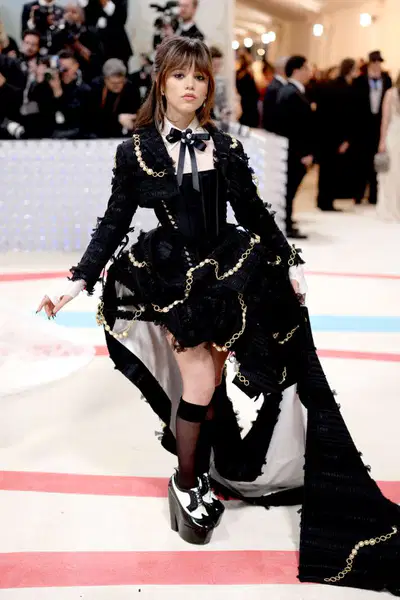
What fashion fundraising event took place yesterday on May 1?
NY Fashion Week
Grammy's
Met Gala
20


21
Multiple Choice
How much do you think a ticket cost to attend the Met Gala?
$8000
$10000
$30000
$50000
23
Multiple Choice
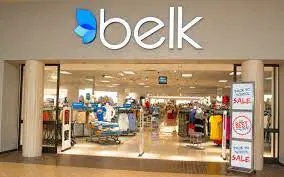
Belk decides to use radio advertising to let customers know about the Memorial Day sale. Which P is represented?
Product
Place
Price
Promotion
24
Multiple Choice
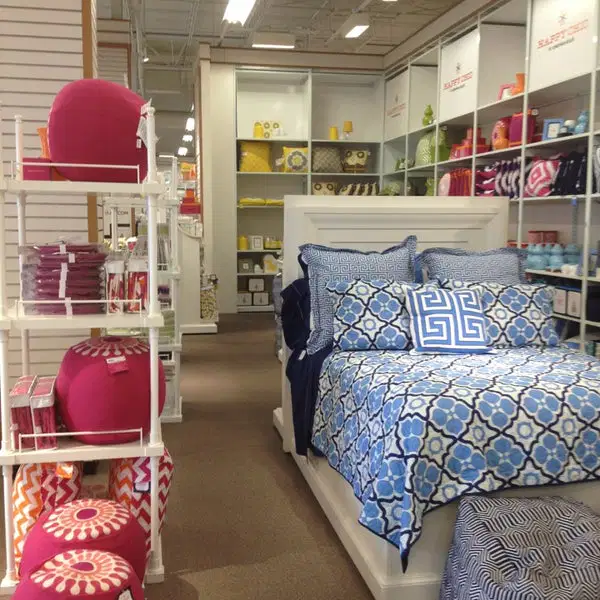
JC Penney's in Raleigh decides to increase their number of home furnishing items. Which P is represented?
Product
Place
Price
Promotion
25
Multiple Choice
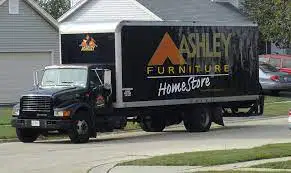
Ashley's Furniture delivers customer's furniture to their homes. Which P is represented?
Product
Place
Price
Promotion
26
Multiple Choice

A local bridal shop decides to markup their dresses to increase profit. Which P is represented?
Product
Place
Price
Promotion
27
Multiple Choice
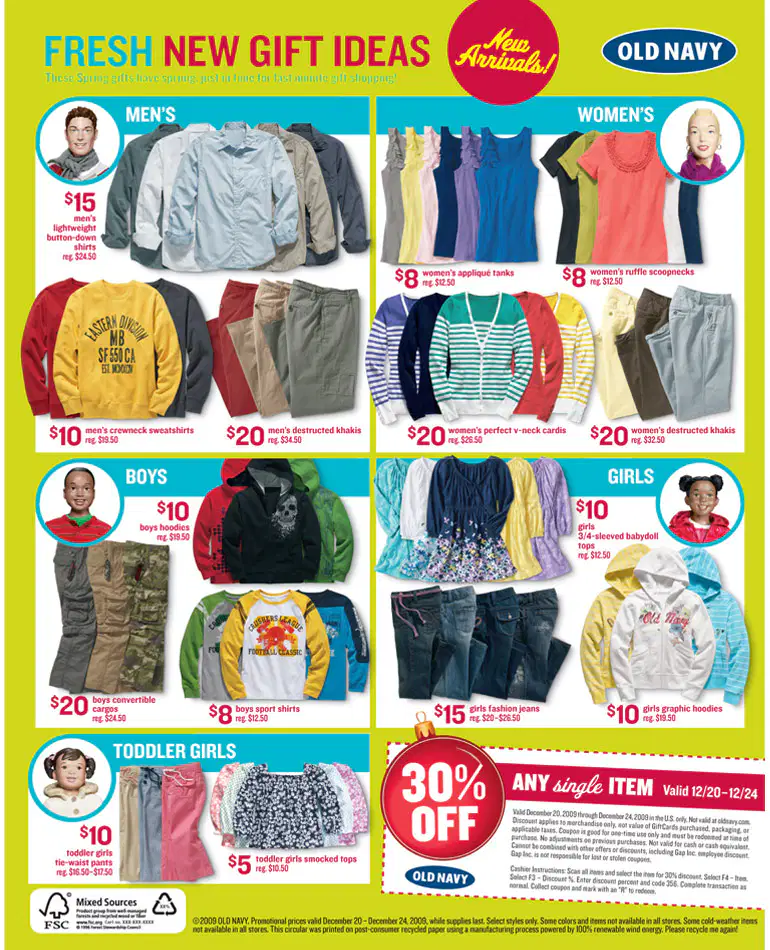
Old Navy creates a newspaper advertisement for Sunday's paper. Which P is represented?
Product
Place
Price
Promotion
28
Multiple Choice

Suzie's Shoe Shop is trying to decide if they want to rent a spot in the mall or a facility on Hwy 70. Which P is represented?
Product
Place
Price
Promotion
29

Marketing functions
• Distribution
• Financing
• Marketing-Information Management
• Pricing
• Product/Service management
• Promotion
• Selling
30


Distribution
The transporting, storing, and handling
of goods on their way from the
manufacturer to the consumer.
*Referred to as PLACE in the marketing mix.
31


Financing
Obtaining the money
needed to cover the
costs of operating a
business.
32


Marketing-Information
Management
Obtaining information
about what
consumers want.
Example: Marketing research
33


Pricing
Determining a value to
charge for goods and
services.
Price must cover
•Costs of conducting marketing research.
•Costs of financing the business.
•Costs of producing the product.
•Costs of promoting the product.
•Costs involved in distributing the product.
•Costs of selling the product to the final consumer.
•Profit for all people involved in the marketing process.
34


Product/Service Management
Concepts and
procedures necessary
in designing,
producing,
maintaining,
improving, and
obtaining products or
services to meet
customer needs.
35


Promotion
Communication used to inform,
persuade, or remind people about a
business’s products.
36


Selling
Determining customer needs and wants
and responding to those needs and
wants through planned, personalized
communication intended to influence
purchase decisions and ensure
satisfaction.
4.01 Understand The
Fashion Retail
Elements of
Marketing
4.01 Part 2. Satisfying
Today’s Consumer
Show answer
Auto Play
Slide 1 / 36
SLIDE
Similar Resources on Wayground

27 questions
Layers of the atmosphere
Presentation
•
9th Grade
33 questions
Diffusion and Osmosis Notes
Presentation
•
9th Grade
31 questions
Review for SA 2
Presentation
•
9th Grade
28 questions
Covalent Bonding
Presentation
•
9th Grade
28 questions
Days and Months in Spanish
Presentation
•
9th Grade
34 questions
Pax Romana & Contributions
Presentation
•
9th Grade
32 questions
Protein Synthesis
Presentation
•
9th - 10th Grade
Popular Resources on Wayground
24 questions
PBIS-HGMS Day 10

Quiz
•
6th - 8th Grade
10 questions
HCS SCI 03 Summer School Review 3
Quiz
•
3rd Grade
11 questions
Home Scope
Quiz
•
7th - 8th Grade
15 questions
HCS SCI 05 Summer School Assessment 3 Review
Quiz
•
5th Grade
35 questions
Lufkin Road Middle School Student Handbook & Policies Assessment
Quiz
•
7th Grade
18 questions
Geo 11.3 Area of Circles and Sectors
Quiz
•
9th - 11th Grade