
Mexican Folk Art: Tissue Flowers
Presentation
•
World Languages
•
9th - 12th Grade
•
Hard
Martha Lamb
Used 13+ times
FREE Resource
11 Slides • 0 Questions
1
Mexican Folk Art: Tissue Flowers
2
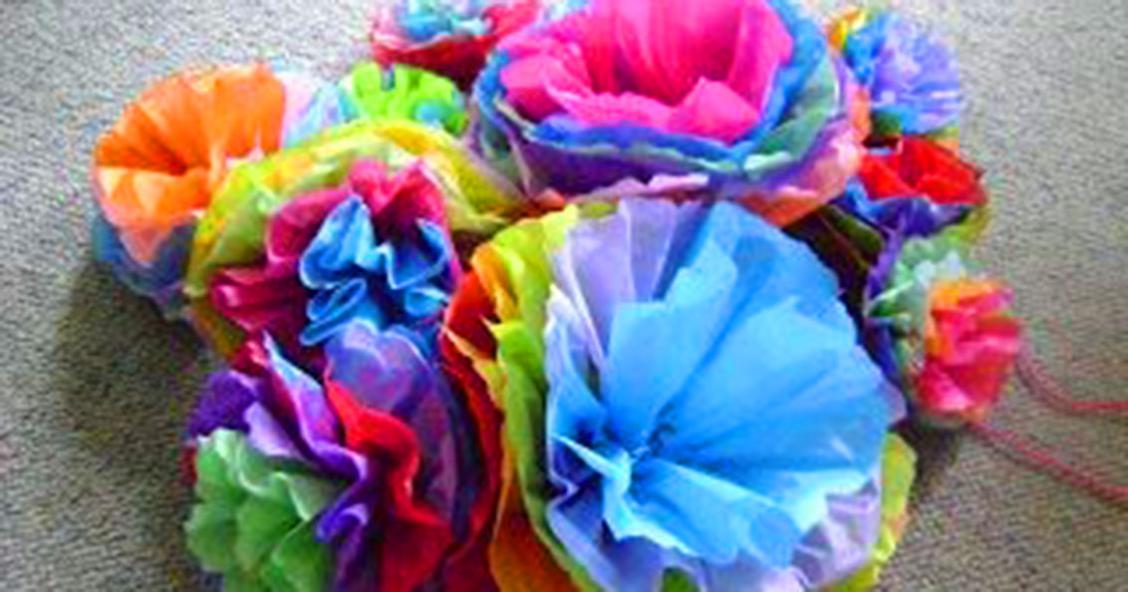
Mexican paper flowers:
These are distinguished among other paper flowers because of their meticulous craftsmanship and the vivid colors used to make them. Flowers are made out of tissue or crepe paper.
3
Mexican Paper Flowers History
The Mayans, who had developed a bark-paper in the 5th century A.D., already had a well-established tradition of paper-like decorations by the time the Spanish introduced true paper.
4
Origins of Mexican Paper Crafting
Paper crafting made its way from Asia to Mexico via the Manila galleons that regularly crossed the Pacific Ocean from the Philippines to Acapulco, Mexico. A common name for tissue paper is “papel de China" (paper from China) or "papel de seda" (paper of silk). Paper crafting was one of the imports from the Spanish ships when they arrived in Mexico. Since then, paper crafting has taken on many forms, such as cascarones (hollowed out eggs decorated with tissue paper and filled with confetti), pinatas (animal figures made of paper and filled with treats), papel de picado (punched paper artwork) and paper flowers.
5
6
The History of Mexican Tissue Flowers
The first Mexican paper flowers were used to decorate churches and home altars, and were made in muted colors, the edges often accented with gold or silver. The flowers go beyond the utilitarian craft and become pieces of folk art.
7
Tissue Flower's popularity
Paper flowers were used to decorate the church in times of the year were natural flowers were not available.
Talented artisans made different types of flowers in a great variety of shades accomplishing realistic, bright and colorful paper flowers. demand for the paper flowers (and in brighter hues) grew, and are very popular today.
8
Special Flowers in Mexican Culture
The Dahlia is native to Mexico. The Aztecs named it Acocoxochitl meaning "hollow stems flower" and was used for ceremonial, medicinal, ornamental and alimentary purposes.
Cempasuchil
Also known as Mexican marigold and flower of the dead, the cempasuchil is a plant that grows in central Mexico blooming in autumn yellow or orange flowers.
9
Symbol of beauty
The Dahlia was declared the national flower of Mexico in 1963. President Adolfo López Mateos decreed that the dahlia, one of Mexico’s numerous “gifts to the world”, should be the nation’s national flower. And so it remains today – a perfect symbol of the beauty and diversity found throughout the country.
10
Day of the Dead flower
Day of the Dead flowers is the name given in Mexico to the flowers used to decorate tombstones and altars during the Day of the Dead celebrations.
It is believed that the scent of the flowers will make the returning souls feel welcomed and happy.
11
How to make your own flower.
There’s been a long tradition in Mexico of constructing things, such as flowers, out of colored tissue paper. It’s a tradition that started more than 200 years ago in Mexico and it’s still growing today.
Mexican Folk Art: Tissue Flowers
Show answer
Auto Play
Slide 1 / 11
SLIDE

Similar Resources on Wayground
8 questions
Tener and Phrases
Presentation
•
9th - 12th Grade
10 questions
Absolute Value Equations
Presentation
•
9th - 12th Grade
11 questions
Preterite Lesson Sp 2 and Sp 3H
Presentation
•
9th - 12th Grade
7 questions
¿Que año es?
Presentation
•
9th - 12th Grade
9 questions
Spanish Demonstrative Adjectives
Presentation
•
9th - 12th Grade
11 questions
Le verbe Etre au présent
Presentation
•
KG
12 questions
3A Gramática : -ER and -IR regular verbs
Presentation
•
KG - 12th Grade
9 questions
Unit 4 Notes-R.B.
Presentation
•
9th - 12th Grade
Popular Resources on Wayground
24 questions
PBIS-HGMS Day 10
Quiz
•
6th - 8th Grade
10 questions
HCS SCI 03 Summer School Review 3
Quiz
•
3rd Grade
11 questions
Home Scope
Quiz
•
7th - 8th Grade
15 questions
HCS SCI 05 Summer School Assessment 3 Review
Quiz
•
5th Grade
35 questions
Lufkin Road Middle School Student Handbook & Policies Assessment
Quiz
•
7th Grade
18 questions
Geo 11.3 Area of Circles and Sectors
Quiz
•
9th - 11th Grade