

LANGUAGE DEVICES for Persuasive Writing

Presentation
•
English
•
10th Grade
•
Practice Problem
•
Hard

Wilhelmina Estrada
Used 26+ times
FREE Resource
22 Slides • 1 Question
1
LANGUAGE DEVICES for Persuasive Writing
Wilhelmina C. Estrada

2
ADVOCACY
-generally involves speaking or acting with the intention of affecting or changing specific policies, systems or ideas. This change can occur in an array of settings: governmental, health, social, economic, and legal, among others.
3
CAMPAIGN
-are actions, events and activities to achieve a change and to raise awareness on a specific issue working more widely across organised groups or people.
4
Fill in the Blanks
What do you think are their similarities and differences?
Type answer...
5
1. EMOTIVE LANGUAGE
use of words that evoke emotions and make people feel a certain way
the writer can sound more convincing
commonly used technique when writing headlines in newspapers or delivering speeches
6
Non-emotive version:
Another person in the bar was injured by the man's glass.
7
1. Emotive Version:
An innocent bystander suffered facial injuries when the thug launched his glass across the bar.
8
2. MODAL VERBS
words that express modality or how likely something is going to happen helps adjust the level of certainty of events to suit argument
9
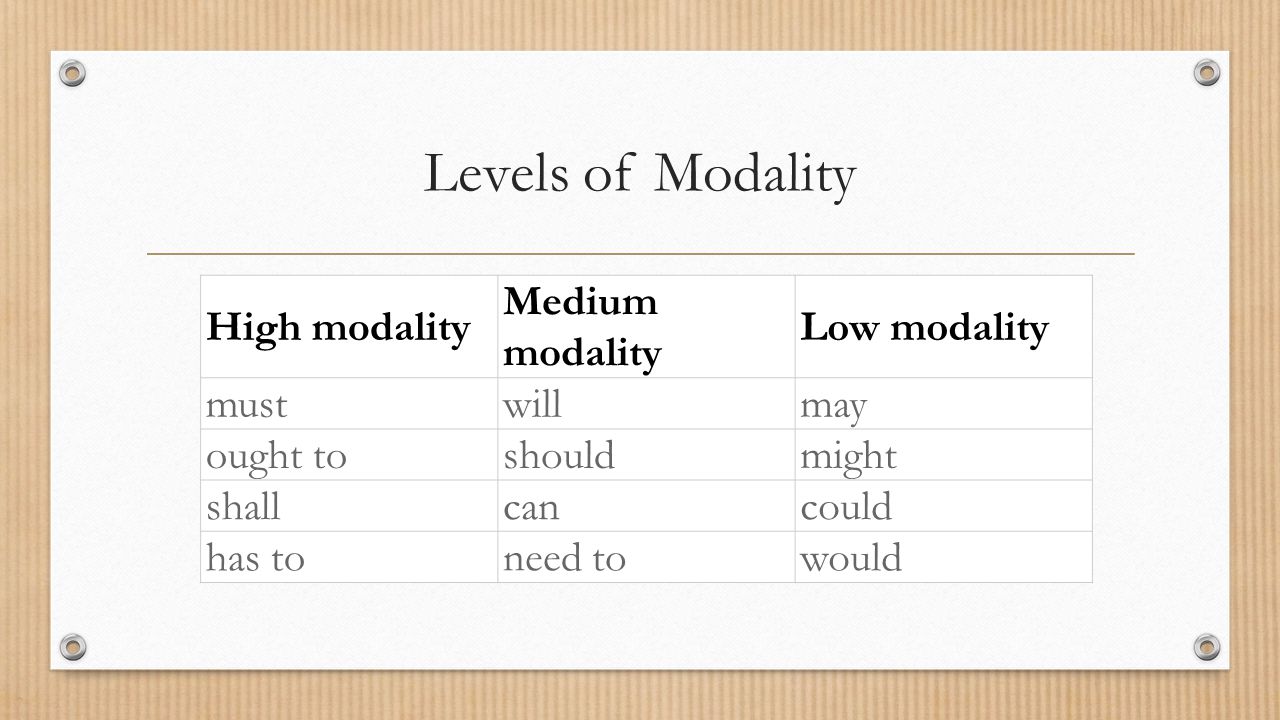
10
A moderate 'low modality' statement of opinion allows for a more tentative conclusion to be drawn
In comparison, a 'high modality' opinion can appeal to the emotions and so can be perceived as persuasive and subjective
11
Examples:
High modality: "Age can never be irrelevant."
Low Modality: "It appears that age us rarely an irrelevant factor."
"Patients do benefit." (Yes)
"Patients do not benefit." (No)
"Patients may benefit." (Low certainty)
"Patients always benefit." (High certainty)
12
3. Involving the Reader
the use of personal pronouns like YOU, YOUR, WE, OUR and INDICATIVE WORDS like TOGETHER
establishes a connection between the author and the reader
13
The use of personal pronouns can draw the readers into the material that you are writing and make them feel more involved immediately.
14
4. Rhetorical Questions
questions that are not supposed to be answered
asked for effect, to illustrate a point or let the reader think
questions that sometimes state the obvious which can convince the reader to agree with the points being presented
15
Examples:
Do you really think...
Is it really worth...
Do you want to be part of...
What would happen if...
How could you possibly...
16
5. Using Evidence
this involves the use of facts, figures, or quotes from experts to highlight the writer's authority and make the arguments presented more convincing
17
6. Repetition
"Any idea, plan, or purpose may be placed in the mind through repetition of thought." - Napoleon Hill
This technique involves repeating key words, phrases, or ideas to appeal to the readers.
18
Politicians often repeat words and phrases, which is a highly effective way to increase the odds listeners believe what they're saying.
19
7. Adjectives and Adverbs
Using carefully selected adjectives and adverbs makes it possible for the writer to influence how the readers feel.
20
8. Association
This technique tries to link an object or an idea with something already liked or desired by the target audience such as wealth, success, pleasure, and security.
21
9. Bandwagon
Commonly used in advertisements, this persuasion technique makes the audience believe the idea that "everyone is doing it!" or that everyone likes something.
Bandwagon works on the human psychology of wanting to belong.
22
Ad writers recognize that the majority opinion approach exerts social pressure and use the appeal by writing persuasive statements like:
"Join the thousands who have chosen to switch to the better network."
23
10. Experts
This means relying on expert advices from trusted people like doctors, scientists and other professionals for things that the audience do not know.
The idea that these experts are risking their credibility to support an object or idea makes the persuasion more effective.
LANGUAGE DEVICES for Persuasive Writing
Wilhelmina C. Estrada
Show answer
Auto Play
Slide 1 / 23
SLIDE
Similar Resources on Wayground

16 questions
Topic Sentences
Presentation
•
9th - 10th Grade
18 questions
Direct and Indirect Speech
Presentation
•
10th Grade
19 questions
Subject -Verb Agreement
Presentation
•
10th Grade
20 questions
Descriptive Text
Presentation
•
10th Grade
16 questions
Used to and Would
Presentation
•
10th Grade
18 questions
PROCEDURE TEXT
Presentation
•
10th Grade
18 questions
Sport for Health
Presentation
•
10th Grade
15 questions
Third Conditional
Presentation
•
10th Grade
Popular Resources on Wayground
10 questions
Safety Day 2026 – Student Review

Quiz
•
9th Grade
21 questions
Continents and Oceans
Quiz
•
6th Grade
20 questions
Parts of Speech
Quiz
•
5th Grade
16 questions
Subject & Predicate
Quiz
•
5th Grade
25 questions
Multiplication Facts
Quiz
•
5th Grade
12 questions
Map Skills
Quiz
•
3rd Grade
22 questions
Continents and Oceans
Quiz
•
5th Grade
15 questions
Rounding Decimals
Quiz
•
5th Grade
Discover more resources for English
20 questions
Context clues
Quiz
•
10th Grade
10 questions
Exploring the Role of Setting in Storytelling

Interactive video
•
6th - 10th Grade
10 questions
Differentiating the 3 Types of Irony
Interactive video
•
6th - 10th Grade
10 questions
Unlocking English Vocabulary through Latin and Greek Roots
Interactive video
•
6th - 10th Grade
16 questions
Complete Sentences vs Fragments and Run-Ons
Presentation
•
5th - 12th Grade
28 questions
AP Vocab Group 7
Quiz
•
9th - 12th Grade
20 questions
Review for Vocab Quiz 7
Quiz
•
10th Grade
10 questions
Citing Text Evidence in the RACE Strategy
Interactive video
•
6th - 10th Grade