

2025-26cell membrane powerpoint

Presentation
•
Science
•
9th - 12th Grade
•
Practice Problem
•
Hard

Miranda Dolce
FREE Resource
43 Slides • 27 Questions
1
2
Open Ended
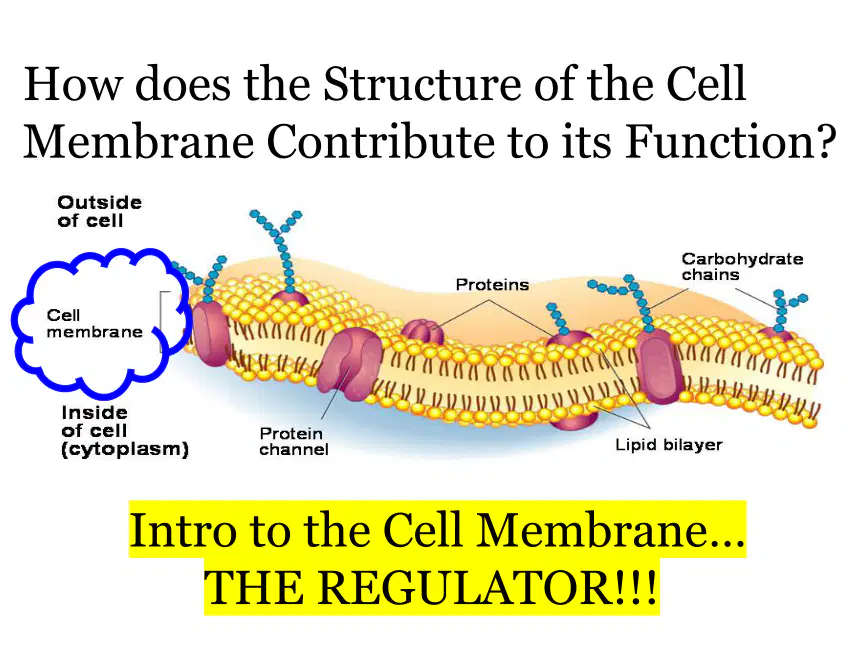
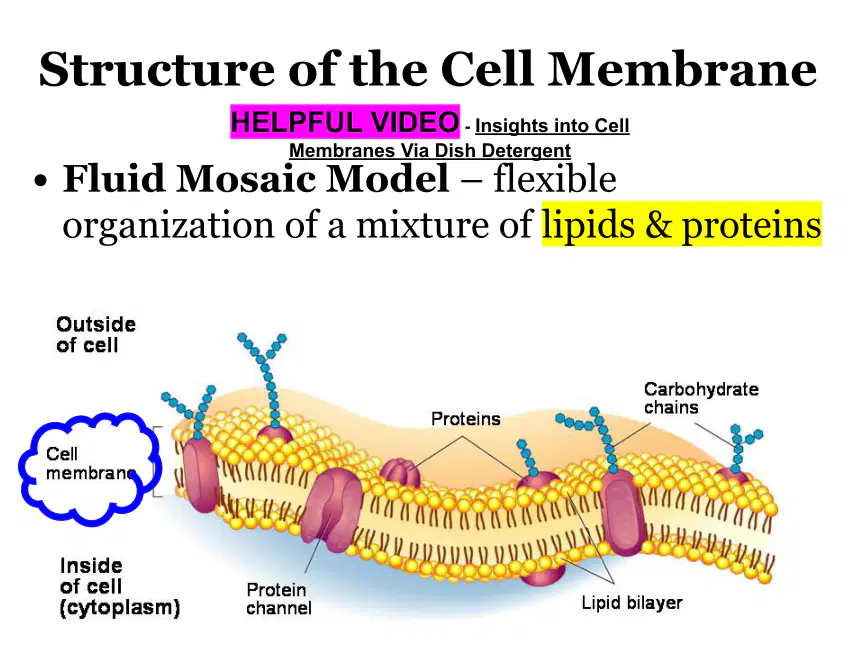
How does the structure of the cell membrane contribute to its function?
3
4
Multiple Choice
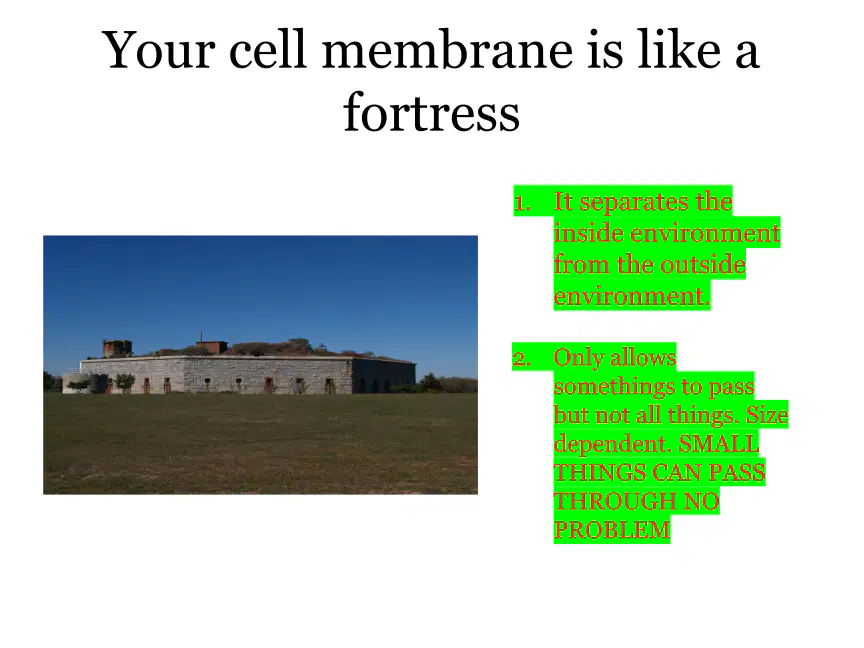
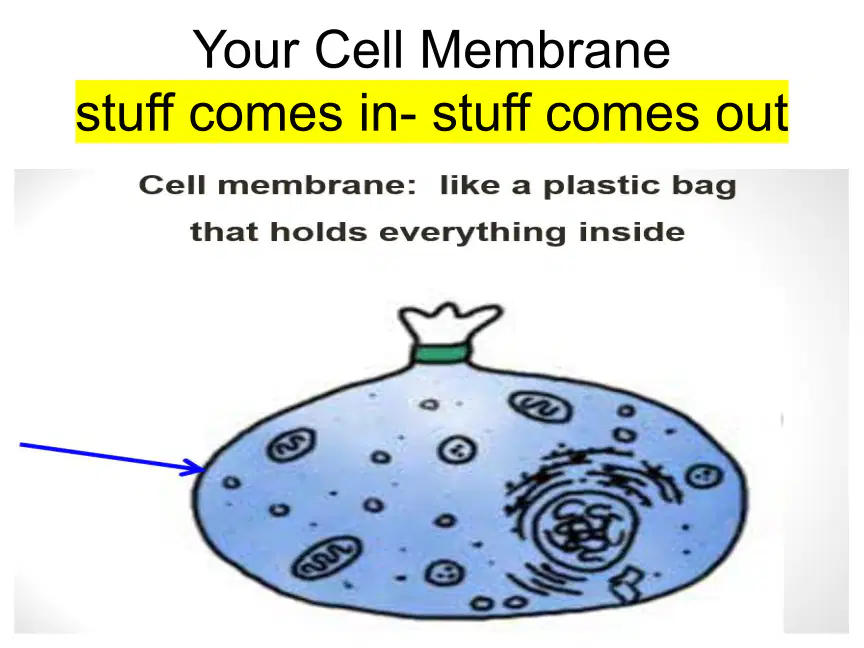
Why is the cell membrane compared to a fortress?
Because it is made of stone
Because it protects the cell by controlling what enters and leaves
Because it is round in shape
Because it is the largest part of the cell
5
6
7
Open Ended
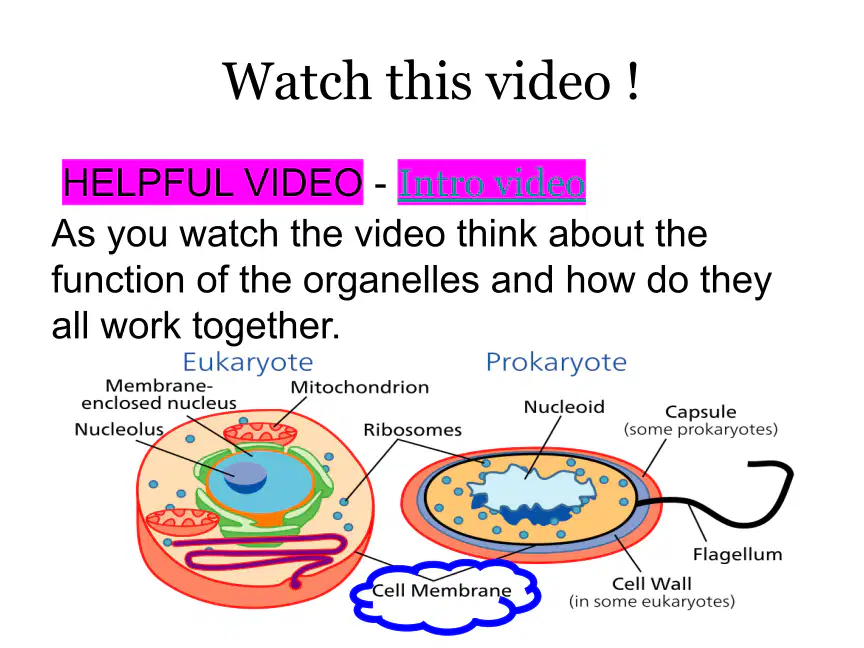
Compare the roles of the cell membrane in both eukaryotic and prokaryotic cells based on the diagrams provided.
8
Multiple Choice
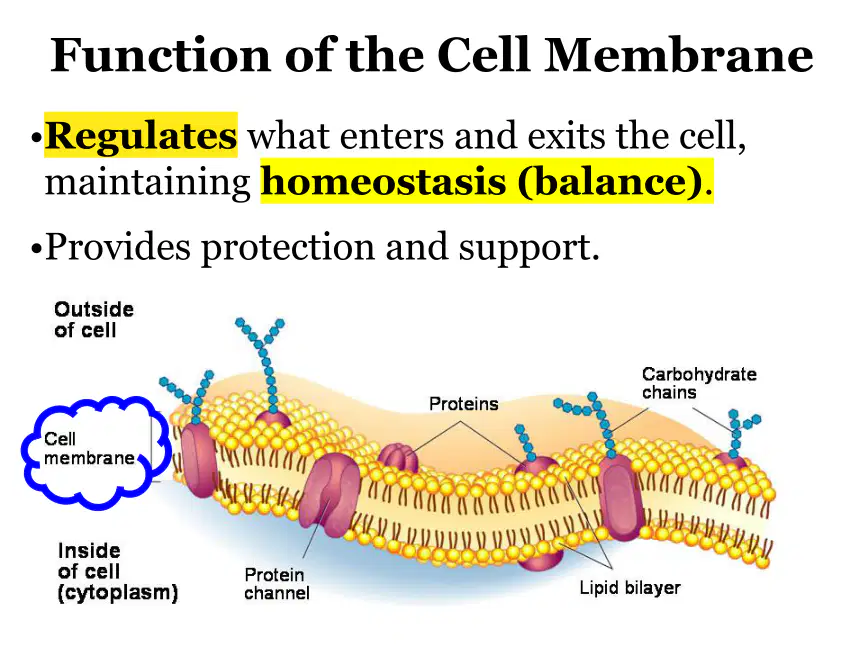
Which of the following is a function of the cell membrane?
It produces energy for the cell
It regulates what enters and exits the cell
It stores genetic information
It synthesizes proteins
9
10
11
Fill in the Blanks
The cell membrane is made up of a flexible mixture of
Type answer...
12
Open Ended
Explain how the structure of the cell membrane contributes to its function in maintaining homeostasis.
13
14
Multiple Choice
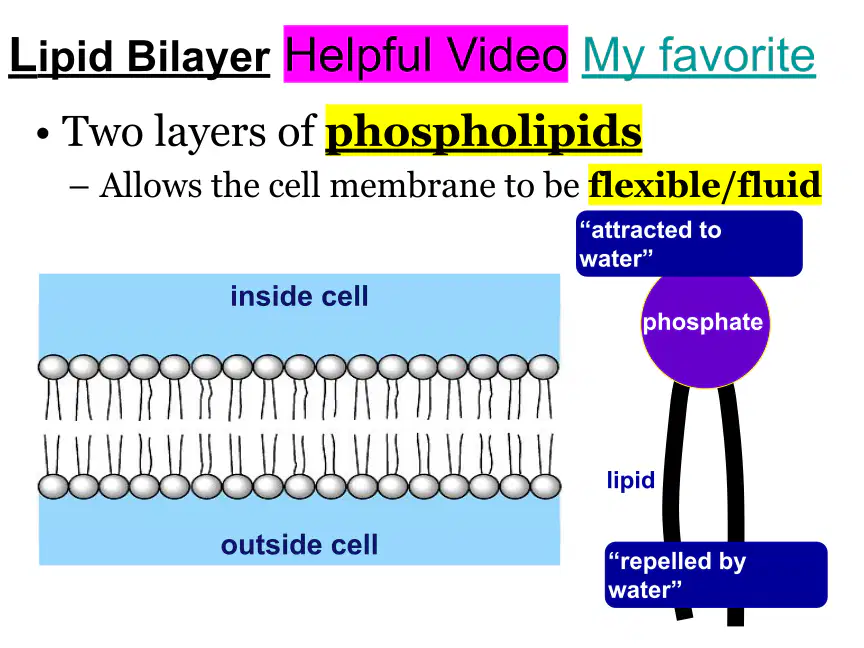
Which of the following statements about the lipid bilayer is correct?
It is made of a single layer of phospholipids
It allows the cell membrane to be rigid and inflexible
It consists of two layers of phospholipids that allow flexibility
It is only found in prokaryotic cells
15
16
Multiple Select
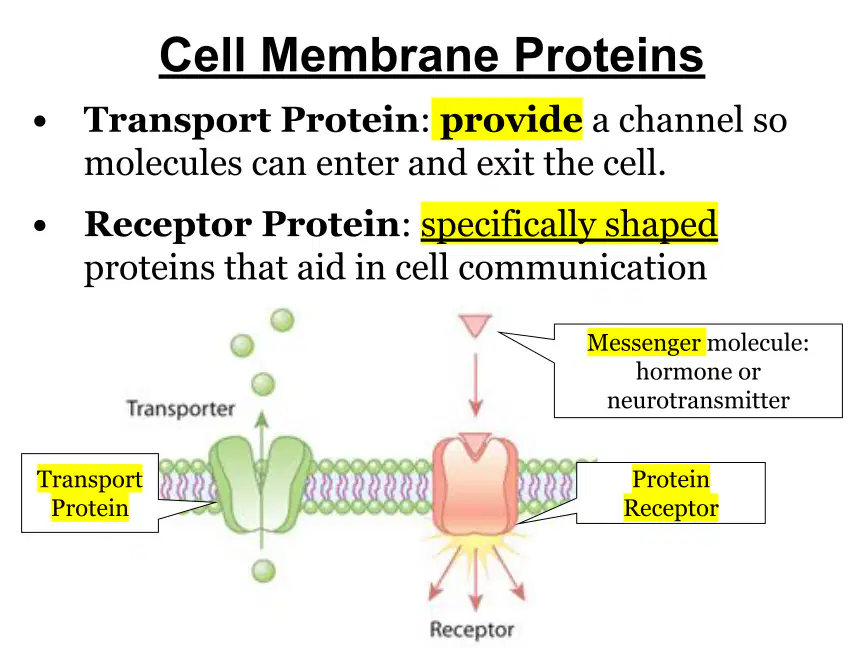
Select all the correct statements about cell membrane proteins.
Transport proteins provide channels for molecules to enter and exit the cell
Receptor proteins are specifically shaped to aid in cell communication
Transport proteins are responsible for cell communication
Receptor proteins allow only water to pass through the membrane
17
18
Open Ended
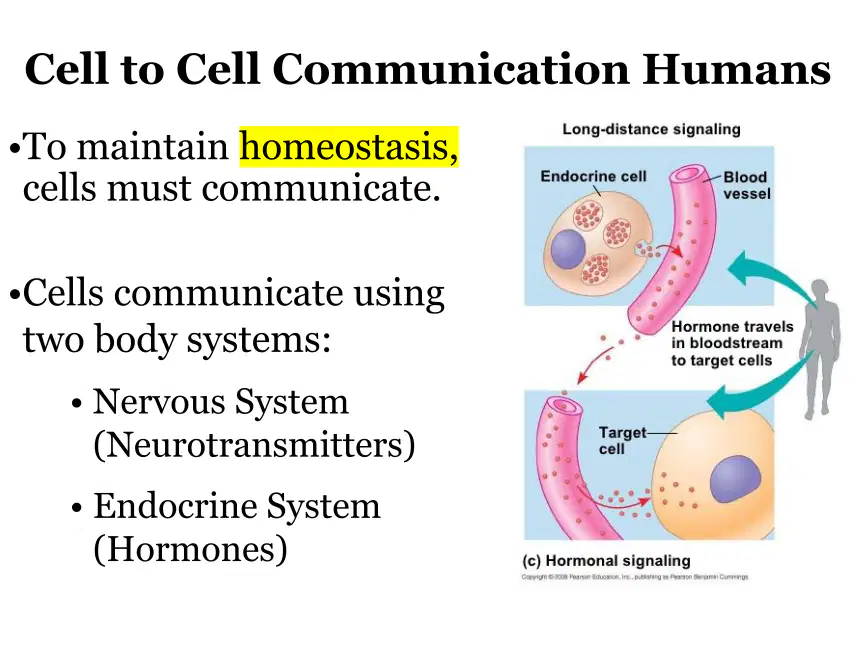
Describe how the endocrine system and nervous system differ in the way they help cells communicate to maintain homeostasis.
19
Multiple Choice
Which two body systems are primarily responsible for cell-to-cell communication in humans?
Nervous system and endocrine system
Digestive system and respiratory system
Muscular system and skeletal system
Circulatory system and lymphatic system
20
21
22
23
Open Ended
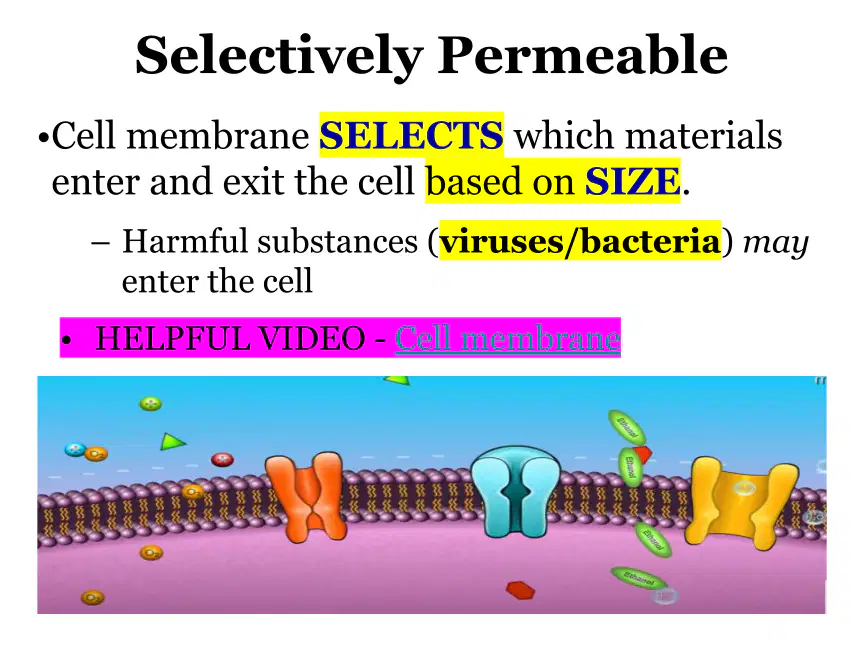
Explain why harmful substances like viruses and bacteria may still enter a cell even though the membrane is selectively permeable.
24
Fill in the Blanks
The cell membrane selects which materials enter and exit the cell based on
Type answer...
25
26
Multiple Choice
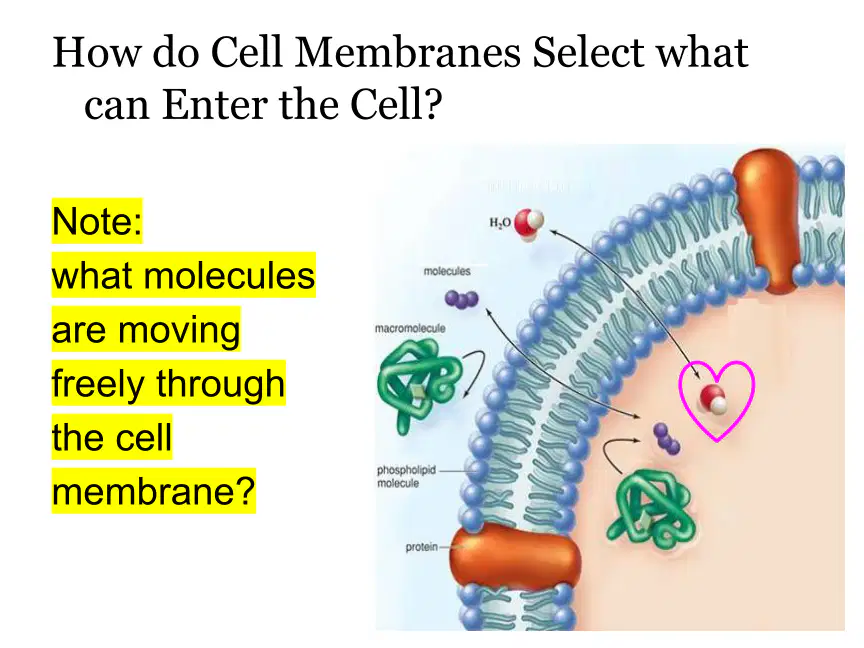
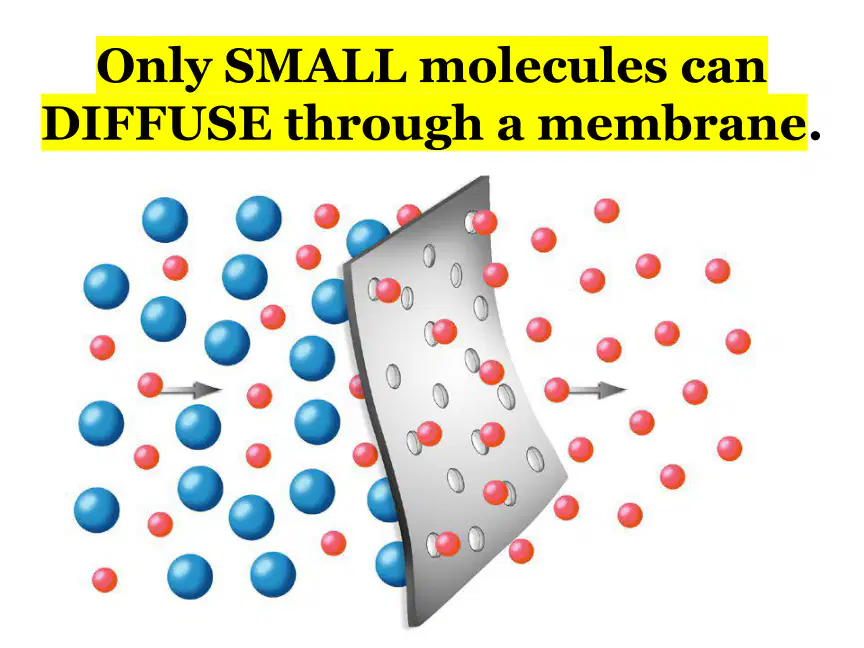
What property allows only small molecules to pass through the cell membrane by diffusion?
Their small size
Their electrical charge
Their color
Their temperature
27

28
Multiple Select
Which of the following molecules can easily diffuse through the cell membrane?
Water
Carbon dioxide
Oxygen
Protein
29
30
Open Ended
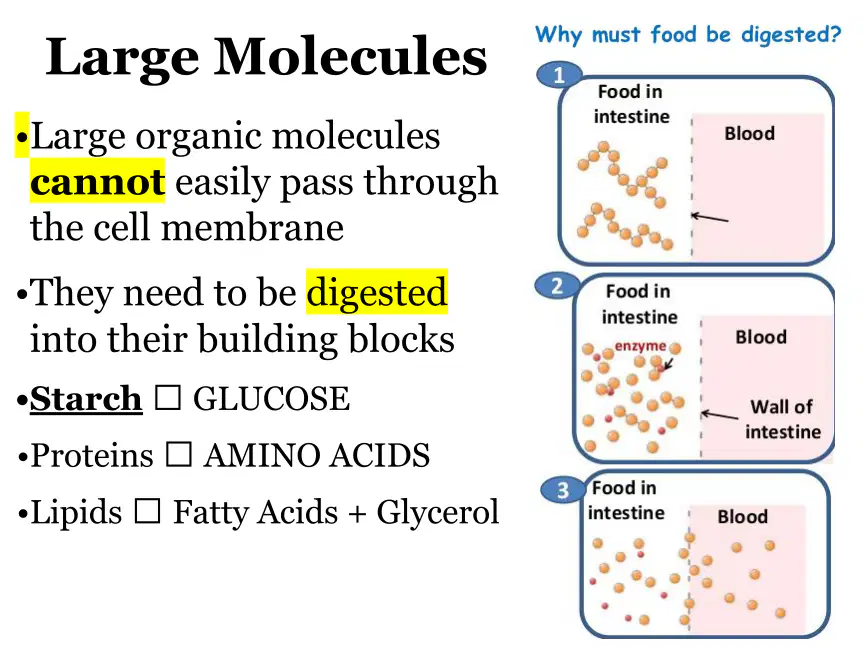
Explain why large organic molecules cannot easily pass through the cell membrane and how digestion helps in their absorption.
31
Multiple Choice
Which of the following molecules must be digested into smaller building blocks before they can pass through the cell membrane?
Glucose
Amino acids
Starch
Fatty acids
32
33
34
Open Ended
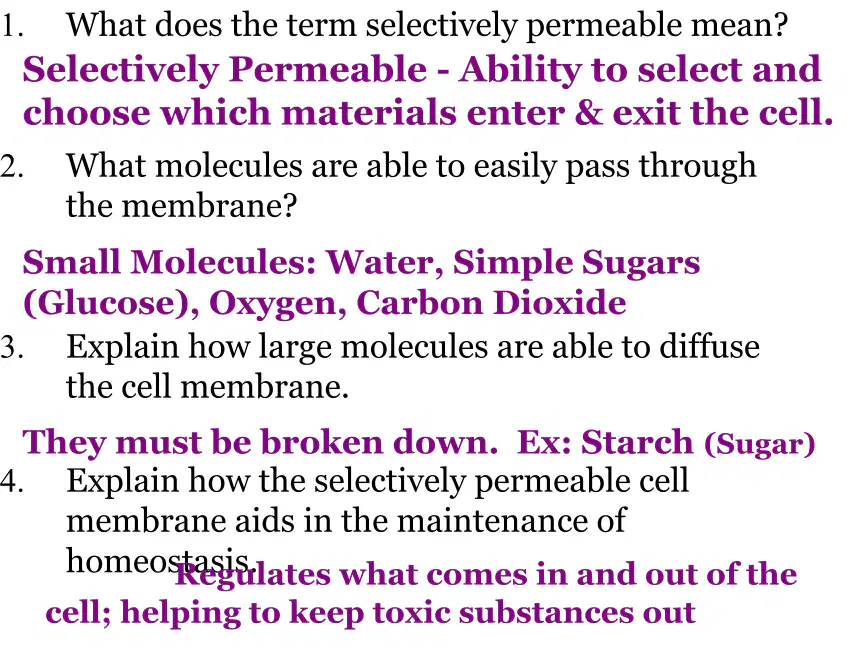
How does the selectively permeable cell membrane aid in the maintenance of homeostasis?
35
Multiple Choice
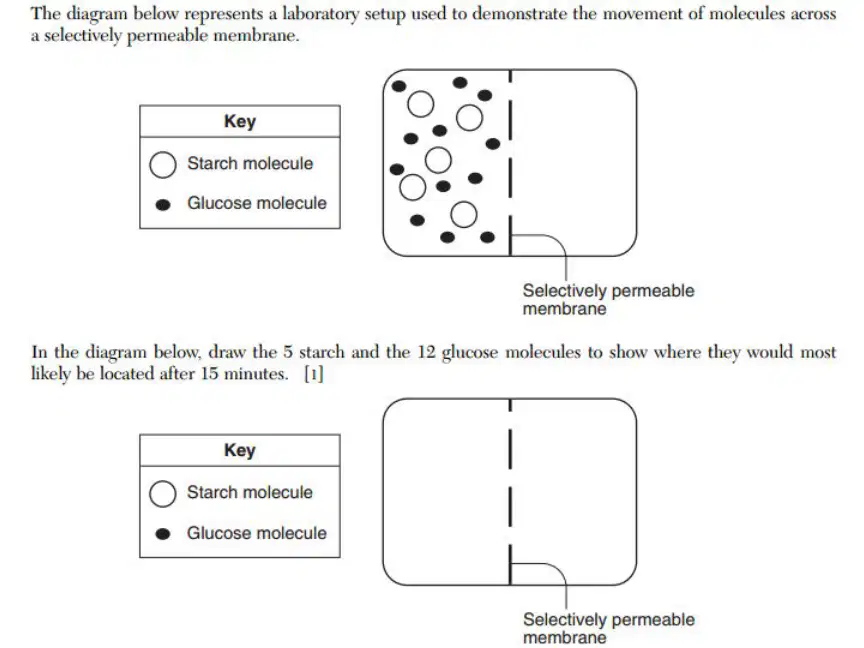
Which of the following molecules are able to easily pass through a selectively permeable membrane?
Starch
Glucose
Proteins
Lipids
36
37
38
Multiple Choice
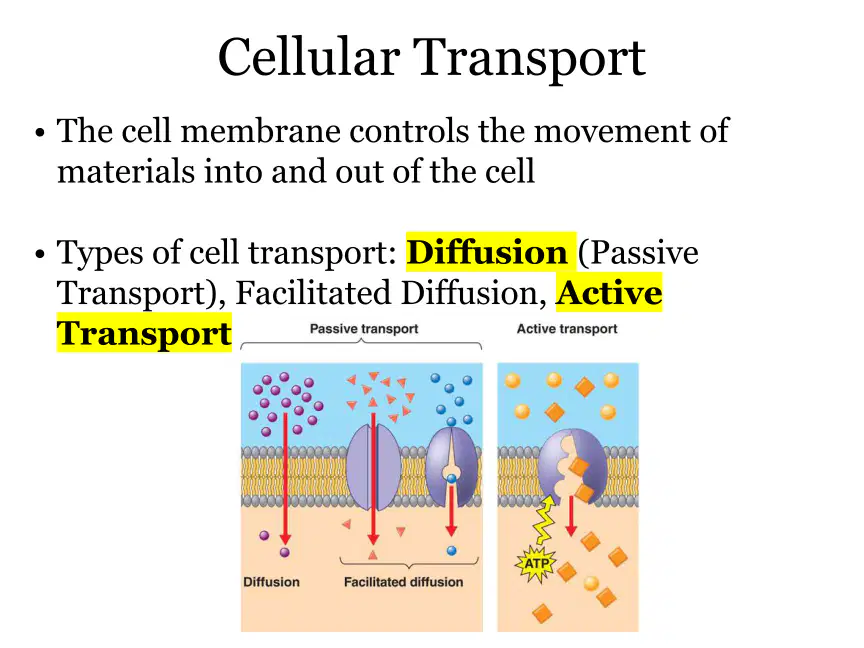
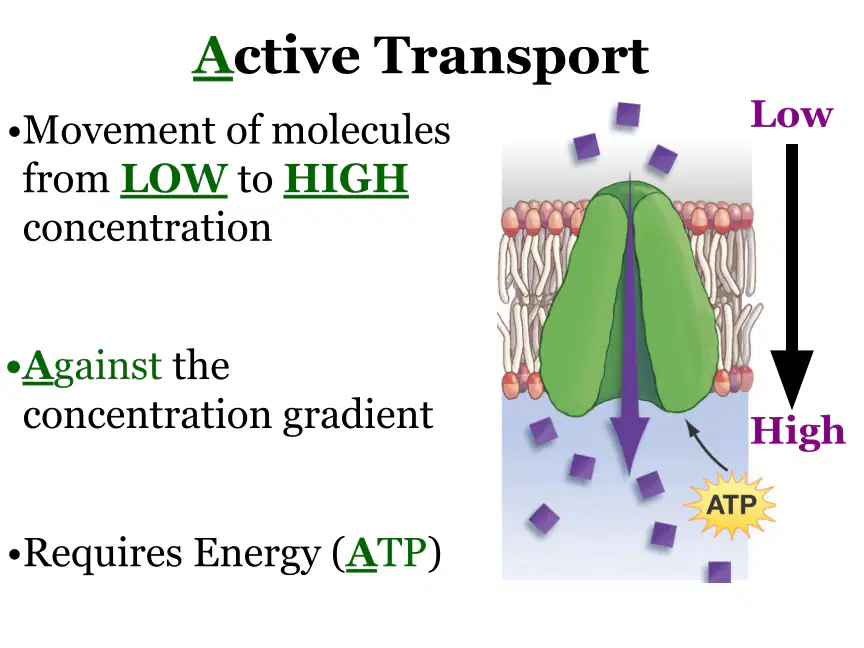
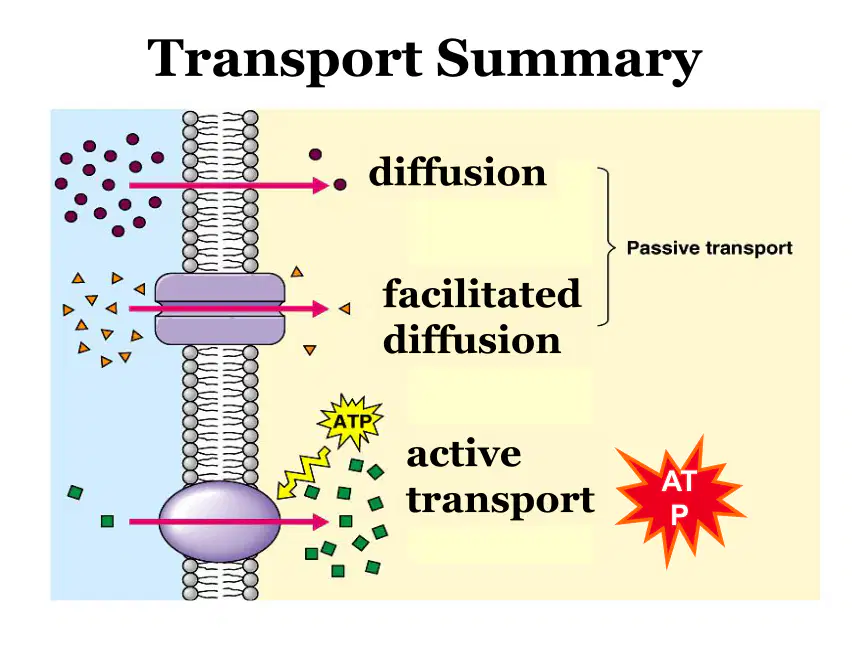
Which type of cellular transport requires energy in the form of ATP?
Diffusion
Facilitated diffusion
Active transport
Passive transport
39
40
Fill in the Blanks
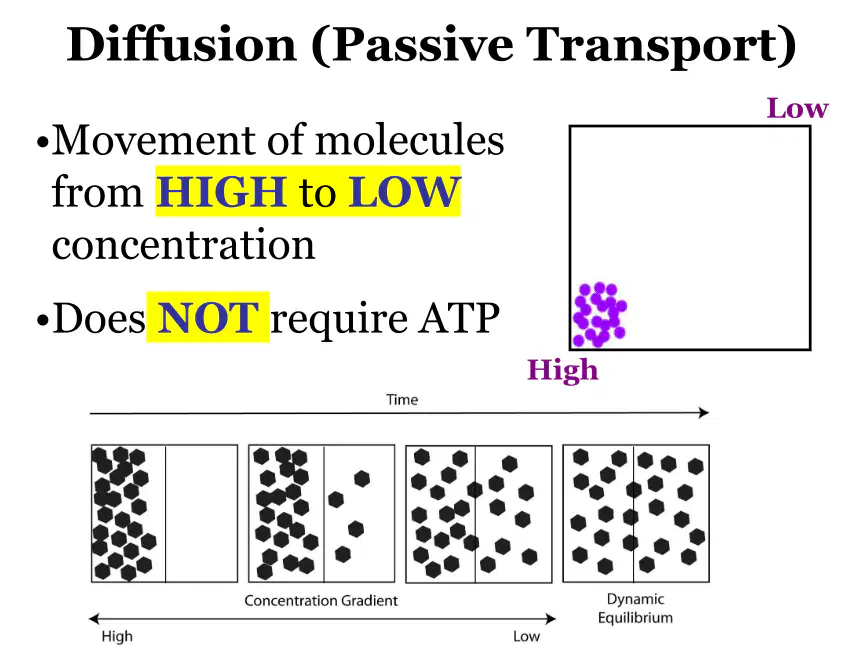
The movement of molecules from an area of
Type answer...
41

42
Open Ended
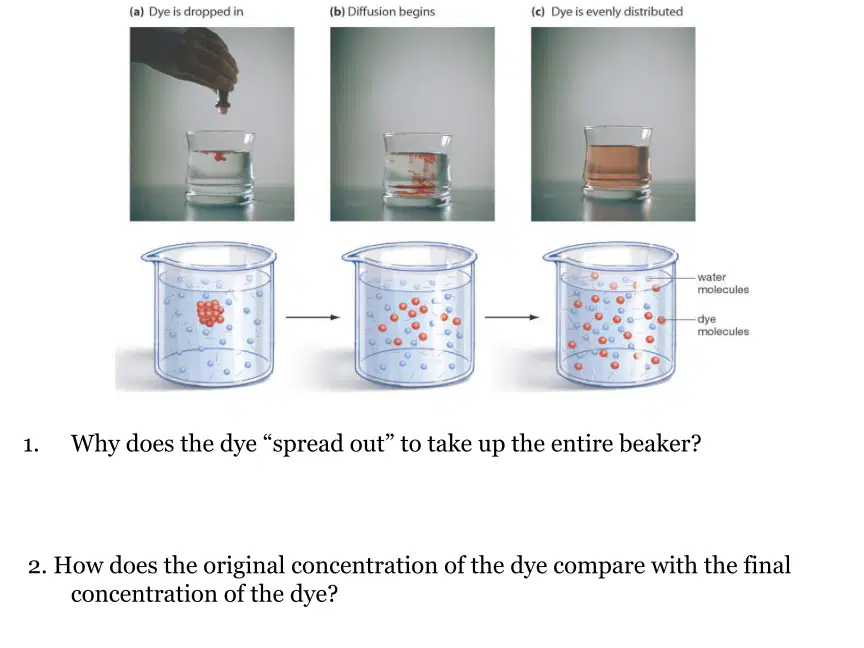
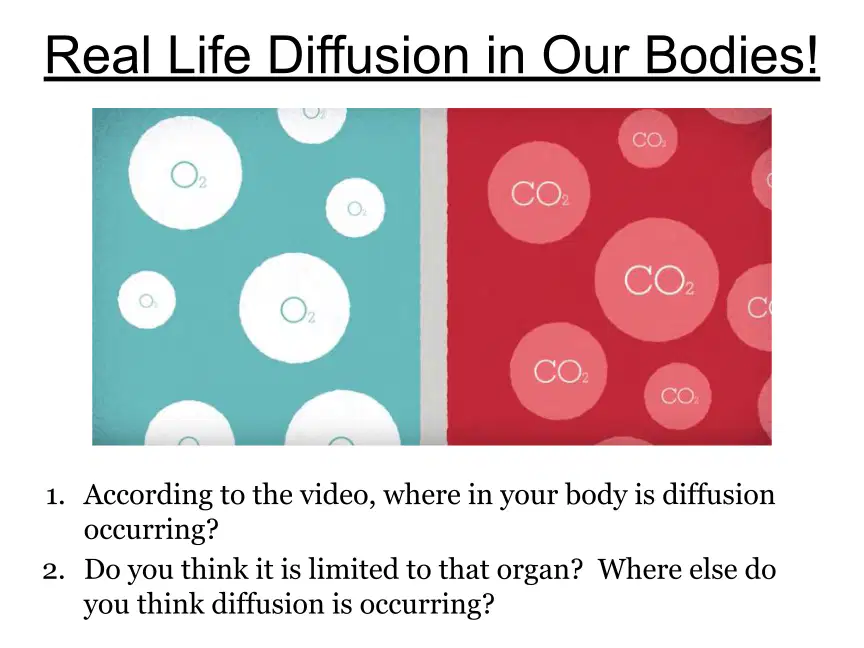
The above image represents a real life example of diffusion. Can you think of any other examples?
43
44
Multiple Choice
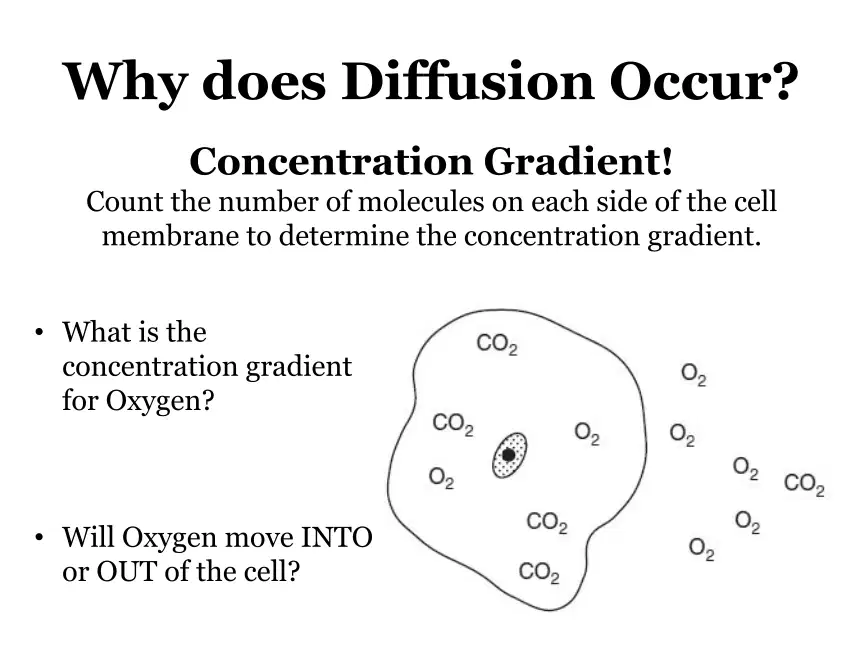
Will Oxygen move INTO or OUT of the cell?
INTO the cell
OUT of the cell
It will not move
It will move both ways equally
45
Open Ended
What is the concentration gradient for Oxygen?
46
47
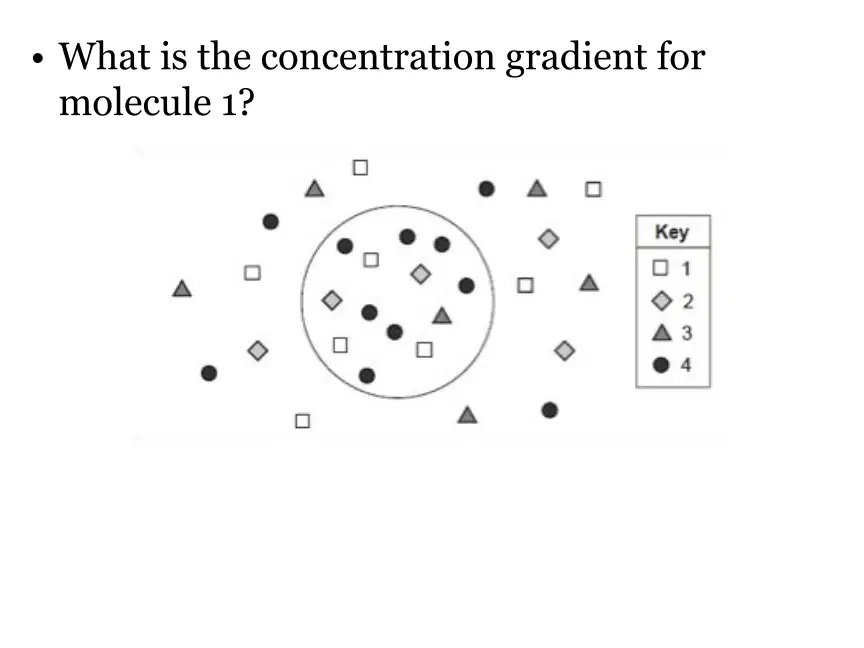
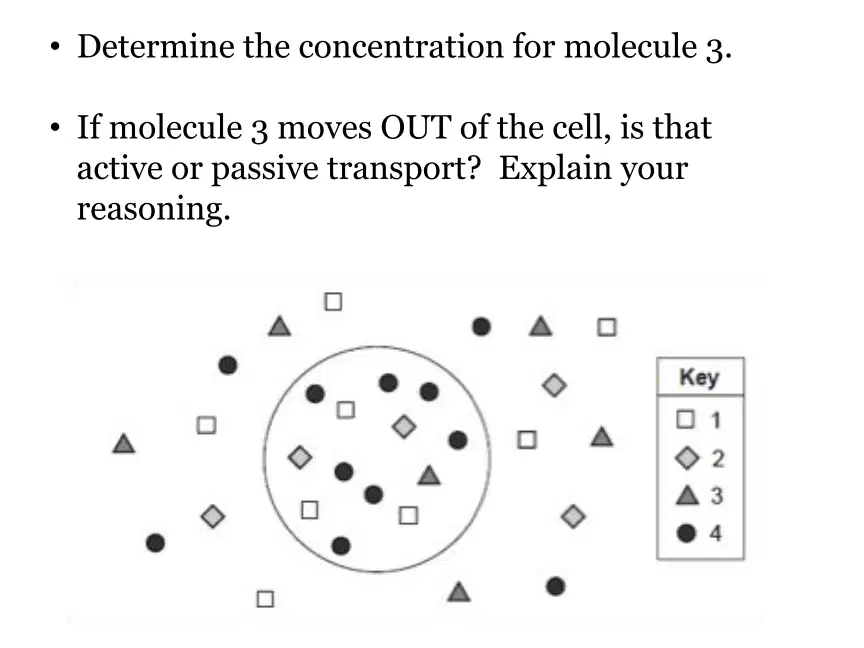
Open Ended
What is the concentration gradient for molecule 1?
48
49
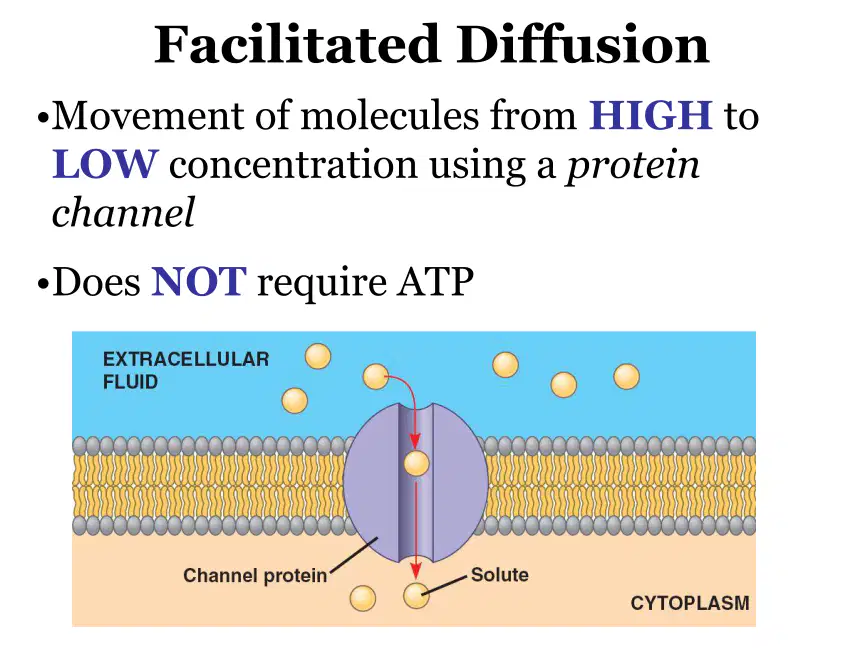
Multiple Choice
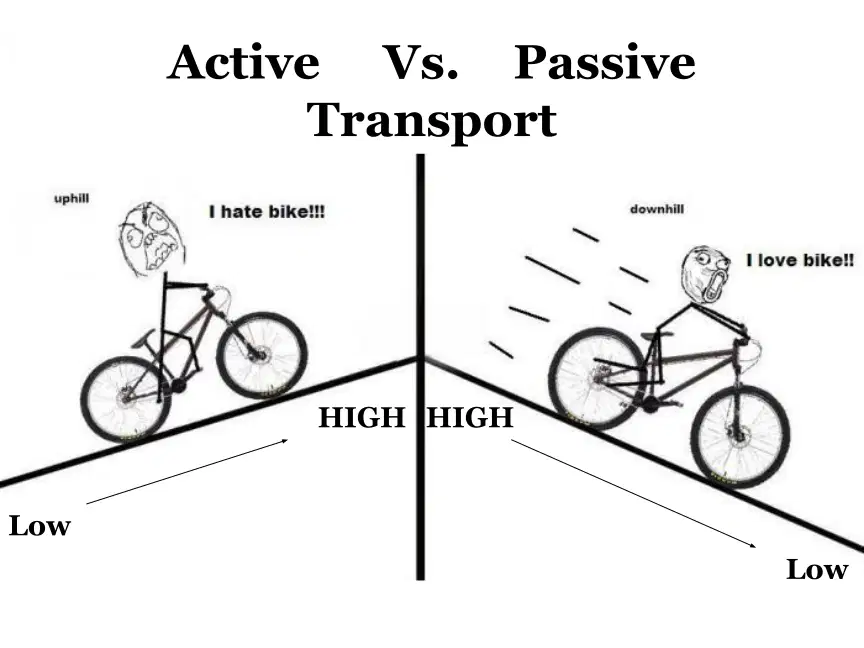
Which of the following statements best describes facilitated diffusion?
Movement of molecules from high to low concentration using a protein channel, without ATP
Movement of molecules from low to high concentration using a protein channel, with ATP
Movement of molecules from high to low concentration without a protein channel, using ATP
Movement of molecules from low to high concentration without a protein channel, without ATP
50
51
52
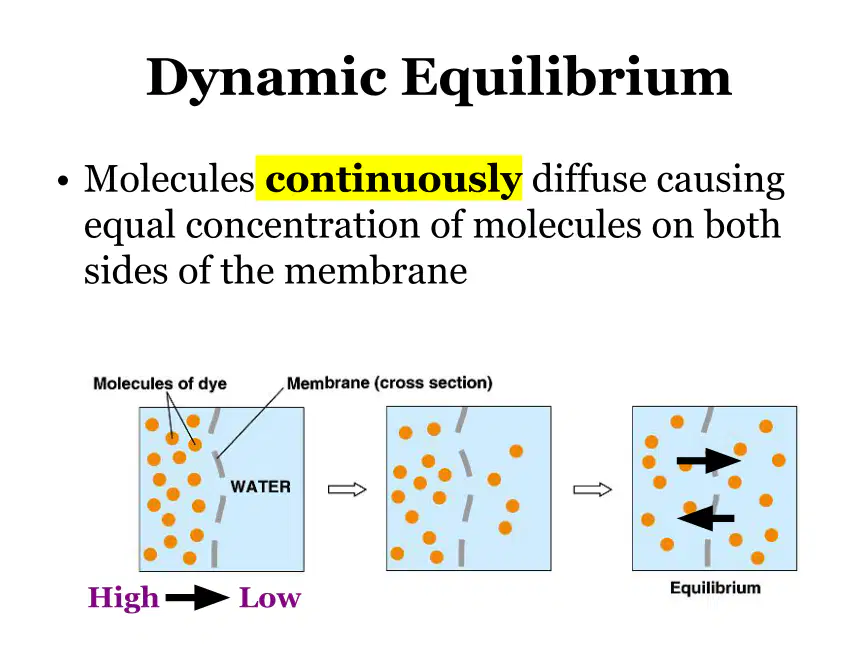
Fill in the Blanks
Fill in the blank: When molecules reach equal concentration on both sides of the membrane, the system is said to be in
Type answer...
53
54
55
56
57
58
59
60
61
62
63
64
65
66
67
68
69
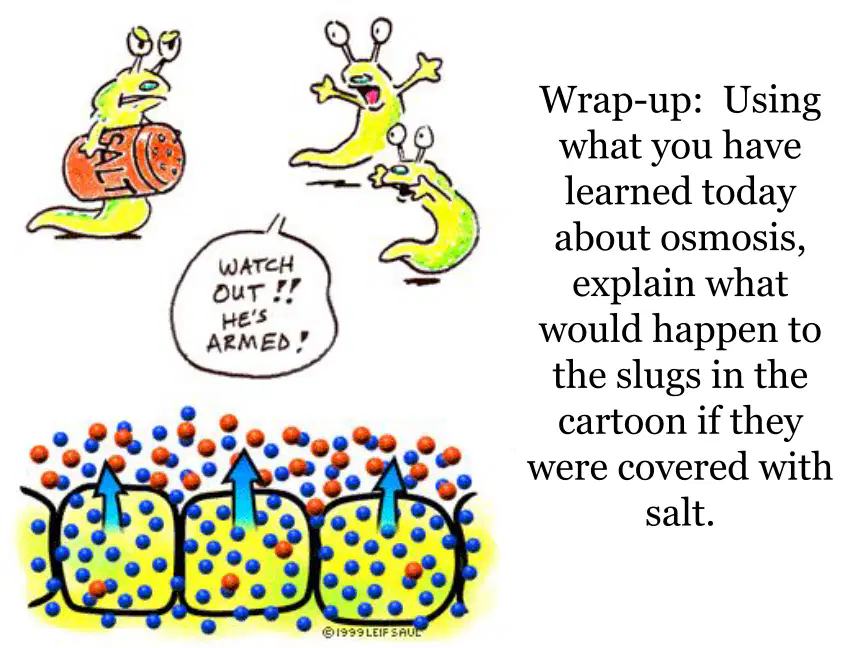
70
Multiple Choice
In what ways is the cell membrane similar to a fortress?
It allows all substances to enter freely
It protects the cell by separating environments and controlling entry
It produces energy for the cell
It stores genetic information
Show answer
Auto Play
Slide 1 / 70
SLIDE
Similar Resources on Wayground

67 questions
Chemistry 4.3
Presentation
•
10th - 12th Grade
66 questions
Deason Unit 1 Chemistry of Life
Presentation
•
9th Grade - University
67 questions
MS: Musculoskeletal Lesson
Presentation
•
KG - University
61 questions
Intro to Oceanography
Presentation
•
9th - 12th Grade
63 questions
5th Six Weeks Test Review
Presentation
•
9th - 12th Grade
63 questions
The Carrying Capacity of Ecosystems Lesson
Presentation
•
9th - 12th Grade
67 questions
Unit 1 Lessons (Forces, Equilibrium, Inertia)
Presentation
•
9th - 12th Grade
Popular Resources on Wayground
10 questions
Safety Day 2026 – Student Review

Quiz
•
9th Grade
21 questions
Continents and Oceans
Quiz
•
6th Grade
20 questions
Parts of Speech
Quiz
•
5th Grade
16 questions
Subject & Predicate
Quiz
•
5th Grade
25 questions
Multiplication Facts
Quiz
•
5th Grade
12 questions
Map Skills
Quiz
•
3rd Grade
22 questions
Continents and Oceans
Quiz
•
5th Grade
15 questions
Rounding Decimals
Quiz
•
5th Grade
Discover more resources for Science
10 questions
Exploring Chemical and Physical Changes

Interactive video
•
6th - 10th Grade
20 questions
Atomic Structure
Quiz
•
9th Grade
10 questions
Exploring the Electromagnetic Spectrum for Middle School Science
Interactive video
•
6th - 10th Grade
10 questions
Exploring Force and Motion Concepts
Interactive video
•
6th - 10th Grade
10 questions
Exploring Air Masses and Weather Fronts
Interactive video
•
6th - 10th Grade
14 questions
Periodic Trends
Interactive video
•
11th Grade
10 questions
Exploring the States of Matter
Interactive video
•
6th - 10th Grade
10 questions
Exploring Forces: Net Force, Normal Force, Gravity, and Friction
Interactive video
•
6th - 10th Grade