

NUR 155 Chapter 30 Nutrition

Presentation
•
Health Sciences
•
University
•
Practice Problem
•
Easy

Lesa Stacy
Used 6+ times
FREE Resource
30 Slides • 28 Questions
1
2
Open Ended
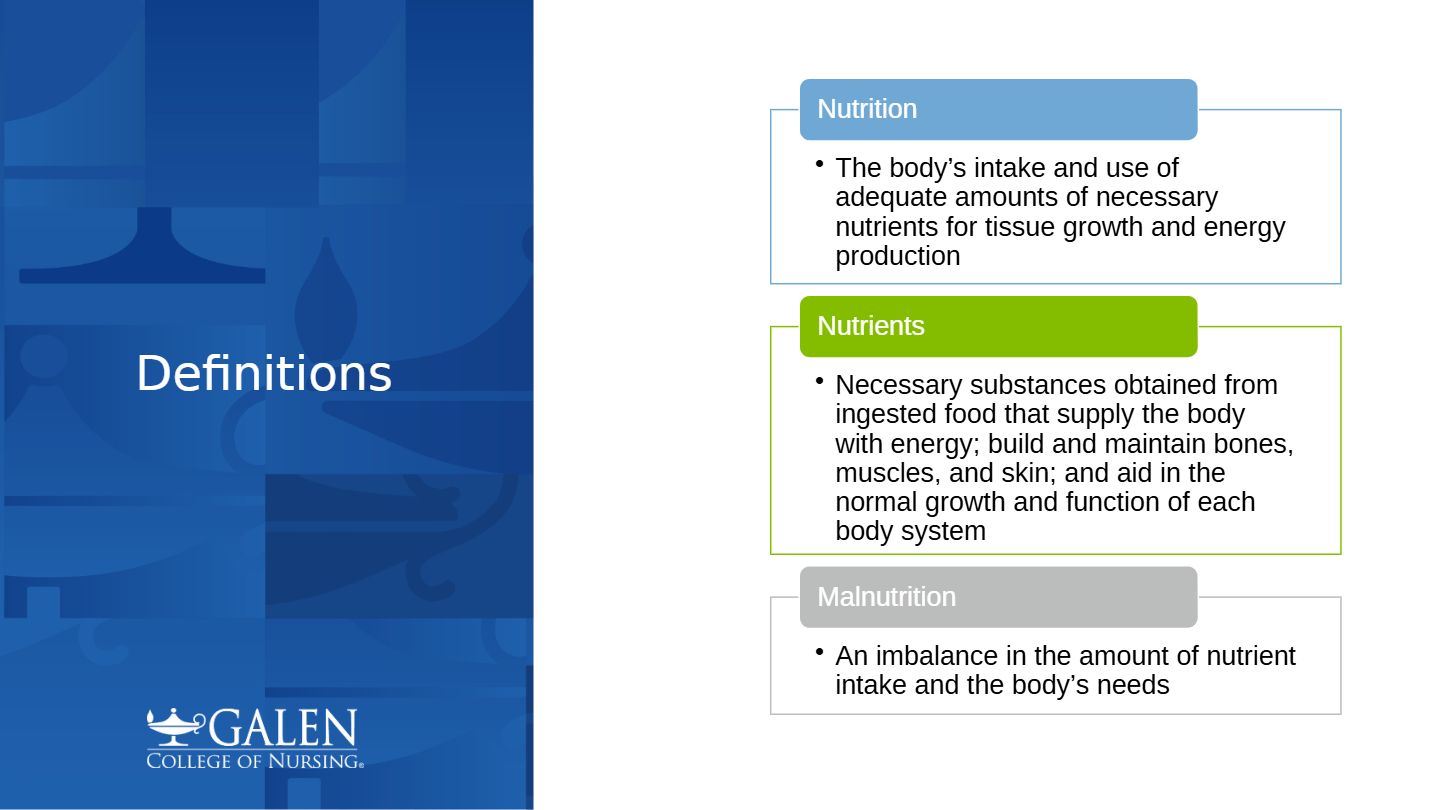
How does understanding metabolism help in promoting good health?
3
Open Ended
Why is proper nutrition significant for maintaining overall health and body function?
4
5
Multiple Choice
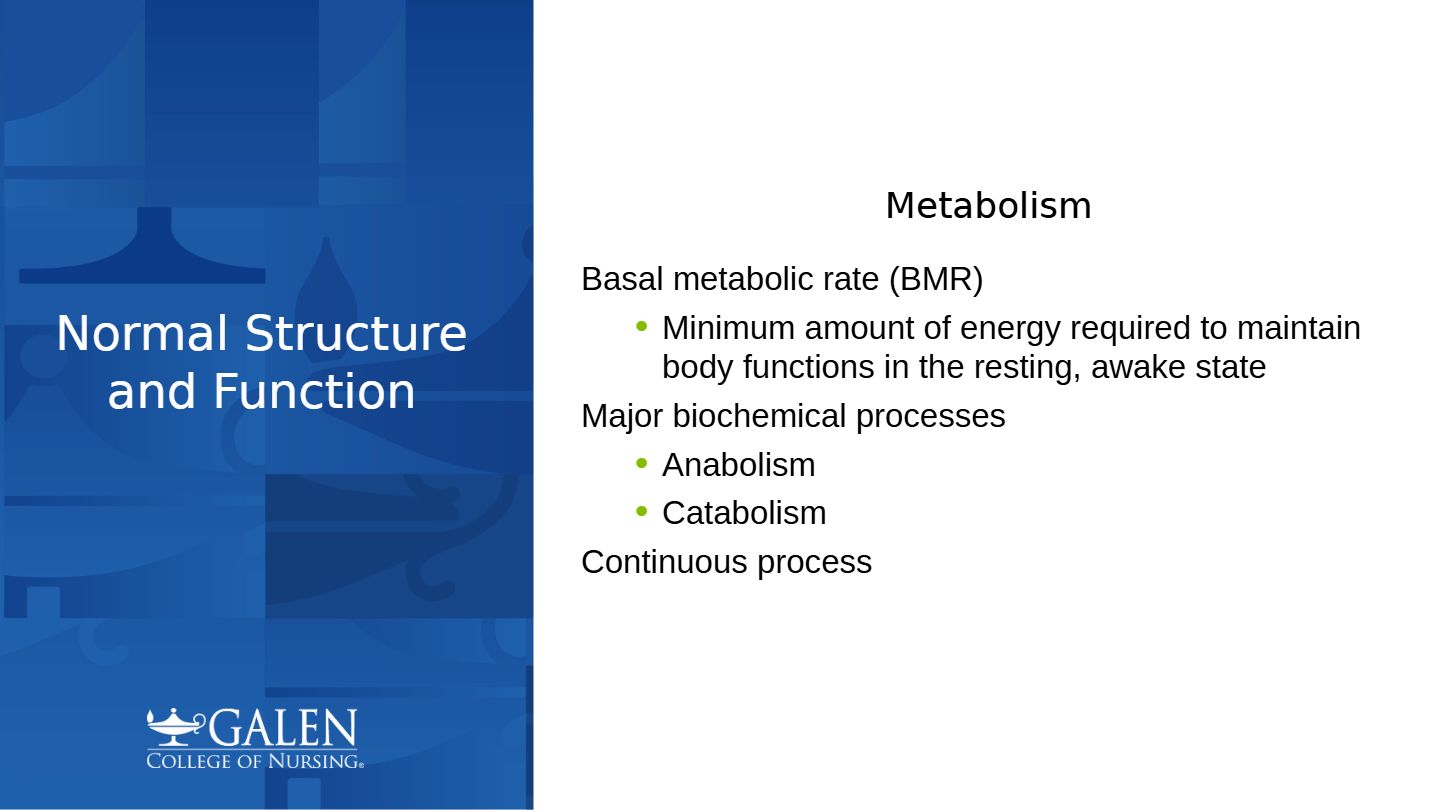
Which of the following best describes the basal metabolic rate (BMR)?
The amount of energy required to maintain body functions in the resting, awake state
The energy used during physical activity
The energy needed for digestion
The total energy intake from food
6
7
Multiple Choice
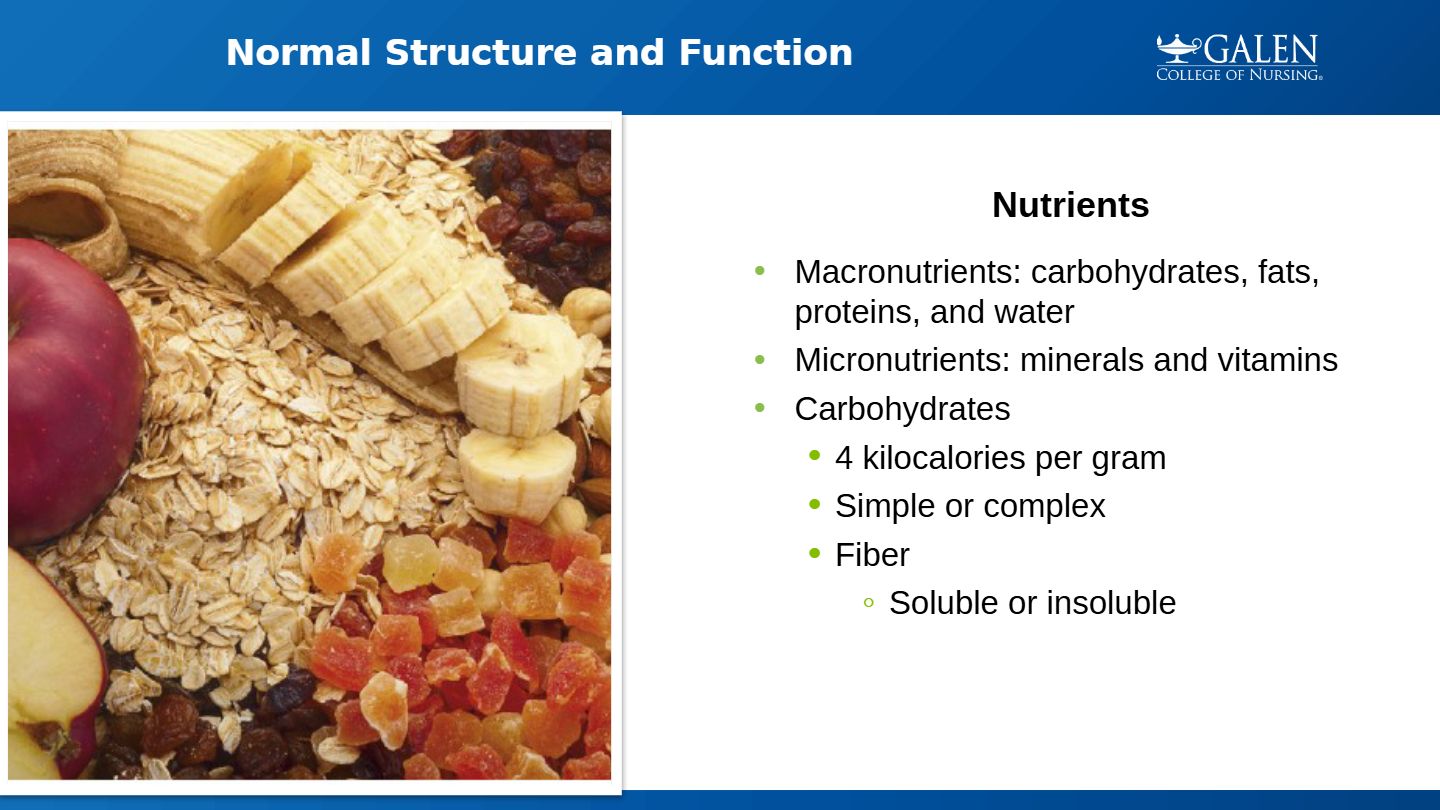
Which of the following is a micronutrient?
Carbohydrates
Fats
Minerals
Proteins
8
9
Multiple Select
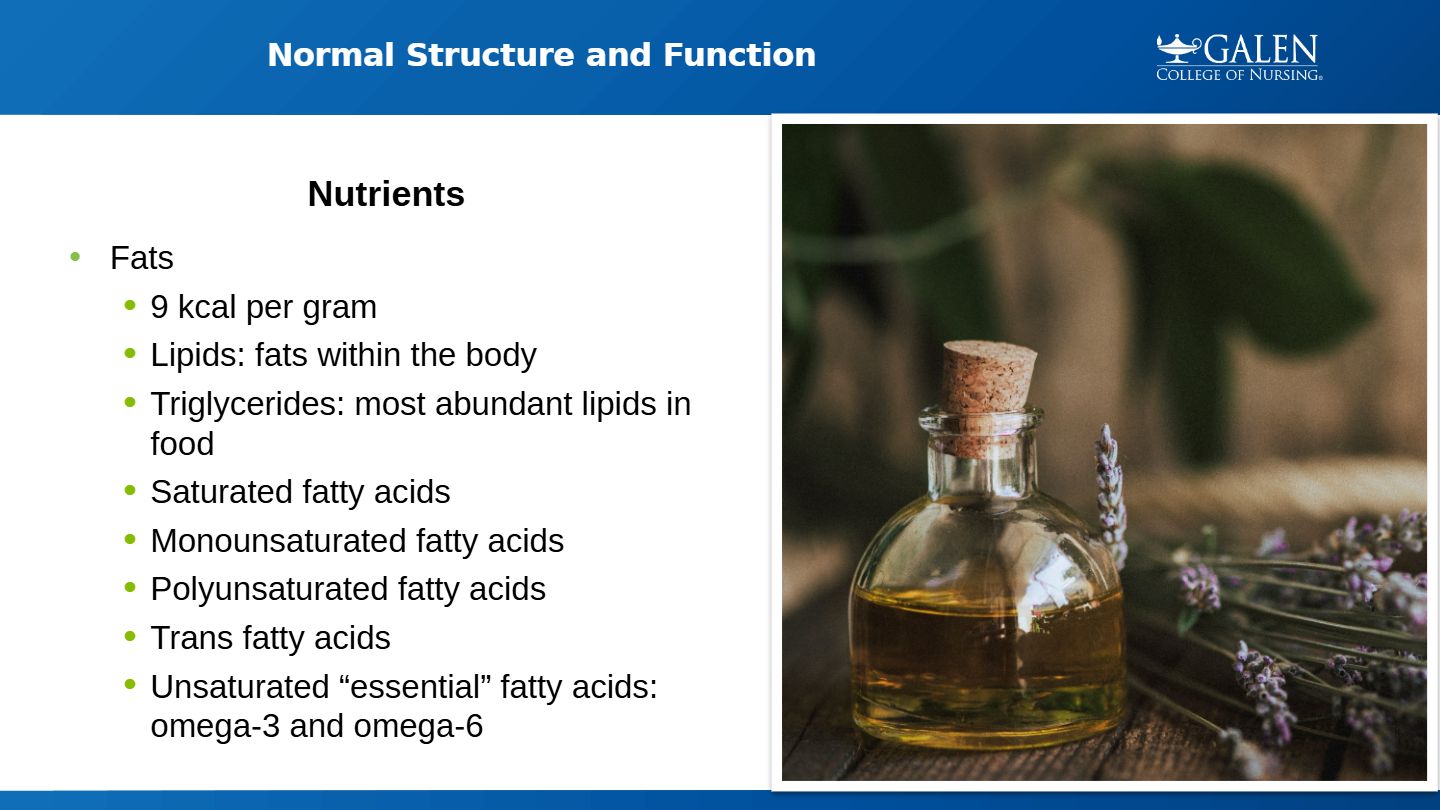
Which of the following are considered unsaturated fatty acids?
Saturated fatty acids
Monounsaturated fatty acids
Polyunsaturated fatty acids
Trans fatty acids
10
11
Fill in the Blanks
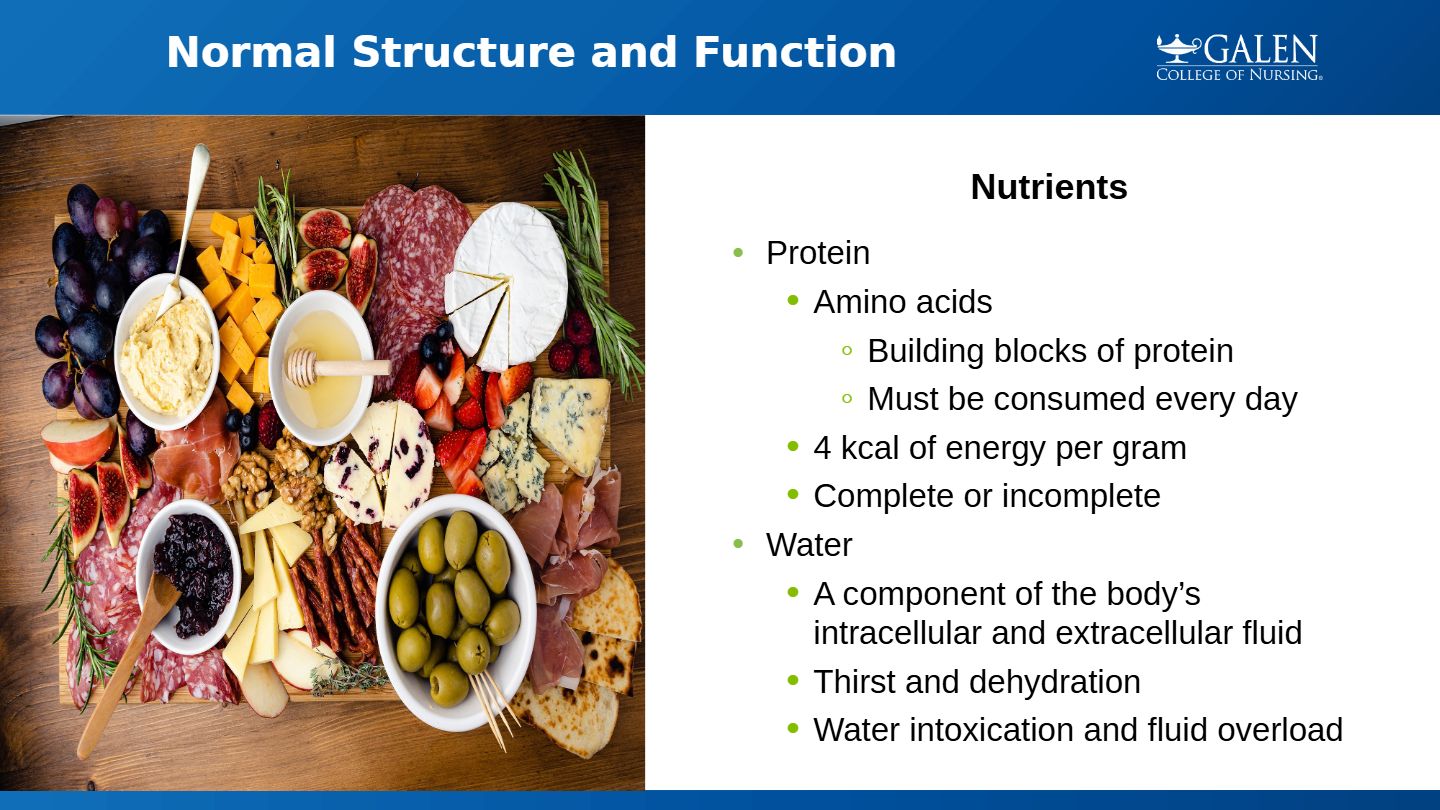
Amino acids are the building blocks of
Type answer...
12
13
Open Ended
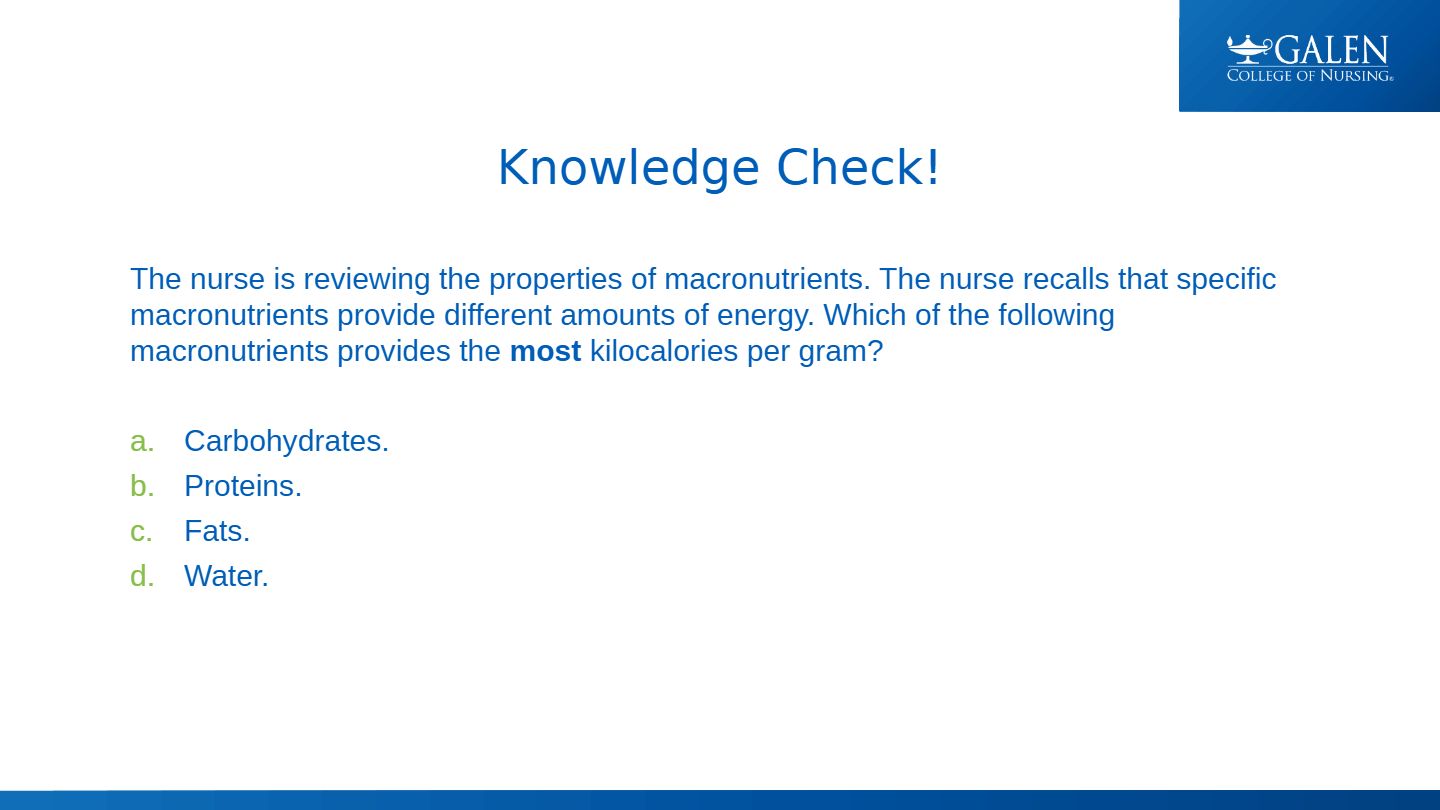
Compare the energy provided per gram by carbohydrates, fats, and proteins.
14
15
16
Multiple Select
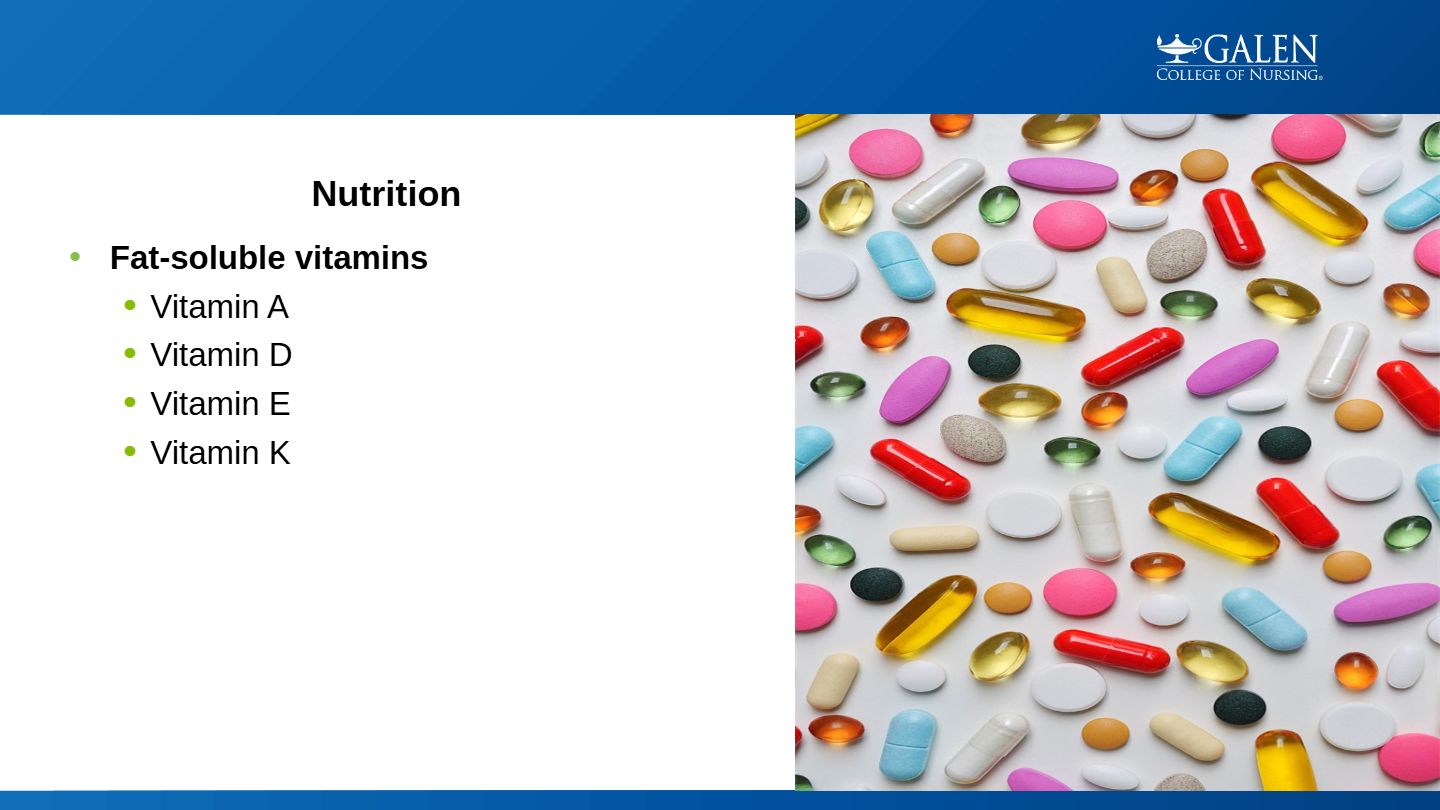
Which of the following vitamins are fat-soluble?
Vitamin C
Vitamin D
Vitamin B12
Vitamin K
17
Open Ended
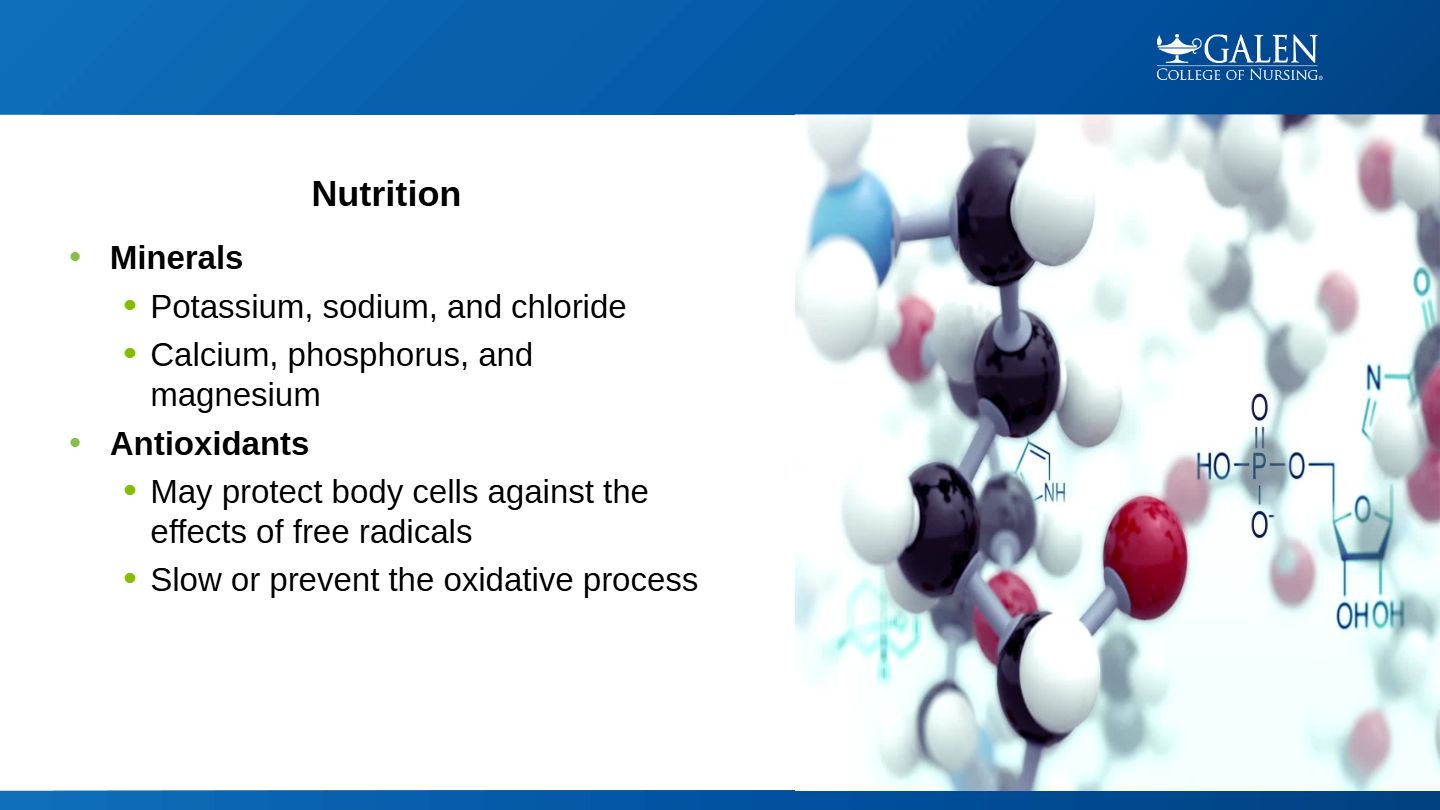
List two minerals that may help protect body cells against the effects of free radicals.
18
19
Multiple Choice
Which of the following is NOT a function of the digestive system?
Ingestion
Absorption of nutrients
Elimination of waste
Production of hormones
20
21
Multiple Choice
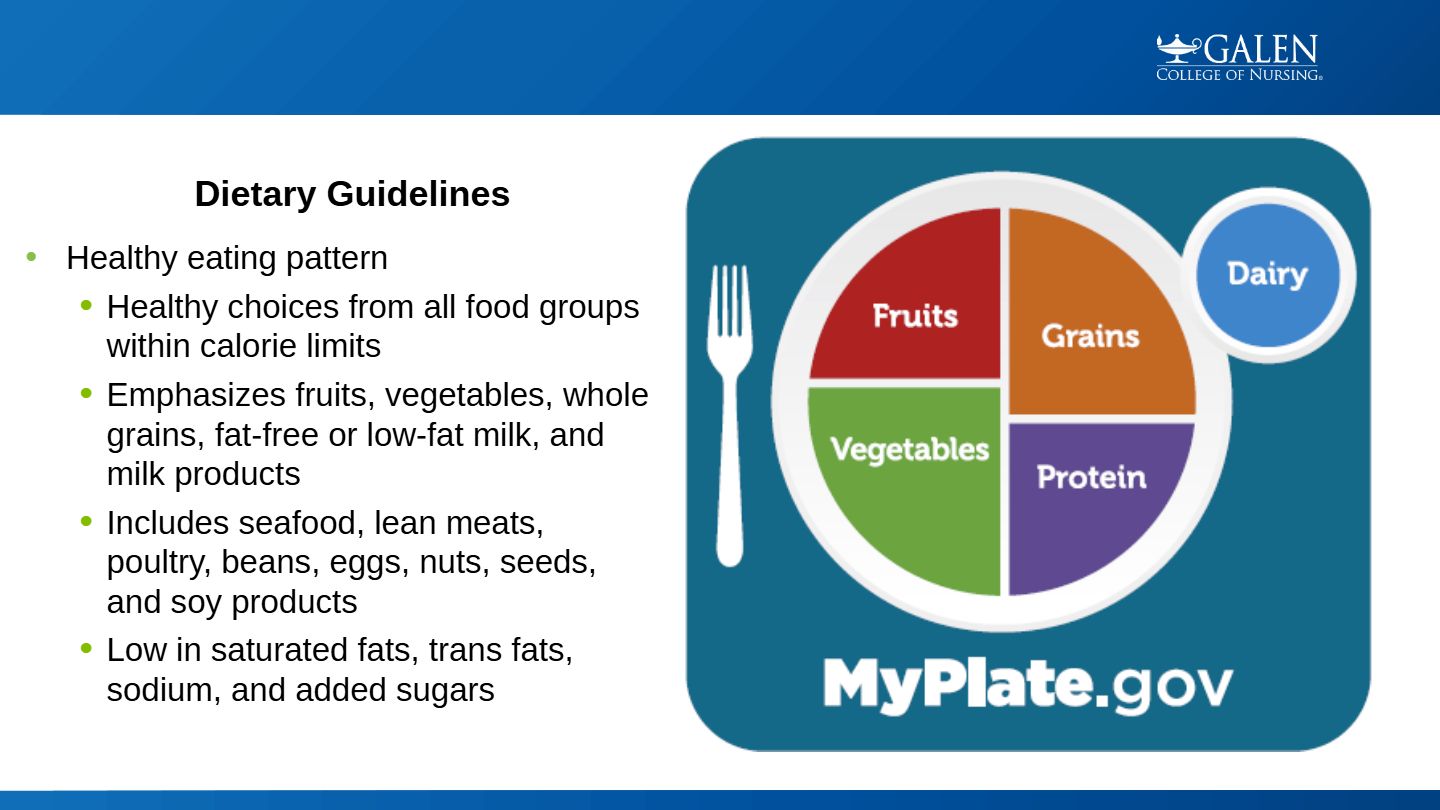
According to the dietary guidelines, what are the main food groups that should be included in a healthy eating pattern?
Fruits, Vegetables, Grains, Protein, Dairy
Fruits, Vegetables, Fats, Sugars, Dairy
Grains, Protein, Fats, Dairy, Sweets
Vegetables, Protein, Fats, Dairy, Sugars
22
23
Open Ended
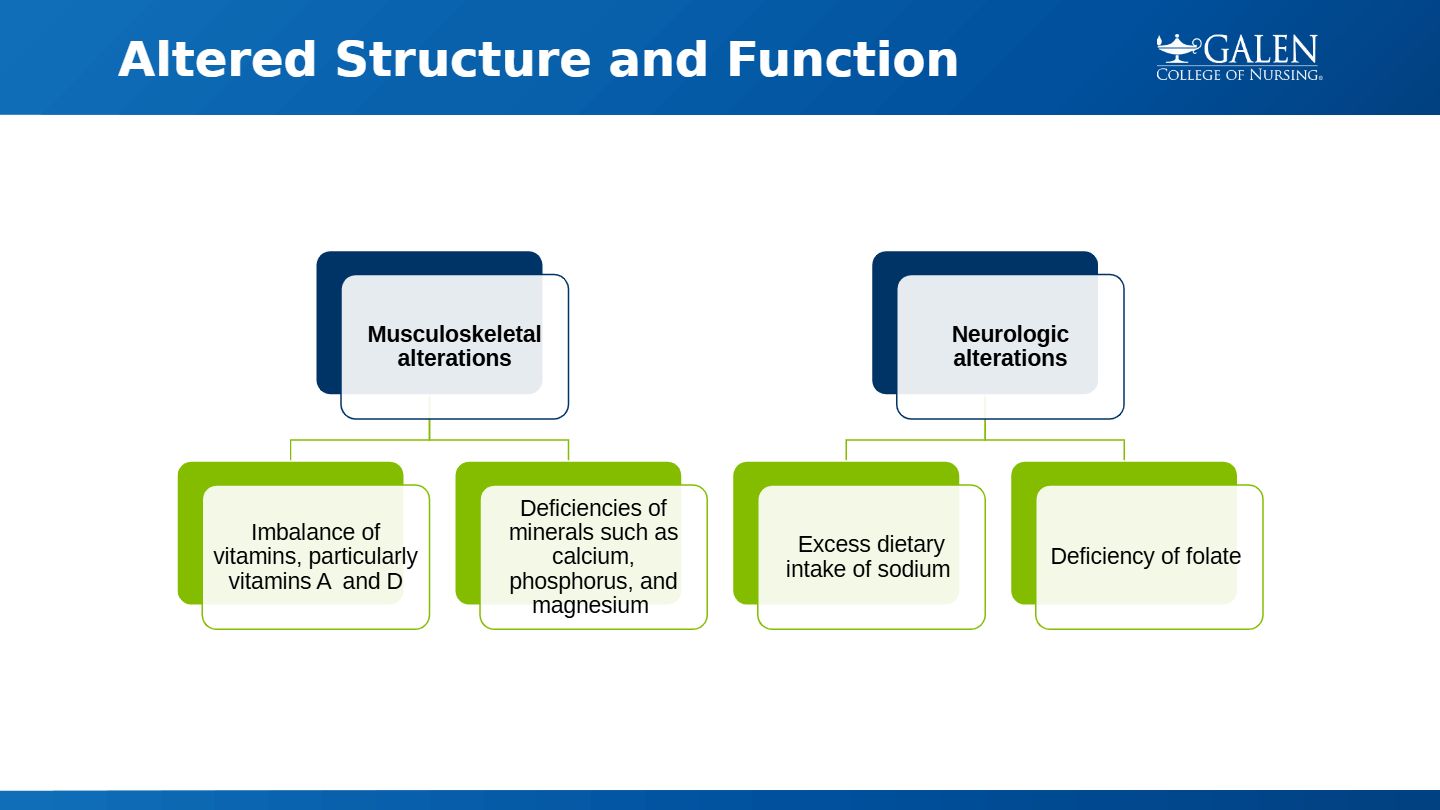
Explain how deficiencies in vitamins and minerals can lead to musculoskeletal and neurologic alterations.
24
25
Multiple Choice
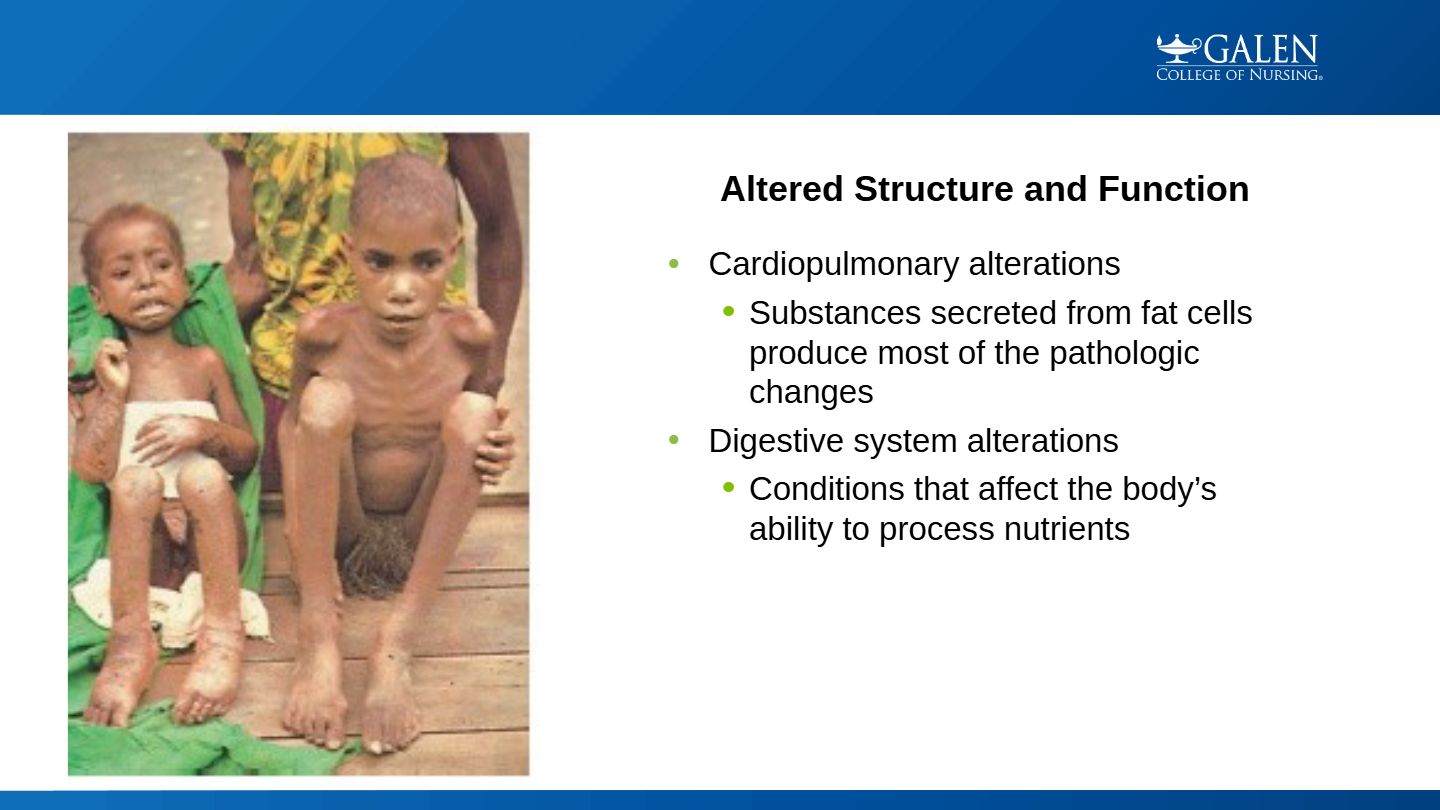
Which of the following are possible consequences of cardiopulmonary and digestive system alterations due to malnutrition?
Increased fat storage
Impaired nutrient processing
Improved immune response
Enhanced muscle growth
26
27
Fill in the Blanks
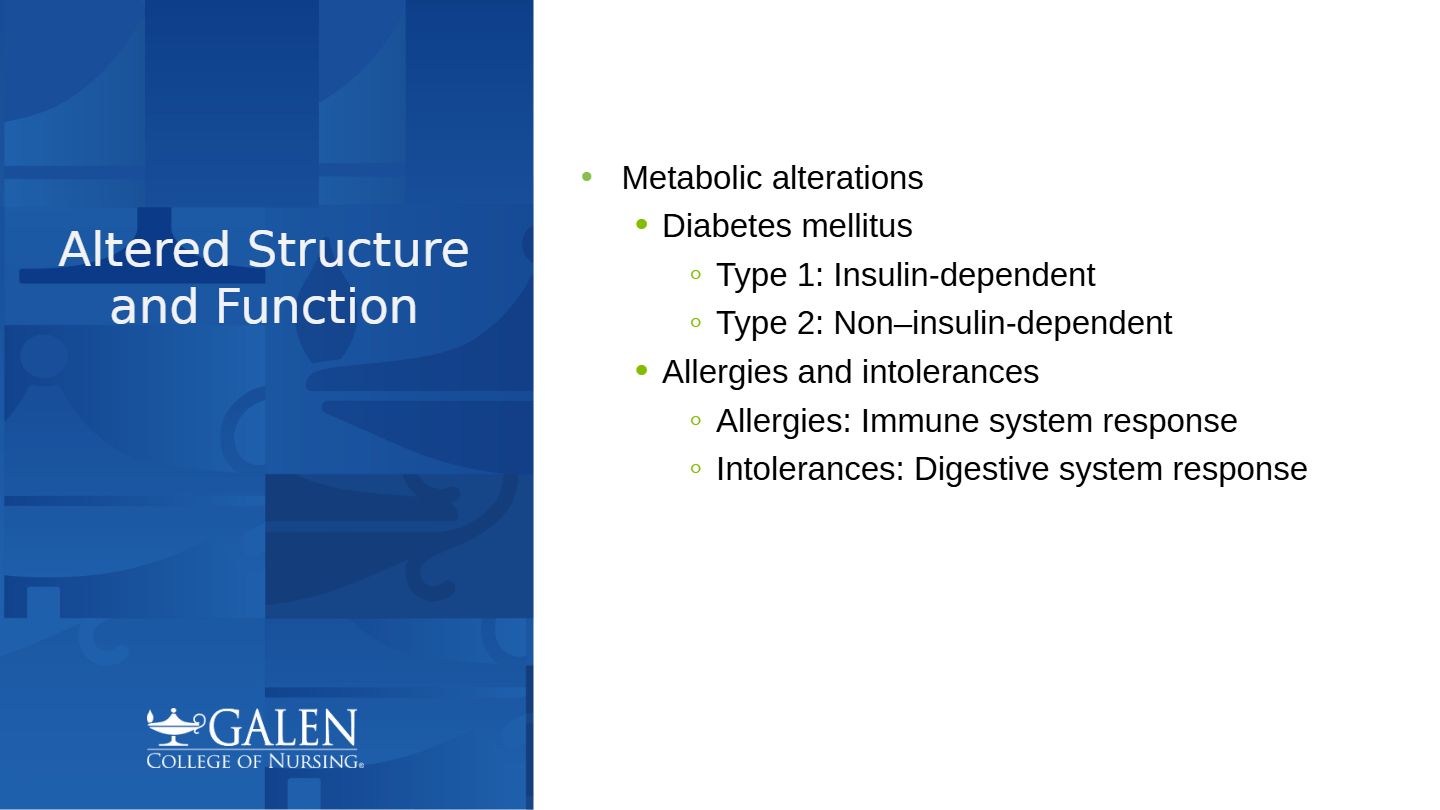
Fill in the blank: Type 1 diabetes mellitus is also known as
Type answer...
28
29
Open Ended
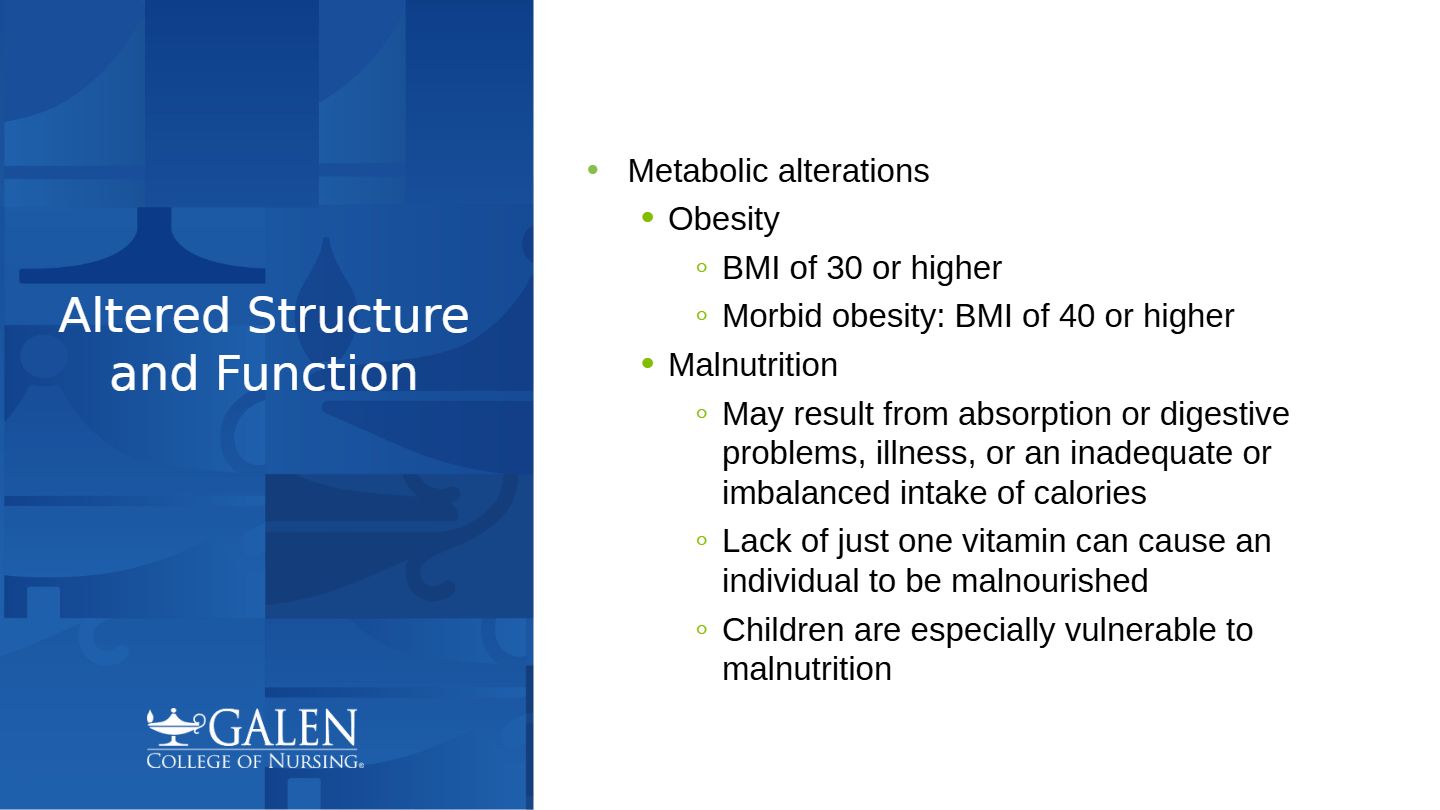
List two reasons why children are especially vulnerable to malnutrition.
30
31
32
Multiple Select
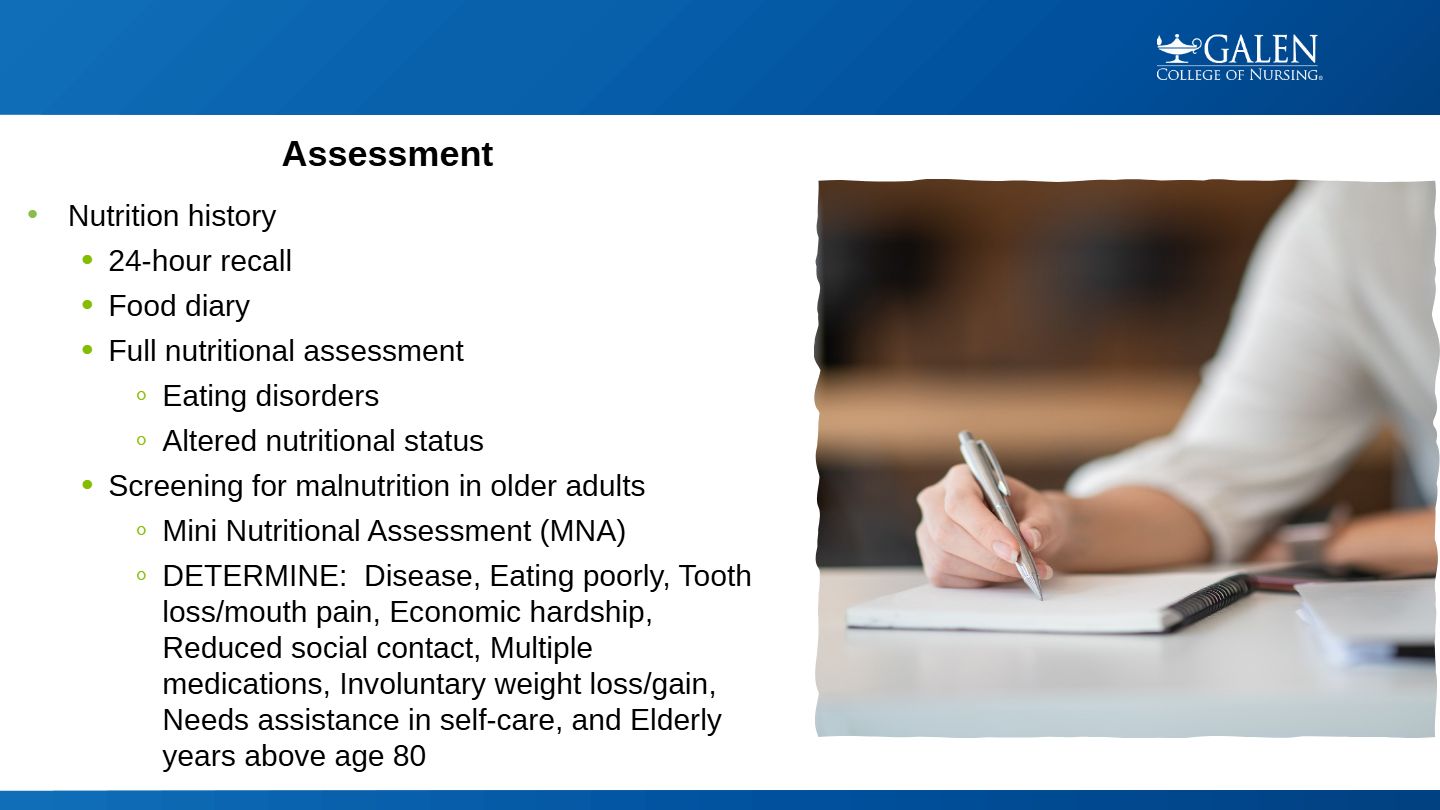
Which of the following are included in the screening for malnutrition in older adults according to the DETERMINE checklist?
Economic hardship
Reduced social contact
Multiple medications
All of the above
33
Open Ended
Describe the importance of a 24-hour recall and food diary in nutritional assessment.
34
Multiple Choice
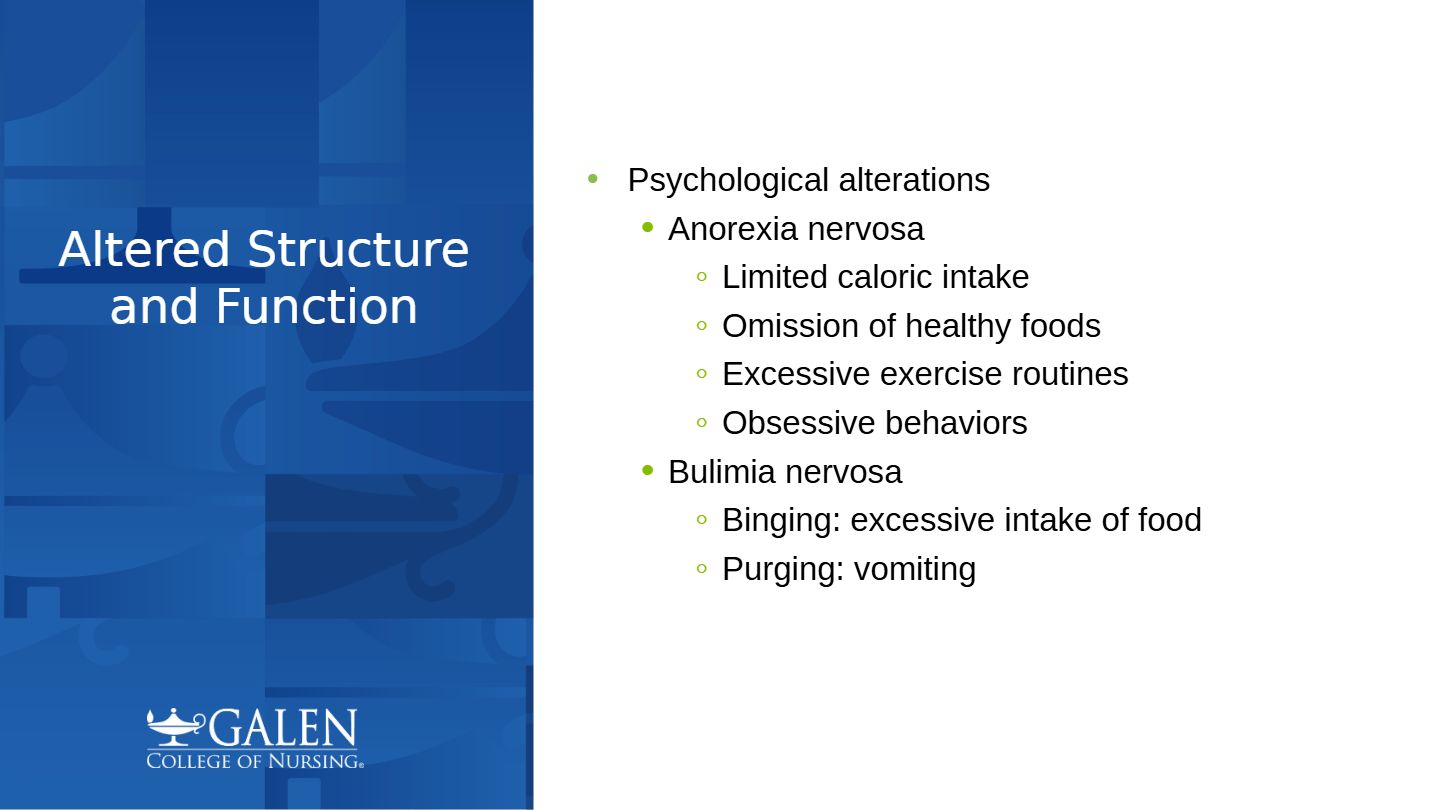
Which psychological alteration is characterized by limited caloric intake, omission of healthy foods, excessive exercise routines, and obsessive behaviors?
Anorexia nervosa
Bulimia nervosa
Binge eating disorder
Orthorexia
35
36
Fill in the Blanks
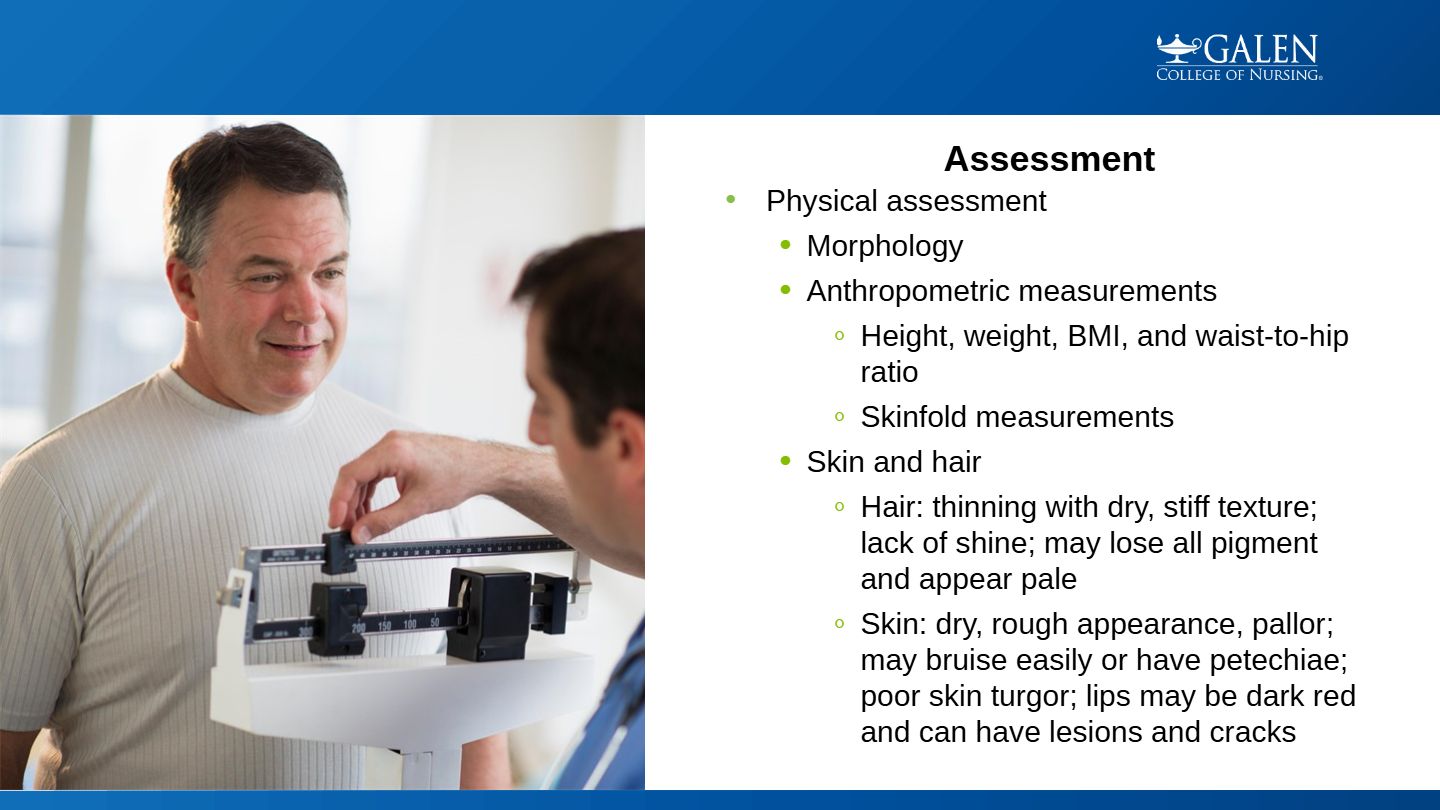
Skinfold measurements are used to assess
Type answer...
37
38
Open Ended
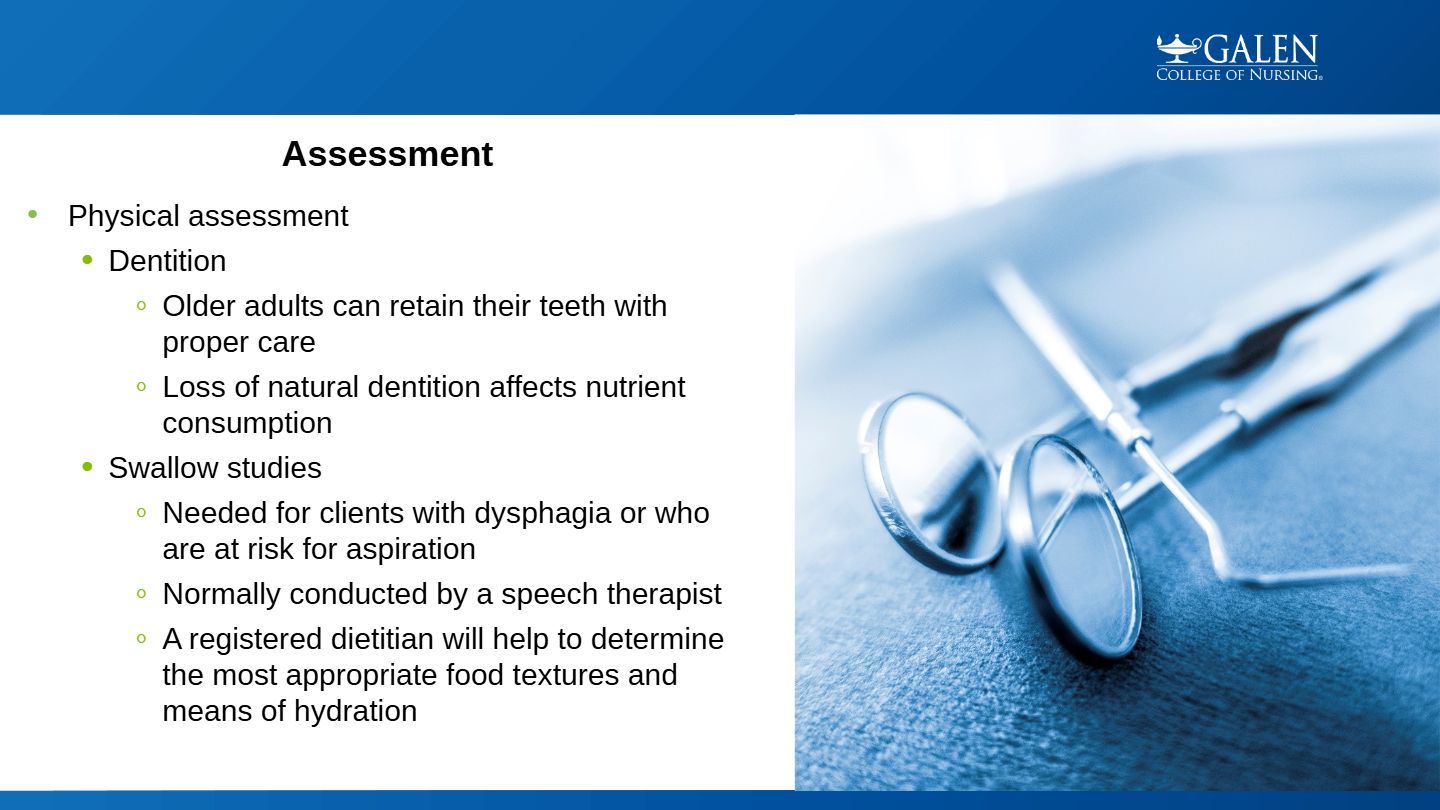
Explain how loss of natural dentition can affect nutrient consumption in older adults.
39
40
Multiple Choice
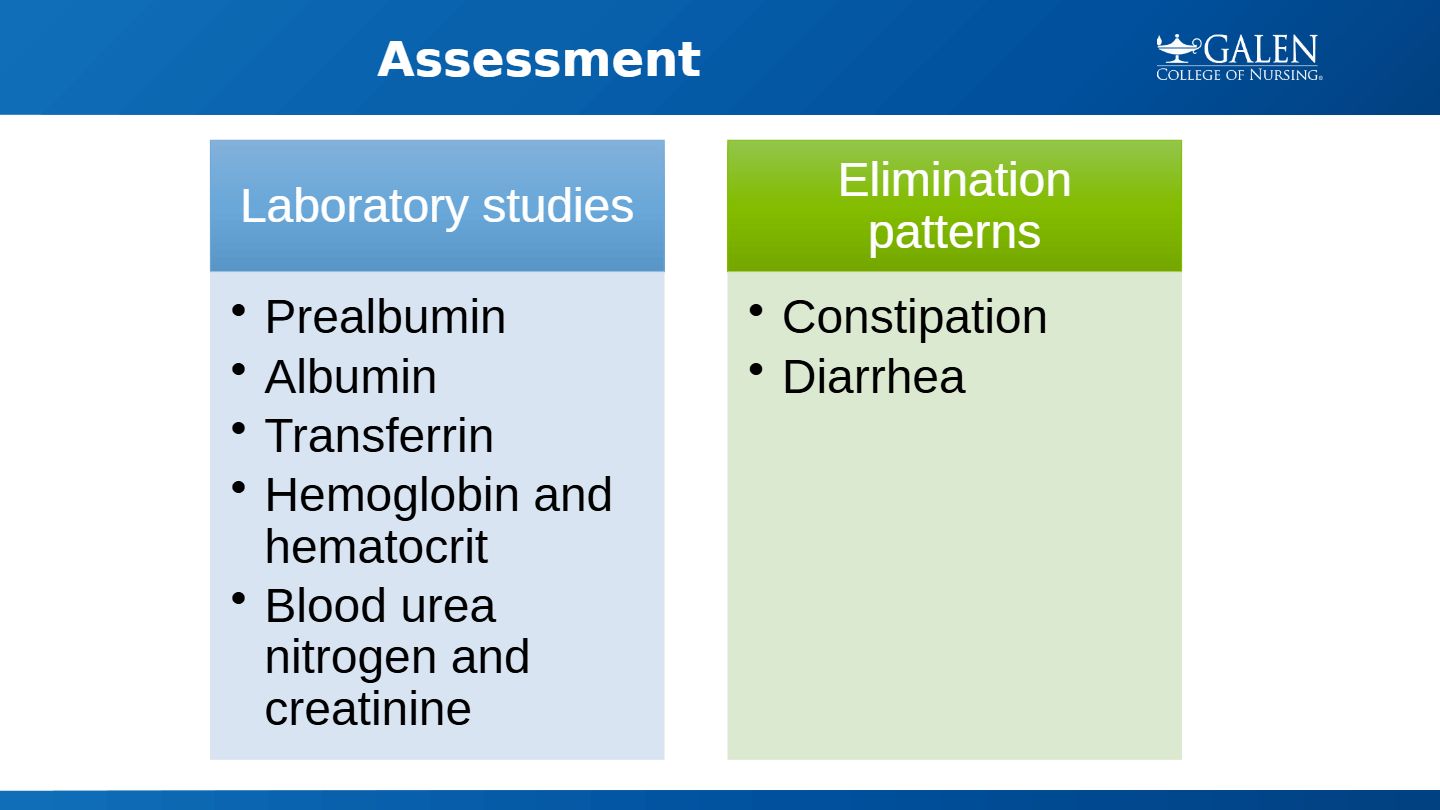
Which laboratory studies are commonly used to assess nutritional status?
Prealbumin
Albumin
Transferrin
All of the above
41
42

43
Multiple Choice
Which step in the nursing planning process involves deciding on specific actions to help the client achieve identified goals or outcomes?
Prioritize
Identify
Decide on
Collaborate
44
45
Open Ended
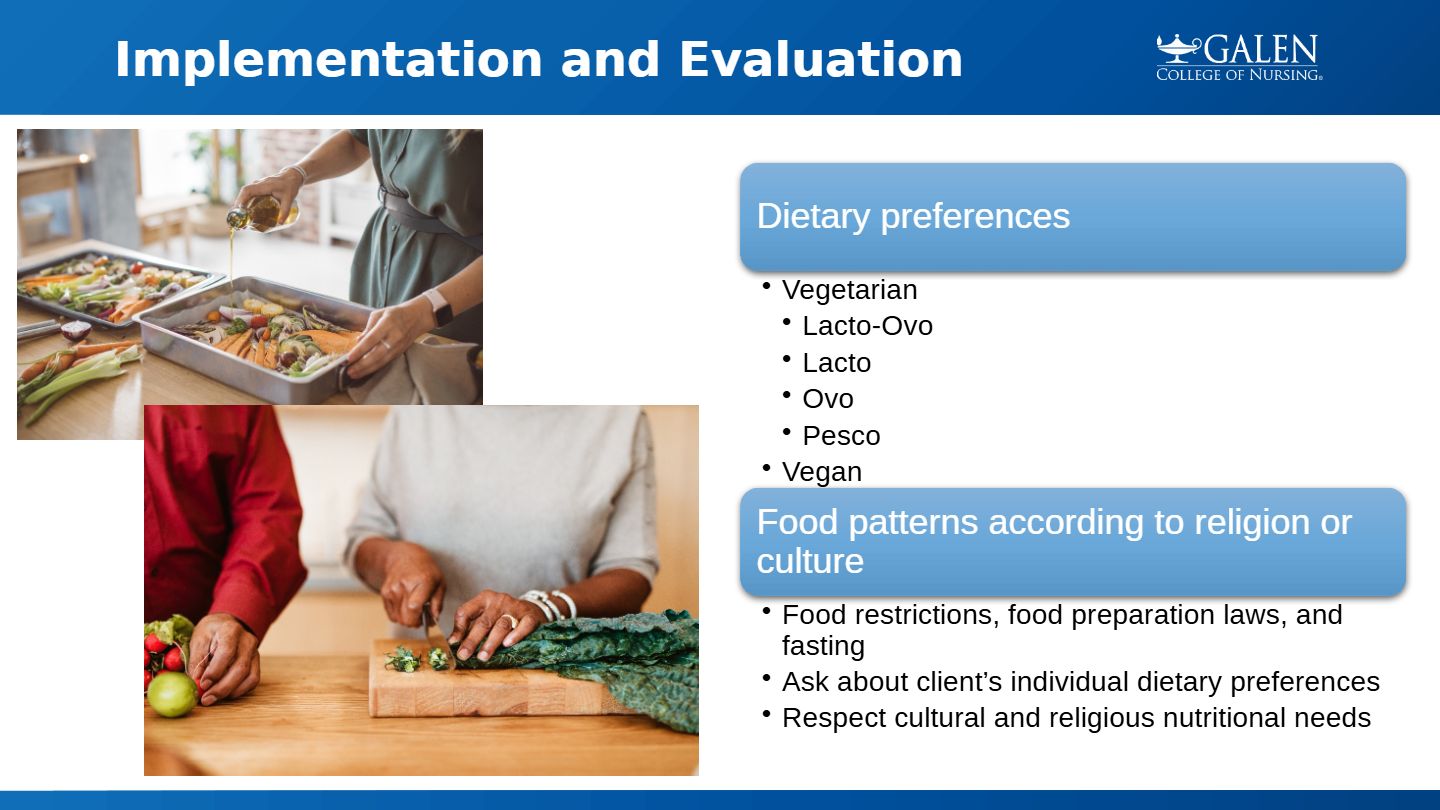
Explain how cultural and religious dietary patterns can impact the implementation of a nutritional care plan for a client.
46
47
Multiple Select
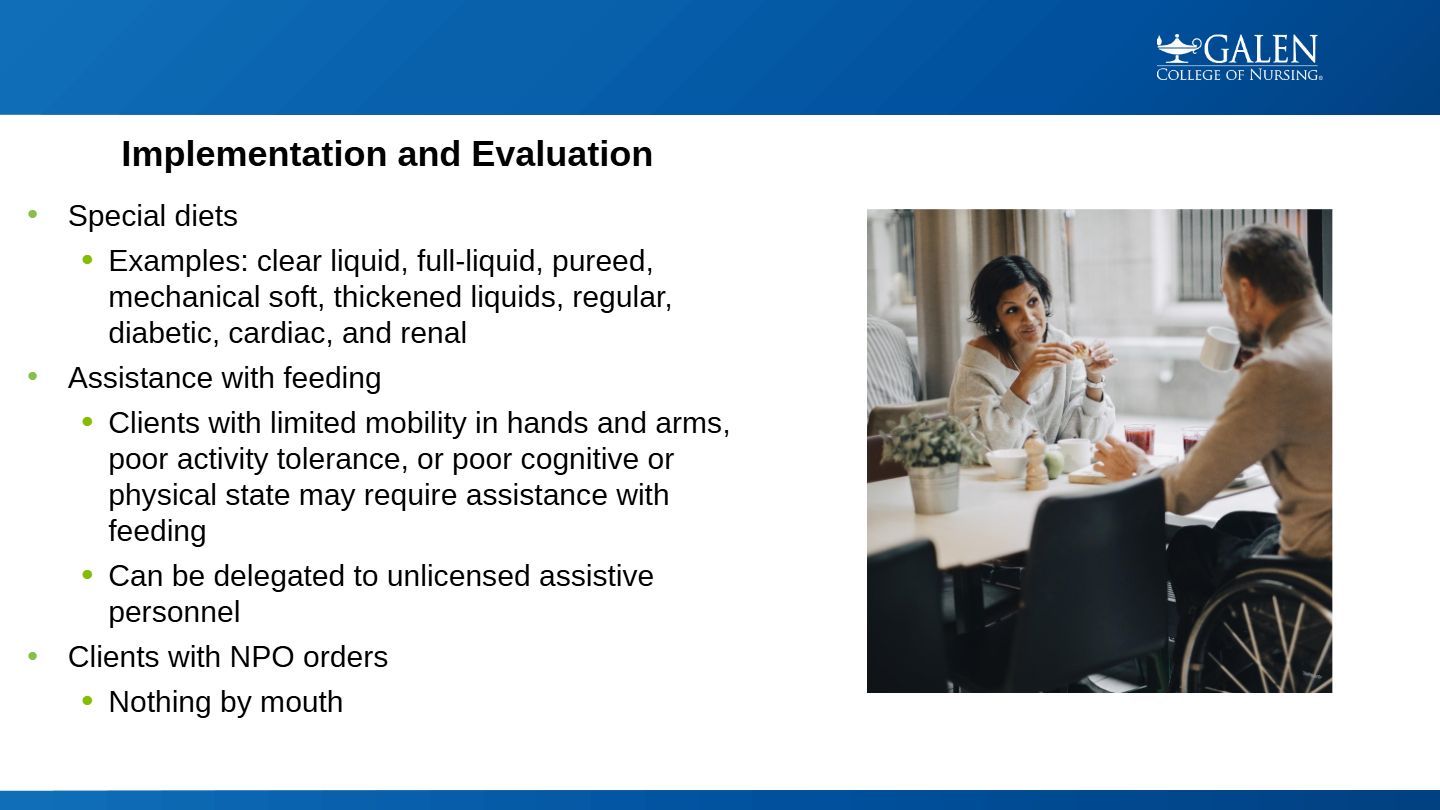
Which of the following are examples of special diets that may be implemented for clients?
Clear liquid
Diabetic
Cardiac
All of the above
48
49
Fill in the Blanks
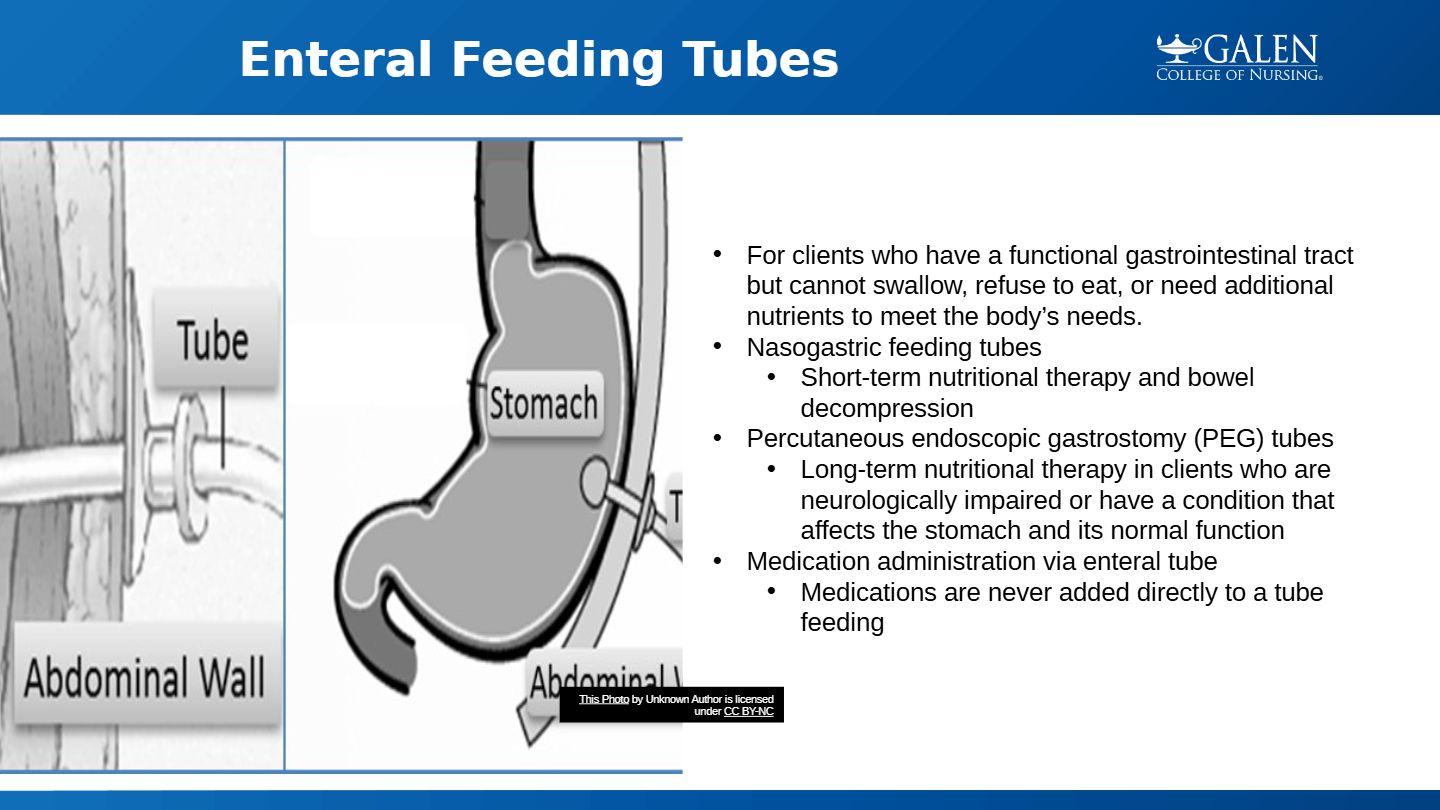
Fill in the blank: Medications are never added directly to a tube
Type answer...
50
51
52
Multiple Choice
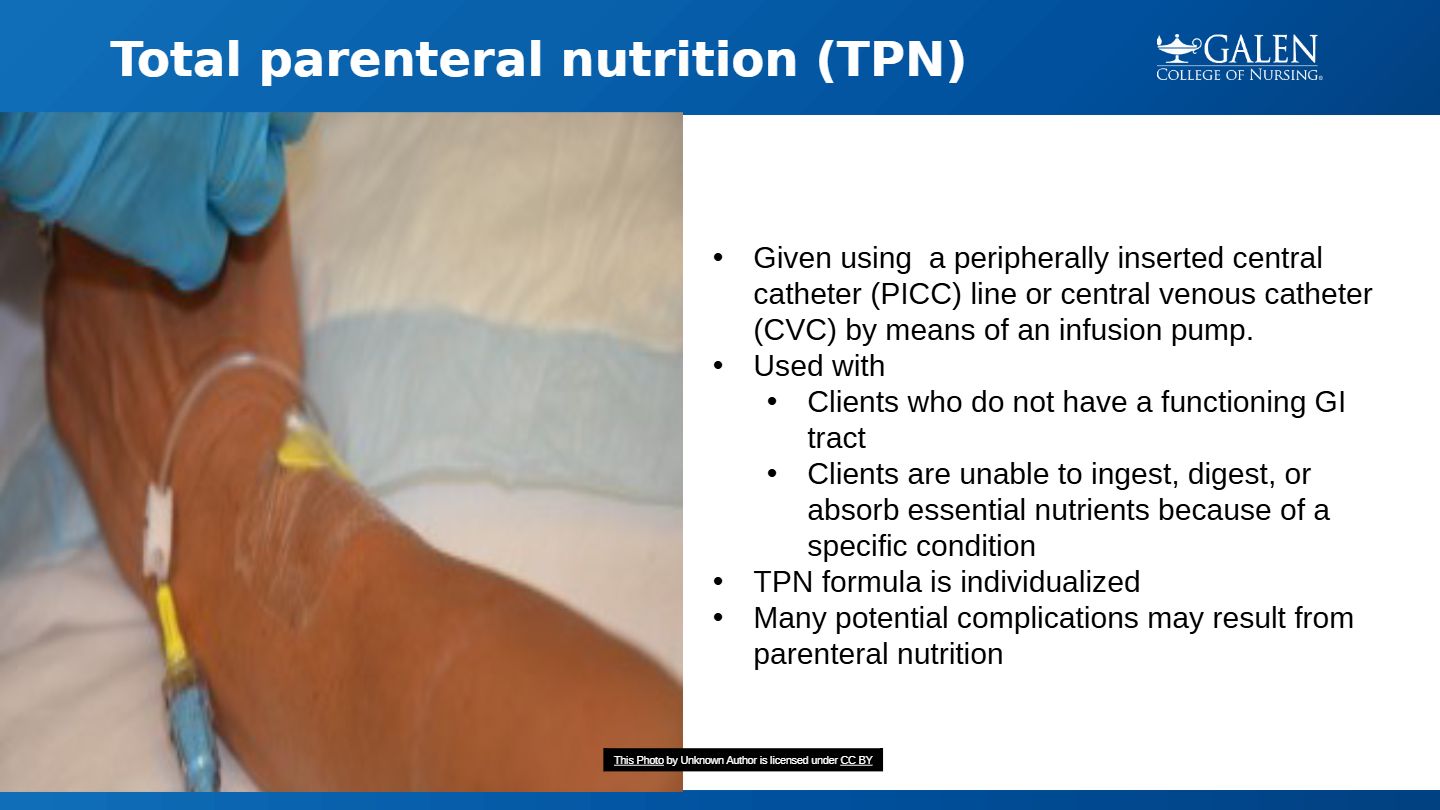
Total parenteral nutrition (TPN) is given using which of the following methods?
Oral ingestion
Peripheral IV line
Infusion pump via PICC or CVC
Nasogastric tube
53
Open Ended
Compare and contrast enteral feeding and total parenteral nutrition (TPN) in terms of indications and administration methods.
54
55
56
57
58
Multiple Choice
What is the difference between nutrition and nutrients?
Nutrition is the intake and use of nutrients, while nutrients are the substances obtained from food.
Nutrition is only about vitamins, while nutrients are only about minerals.
Nutrition is the process of digestion, while nutrients are the waste products.
Nutrition and nutrients mean the same thing.
Show answer
Auto Play
Slide 1 / 58
SLIDE
Similar Resources on Wayground

52 questions
Cardiovascular System
Presentation
•
12th Grade
54 questions
BIO111 Chapter 4- Cells
Presentation
•
University
53 questions
MGT400_CH 5 ORGANIZING
Presentation
•
University
53 questions
Audio/Visual 1
Presentation
•
KG - University
53 questions
[Lesson with Quiz] Chapter 5 - System Software
Presentation
•
University
49 questions
Lower Respiratory Obstructive Problems: Asthma vs CF
Presentation
•
KG - University
57 questions
Theater Arts
Presentation
•
KG - University
49 questions
Lifespan Psychology and Developmental Theories
Presentation
•
University
Popular Resources on Wayground
10 questions
Safety Day 2026 – Student Review

Quiz
•
9th Grade
21 questions
Continents and Oceans
Quiz
•
6th Grade
20 questions
Parts of Speech
Quiz
•
5th Grade
16 questions
Subject & Predicate
Quiz
•
5th Grade
25 questions
Multiplication Facts
Quiz
•
5th Grade
12 questions
Map Skills
Quiz
•
3rd Grade
22 questions
Continents and Oceans
Quiz
•
5th Grade
15 questions
Rounding Decimals
Quiz
•
5th Grade
Discover more resources for Health Sciences
20 questions
Disney Trivia
Quiz
•
University
10 questions
Spanish Greetings and Goodbyes!
Presentation
•
6th Grade - University
20 questions
Physical or Chemical Change/Phases
Quiz
•
8th Grade - University
39 questions
Unit 7 Key Terms
Quiz
•
11th Grade - University
25 questions
SER and Subject Pronouns
Quiz
•
8th Grade - University
38 questions
Unit 6 Key Terms
Quiz
•
11th Grade - University
19 questions
Key Concepts in Buddhism
Quiz
•
University
0 questions
Cell Domain Basic Review (Biology)
Quiz
•
University