

The Olympics: Part 2

Presentation
•
Social Studies
•
1st - 5th Grade
•
Medium

Allison Bayles
Used 1+ times
FREE Resource
10 Slides • 14 Questions
1
The Olympics:Part 2
By Allison Bayles
2
3
Multiple Choice
What was Hera famous for in Greek mythology?
she was the Titan married to Poseidon
she was the goddess wife of the chief god, Zeus
she was the goddess of hunting
4
5
Multiple Choice
Which Olympian is Dionysus?
god of messages
god of the sea
god of strife
god of gods
6
7
Multiple Choice
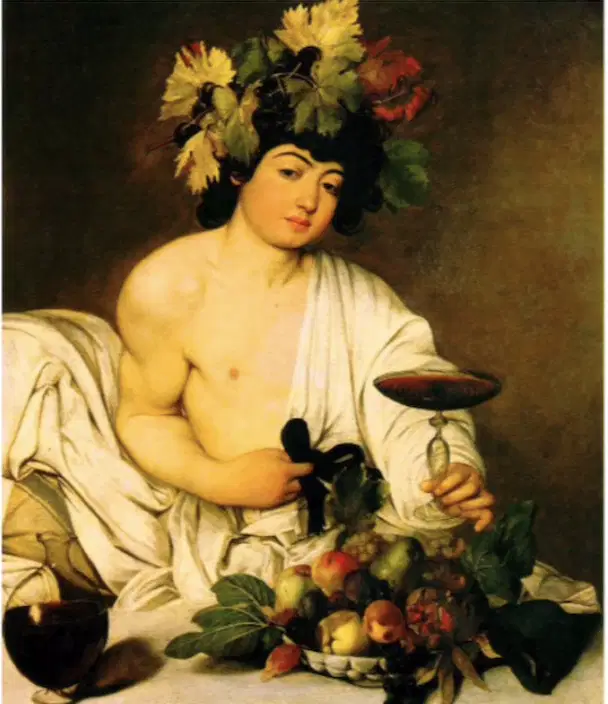
Which Olympian does this painting depict?
Zeus
Dionysus
Poseidon
8
9
10
Categorize
LONG JUMP
DISCUS THROWING
STADIUM SPRINT
JAVELIN THROWING
WRESTLING
SWIMMING
HORSEBACK RIDING
PISTOL SHOOTING
CROSS COUNTRY
RUNNING
FENCING
Organize these options into the right categories
11
Multiple Choice
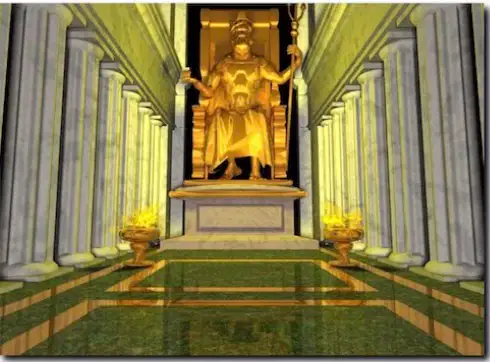
This famous temple was dedicated to which Greek god?
Hermes
Chronos
Zeus
12
13
Multiple Choice
Who was Zeus's father?
Chronos
Chaos
Poseidon
14
15
Multiple Choice
What is the name of our galaxy?
16
17
Multiple Choice
What is the approximate date of the first Olympics?
c. 837 B.C.
c. 967 B.C.
c. 667 B.C.
c. 776 B.C.
18
Multiple Choice
What was the purpose of the Olympics?
to test the physical skill of the strongest men in Greece
a sacred festival of sacrifices for God
to test the mental skill of the wisest men in Greece
a sacred festival of sacrifices and athletic games for the gods
19
Multiple Choice
What would warring tribes stop during the very sacred Olympics?
sleeping
tribal feasting
tribal fighting
fasting
20
Multiple Choice
Who was allowed to participate in the Olympics?
anyone brave enough to compete
any man or woman who was strong enough to complete the trial competitions
only pure-blooded Greeks
only men ages fourteen through twenty-two
21
Multiple Choice
What happened on the first and fifth days of the Olympics?
sacred grove cutting and boxing
chariot races and final parade
awards to athletes and chariot races
parade of athletes and awards to winners
22
Multiple Choice
What happened on the second, third, and fourth days of the Olympics?
parades
fishing or food
duels to the death
athletic competitions
23
Multiple Choice
What did the winner of an event at the Olympics receive at the ceremony?
a necklace of precious roses
a crown of tin
a golden crown
a crown of olive branches
24
d'Aulaires' Book of Greek Myths
d'Aulaires' Book of Greek Myths Syrinx was a nymph that stole Pan's heart, but because she thought she was ugly, she ran away from him and turned herself into a reed. Frustrated that he could not find her, he picked up some reeds and made them into a flute called a syrinx, so that they could always sing together. Apollo also fell in love with a nymph, but she did not want to marry. Centaurs were half men and half horse, and they had the worst qualities of both. The centaurs were unruly, hurtful creatures. However, one of the centaurs, Chiron, was the son of Cronus, and he was immortal and kind. He was known as the greatest teacher in Greece, and he was the teacher of Apollo's son Asclepius. Aschlepius was taught by Cronus until he had more knowledge than his teacher about healing the sick. He became a great doctor, and created the first hospital for his patients. His sons and daughters also became skilled physicians and nurses, and his daughter Hygeia healed people by washing them. The nine Muses were children of Zeus and Mnemosyne, a Titaness.
Mnemosyne taught her daughters the history of the creation of the world and its people. Calliope, the Muse of heroic poetry, had a son named Orpheus who took music to earth and its power caused soldiers to put down their weapons and rocks to move toward him. Orpheus married a woman named Euridice, but on their wedding day, she stepped on a snake whose bite killed her. Orpheus could no longer play music because of his sorrow.Desperate to have Euridice with him again, Orpheus entered Hades. Hades agreed to let her go if Orpheus did not look at her, but he did, so she was returned to the underworld forever. For the rest of his life, Orpheus sang songs that caused even the trees and animals to weep.
Assignment: Read chapters 31-35 of d'Aulaires' Book of Greek Myths
The Olympics:Part 2
By Allison Bayles
Show answer
Auto Play
Slide 1 / 24
SLIDE
Similar Resources on Wayground

18 questions
Perfect Verb Tenses
Presentation
•
KG
20 questions
Vocabulary Things Fall Apart
Presentation
•
KG
17 questions
Genetics Review Part 2 (Practice)
Presentation
•
6th - 9th Grade
19 questions
Trivia Questions
Presentation
•
1st - 6th Grade
19 questions
Adverbs Lesson #2
Presentation
•
2nd - 5th Grade
18 questions
Theme Christmas Movie Clips
Presentation
•
KG
18 questions
Base Words and Endings
Presentation
•
2nd - 5th Grade
18 questions
Multiplication facts
Presentation
•
2nd - 5th Grade
Popular Resources on Wayground
10 questions
HCS SCI 03 Summer School Review 4

Quiz
•
3rd Grade
11 questions
HSMS - Standard Response Protocol
Quiz
•
6th - 8th Grade
16 questions
1.1-1.2 Quiz Review
Quiz
•
9th - 12th Grade
12 questions
Exponent Expressions
Quiz
•
6th Grade
20 questions
Adding and Subtracting Integers
Quiz
•
6th - 7th Grade
11 questions
Northeast States
Quiz
•
3rd - 4th Grade
10 questions
Characterization
Quiz
•
3rd - 7th Grade
10 questions
Common Denominators
Quiz
•
5th Grade