

Untitled Lesson

Presentation
•
Biology
•
9th Grade
•
Practice Problem
•
Hard

Belinda Gay
FREE Resource
78 Slides • 21 Questions
1
2
3
Multiple Choice
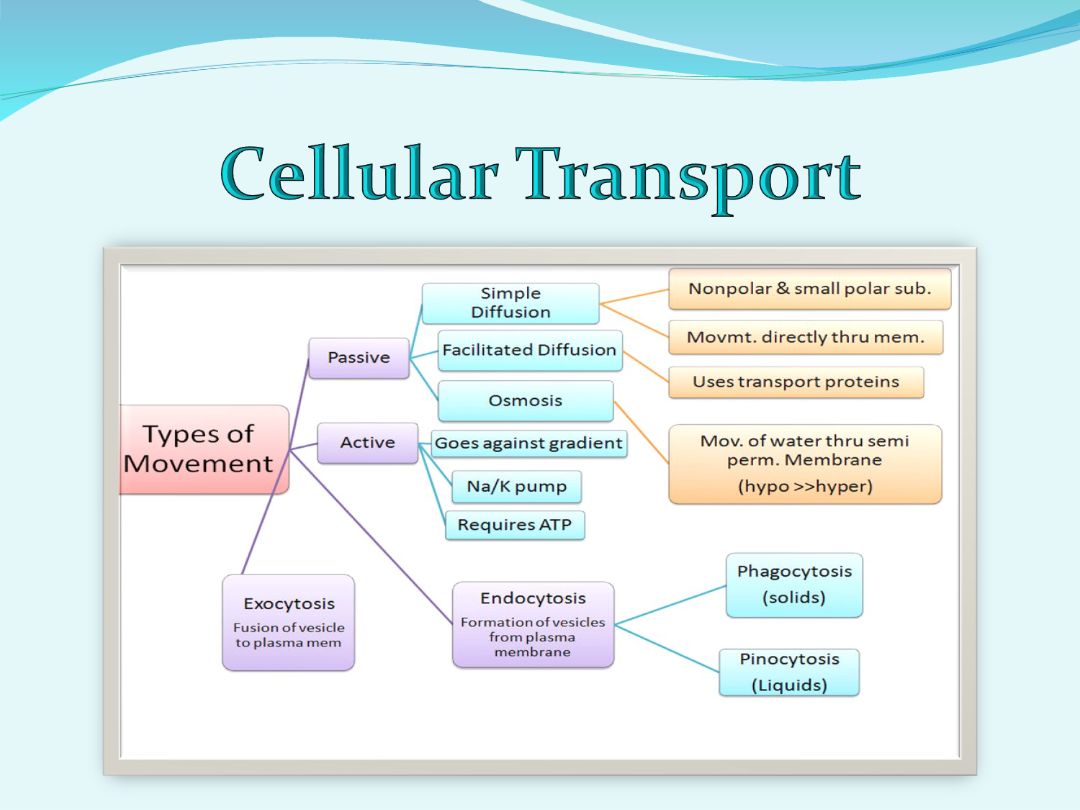
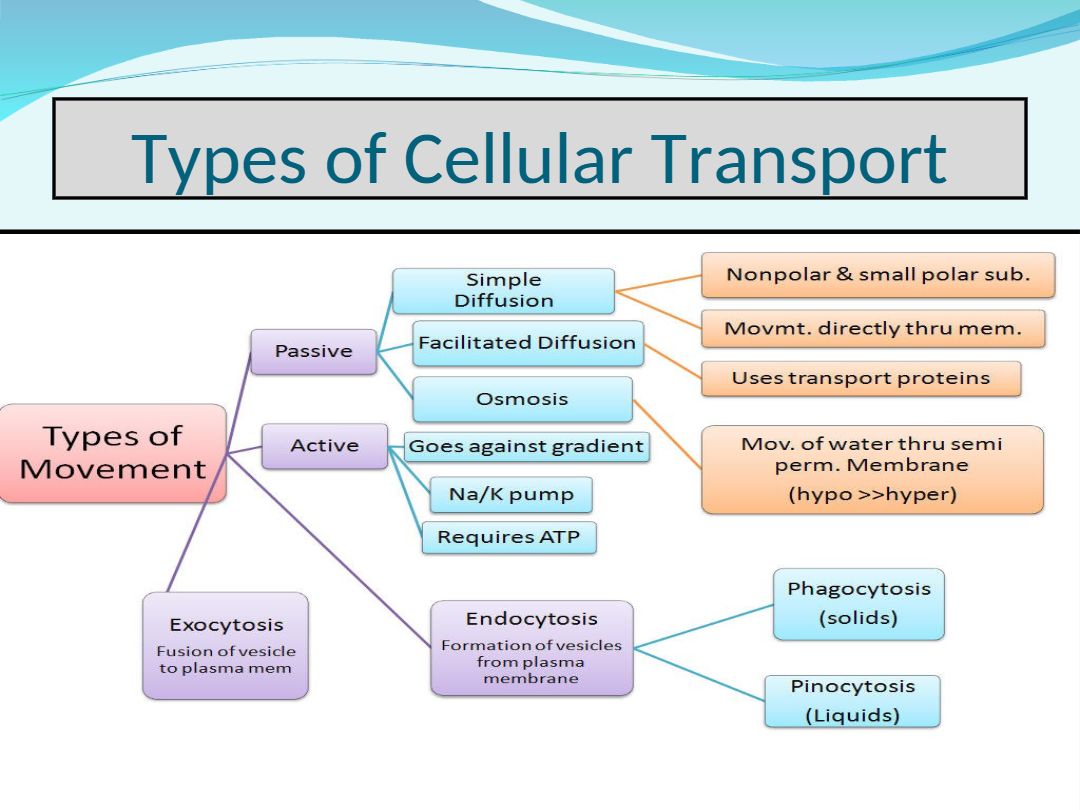
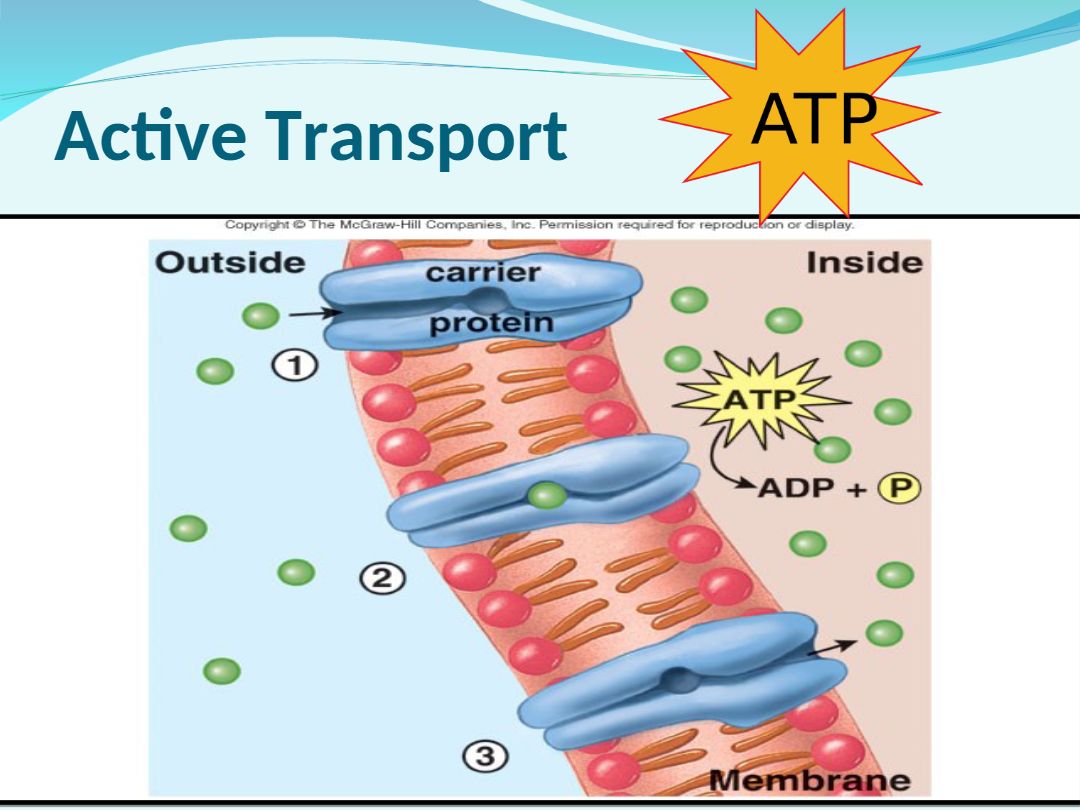
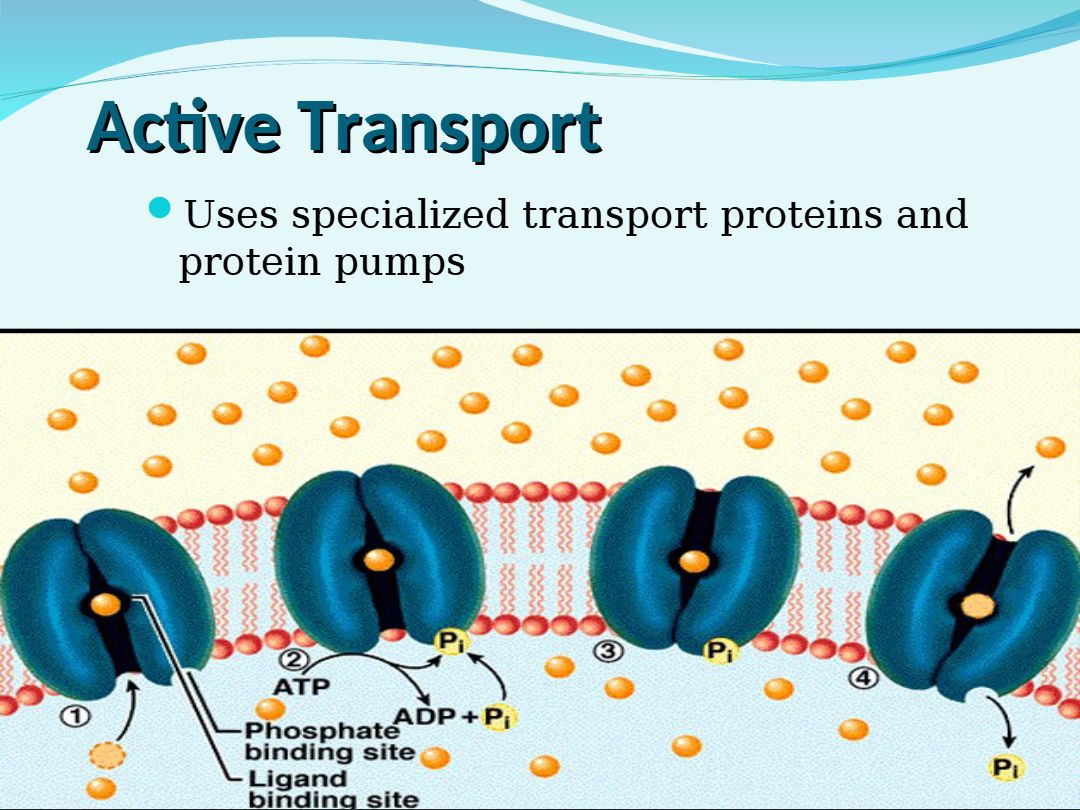
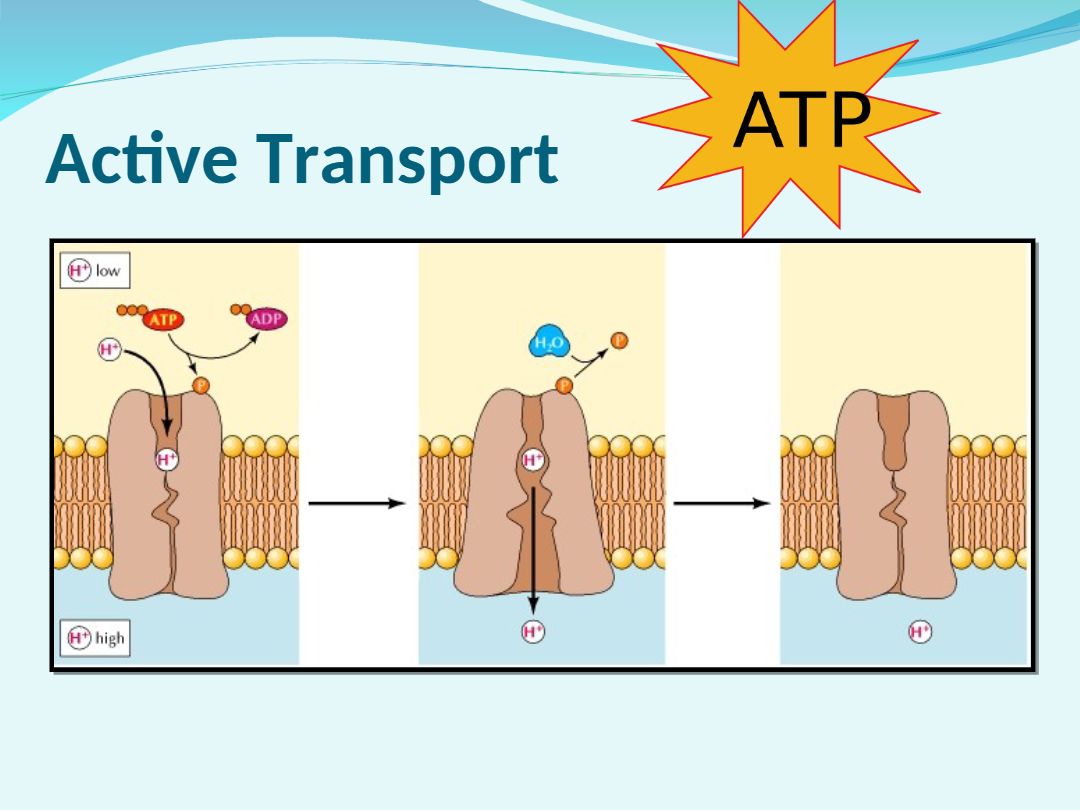
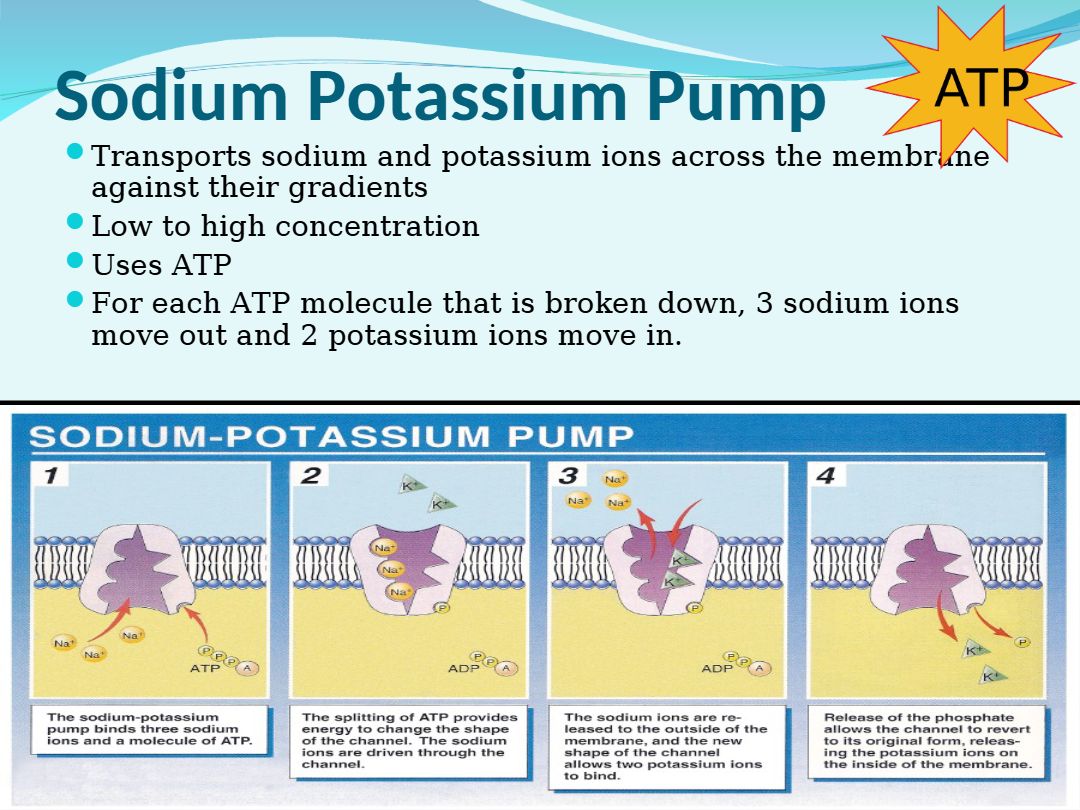
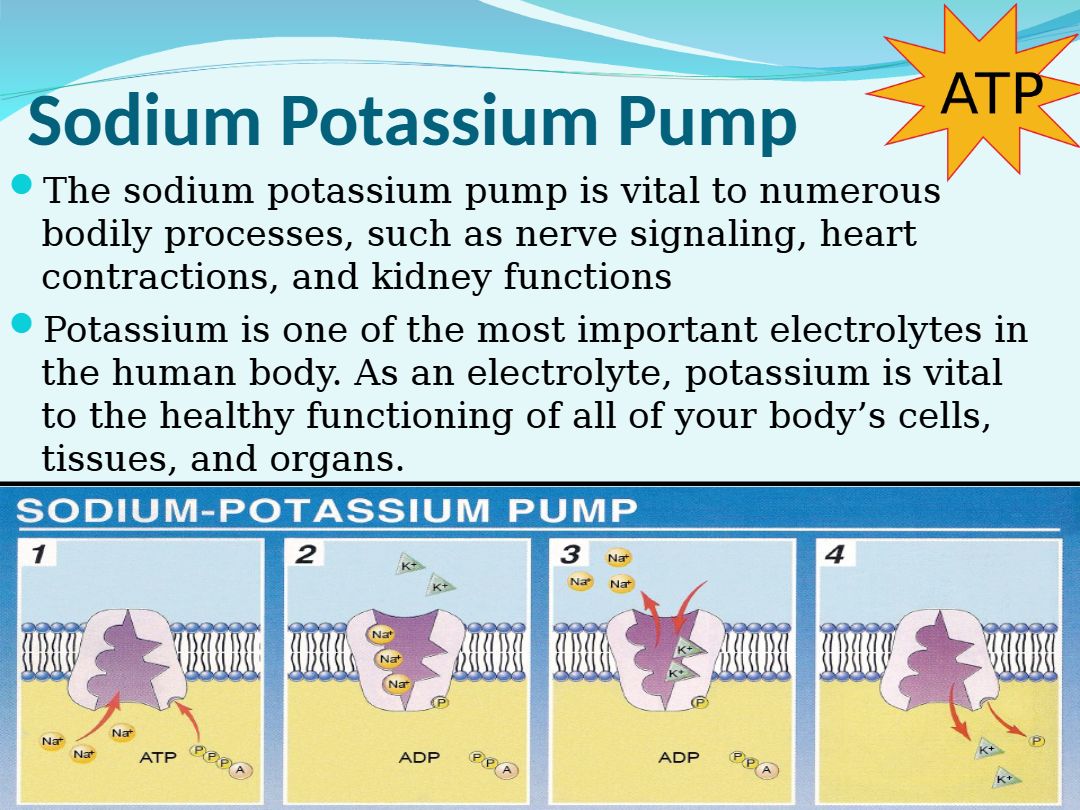
Which of the following is an example of active transport in cellular movement?
Simple diffusion
Facilitated diffusion
Osmosis
Na/K pump
4
5
6
7
Multiple Choice
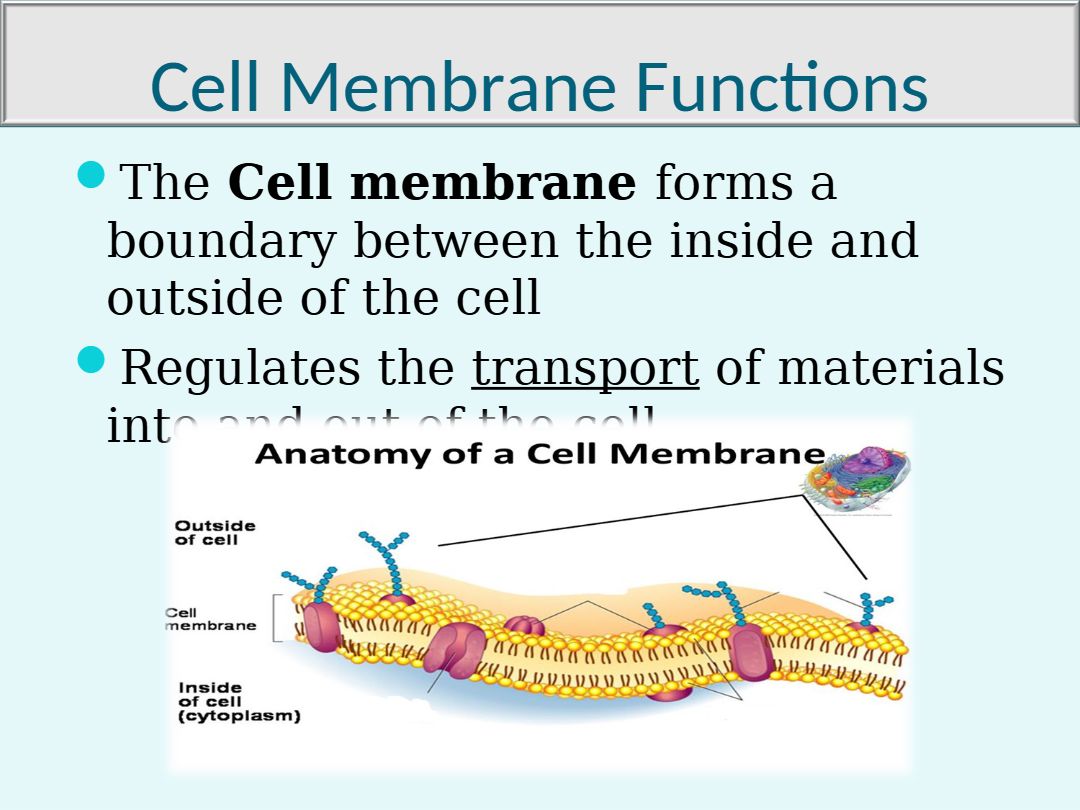
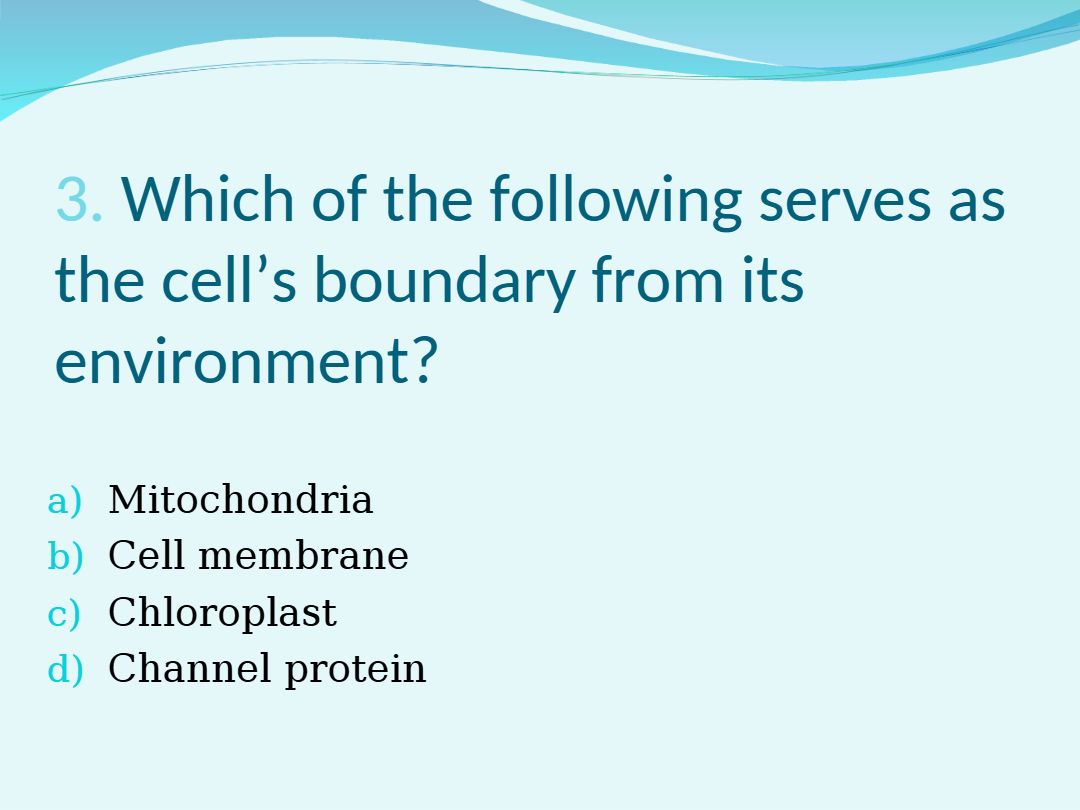
Which of the following is a primary function of the cell membrane?
It forms a boundary between the inside and outside of the cell.
It produces energy for the cell.
It stores genetic information.
It synthesizes proteins.
8
9
10
Multiple Select
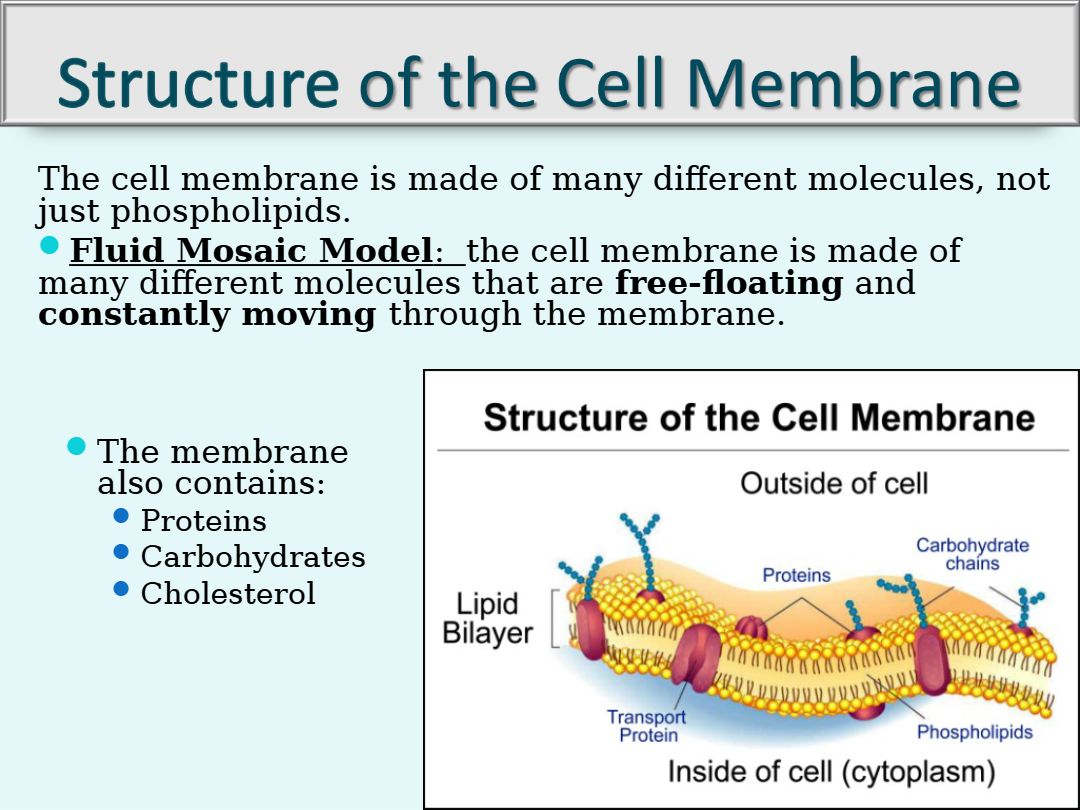
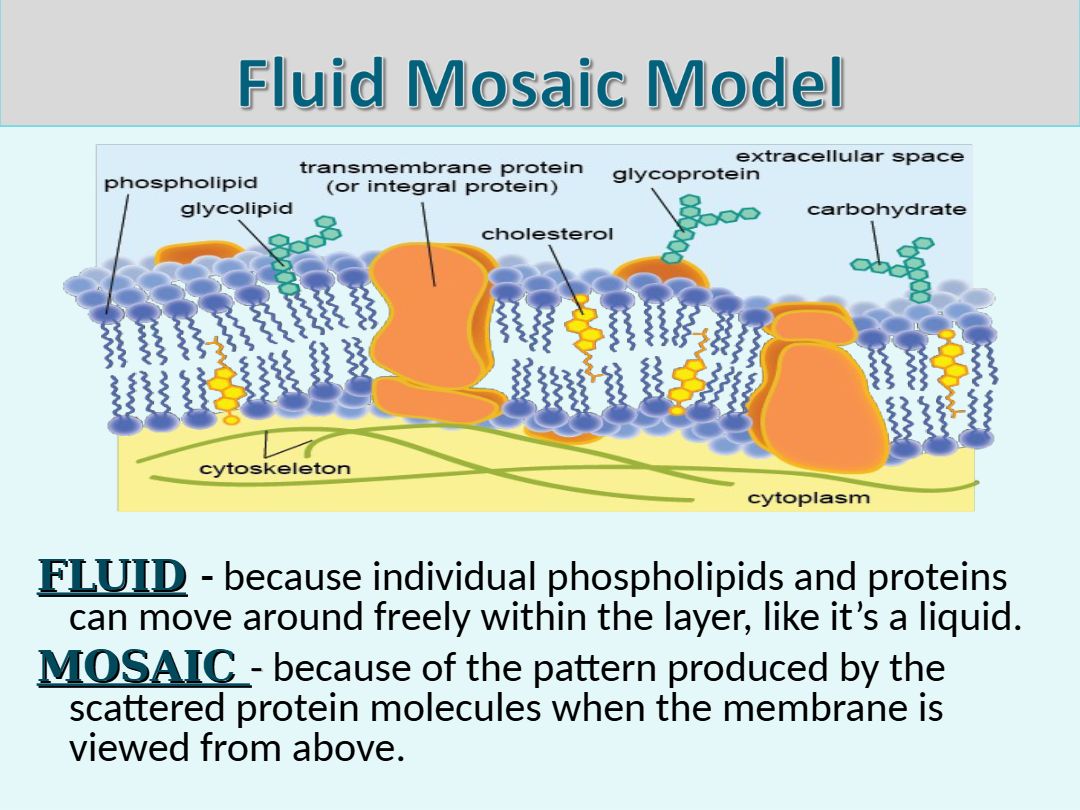
Which of the following molecules are components of the cell membrane according to the Fluid Mosaic Model?
Proteins
Carbohydrates
Cholesterol
Nucleic acids
11
12
13
14
Fill in the Blanks
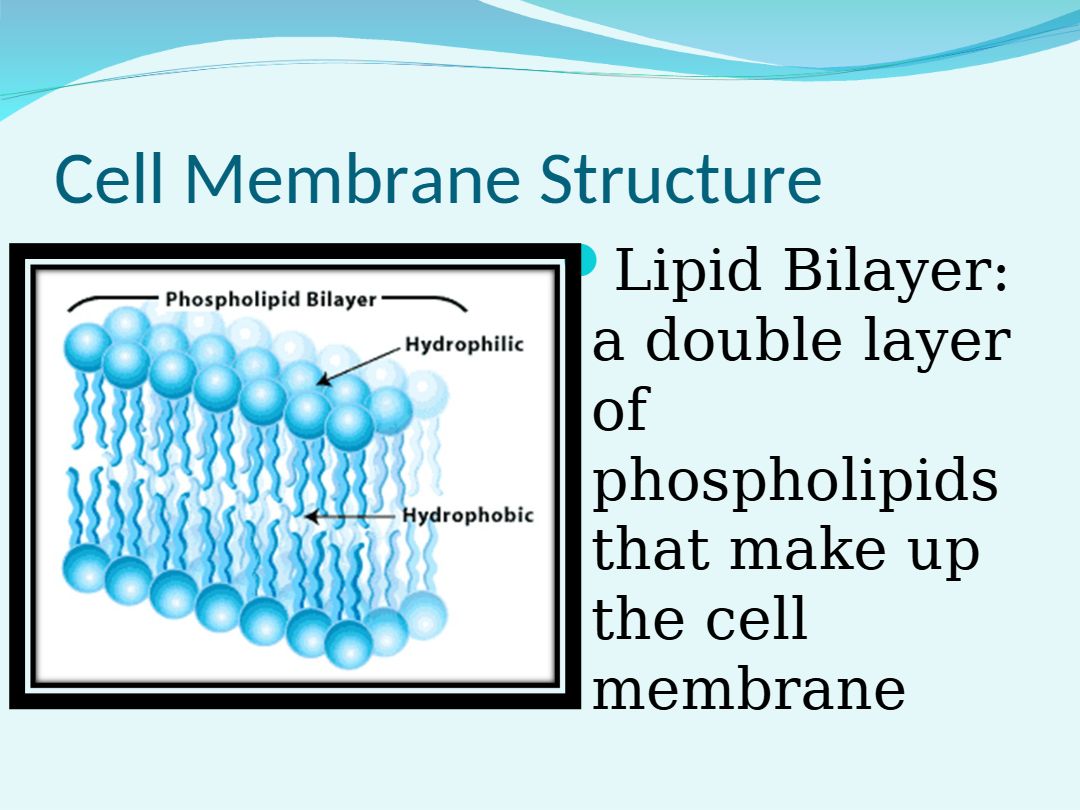
The double layer of phospholipids that make up the cell membrane is called the
Type answer...
15
16
17
Multiple Choice
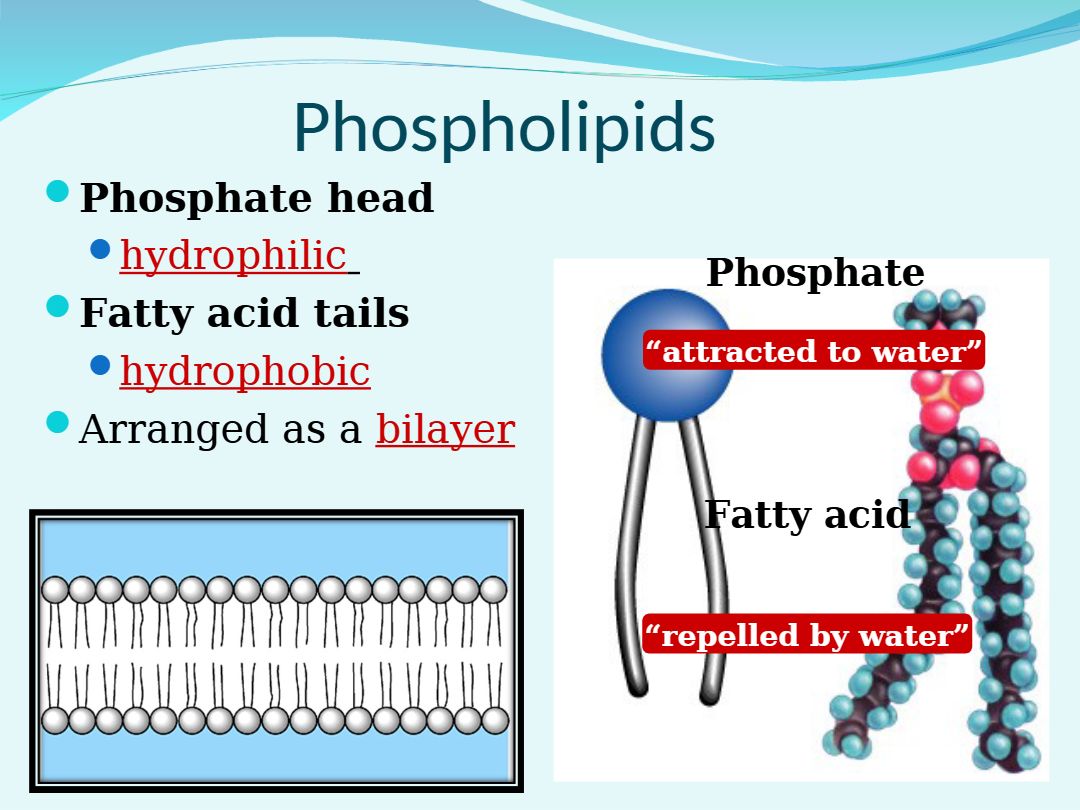
Which part of a phospholipid is hydrophilic?
Phosphate head
Fatty acid tail
Both head and tail
Neither head nor tail
18
19
20
Multiple Choice
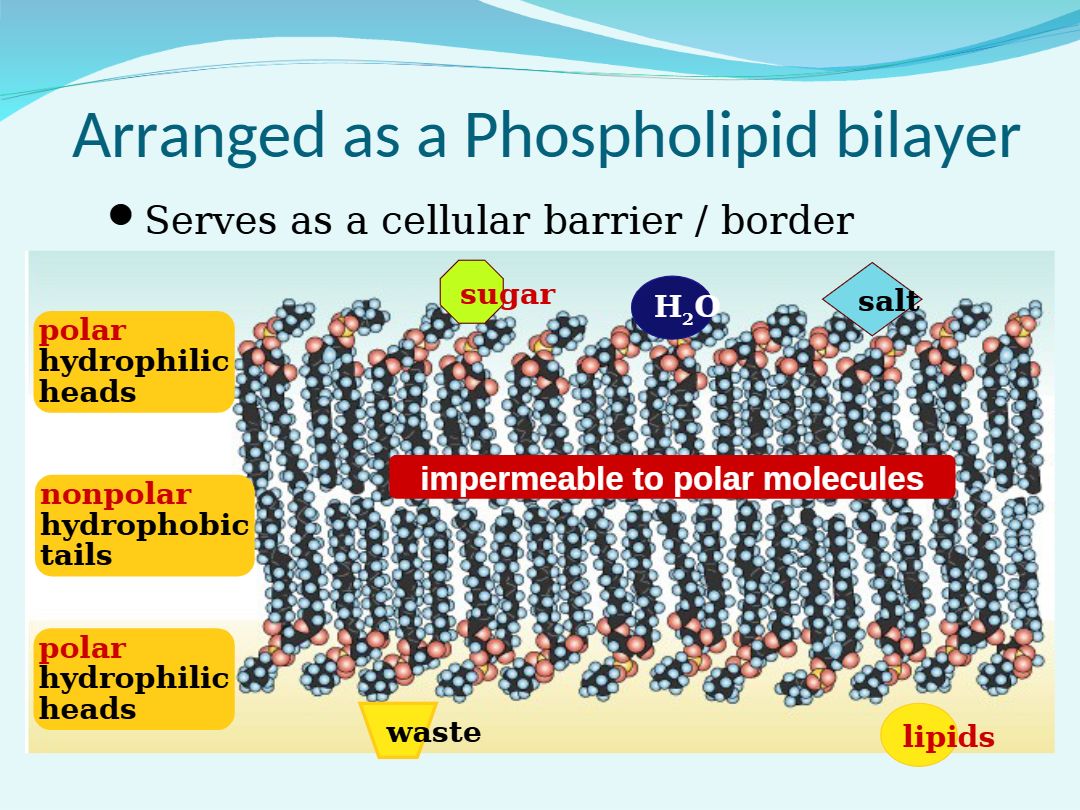
Why is the phospholipid bilayer impermeable to polar molecules?
Because the hydrophobic tails repel polar molecules.
Because the hydrophilic heads attract polar molecules.
Because polar molecules are too large.
Because the bilayer is too thin.
21
22
23
Multiple Choice
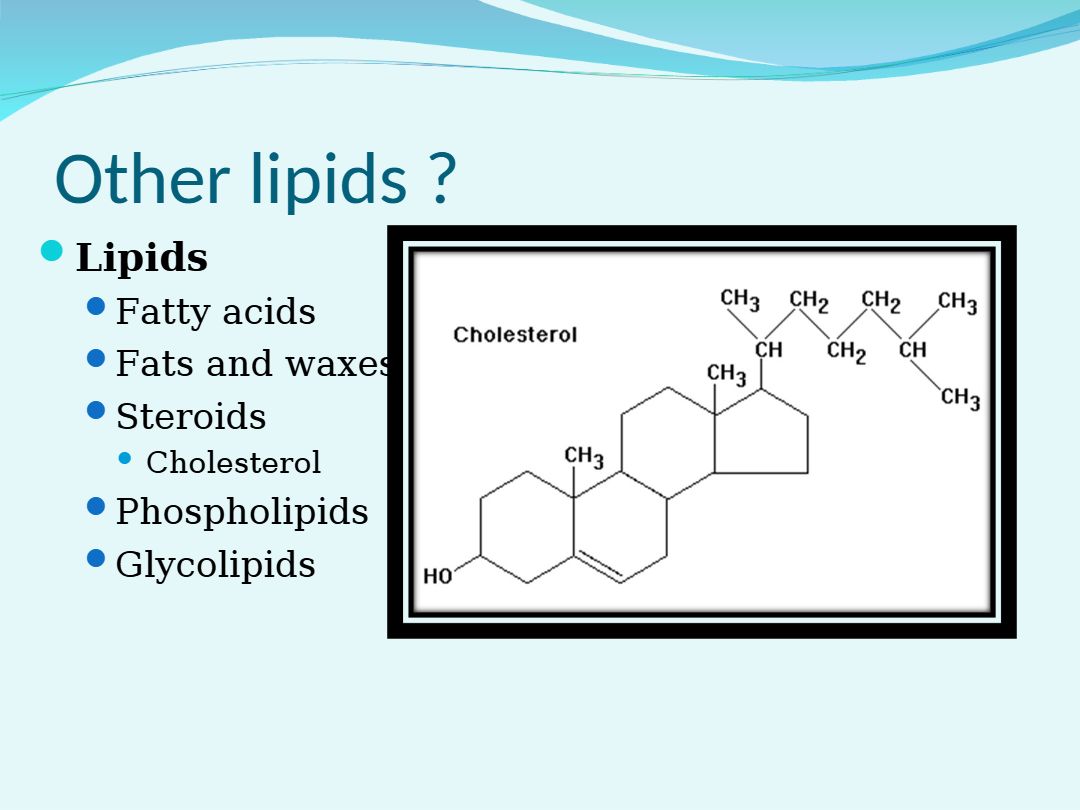
Which of the following is NOT a type of lipid listed in the first image?
Fatty acids
Glycoproteins
Steroids
Phospholipids
24
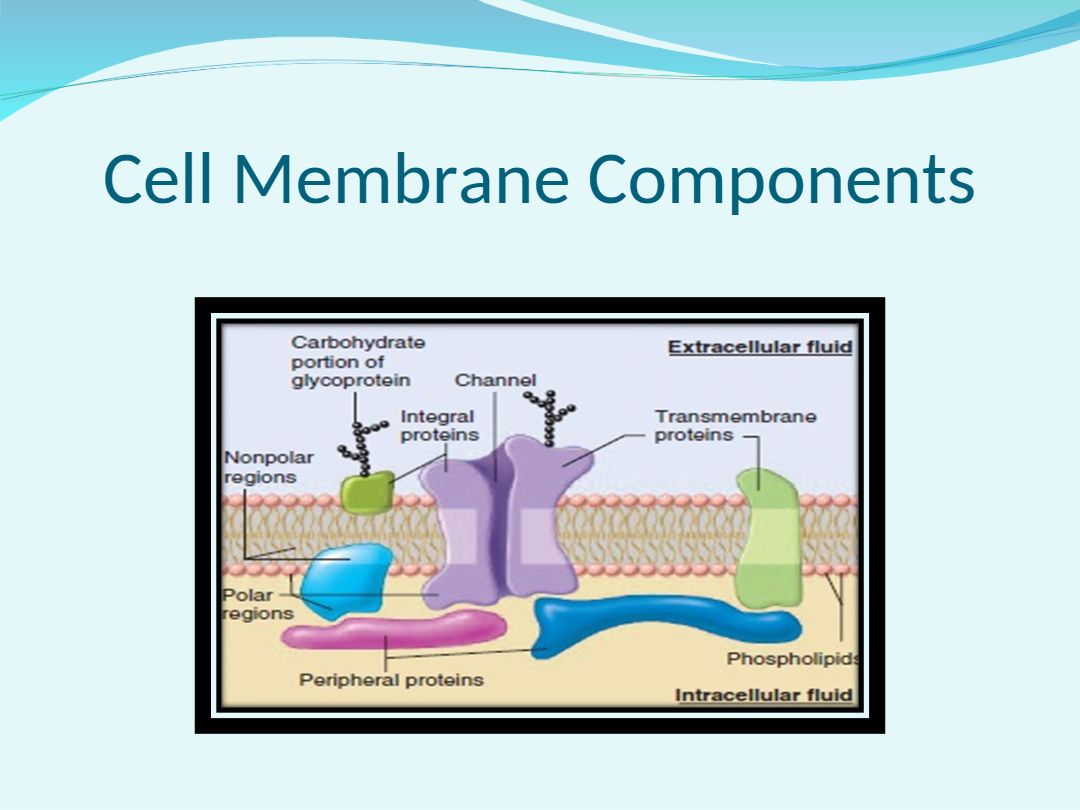
25
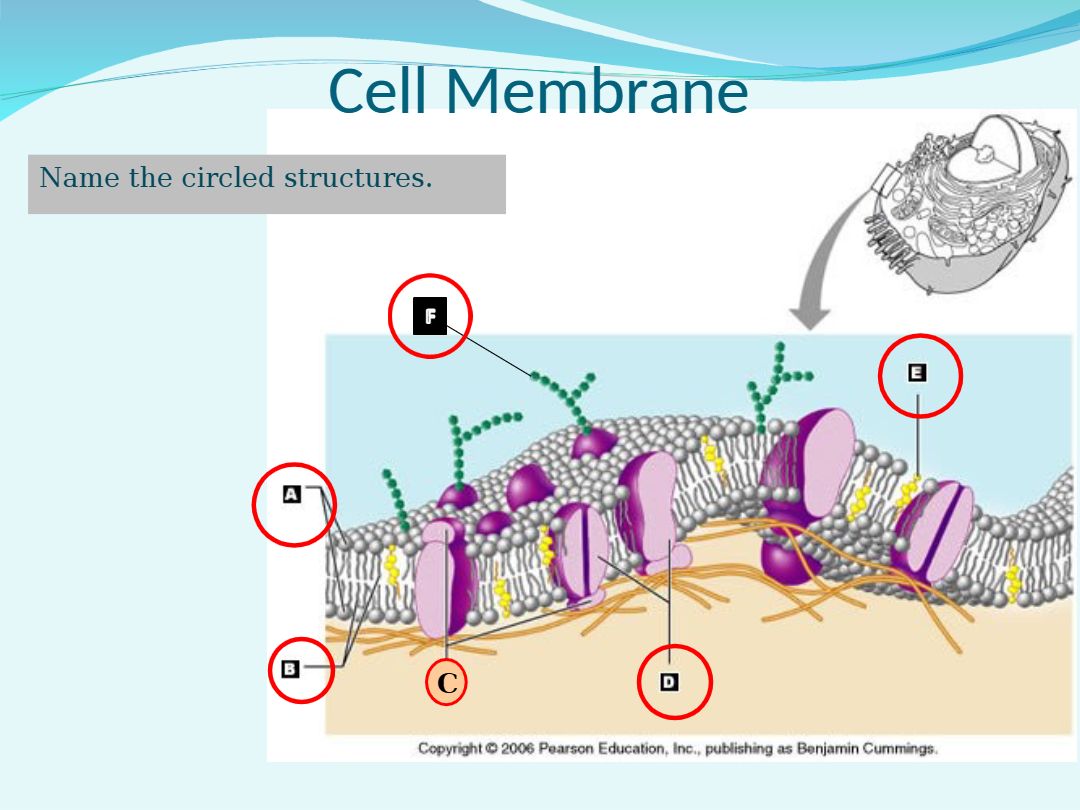
26
Multiple Select
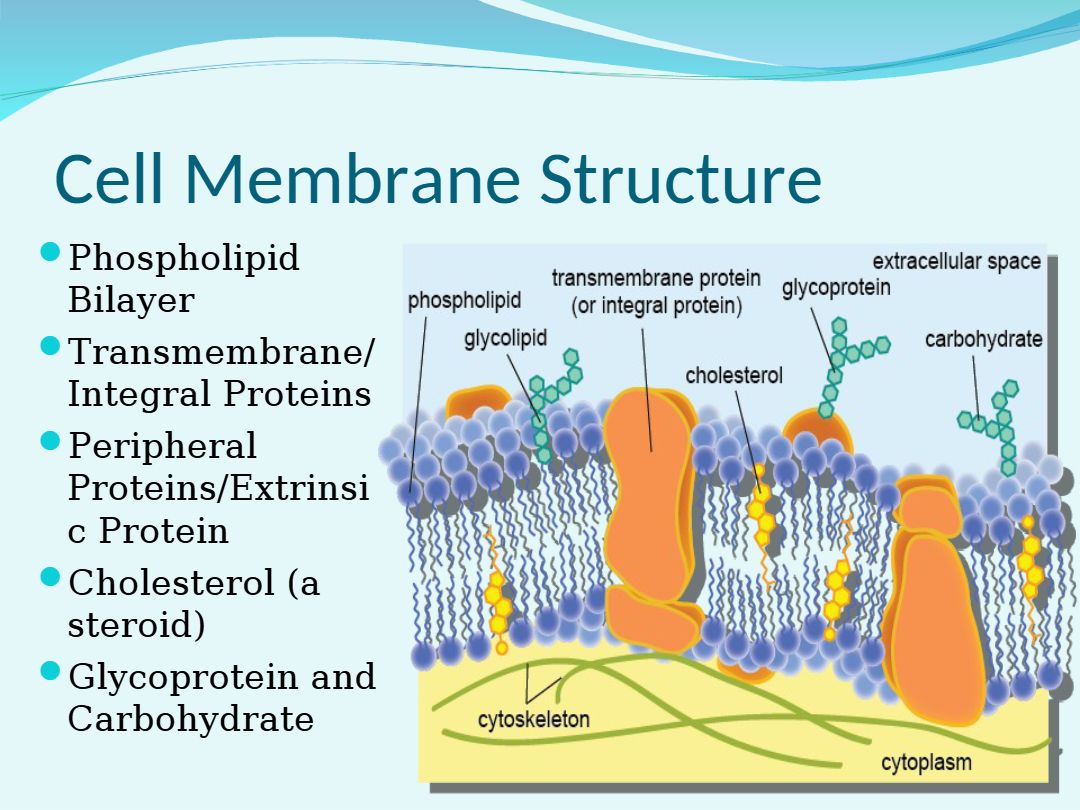
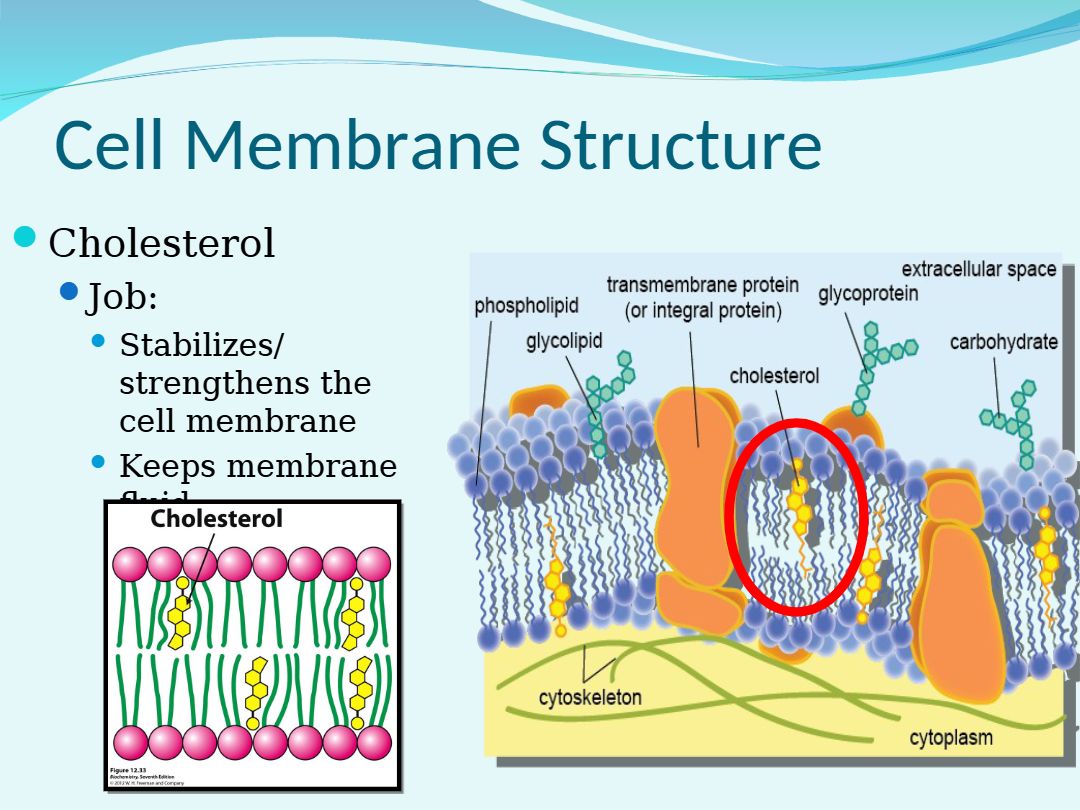
Which of the following components are found in the cell membrane structure as shown in the images?
Phospholipid bilayer
Cholesterol
Glycoprotein
Nucleus
27
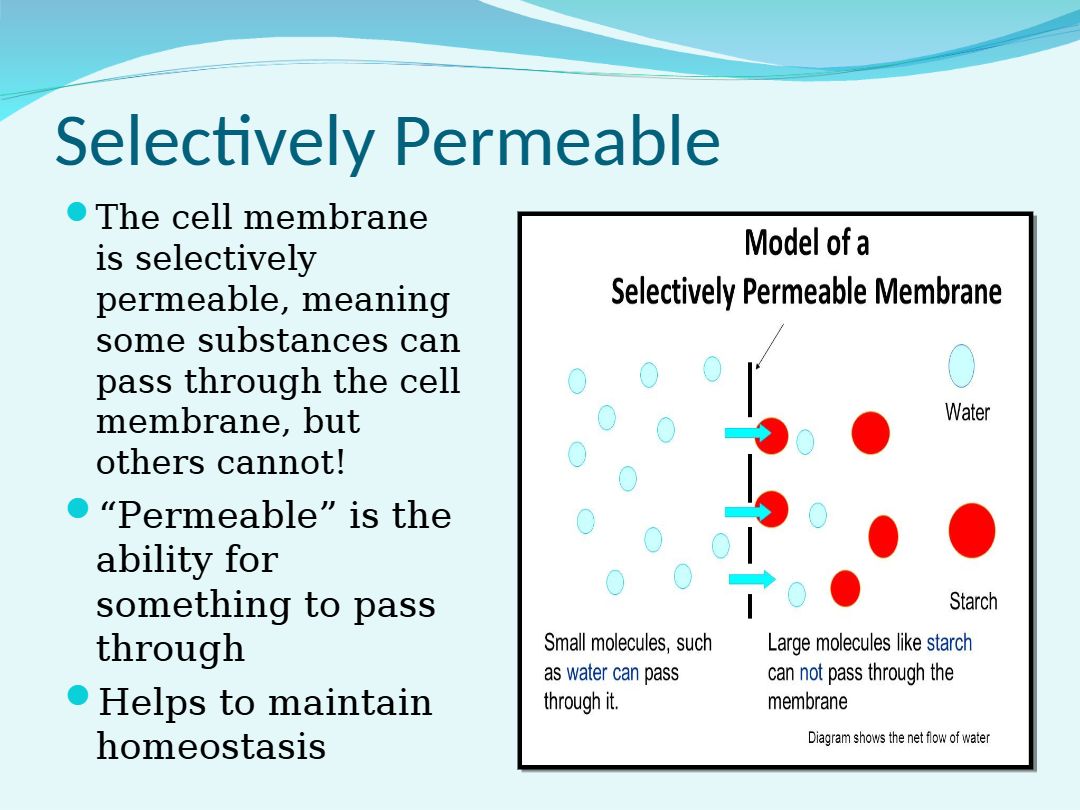
28
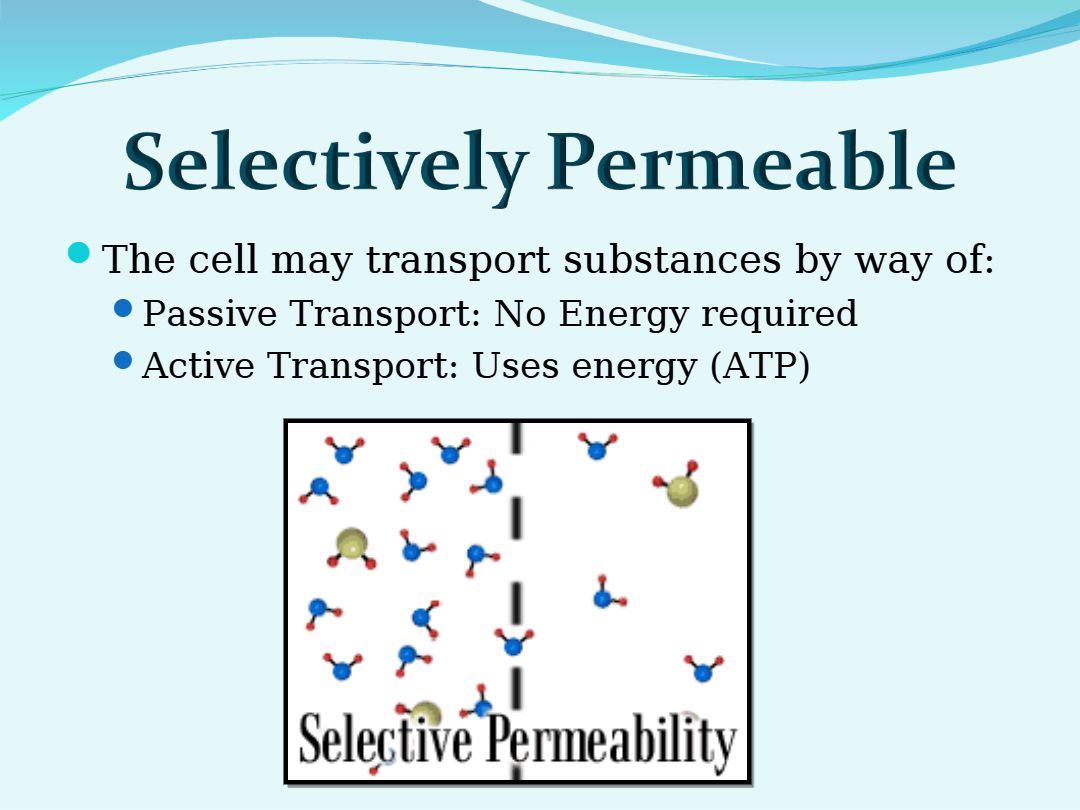
29
30
31
Multiple Choice
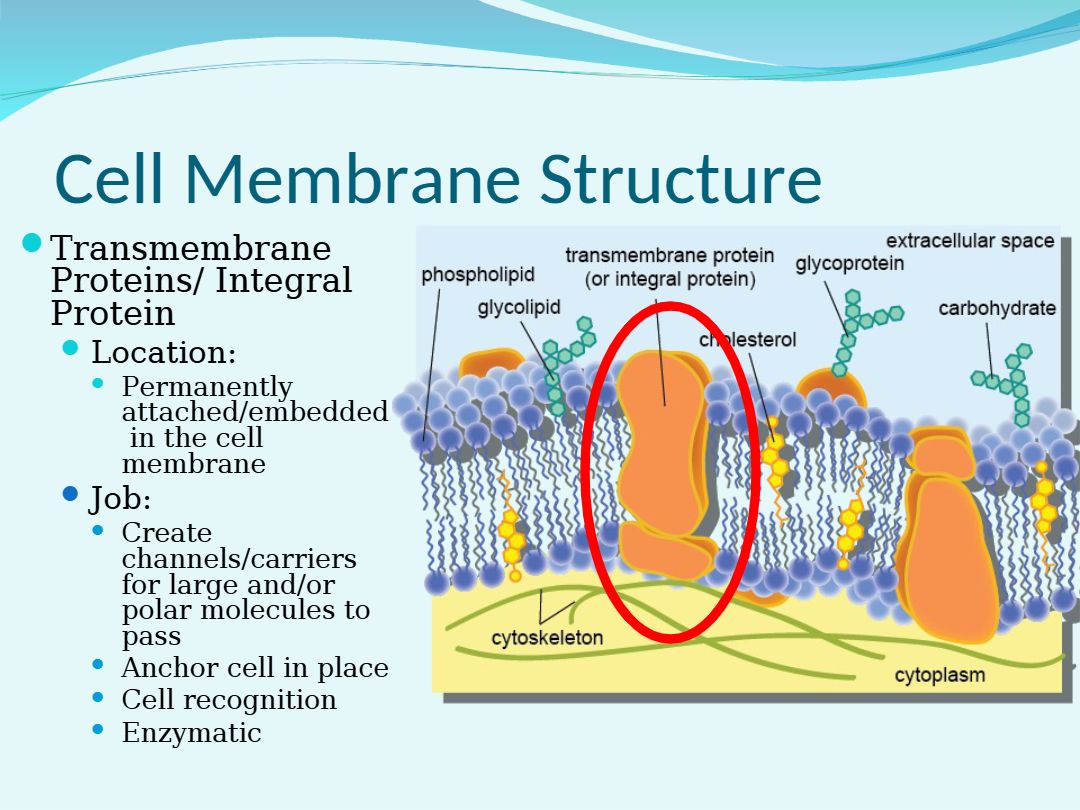
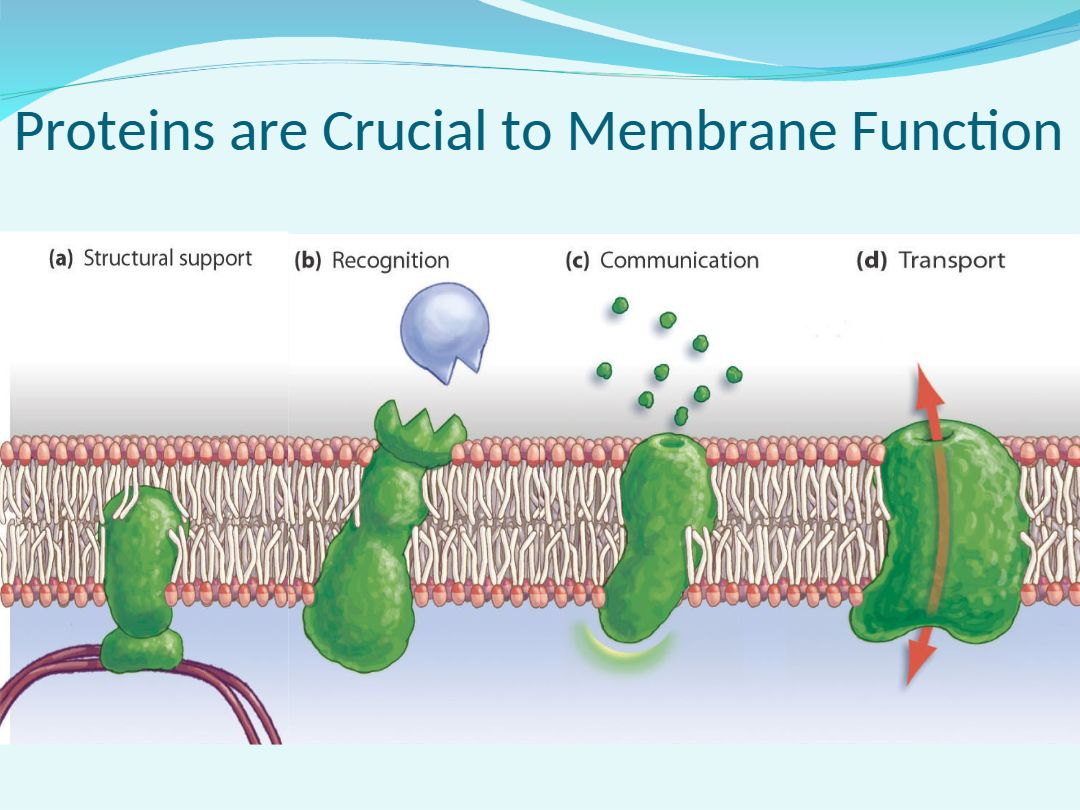
Which of the following is NOT a function of membrane proteins as illustrated in the fifth image?
Structural support
Recognition
DNA replication
Transport
32
33
34
Fill in the Blanks
Cholesterol helps to keep the cell membrane
Type answer...
35
36
Multiple Choice
What is one main function of cholesterol in the cell membrane?
Acts as an enzyme
Stabilizes the membrane
Anchors the cell in place
Facilitates cell recognition
37
38
39
Multiple Choice
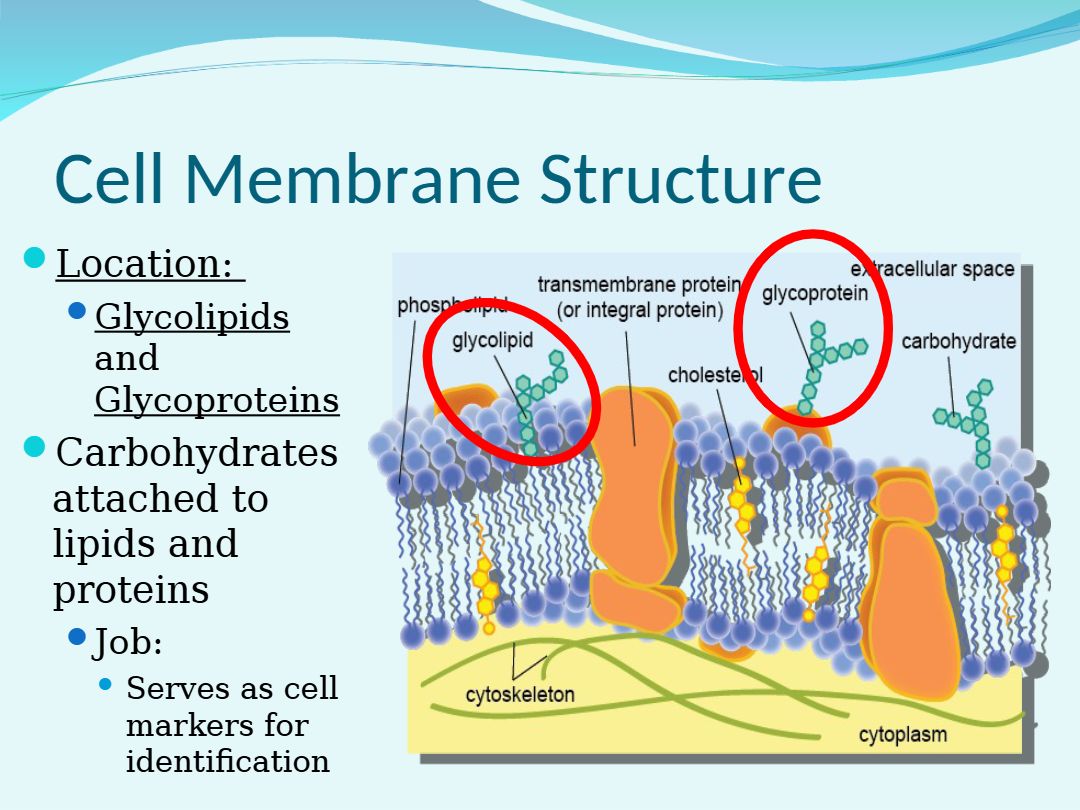
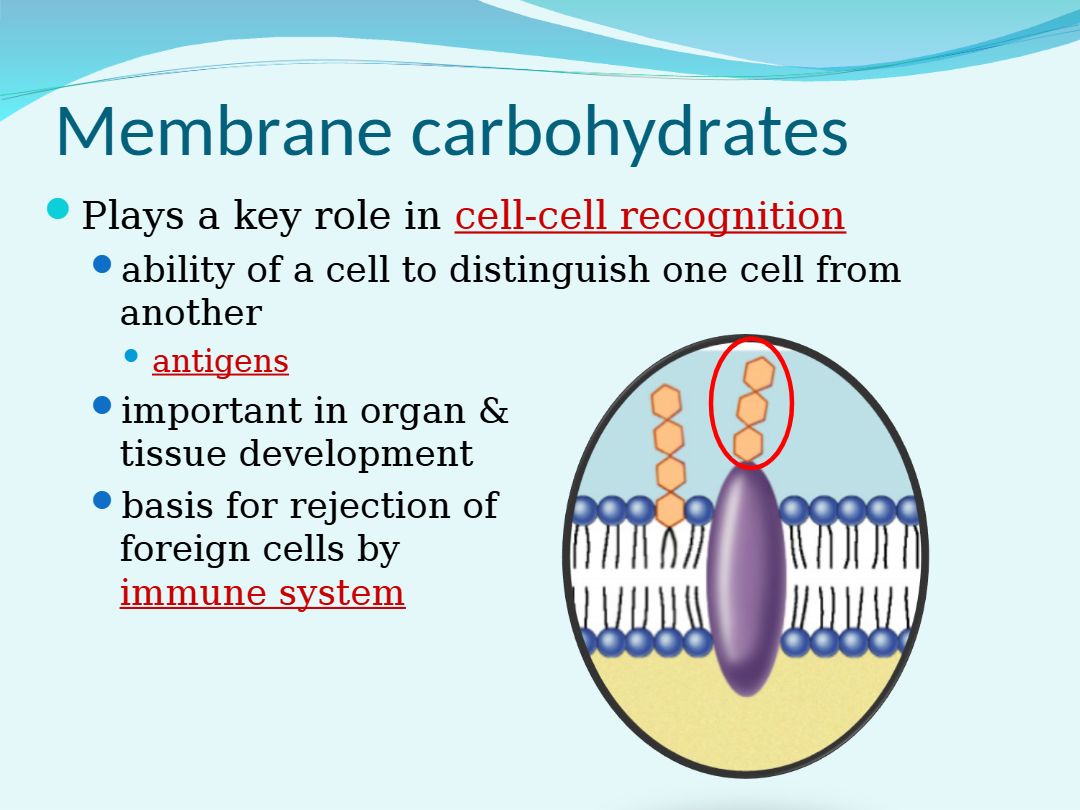
Which of the following best describes the function of carbohydrates attached to lipids and proteins in the cell membrane?
They serve as cell markers for identification.
They provide structural support to the membrane.
They transport ions across the membrane.
They synthesize proteins.
40
41
42
43
Multiple Select
Which of the following are components of the cell membrane?
Phospholipids
Integral proteins
Carbohydrate portion of glycoprotein
Nucleus
44
45
46
47
Multiple Choice
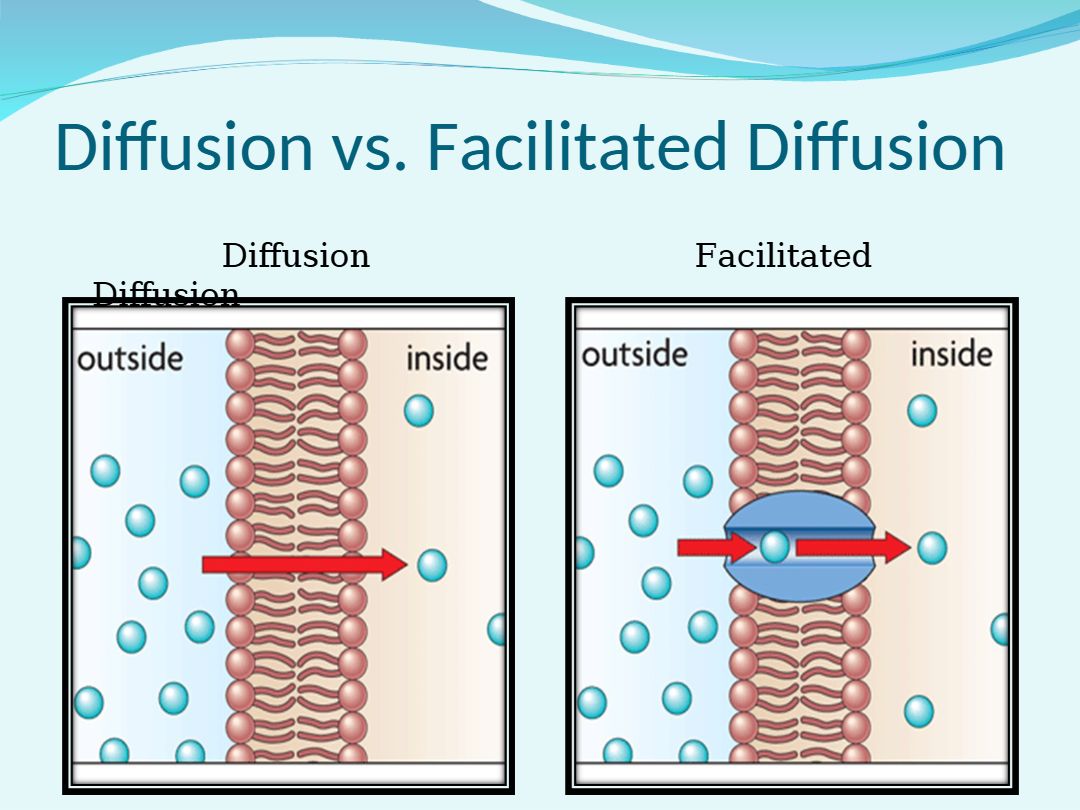
What is the main characteristic of a selectively permeable membrane?
It allows only water to pass through.
It allows all substances to pass through freely.
It allows some substances to pass through while blocking others.
It blocks all substances from passing through.
48
49
50
Fill in the Blanks
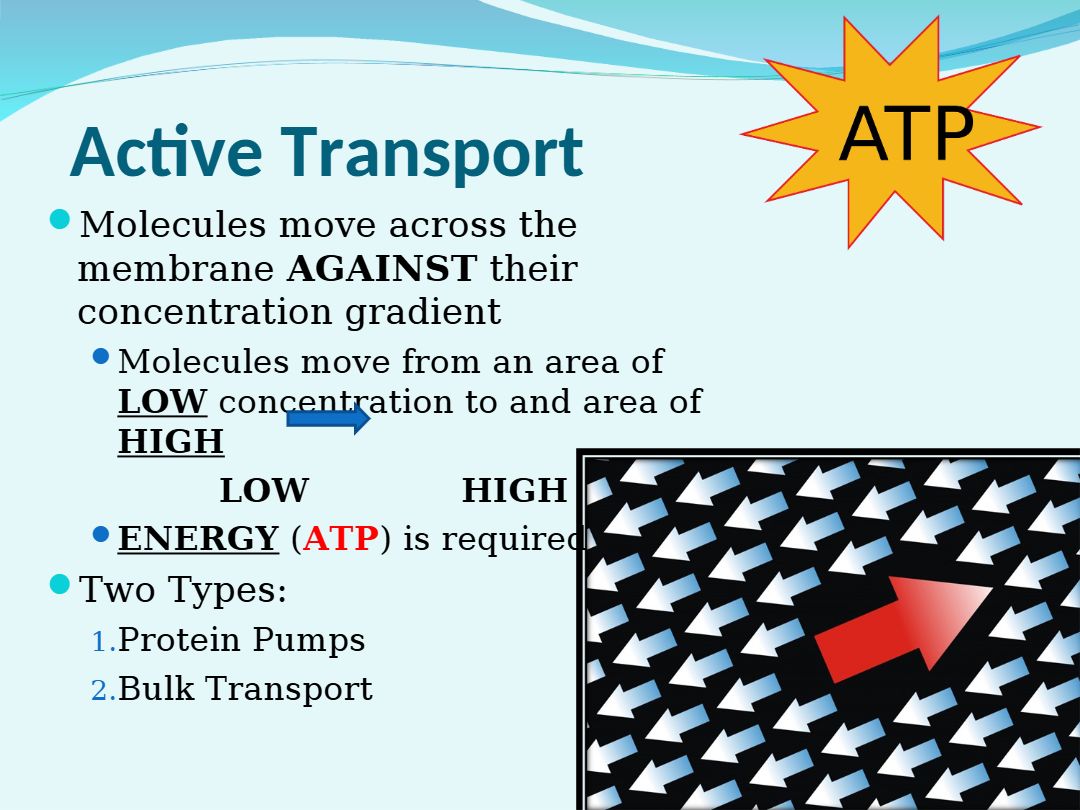
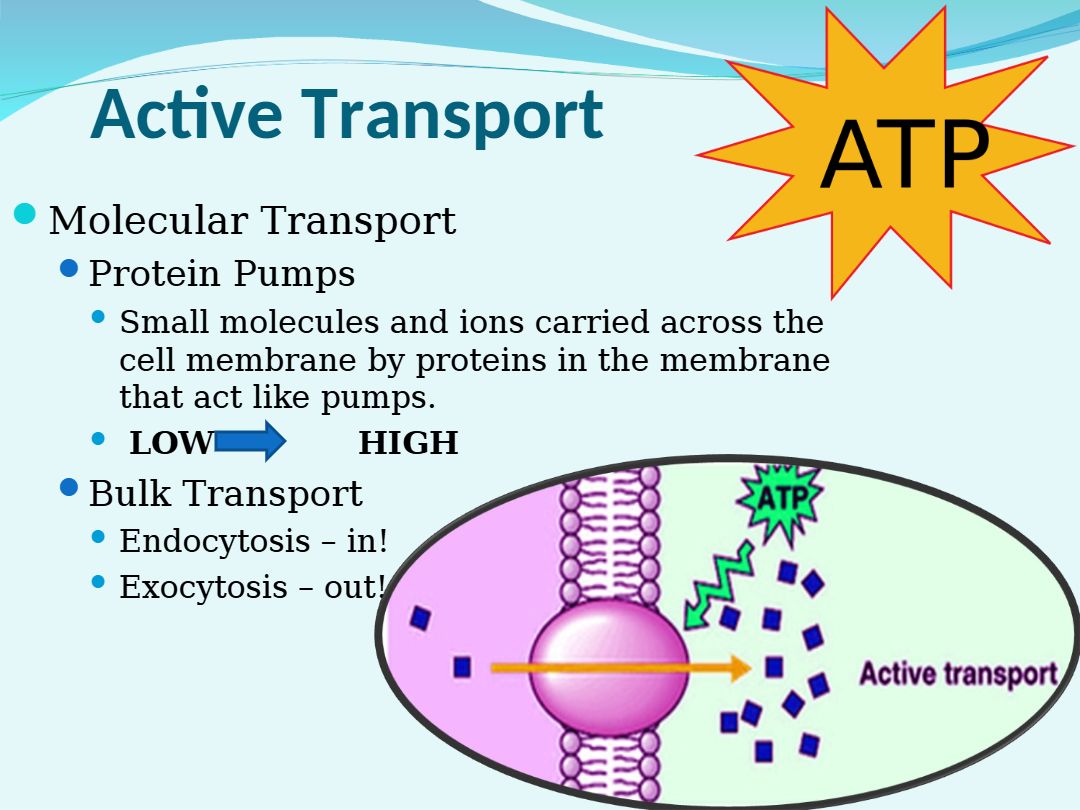
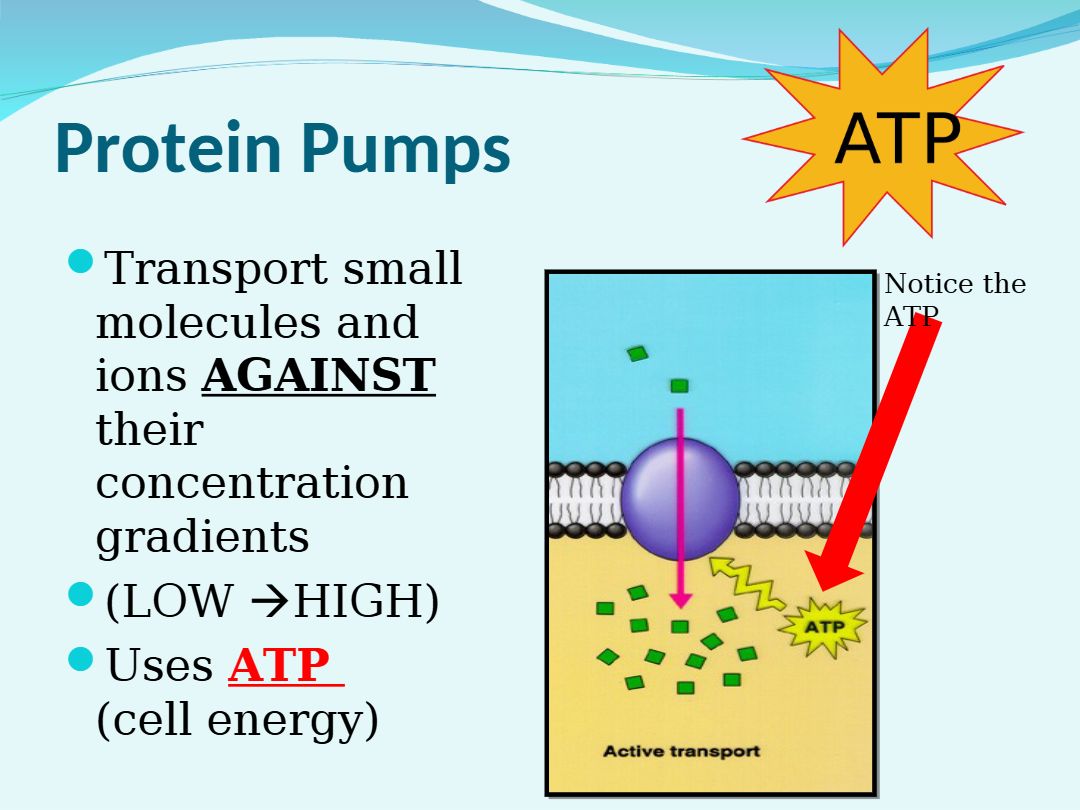
The process that requires energy to move substances across the cell membrane is called
Type answer...
51
52
53
54
55
Open Ended
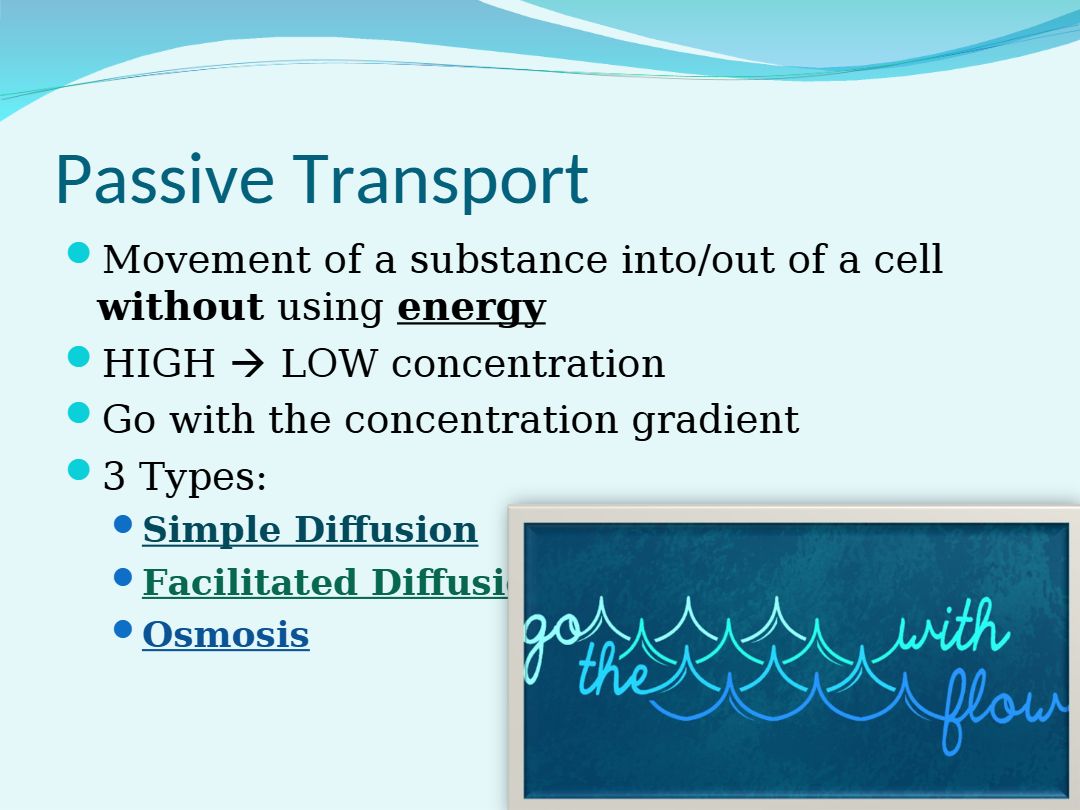
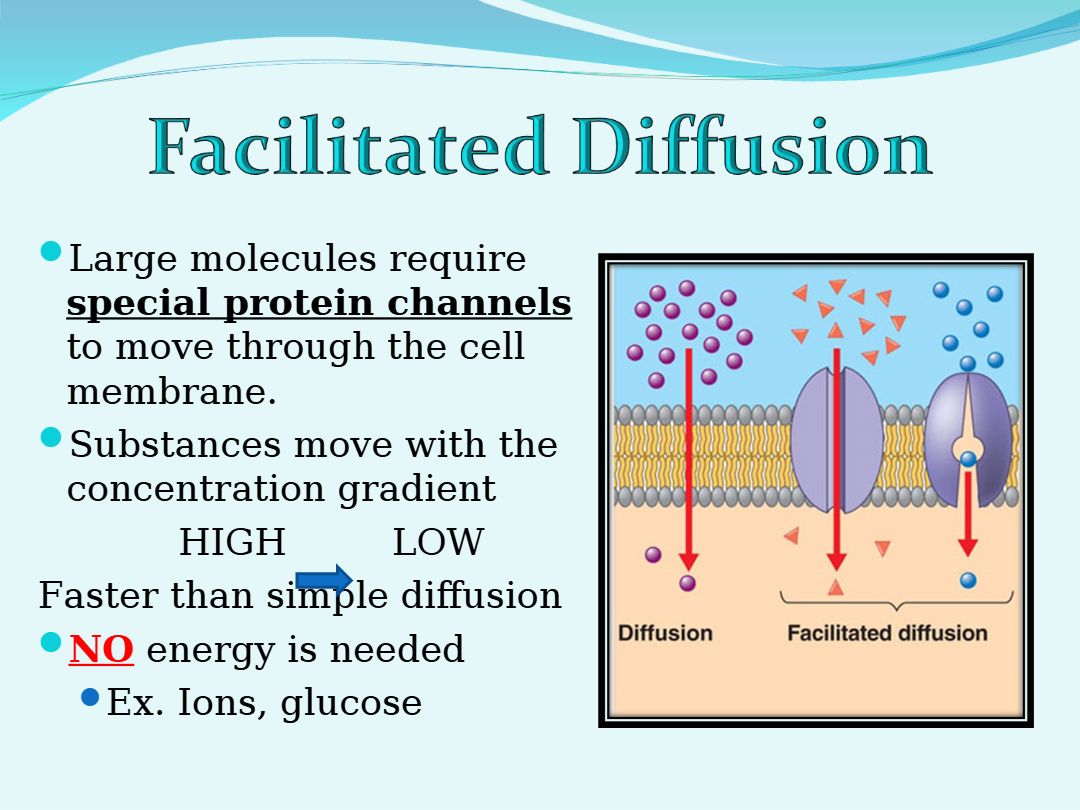
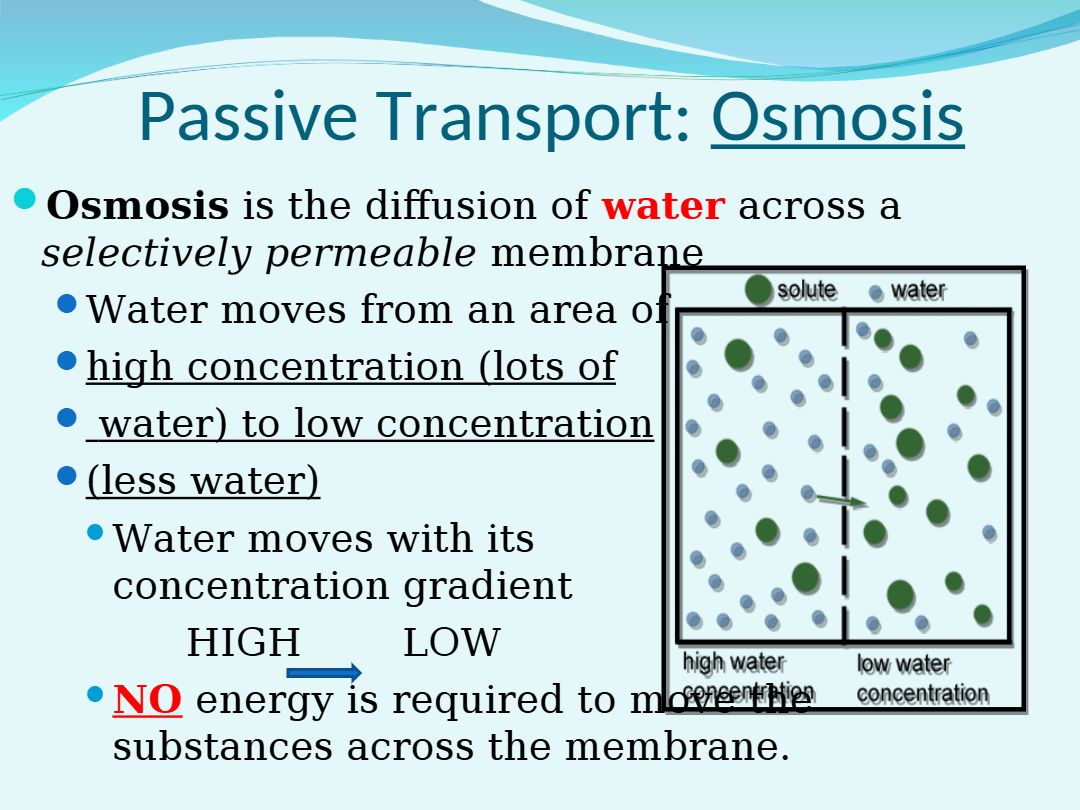
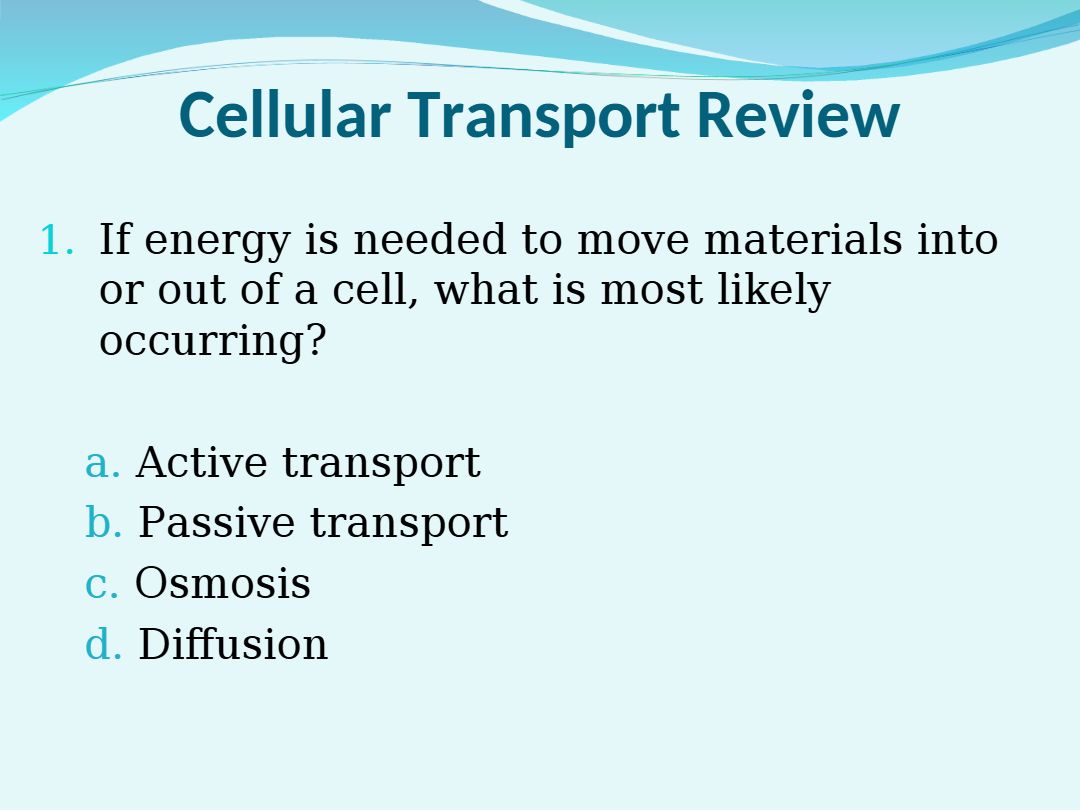
Explain the difference between passive and active transport in terms of energy usage and direction of movement relative to the concentration gradient.
56
57
Multiple Choice
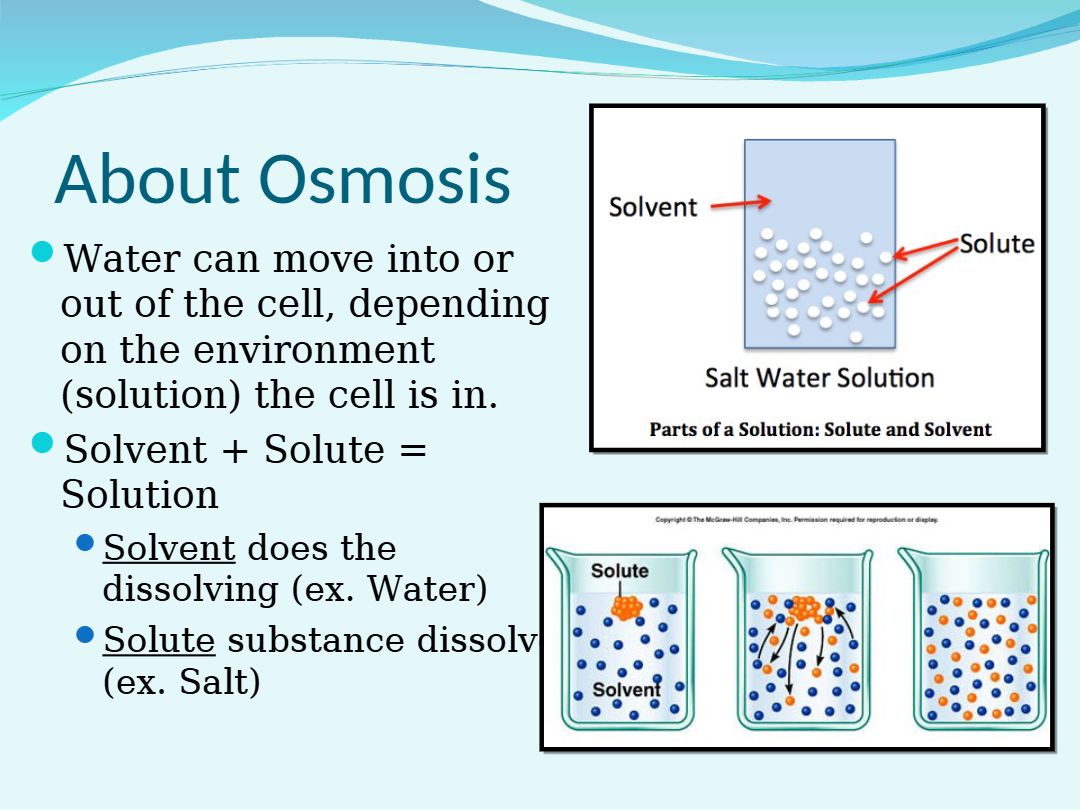
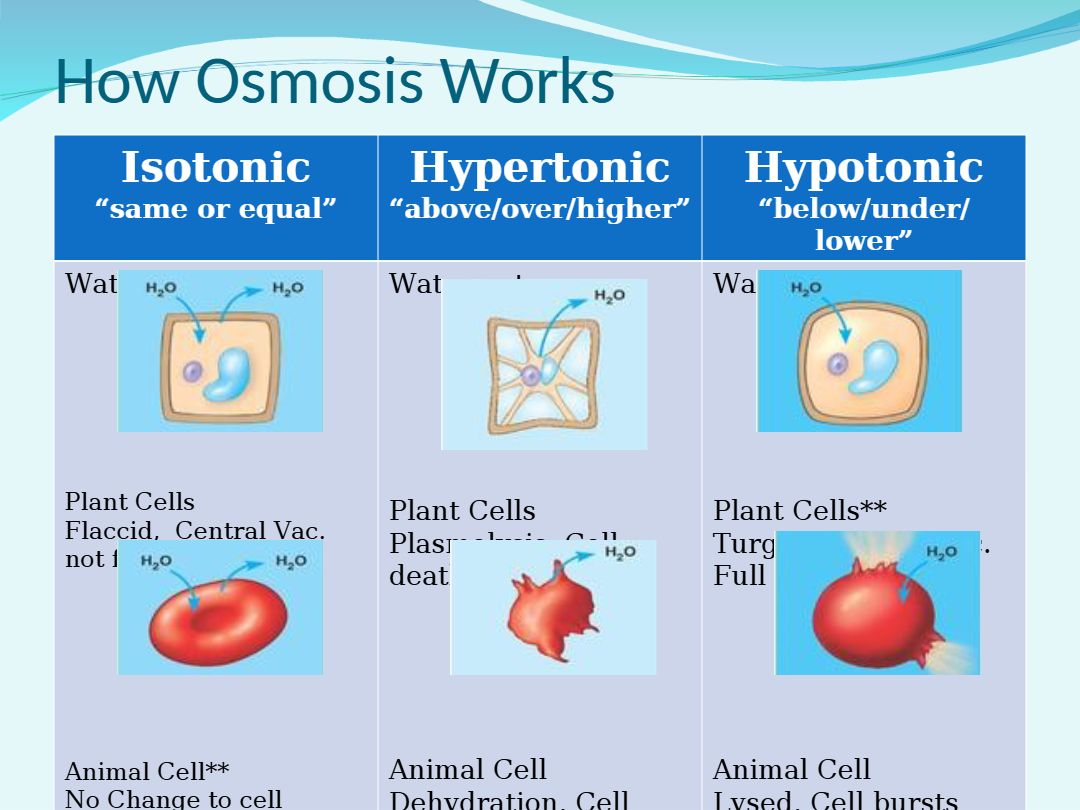
Which of the following is NOT a type of passive transport?
Simple Diffusion
Facilitated Diffusion
Osmosis
Endocytosis
58
59
60
61
Multiple Choice
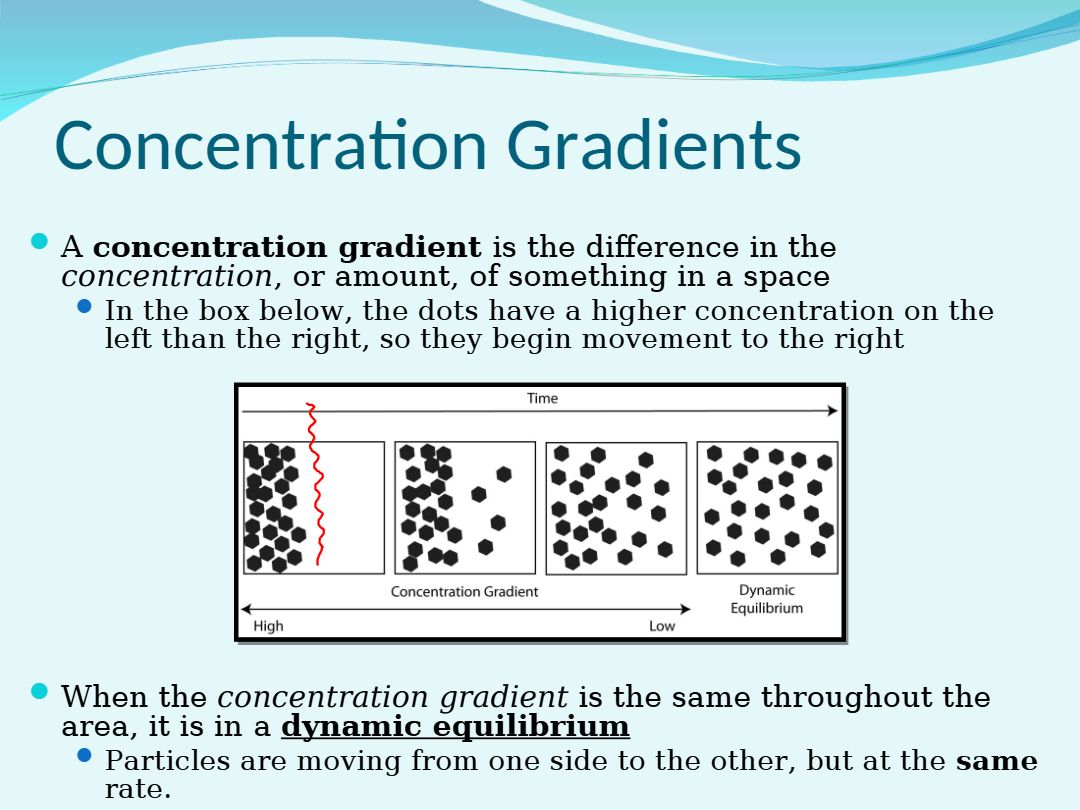
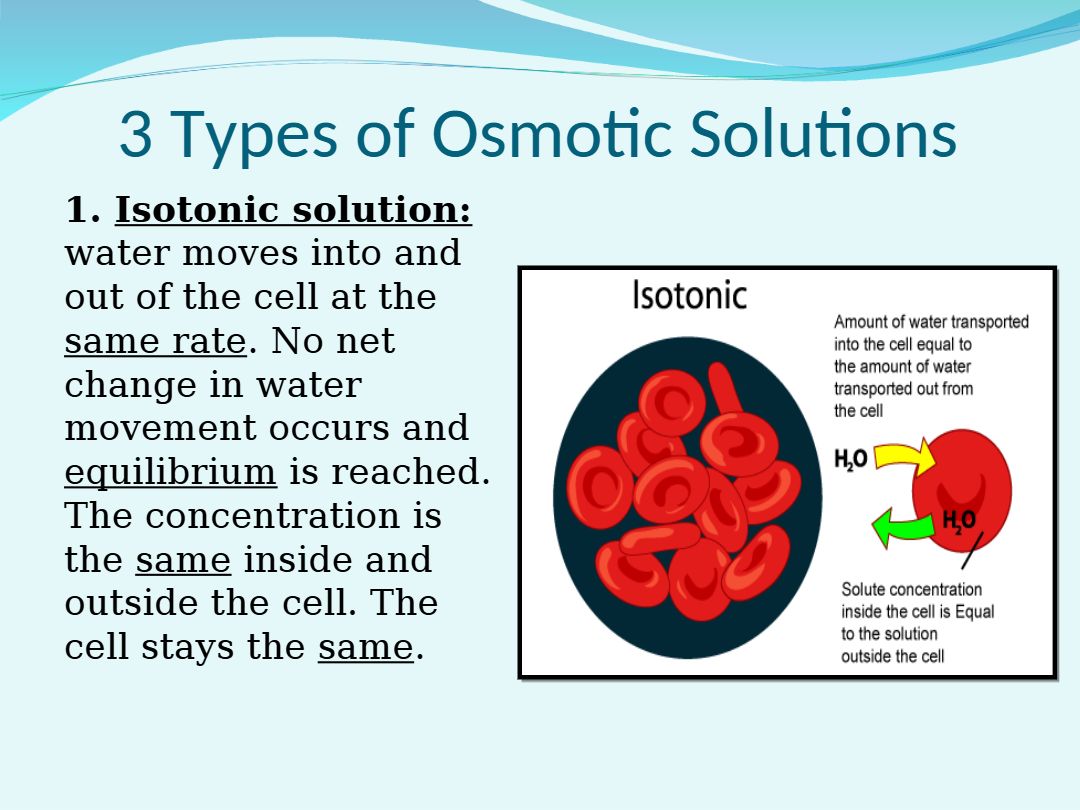
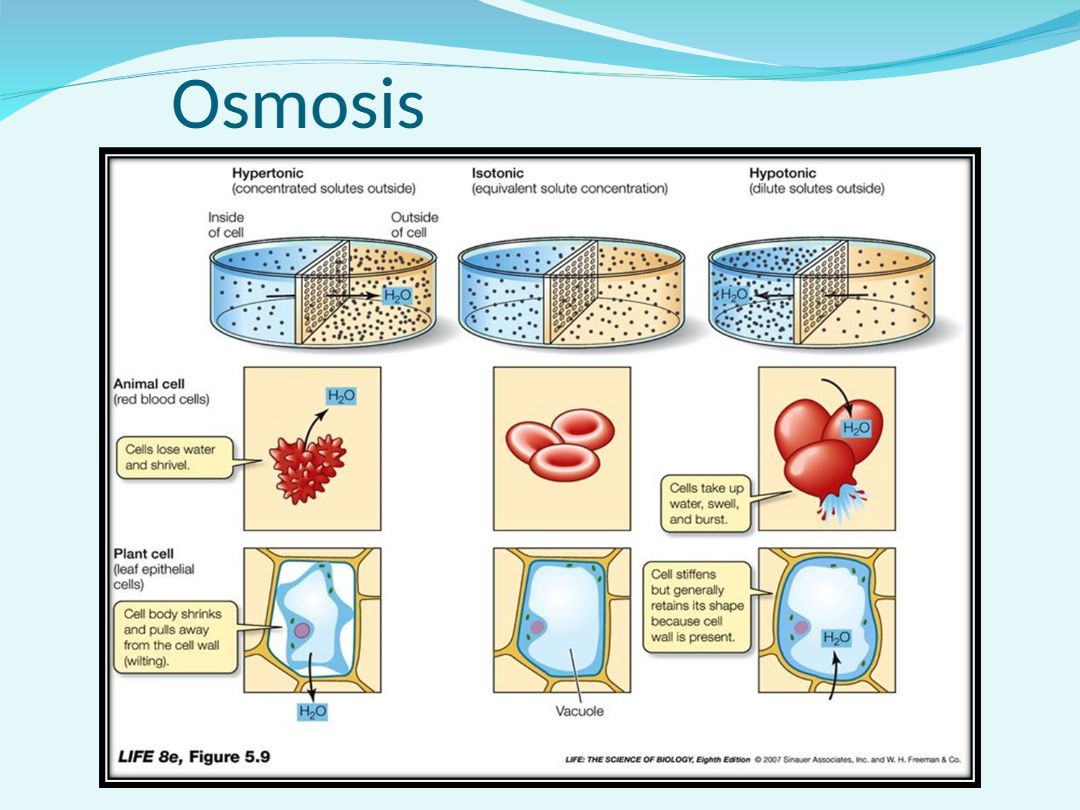
What happens when the concentration gradient is the same throughout a given area?
Particles stop moving completely
Dynamic equilibrium is reached
Particles move only in one direction
The area becomes hypertonic
62
63
Fill in the Blanks
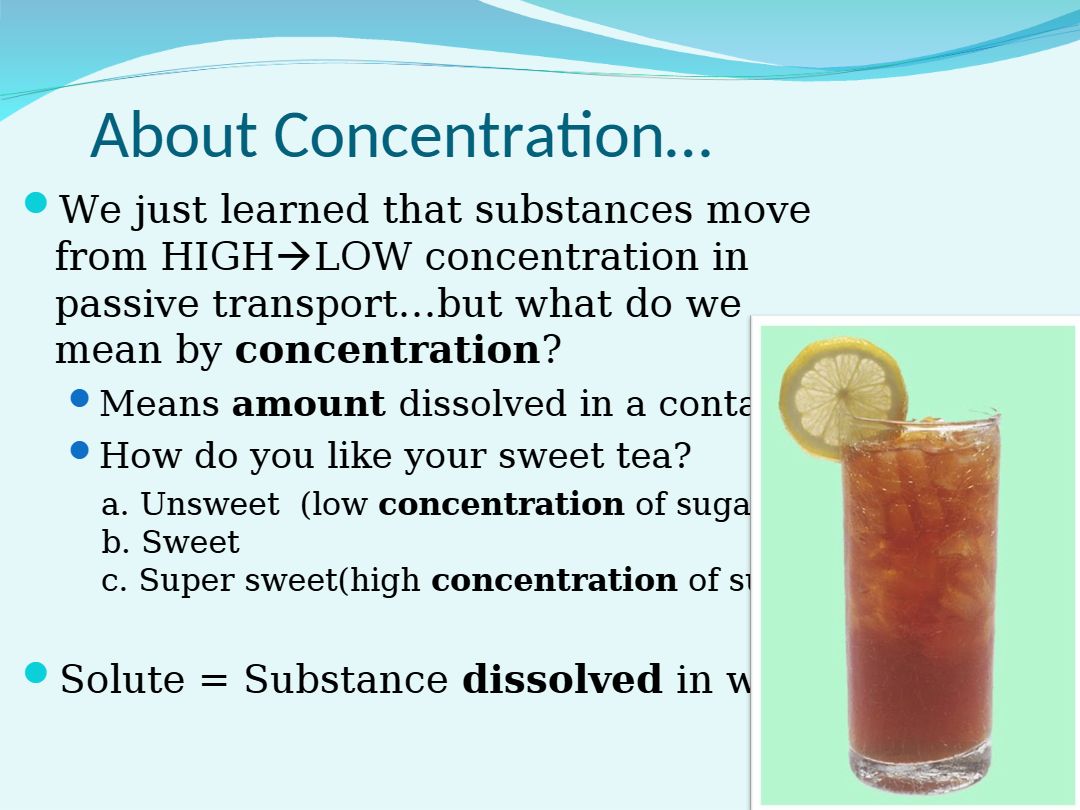
A concentration gradient is the difference in the
Type answer...
64
65
66
Fill in the Blanks
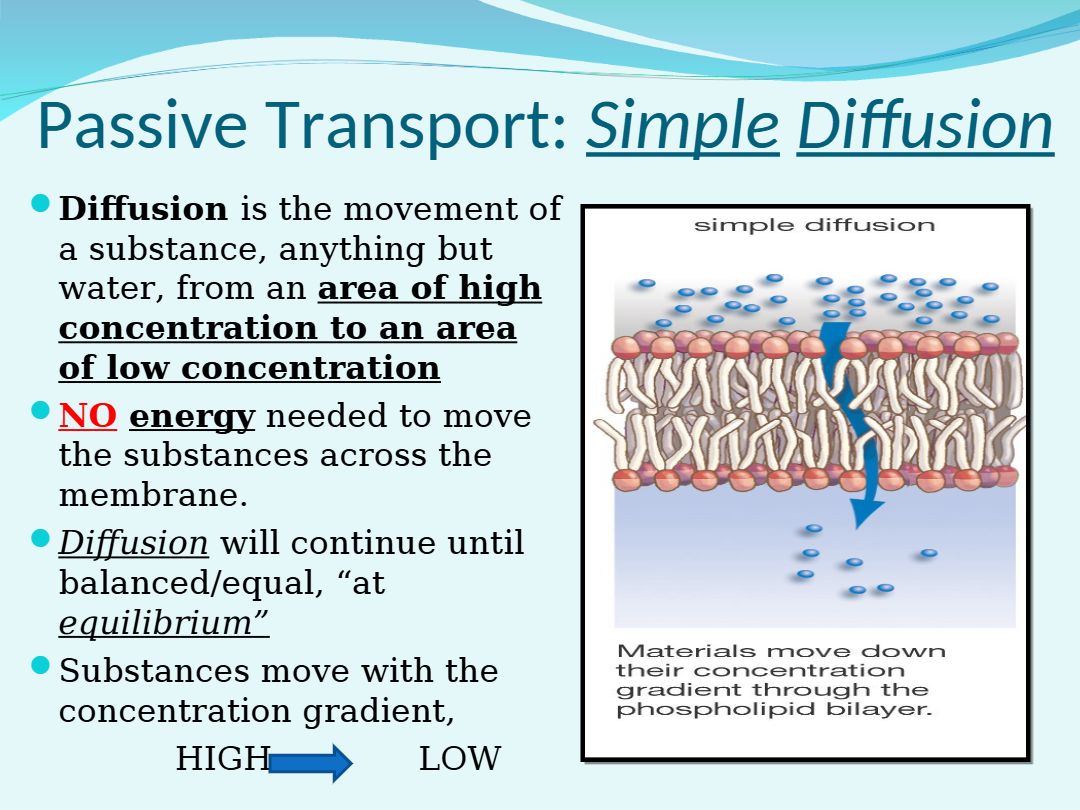
During simple diffusion, substances move from an area of
Type answer...
67
68
Multiple Select
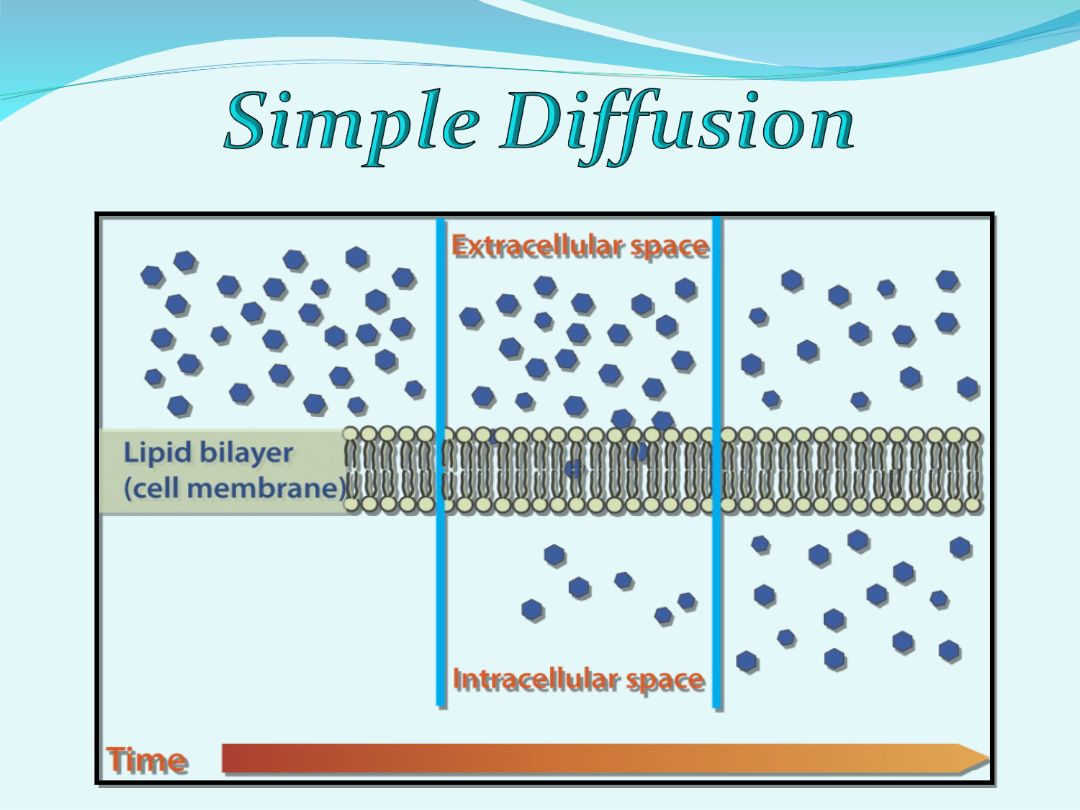
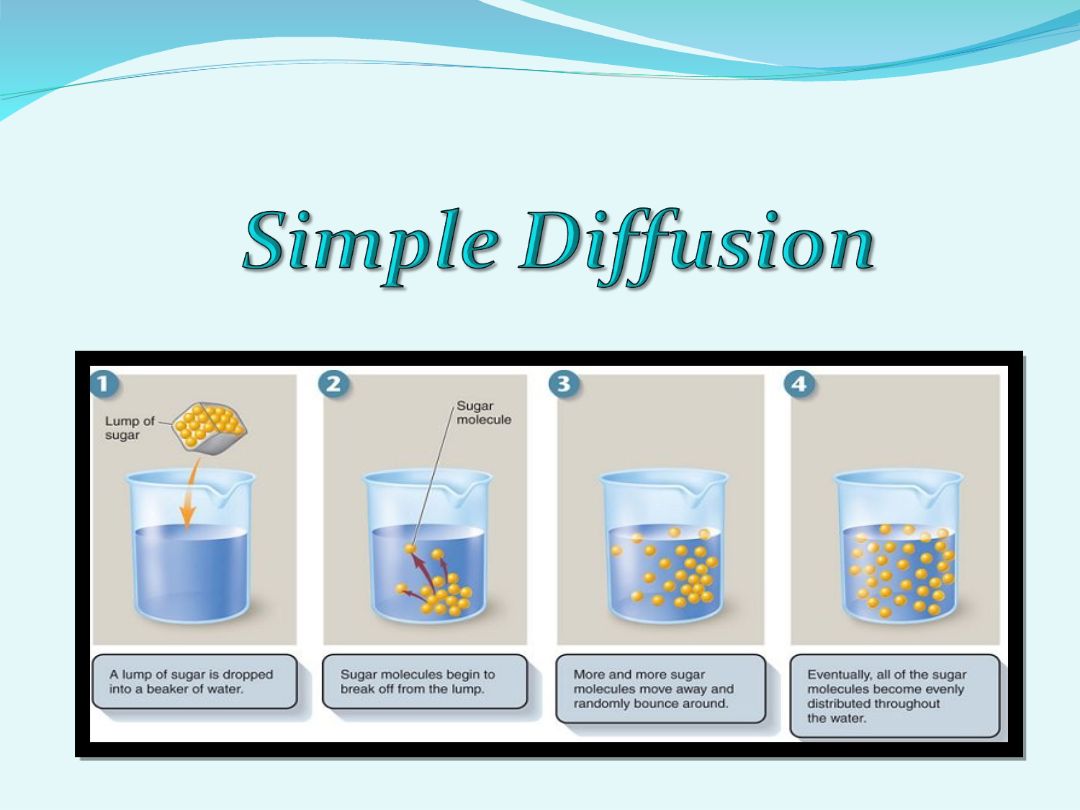
Which of the following statements about simple diffusion are correct?
It requires energy from the cell
It moves substances from high to low concentration
It continues until equilibrium is reached
It involves movement through the phospholipid bilayer
69
70

71
72
73
74
75
76
77
78
79
80
81
82
83

84
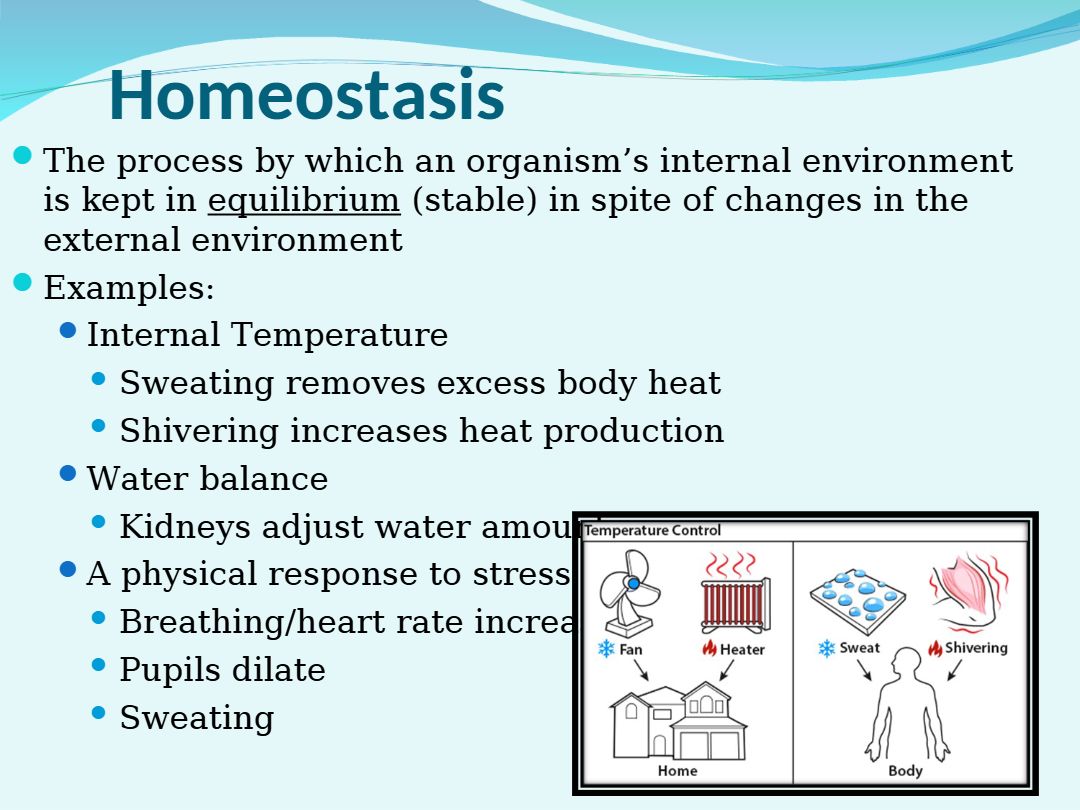
85
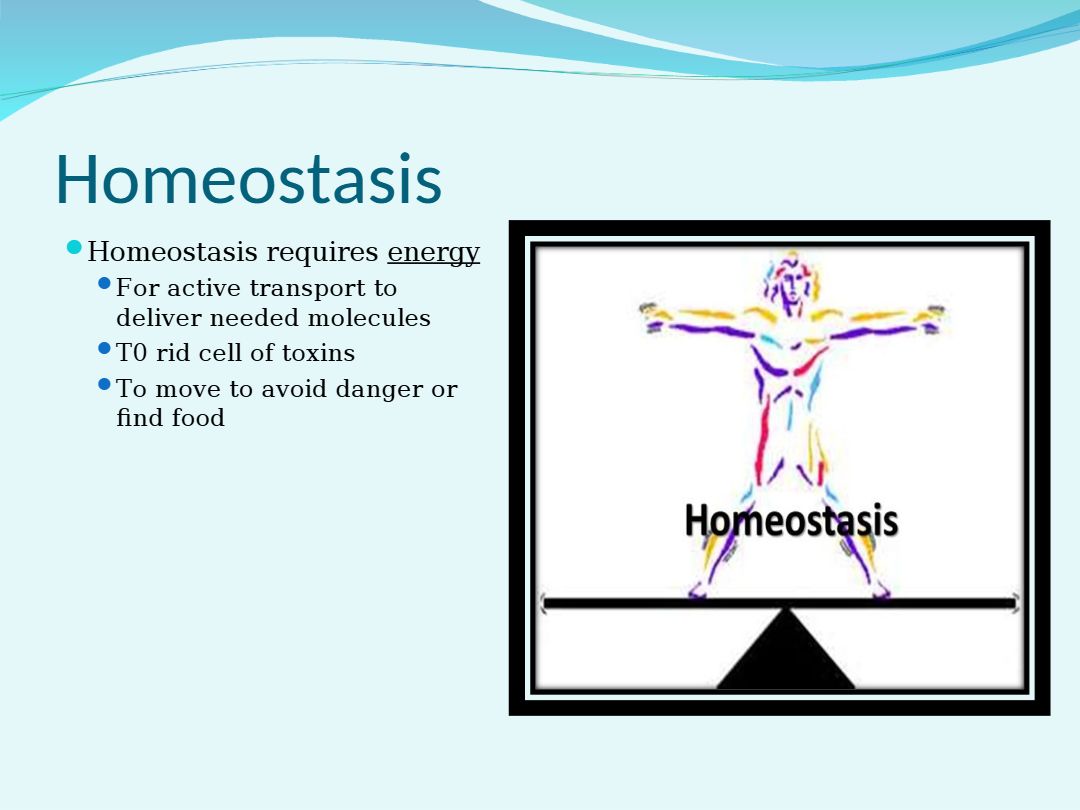
86
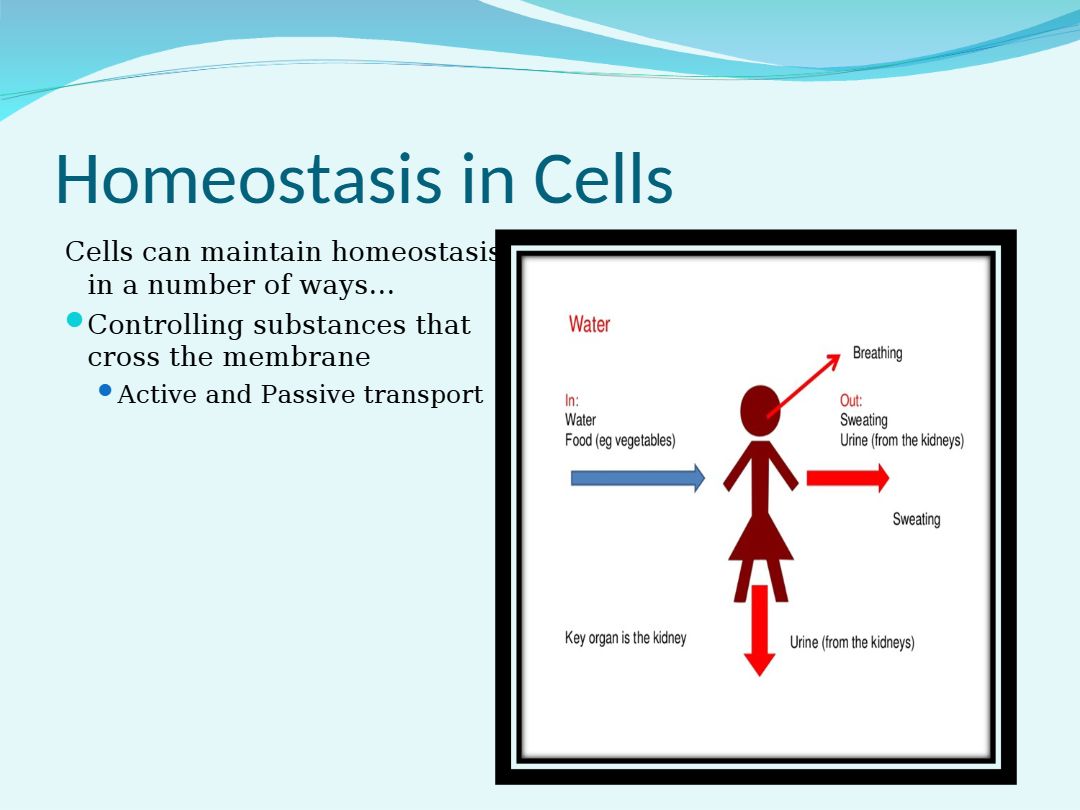
87
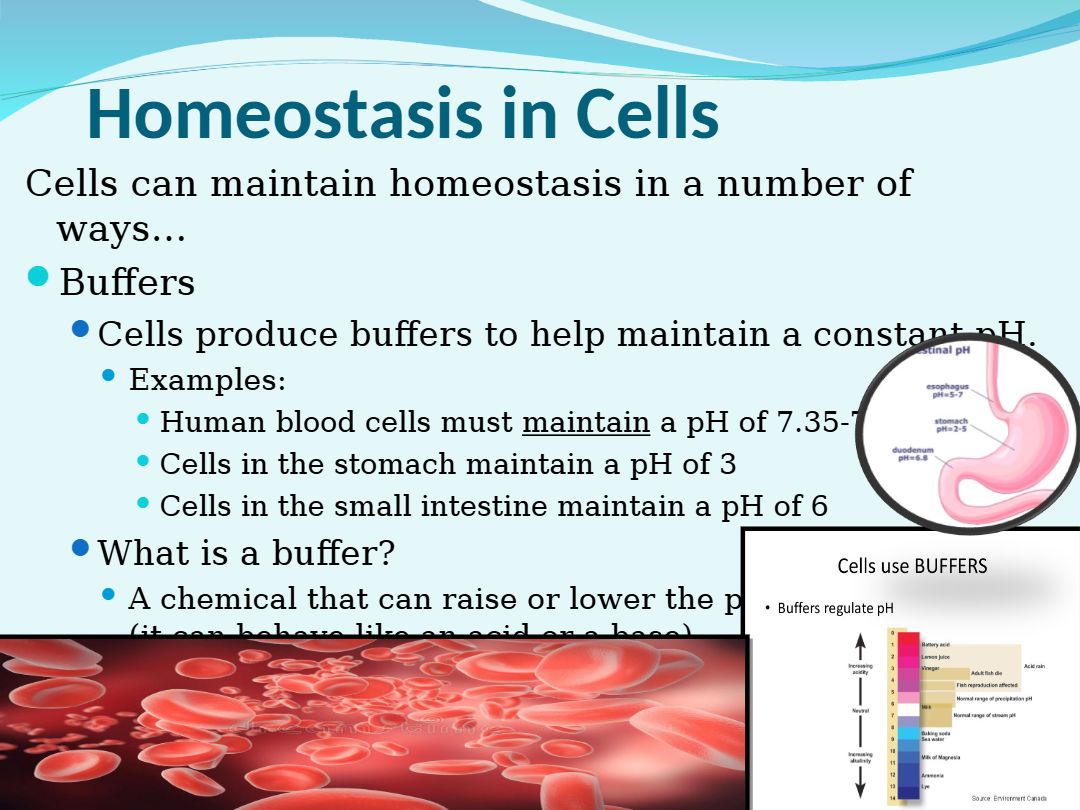
88
89
90
91
92
93
94
95
96
97
98
99
Show answer
Auto Play
Slide 1 / 99
SLIDE
Similar Resources on Wayground

96 questions
SSWH 18
Presentation
•
9th Grade
92 questions
questões evolução
Presentation
•
9th Grade
96 questions
The Odyssey review
Presentation
•
9th - 10th Grade
95 questions
Lesson #16 - Uncovering Problems at the Turn of the Century
Presentation
•
10th Grade
94 questions
Willowridge Mendelian Genetics
Presentation
•
8th - 10th Grade
93 questions
Willowridge DNA RNA replication Structure Base Pairing
Presentation
•
9th - 10th Grade
95 questions
Introduction to Professional Communication
Presentation
•
9th Grade
96 questions
Chapter 6 Summary (Part I)
Presentation
•
9th Grade
Popular Resources on Wayground
10 questions
Safety Day 2026 – Student Review

Quiz
•
9th Grade
21 questions
Continents and Oceans
Quiz
•
6th Grade
20 questions
Parts of Speech
Quiz
•
5th Grade
16 questions
Subject & Predicate
Quiz
•
5th Grade
25 questions
Multiplication Facts
Quiz
•
5th Grade
12 questions
Map Skills
Quiz
•
3rd Grade
22 questions
Continents and Oceans
Quiz
•
5th Grade
15 questions
Rounding Decimals
Quiz
•
5th Grade
Discover more resources for Biology
20 questions
Cell Transport
Quiz
•
9th - 12th Grade
25 questions
photosynthesis and cellular respiration
Quiz
•
9th Grade
20 questions
Cell Cycle
Quiz
•
9th Grade
8 questions
DNA vs. RNA
Presentation
•
9th - 12th Grade
14 questions
Ecological Succession: Primary and Secondary
Quiz
•
9th Grade
20 questions
Characteristics of Life
Quiz
•
9th - 10th Grade
12 questions
Cell Cycle
Quiz
•
9th Grade
20 questions
Cell Organelles
Quiz
•
9th Grade