

What is science? Branches of science & Recurring Themes Lesson 1

Presentation
•
Science
•
6th - 8th Grade
•
Medium
+21
Standards-aligned

Brenda Zarate
Used 22+ times
FREE Resource
63 Slides • 29 Questions
1

2

3

4

5
Open Ended
Why do you think making careful observations is important in science?
6
Multiple Choice
Which of the following is a key reason scientists make observations during experiments?
To gather evidence and data
To guess the outcome
To ignore unexpected results
To make the experiment shorter
7

8
9

10

11

12

13
Multiple Choice
Fill in the blank: The factor that is changed by the investigations to observe how it affects a dependent variable is called the ___.
dependent
control
constant
14

15
Multiple Choice
Which of the following best describes the difference between scientific and pseudoscientific ideas?
Scientific ideas are based on empirical evidence and can be tested, while pseudoscientific ideas lack empirical support and do not follow scientific methods.
Scientific ideas are always correct, while pseudoscientific ideas are always false.
Scientific ideas are only about biology, while pseudoscientific ideas are about chemistry.
Scientific ideas are based on opinions, while pseudoscientific ideas are based on facts.
16

17
Open Ended
Explain the fundamental goal of science in your own words.
18

19
Open Ended
How can you use scientific inquiry to find the answer to a question about the natural world?
20

21

22

23
Multiple Choice
Why is openness important in the scientific community?
Because scientific ideas must be testable and reproducible
Because scientists like to share secrets
Because it makes science more fun
Because it is required by law
24
Multiple Choice
Science is characterized by the use of systematic methods and ___ evidence.
systematic
scientific
25
Multiple Select
Which of the following are characteristics of empirical evidence in science?
It is measurable
It is based on opinions
It can be observed by the senses
It includes guesses
26

27
Multiple Choice
What is the role of empirical evidence in science?
It provides observations and data to support and evaluate scientific explanations.
It is used only in pseudoscientific investigations.
It is not important in forming scientific theories.
It is only used in physical sciences.
28
Open Ended
Describe how specialized tools can help scientists collect more accurate and safer empirical evidence when studying dangerous phenomena like volcanoes.
29

30
Multiple Choice
Empirical evidence is the basis for scientific ___ .
evidence
testable questions
31

32
Multiple Choice
What should scientists do if the results do not support their explanation?
Reject or modify and retest the explanation
Ignore the results
Change the data to fit the explanation
Stop doing science
33

34
Open Ended
Explain the steps involved in evaluating a scientific explanation, and why each step is important.
35

36
Open Ended
Why is empirical evidence considered the cornerstone of scientific knowledge?
37
Open Ended
What is empirical evidence?
38

39

40

41
Multiple Select
Select all statements that describe similarities between science and pseudoscience.
Both claim to be based on empirical evidence
Both use technical or scientific-sounding language
Both rely only on personal experiences
Both involve topics related to the natural world
42

43
Open Ended
Define pseudoscience in your own words.
44

45

46

47
Multiple Choice
Which of the following is a characteristic of pseudoscience but not science?
Based on empirical evidence that can be tested
Uses accepted scientific methods
Supported by vague or unmeasurable evidence
Requires repeatable experiments
48
Multiple Choice
The biggest difference between science and pseudoscience is that pseudoscience does not use accepted scientific ___.
inquiry
evidence
investigations
49
Multiple Select
Which of the following are characteristics of science?
Based on empirical evidence
Open to revision
Relies on personal beliefs
Follows a systematic process
50
51

52
53
54

55
56
57
Multiple Select
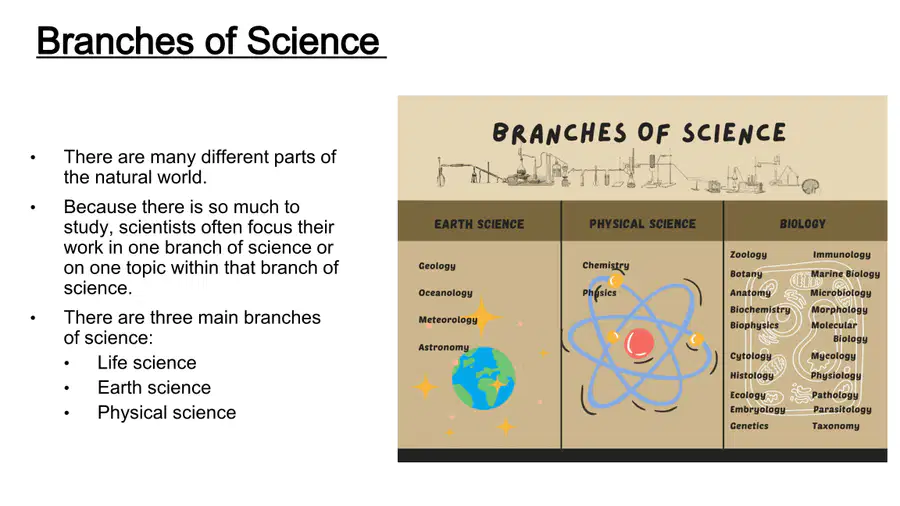
Which of the following are branches of science?
Life Science
Physical Science
Earth Science
Astrology
58

59

60

61

62

63

64
Open Ended
Describe one way in which Earth science and physical science differ in their focus of study.
65
Poll
My understanding of the different branches of science is ____.
Level 1: I do not understand. I need to attend tutoring and redo the quizizz at home.
Level 2: I understand a little but need more practice. I need to redo the quizizz at home and attend tutoring.
Level 3: I understand the material and I am confident that I will do well on my quiz or assessment.
Level 4: I can teach it.
66

67

68

69

70
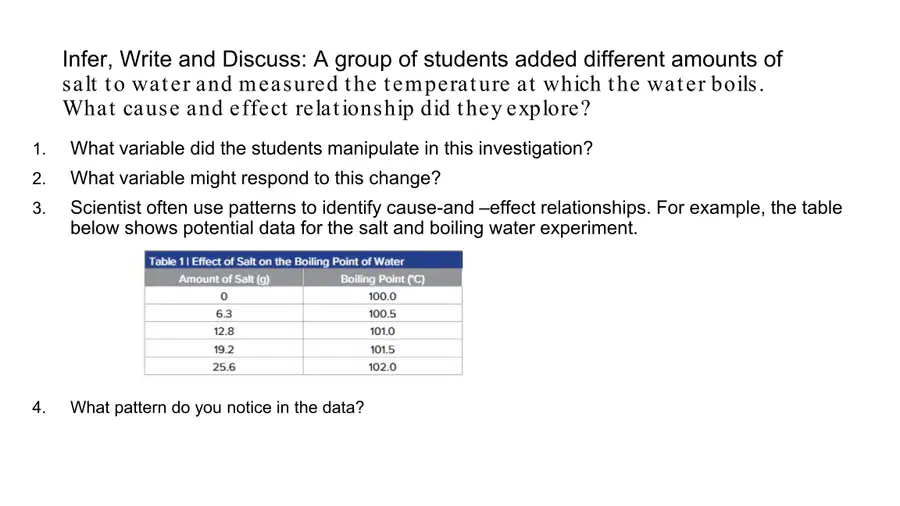
What are some examples of patterns you have observed in everyday life?
71

72
73
74
75
76
77
78
79
80
81
82
Open Ended
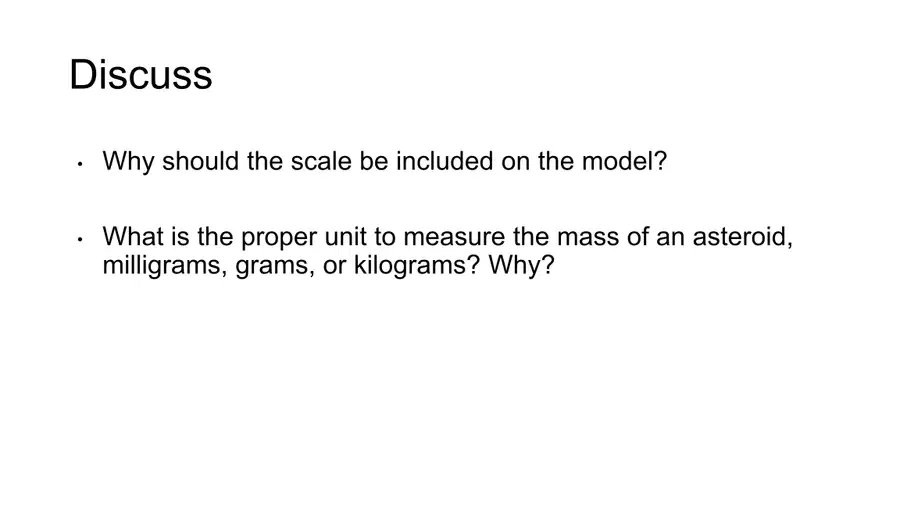
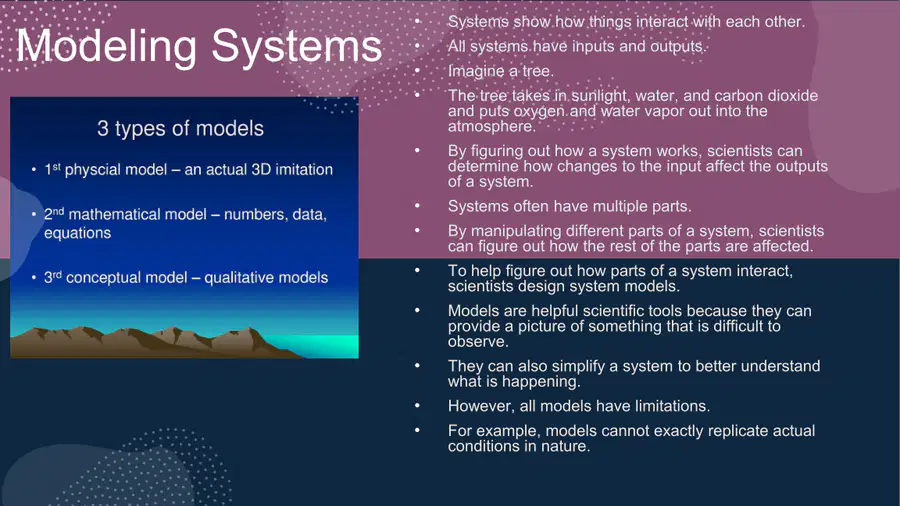
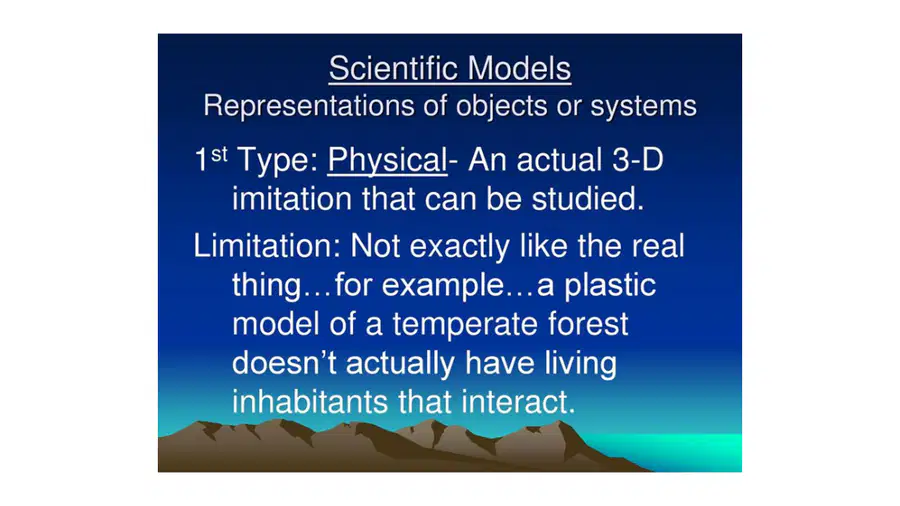
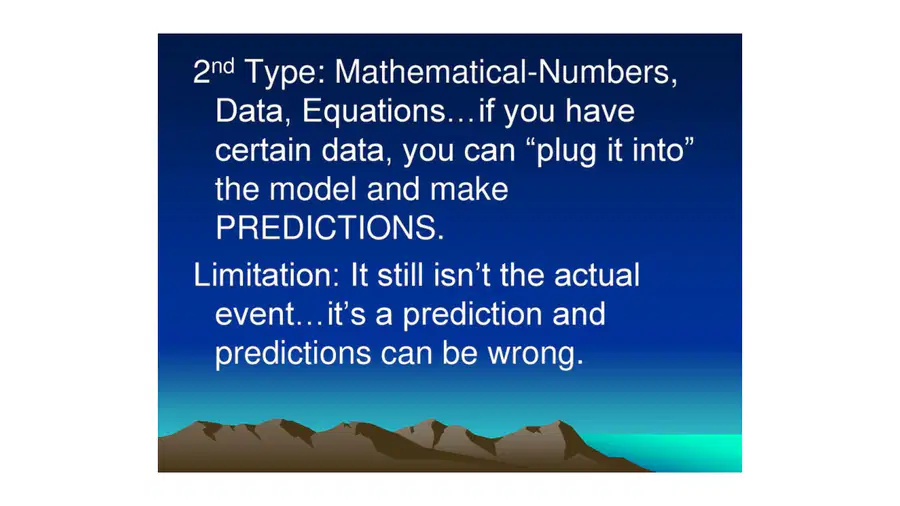
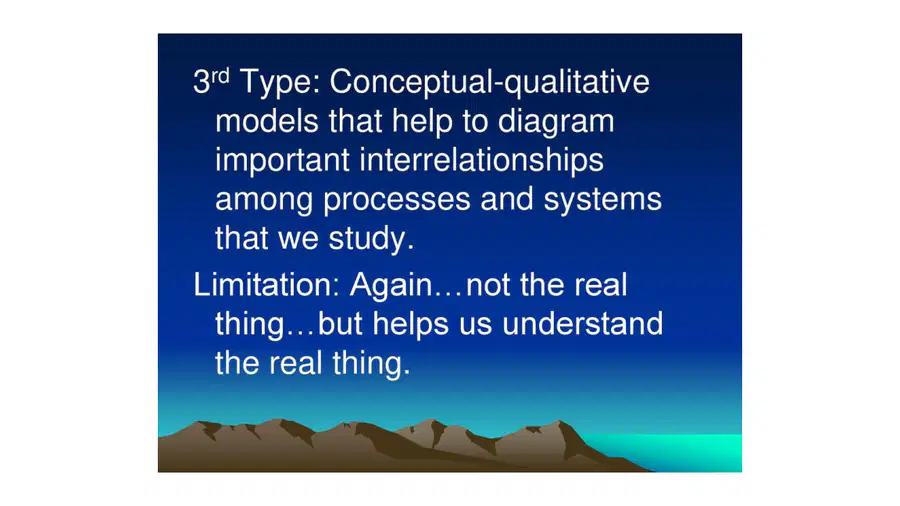
What are some limitations of models?
83
Open Ended
Why is it important for models to be to scale?
84

85
Open Ended
Give an example of energy and matter.
86

87

88
89

90
91
Multiple Choice
Why are making observations important in science?
Because they help us gather information and understand the world around us.
Because they allow us to guess answers without evidence.
Because they make science more difficult.
Because they are only used in experiments.
92
Open Ended
What is one thing you learned today about making scientific observations that you would like to remember or use in the future?
Show answer
Auto Play
Slide 1 / 92
SLIDE
Similar Resources on Wayground

89 questions
Science Doodles Review Page 3
Presentation
•
5th Grade
82 questions
Introduction to Marine Science
Presentation
•
9th Grade
88 questions
2nd 9wks Science Study Guide
Presentation
•
4th - 5th Grade
80 questions
Science
Presentation
•
5th Grade
86 questions
Study Guide for Module 1
Presentation
•
6th - 7th Grade
89 questions
Science 8 Quarter 2 L1-B
Presentation
•
8th Grade
86 questions
6.2.2 Middle Ages Religion and Globalization Review
Presentation
•
6th Grade
83 questions
Introduction Review 2025 Grade 7
Presentation
•
6th - 8th Grade
Popular Resources on Wayground
10 questions
Safety Day 2026 – Student Review

Quiz
•
9th Grade
21 questions
Continents and Oceans
Quiz
•
6th Grade
20 questions
Parts of Speech
Quiz
•
5th Grade
16 questions
Subject & Predicate
Quiz
•
5th Grade
25 questions
Multiplication Facts
Quiz
•
5th Grade
12 questions
Map Skills
Quiz
•
3rd Grade
22 questions
Continents and Oceans
Quiz
•
5th Grade
15 questions
Rounding Decimals
Quiz
•
5th Grade
Discover more resources for Science
20 questions
Newton's Laws of Motion
Quiz
•
8th Grade
20 questions
Elements, compounds, and mixtures
Quiz
•
6th Grade
10 questions
6.6D - Relative Density Review
Quiz
•
6th Grade
15 questions
potential and kinetic energy
Quiz
•
8th Grade
21 questions
Newton's Laws of Motion
Quiz
•
8th Grade
20 questions
Elements, Compounds and Mixtures
Quiz
•
8th Grade
10 questions
Exploring Chemical and Physical Changes

Interactive video
•
6th - 10th Grade
20 questions
CONDUCTION,CONVECTION AND RADIATION
Quiz
•
6th Grade