

Informational Text

Presentation
•
Social Studies
•
6th - 8th Grade
•
Practice Problem
•
Easy

Craig Kirkdoffer
Used 1+ times
FREE Resource
11 Slides • 5 Questions
1
2
Open Ended
What comes to mind when they hear "informational text"?
3
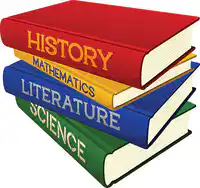
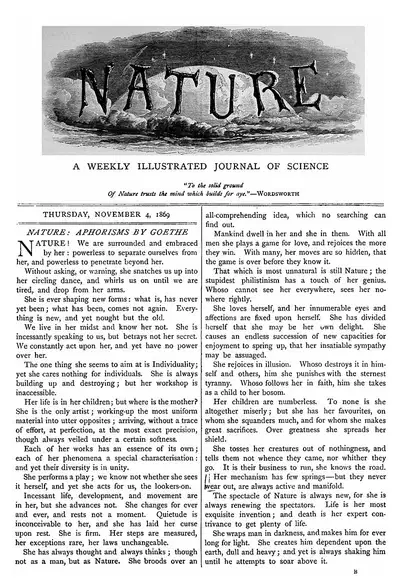
Informational texts are written to provide facts about a subject or topic. Unlike fiction, their main purpose is to teach us something.

4
Parts of Informational Text
Topic
Main Idea
Title
Informational Text
Supporting Details
5
The title is the name of a text. It gives you a clue about what you are going to read. A good title tells the reader the topic and sometimes hints at the main idea. For example, if the title is The Life of Bees, you can guess the text will be about how bees live and what they do.
6
The subject, or who or what a text is mostly about. The topic is what the text is mostly about in one or two words. It’s the big subject, like “volcanoes,” “friendship,” or “basketball.” If you had to say the whole text in just one word or short phrase, that’s the topic.
7
The subject and what the text says about the subject. The main idea tells what the author wants you to know about the topic. It’s usually a full sentence. For example, if the topic is “volcanoes,” the main idea might be “Volcanoes can be dangerous, but they also help create new land.”
8
Writing that gives facts about a subject or topic. An informational text gives you facts and details about the real world. It teaches you something new. Textbooks, news articles, and science books are examples of informational texts. They are written to inform, not to entertain.
9
Facts, reasons, and other details that explain a main idea. Supporting details are the small pieces of information that explain or prove the main idea. They can be facts, examples, or reasons. If the main idea is “Exercise keeps you healthy,” then a supporting detail could be “Exercise strengthens your heart.”
10
Good readers don't just read the words in a text; they interact with them. One way good readers interact with the text is by annotating, which means adding little marks or notes while you read to stay focused and remember what’s important.
11
⭐ Star: Use a star to mark an important fact or a big idea. This is for the “main stuff” you want to hold onto—like the main character’s problem or a key detail in science.
✅ Check Mark: A check mark shows that you understand something. It’s like saying, “Got it!” to yourself. Place it next to a point you’ve fully understood.
Underline: When you see a word or phrase that’s new or confusing, underline it. This is your reminder to look it up later or ask about it.
❓ Question Mark: Put a question mark by something that makes you curious or that you don’t fully understand. It’s a signal to yourself to come back and think more about it.
12
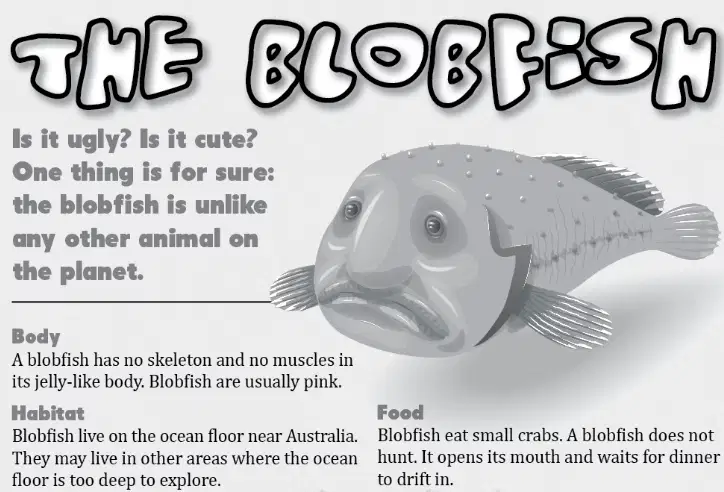
Lets Annotate
Star (⭐): Use a star to mark an important fact or a key idea. This is for the "big stuff" you need to remember.
Check Mark (✅): Use a check mark to show that you've understood a specific point. This is like giving yourself a mental "check."
Underline: You can underline words or phrases that are new or confusing. This reminds you to look them up later.
Question Mark (?): Place a question mark next to something you're curious about or don't fully understand.
13
Multiple Choice
What is the main purpose of an informational text?
To tell a made-up story
To give facts about a subject
To convince the reader to do something
To write a poem
14
Match
Match Each Part with the correct description
The main idea, or who or what a text is mostly about.
The subject and what the text says about the subject.
Writing that gives facts about a subject or topic.
Facts, reasons, and other details that explain a main idea.
Words at the top of the text that provides the name of what you are reading
Topic
Main Idea
Informational Text
Supporting Details
Title
Topic
Main Idea
Informational Text
Supporting Details
Title
15
Multiple Choice
Think about the annotation symbols we discussed. What does it mean if you put a ? next to a sentence?
The sentence is very important.
You understand the sentence completely.
You have a question about the sentence or it's confusing.
The sentence is a good example of a supporting detail.
16
Open Ended
Imagine you are reading an article about sharks. You read the sentence: "Sharks have a unique ability to sense the electrical fields of other animals." If you wanted to remember this fact later, what annotation symbol would you use and why?
Show answer
Auto Play
Slide 1 / 16
SLIDE
Similar Resources on Wayground

10 questions
Regions and Relative Location of Asia
Presentation
•
7th Grade
12 questions
Africa Religions & Ethnic Groups
Presentation
•
7th Grade
13 questions
Mesopotamia
Presentation
•
7th Grade
11 questions
Percent- Finding the Discount
Presentation
•
6th - 8th Grade
11 questions
The Renaissance
Presentation
•
6th - 8th Grade
11 questions
Sentence Structures
Presentation
•
6th - 8th Grade
11 questions
Subatomic Particles
Presentation
•
6th - 8th Grade
10 questions
Canada Today 2: Canada's Role in the World
Presentation
•
6th - 8th Grade
Popular Resources on Wayground
10 questions
Safety Day 2026 – Student Review

Quiz
•
9th Grade
21 questions
Continents and Oceans
Quiz
•
6th Grade
20 questions
Parts of Speech
Quiz
•
5th Grade
16 questions
Subject & Predicate
Quiz
•
5th Grade
25 questions
Multiplication Facts
Quiz
•
5th Grade
12 questions
Map Skills
Quiz
•
3rd Grade
22 questions
Continents and Oceans
Quiz
•
5th Grade
15 questions
Rounding Decimals
Quiz
•
5th Grade
Discover more resources for Social Studies
19 questions
Foundations of America
Quiz
•
6th - 8th Grade
5 questions
Mesopotamia Video Quiz

Interactive video
•
6th Grade
10 questions
Exploring the Age of Exploration: Key Events and Figures
Interactive video
•
6th - 10th Grade
20 questions
Articles of Confederation
Quiz
•
8th Grade
15 questions
Middle Ages of the Middle East Vocab List (CFA #2)
Quiz
•
6th - 8th Grade
13 questions
Ancient Egypt
Interactive video
•
6th Grade
10 questions
13 Colonies: Comparing Regions
Quiz
•
7th Grade
26 questions
SW Asia History
Quiz
•
7th Grade