

Forces and Motion Interactive Lesson

Presentation
•
Science
•
7th Grade
•
Hard

Joseph Anderson
FREE Resource
40 Slides • 0 Questions
1

Forces and Motion
Unit 2 – Physical Science
2

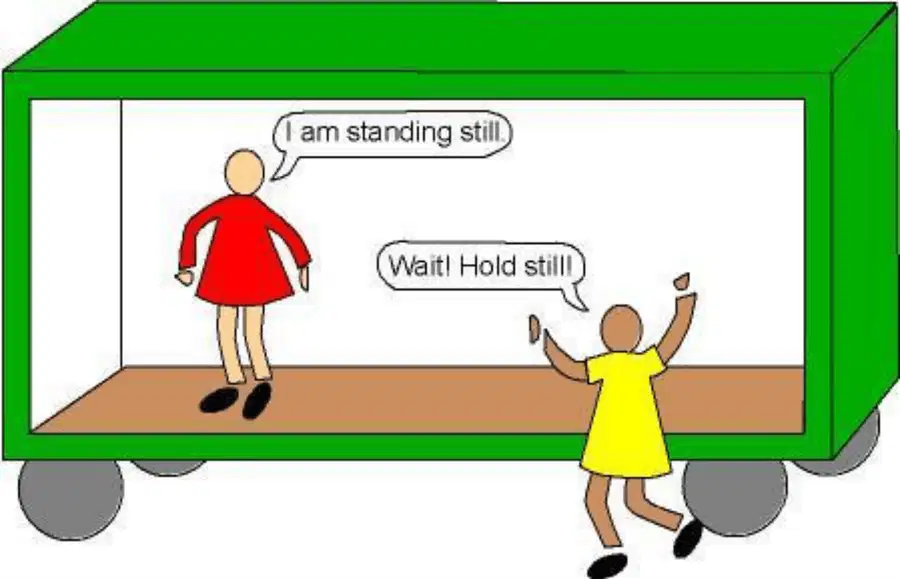
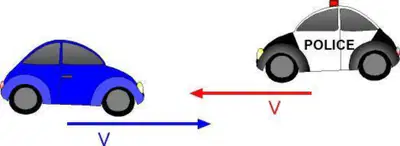
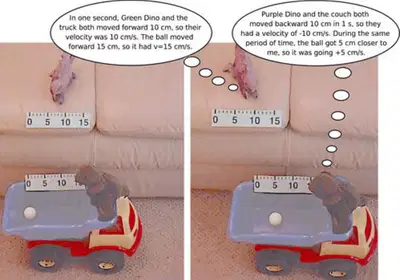
Different Reference Frames
3


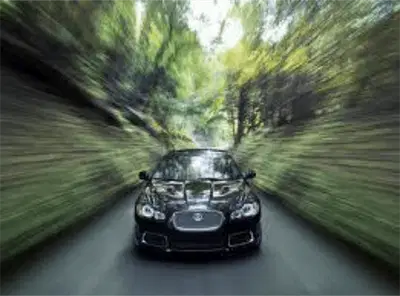
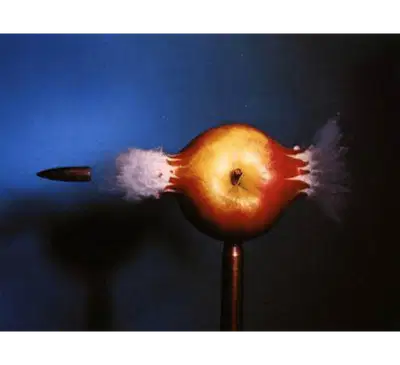
Motion
4

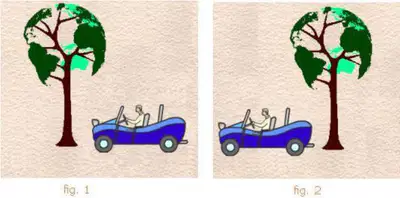
Reference Frame
●Object moves if it changes position against a
background that stays the same
●Reference frame
●Stationary background
●Change in position in a reference frame
●Distance traveled from a fixed point
●Like a race
5

Different
Reference Frames
6

Speed
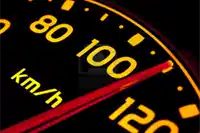
●How fast an object moves
●Involves measurements of distance and time
●Distance traveled
●Time it takes to travel that distance
●Units: m/s (meters/second)
speed = distance
v=d
time
t
Distance (m)
Time (s)
0
0
96
1
192
2
288
3
384
4
7

Speed
●Suppose a track star finished a 400 m dash in
58.6 s.
●What does the speed tell us?
●Every second the athlete ran
they covered 6.83 meters.
8

Practice
●Calculate the speed of the following objects:
●A mouse crosses a 10 m room in 3.6 s.
●A car drives 2500 m in 30 s.
●A bowling ball rolls down the 5.6 m long lane in 3.2
s.
9

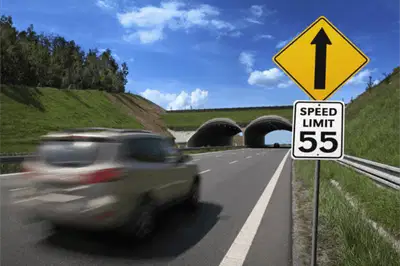
Constant Speed
●When an object covers equal distance in equal
amount of time
●Race care moving 96 m/s
●Every second moves 96 meters
10



Velocity
●Velocity is a speed BUT with a direction
●Want to know how fast something is going in what
direction
●55 mph (miles per hour) NORTH
●19 m/s to the RIGHT
●The direction makes it a velocity
●A car chase
●A helicopter will track the car’s velocity
●Heading South on I-71 at 80 mph
●Without the direction we wouldn’t know which way the car
is going
11

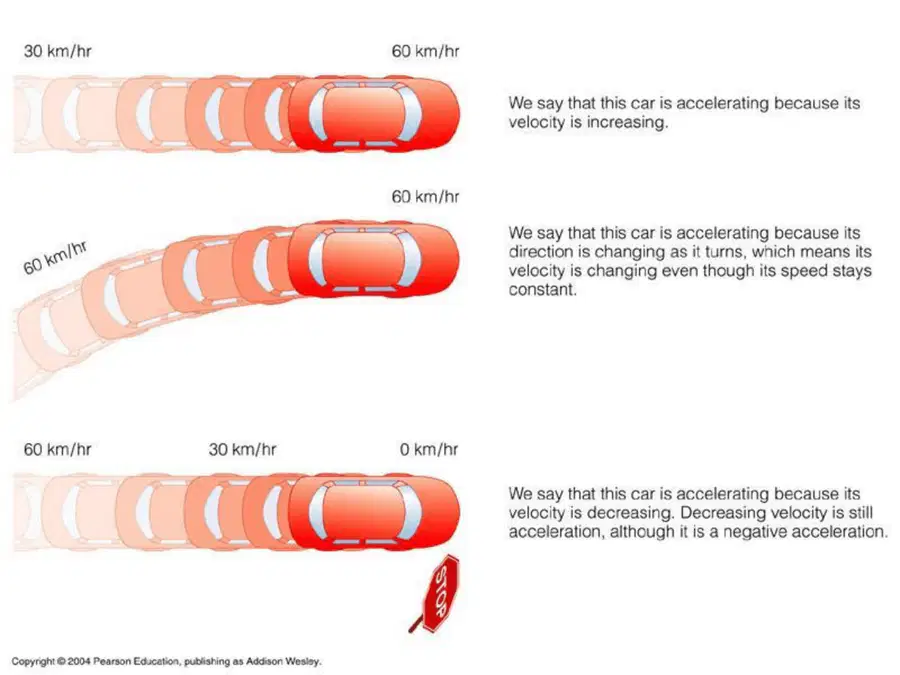
Acceleration
●When you pedal your bike hard your velocity
changes
●Then it changes again when you stop pedaling
●Changes again when you go around a curve
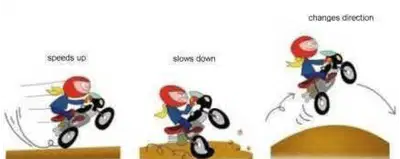
●Change direction
●Acceleration
●Any change in velocity
●Change in speed or direction
●Unit: m/s2 meters per second squared
12
13

Acceleration
●Tells how the velocity is changing per second
●Small number = gradually changing
●Runner’s acceleration of 2 m/s2
●Big number = fast change
●Sports car that goes from 0 to 96 km/s (60 mph) in 3.7 s
●Acceleration of 7.2 m/s2
●Negative acceleration
●Object is slowing down
14

Acceleration
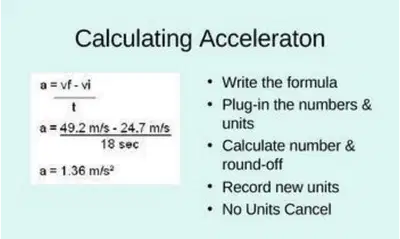
●Measure velocity at different times and find
amount of time between measurement
Acceleration = final velocity – initial velocity
time
a = vf – vi
or a = Δv
t
t
15


Practice
●A turtle swimming in a straight line toward
shore has a speed of .50 m/s. After 4.0 s, its
speed is .80 m/s. What is the turtle’s
acceleration?
●Find the acceleration of a northbound subway
train that slows down from 12 m/s to 9.6 m/s in
0.8 s.
16

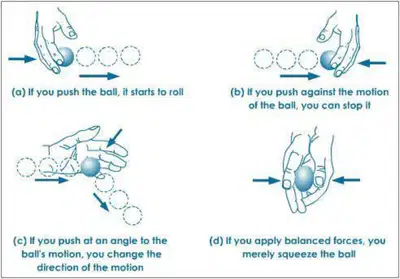
Force
●When throwing or catching a ball
●Exert a force
●Force
●Any push or pull that changes an object's velocity
●Speed or direction
17

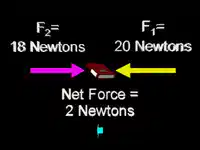
Net Force
●Net force
●Combination of all the forces acting on an object
●Objects accelerates in the direction of their net
forces
●Moves in direction of strongest force
●If object doesn’t accelerate
●Net force = 0
●No motion
18

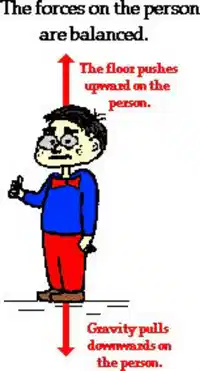

Balanced Forces
●Balanced forces don’t change motion
●Completely cancel each other out
●Combined force equals 0
50 N left
50 N right
Cancel out, net force = 0 N
19

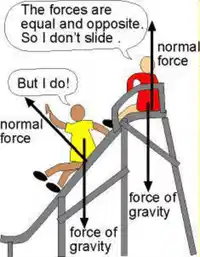
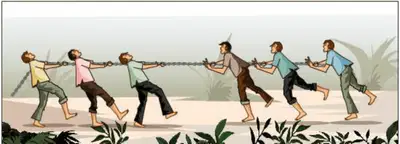
Unbalanced Forces
●Opposing forces that don’t have the same
strength don’t cancel each other out completely
●Some force left over
●Objects accelerate in direction of left over force
100 N left
50 N right
20

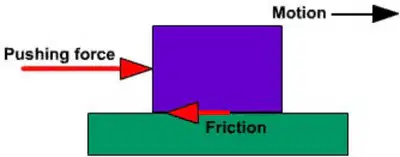
Friction
●A car rolls on a flat, freshly paved road
●If no forces act on it, it should keep moving
●Gradually slows down
●Friction
●A force that acts in the opposite direction of the
motion of the object
21

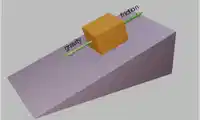
Friction
●Can also affect objects that aren’t moving
●Object sitting on an incline and not sliding
●Reason why athletic shoes have cleats or spikes
●Tennis shoes with rubber soles – create friction
●Smooth soles (dress shoes) and smooth floors
●Little friction, very slippery!
22

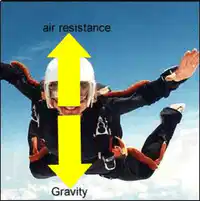
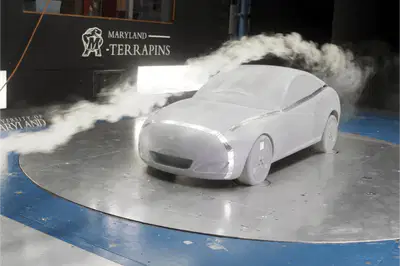
Air Resistance
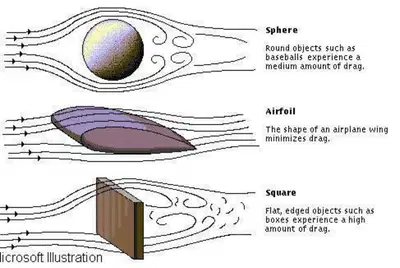
●Interaction between the surface of a moving
object and air molecules
●Type of friction
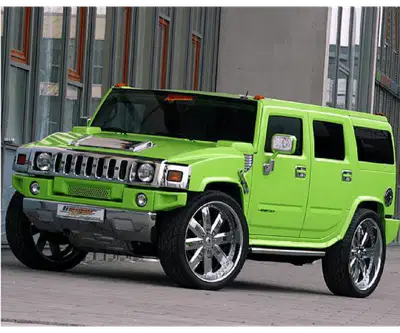
●Size, shape of object and speed affect
●Larger objects
●Faster moving objects
●More air resistance
23

Air
Resistance
24

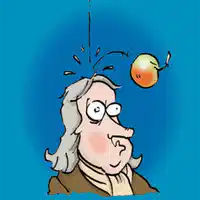
Gravity
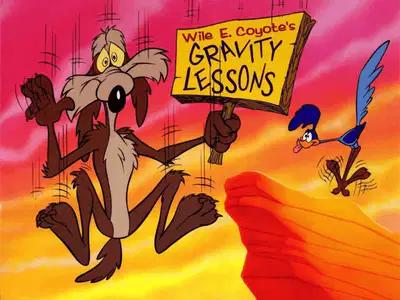
●Reason why things
fall to the ground
●Every object exerts a
gravitational force on
every other object
●Different from other
forces
●Gravity acts even
when the objects
don’t touch
●Pulls objects to the
ground
●Force acts down
25

Gravity
●Force between two objects depends on their
masses and distance between the objects
●Larger mass = larger gravitational force
●Closer together the two objects are = larger
gravitational force
●Person sitting next to you…
●You are all exerting forces on each other
●Just can’t feel it
●Our forces are extremely small compared to the gravitational
force of the Earth
26


27

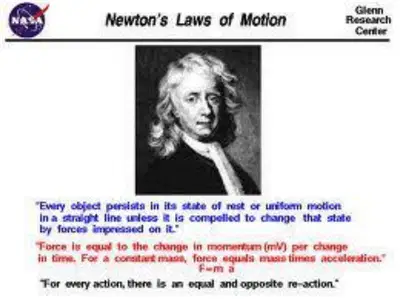
Newton’s Laws
of Motion
Every motion you observe
or experience is related to
force
28
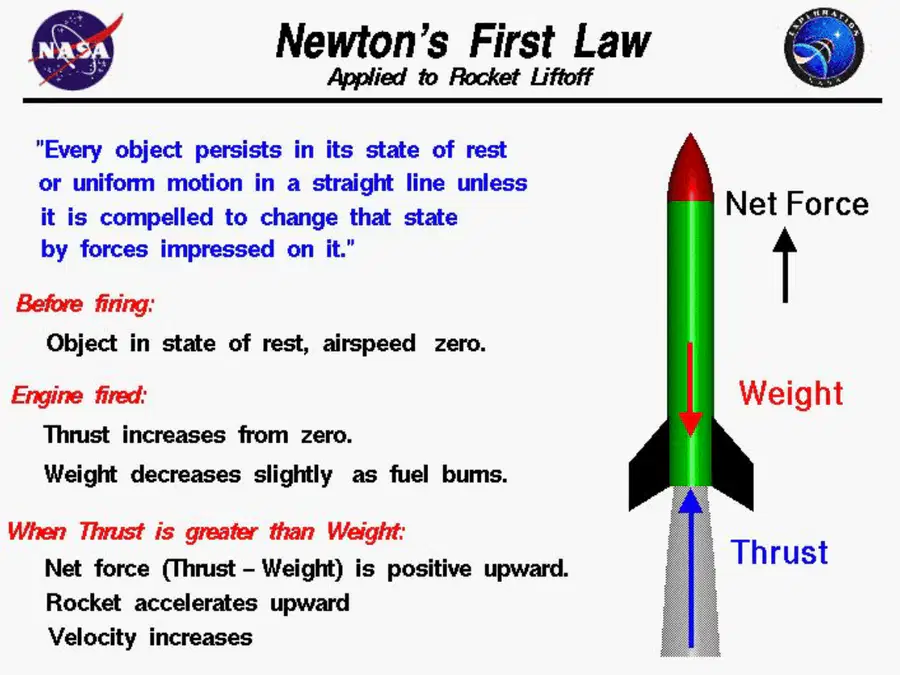
AKA: Law of Inertia
29

Newton’s
First Law
●An object at rest will remain at rest, or an
object in motion with constant velocity will
remain in motion with constant velocity until
acted upon by an unbalanced force
●Inertia explains many common events
●Car suddenly coming to a stop
●You keep moving forward
●Unless you have your seatbelt on
●The force from the seatbelt prevents you from moving
forward
30

Inertia
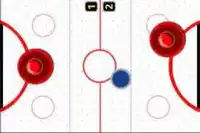
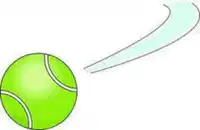
●Inertia
●The tendency of an object to resist change in its
motion
●All objects have inertia
●All objects resist changes in motion
●The amount of inertia an object has depends on
how much mass it has
●Greater the mass, the greater the inertia
31
32

Newton’s Second Law
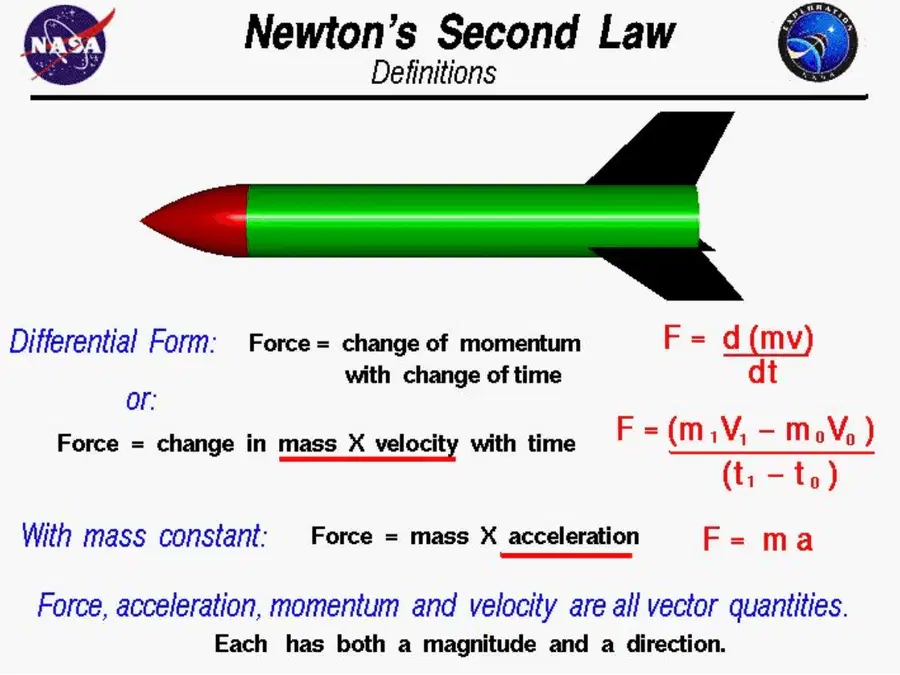
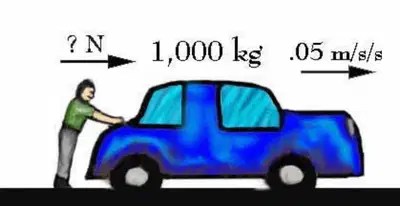
●The unbalanced force acting on an object
equals the object’s mass times acceleration
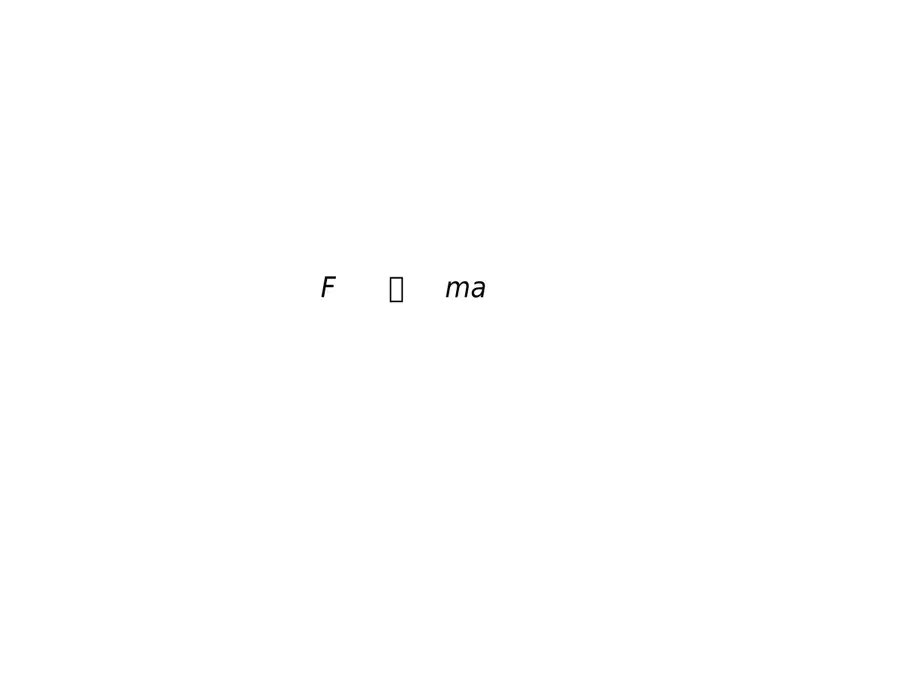
FORCE = MASS * ACCELERATION
F=MA
●Newton – the unit for force
●1 N = 1 kg*m/s2
33
Newton’s Second Law
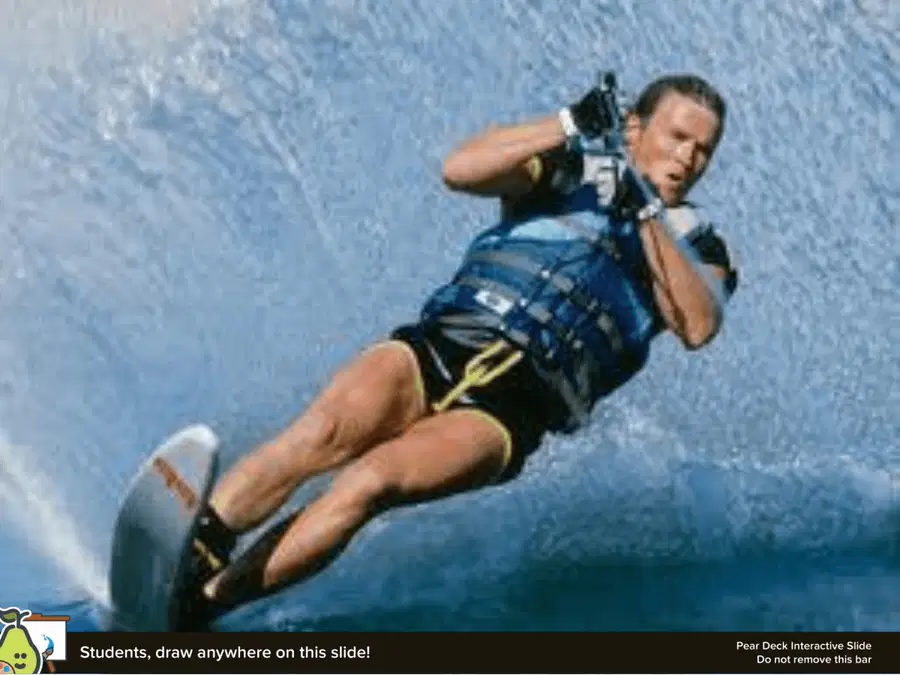
●A 52 kg water-skier is being pulled by a
speedboat. The force causes her to accelerate
at 2 m/s2. Calculate the net force that causes
this acceleration.
●What net force is needed to accelerate a 55 kg
cart at 15 m/s2?
34


Changes in Force and Mass
●How can you increase the acceleration of the
wagon?
●Changing the force
●Acceleration and force change in the same way
●Increase of force increases the acceleration
●Change the mass
●Acceleration and mass change in the opposite way
●Decrease of mass increases the acceleration
35

Free Fall
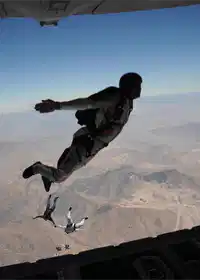
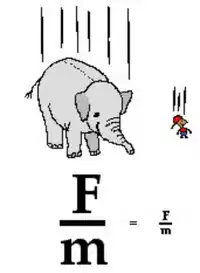
●When gravity is the only force
acting on an object
●Free fall acceleration = 9.8 m/s2
●Results from the downward force of
gravity
●In the absence of air resistance
●All objects fall at the same rate
36

Weight
●Weight
●NOT THE SAME AS MASS!!!!!
●Amount of matter something has
●Measure of the force of gravity on an object
●Weight is a force
●Can be written as an equation (Newton’s 2nd Law)
Weight = mass * acceleration due to gravity (g = 9.8 m/s2)
W = mg
37

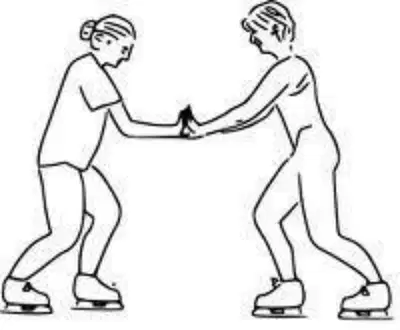
Newton’s Third Law of Motion
●Forces are not “one-sided”
●Whenever one object exerts a force on another
●The action force
●A force equal and opposite is exerted back
●The reaction force
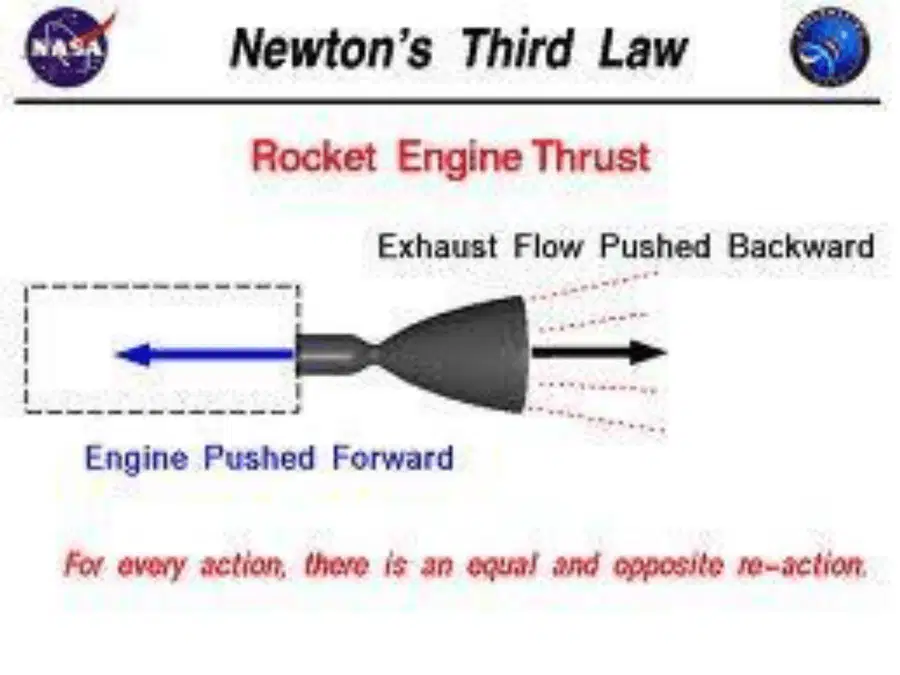
●Newton’s third law of motion states that if one
object exerts a force on another object, then the
second object exerts a force of equal strength in
the opposite direction on the first object.
38
39

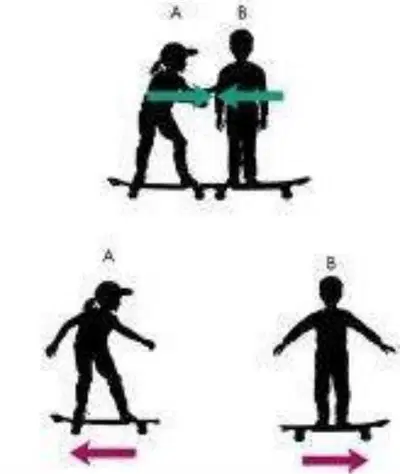
Equal but Opposite
●Two skaters pushing against each other
●They both move
●Their speed will depend on their mass
●Skater with more mass will have a
slower velocity
●Force is equal, but mass changes the acceleration
40
Action-Reaction in Action
●When walking you push with your feet
●The ground pushes back against you
●With equal and opposite force
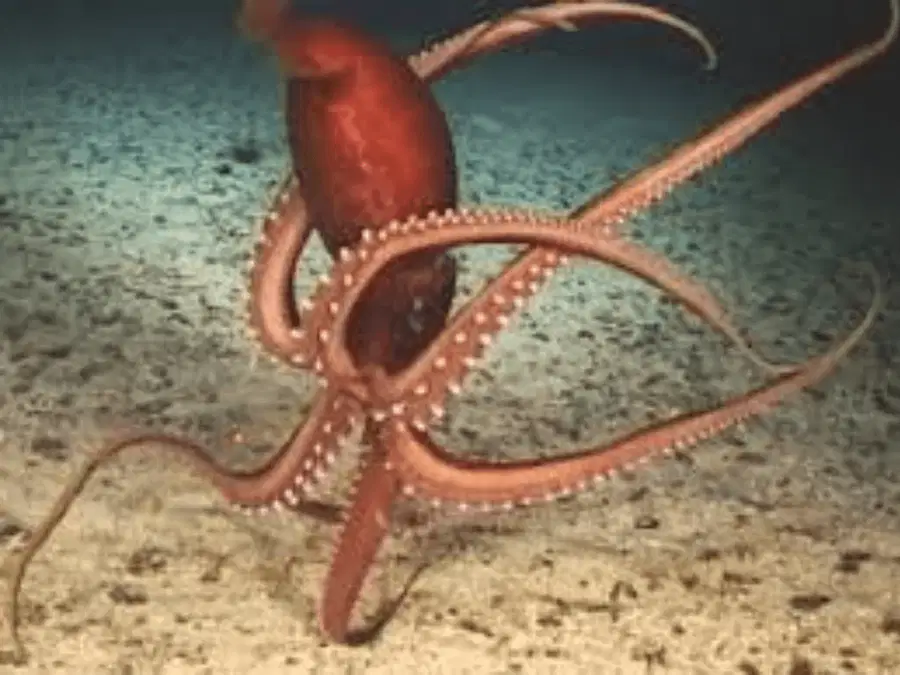
●A squid exerts a force on the water that it repels
from its body cavity
●The water pushes equally and opposite in direction
back on the squid
Forces and Motion
Unit 2 – Physical Science
Show answer
Auto Play
Slide 1 / 40
SLIDE
Similar Resources on Wayground

32 questions
Unit 4 Atmosphere and Weather
Presentation
•
7th Grade
34 questions
Biodiversity Intro
Presentation
•
7th Grade
36 questions
Biotic and Abiotic Factors
Presentation
•
7th Grade
34 questions
Terrestrial Biomes Review
Presentation
•
7th Grade
37 questions
Ohm's Law
Presentation
•
7th Grade
33 questions
Watersheds
Presentation
•
7th Grade
33 questions
Homeostasis and Cellular Processes
Presentation
•
7th Grade
36 questions
What is Matter?
Presentation
•
7th - 8th Grade
Popular Resources on Wayground
10 questions
HCS SCI 03 Summer School Review 4

Quiz
•
3rd Grade
11 questions
HSMS - Standard Response Protocol
Quiz
•
6th - 8th Grade
16 questions
1.1-1.2 Quiz Review
Quiz
•
9th - 12th Grade
12 questions
Exponent Expressions
Quiz
•
6th Grade
20 questions
Adding and Subtracting Integers
Quiz
•
6th - 7th Grade
11 questions
Northeast States
Quiz
•
3rd - 4th Grade
10 questions
Characterization
Quiz
•
3rd - 7th Grade
10 questions
Common Denominators
Quiz
•
5th Grade