Search Header Logo
symbiosis practice

symbiosis practice

Assessment

Presentation

Biology

9th - 12th Grade

Hard

NGSS
MS-LS2-2, MS-LS2-4, MS-LS1-4

Standards-aligned

Created by

Dorothy Burford

Used 1+ times

FREE Resource

1 Slide • 39 Questions

1
Discover new features in Lessons!
Finish all phases of “I-do ; We-do ; You-do” with Quizizz

media
media
media
media

​You can also create lessons directly on Google Slides using “Quizizz Extension”.
Read more about it here

2

Multiple Choice

This is any close relationship between any two different species in an ecosystem

1

symbiosis

2

parasitism

3

mutualism

4

commensalism

3

Multiple Choice

Ticks feed on deer blood with harms the deer.

1

Mutualism

2

Commensalism

3

Parasitism

4

Multiple Choice

Question image
Cattle egrets forage (feed) in fields among cattle. The egret gets easy access to flying insects stirred up by the cattle, and the cattle don't care if they are there or not.
1
mutualism
2
commensalism
3
competition
4
parasitism

5

Multiple Choice

Both species benefit

1

symbiosis

2

parasitism

3

mutualism

4

commensalism

6

Multiple Choice

A relationship between two organisms in which one organism benefits and the other is unharmed...
1
Mutualism 
2
Competition
3
Parasitsm 
4
Commensalism 

7

Multiple Choice

Yucca flowers are pollinated by yucca moths. The moths lay their eggs in the flowers. Both species benefit.

1

Mutualism

2

Commensalism

3

Parasitism

8

Multiple Choice

Question image

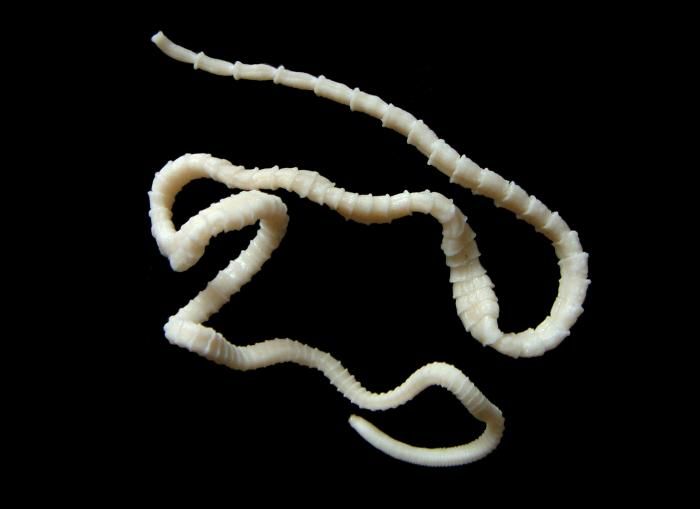
A tapeworm lives in the intestine of a cat absorbing nutrients through its skin. A tapeworm and a cat have this type of relationship.

1

mutualism

2

parasitism

3

commensalism

4

competition

9

Multiple Choice

One species benefits, the other is unaffected

1

symbiosis

2

parasitism

3

mutualism

4

commensalism

10

Multiple Choice

Question image
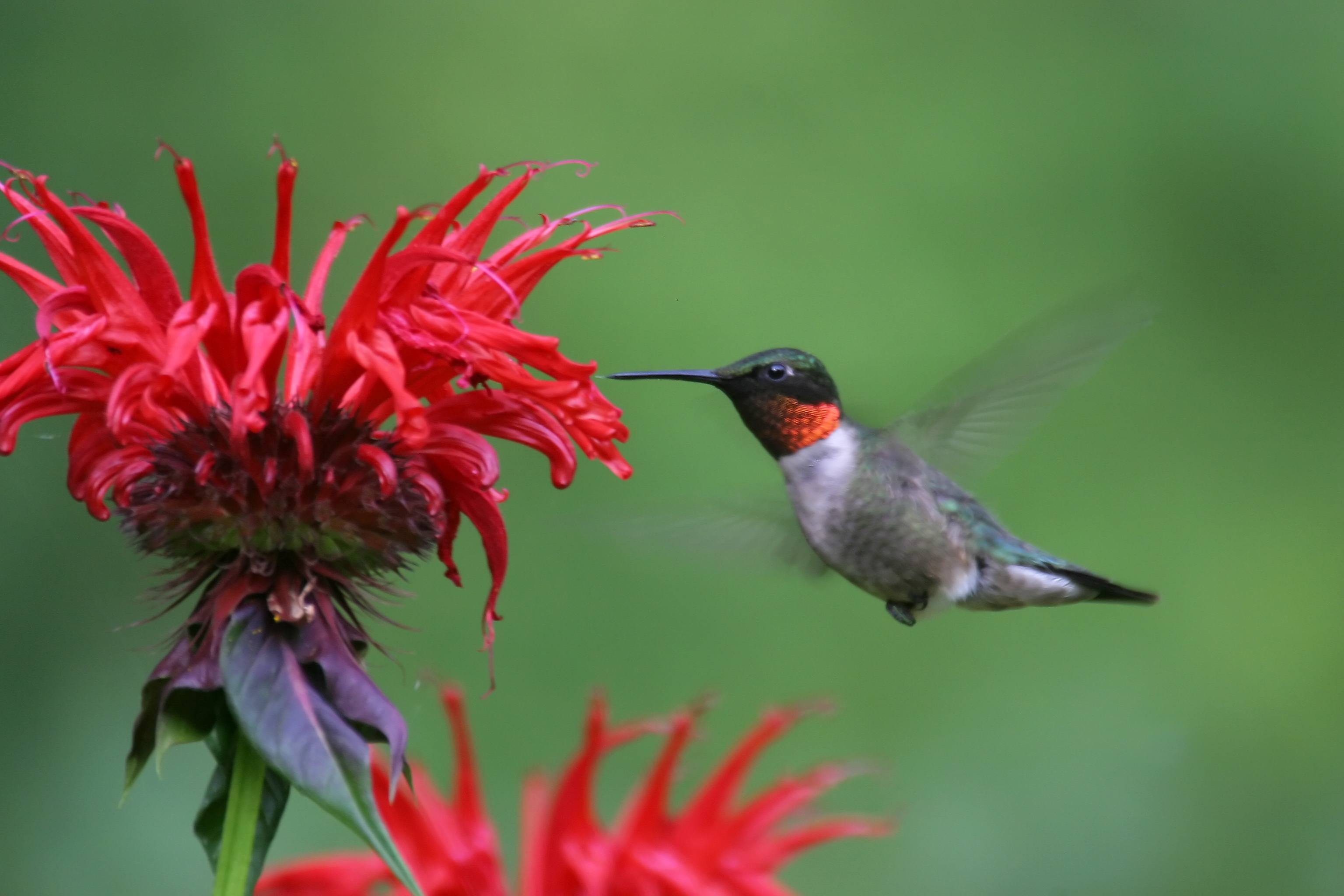
What type of symbiosis?  Hummingbirds feed on nectar from flowers.  The flowers are pollinated by hummingbirds as they move from flower to flower.
1
commensalism
2
mutualism
3
parasitism
4
predation

11

Multiple Choice

Hermit crabs live in shells made and then abandoned by snails.

1

Mutualism

2

Commensalism

3

Parasitism

12

Multiple Choice

Question image
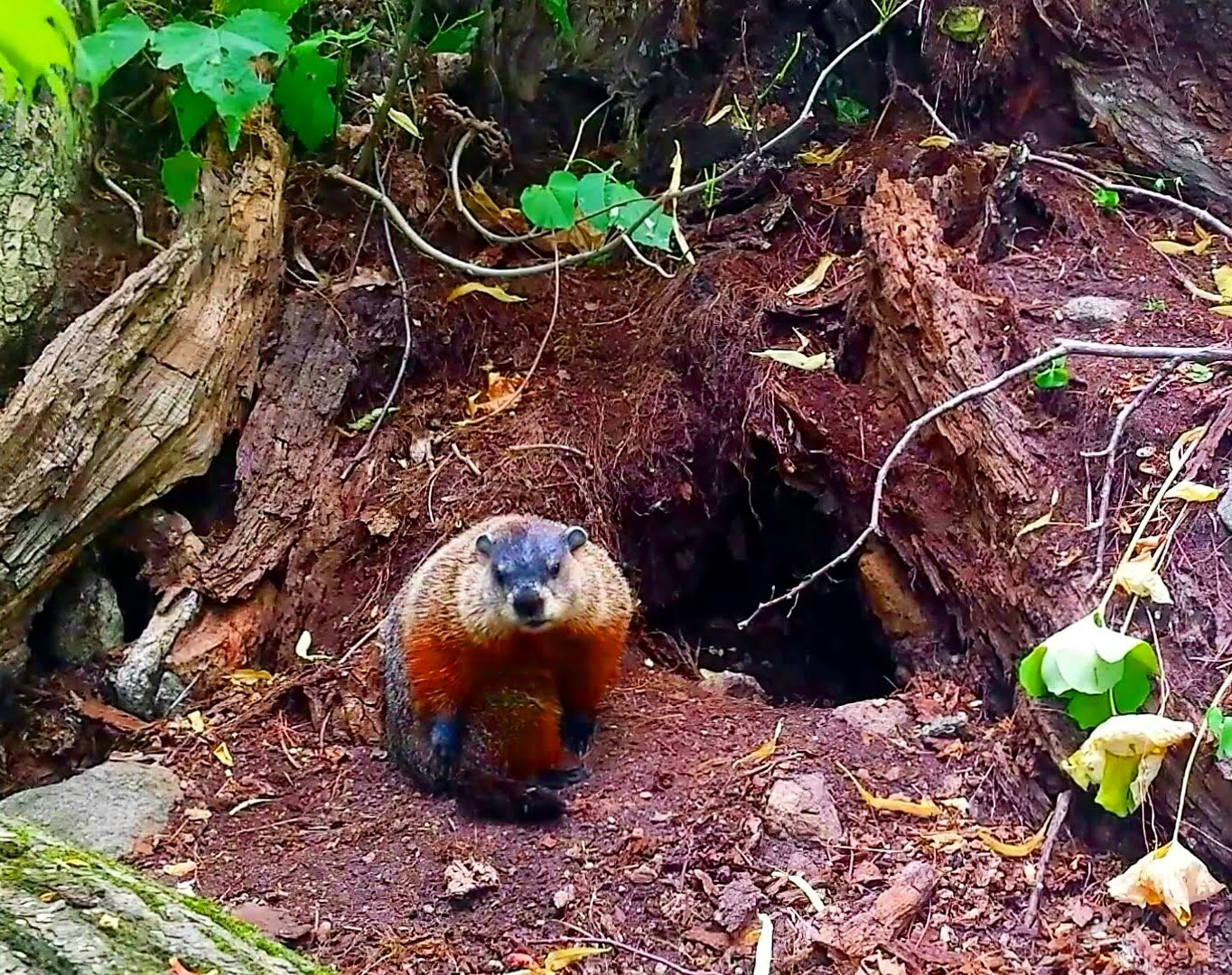
What type of symbiosis?  Skunks often live in burrows that have been dug and abandoned by woodchucks.  
1
commensalism
2
mutualism
3
parasitism
4
predation

13

Multiple Choice

One species benefits, the other species is harmed

1

symbiosis

2

parasitism

3

mutualism

4

commensalism

14

Multiple Choice

Question image
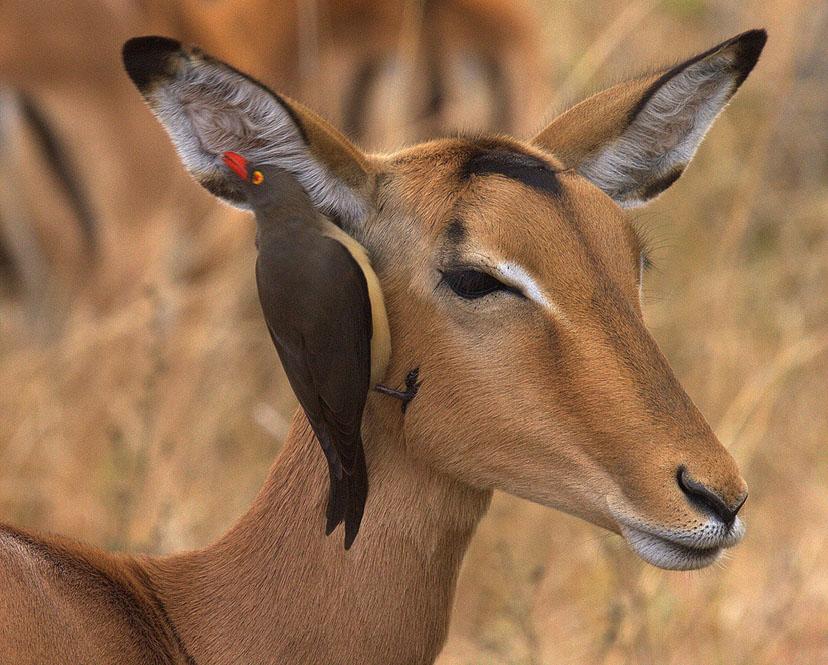
Red-billed oxpeckers are birds that often feed on parasites that infest impala.  This is an example of _______.
1
commensalism
2
mutualism
3
neutralism
4
competition

15

Multiple Choice

Honey guide birds alert and direct badgers to bee hives. The badgers feed on the honey and then allow the birds to eat.

1

Mutualism

2

Commensalism

3

Parasitism

16

Multiple Choice

A relationship between two organisms in which both organisms benefit. 
1
Mutualism 
2
Competition
3
Parasitsm 
4
Commensalism 

17

Multiple Choice

Barnacles create home sites by attaching themselves to whales. As the barnacle is a filter feeder, it also gets access to more water (and more food) due to the relationship. Whale is unaffected.

1

symbiosis

2

parasitism

3

mutualism

4

commensalism

18

Multiple Choice

Question image
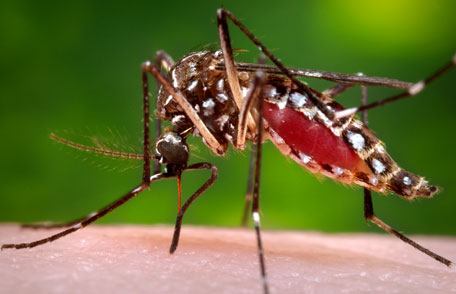
When a mosquito bites you, you are the __________ and the mosquito is the  ____________.
1
host, hostess
2
parasite, host
3
host, parasite
4
prey, predator

19

Multiple Choice

Mistletoe extracts water and nutrient from the spruce tree it is attached to.

1

Mutualism

2

Commensalism

3

Parasitism

20

Multiple Choice

Question image

Mockingbirds will push the eggs out of a blue bird's nest and use the nest for it's own babies illustrating...

1

commensalism

2

parasitism

3

mutualism

4

predation

21

Multiple Choice

Ostriches and gazelles feed next to each other. They both watch for predators. Because the visual abilities of the two species are different, they can each identify threats that the other animal may not see as readily.

1

symbiosis

2

parasitism

3

mutualism

4

commensalism

22

Multiple Choice

Question image

Clown fish live among anemones, acting as a lure for the sea anemone's prey. The clown fish get protection and shelter from the anemone. This is an example of which type of symbiosis?

1

Commensalism

2

Mutualism

3

Parasitism

23

Multiple Choice

Question image

A lion stalks a herd of antelope wading in a pond. A flock of water birds on the shore become startled by the sound of the lion’s approach and fly away with a great deal of noise. The birds’ sudden departure gives warning to the antelope, and they are also able to escape safely. What type of relationship exists between the birds and the antelope?

1

competition

2

mutualism

3

commensalism

4

parasitism

24

Multiple Choice

Question image

A bee and a flower work together to benefit each other. This is an example of a ______. The bee helps the flower by pollinating it and the flower helps the bee by providing it with nectar.

1

commensalistic relationship

2

parasitic relationship

3

mutualistic relationship

25

Multiple Choice

Mistletoe extracts water and nutrients from the spruce tree to the detriment (ill effect) to the spruce

1

symbiosis

2

parasitism

3

mutualism

4

commensalism

26

Multiple Choice

Which of he following interactions demonstrates a PARASITIC relationship?
1
A mosquito sucking blood from a warm blooded animal.
2
A group of baby otters floating together to help warm each other in the cold waters.
3
Many fish swimming together to protect each other from predators.
4
Two hyenas fighting over a female to mate with.

27

Multiple Choice

Question image

A lichen is a combination of two organisms, an alga and a fungus. The fungus gets its food from the alga while the alga gets water from the fungus. This is an example of which relationship?

1

competition

2

mutualism

3

commensalism

4

parasitism

28

Multiple Choice

Question image

Lactobacilli are a type of bacteria that live in our lungs and destroy many of the microorganisms that enter our respiratory system. They are highly adapted to living in our lungs and can't survive in many other habitats.

1

mutualism

2

commensalism

3

parasitism

29

Multiple Choice

Honey guide birds alert and direct badgers to bee hives. The badgers then expose the hives and feed on the honey first. Next the honey guide birds eat.

1

symbiosis

2

parasitism

3

mutualism

4

commensalism

30

Multiple Choice

Question image

In the jungles of South America lives a thorn tree call an acacia. A species of ant eats secretions of the acacia, drinks its sap, and raises its young in the hollow thorns. The ants also keep competing vines from growing near the acacia tree and they help repel any insects that would damage the acacia tree.

1

mutualism

2

commensalism

3

parasitism

31

Multiple Choice

Question image
What type of symbiosis?  Hummingbirds feed on nectar from flowers.  The flowers are pollinated by hummingbirds as they move from flower to flower.
1
commensalism
2
mutualism
3
parasitism
4
predation

32

Multiple Choice

Question image

Hookworms enter the human body by burrowing into the skin of the feet. Once in the skin, they enter the bloodstream and travel to the small intestine where they attach to the walls and begin to drink the person's blood and weaken the victim.

1

mutualism

2

commensalism

3

parasitism

33

Multiple Choice

Tapeworms reside in human intestine and take nutrients from the human

1

symbiosis

2

parasitism

3

mutualism

4

commensalism

34

Multiple Choice

Question image

Lactobacilli are a type of bacteria that live in our lungs and destroy many of the microorganisms that enter our respiratory system. They are highly adapted to living in our lungs and can't survive in many other habitats.

1

mutualism

2

commensalism

3

parasitism

35

Multiple Choice

Question image
When a mosquito bites you, you are the __________ and the mosquito is the  ____________.
1
host, hostess
2
parasite, host
3
host, parasite
4
prey, predator

36

Multiple Choice

A bird building their nest in a tree.

1

mutualism

2

commensalism

3

parasitism

37

Multiple Choice

Epiphytes are a class of plants that grow in the crooks of tree branches. They simply use the tree branches as a way to be higher—closer to the sunlight needed for photosynthesis. The trees aren’t affected by this relationship.

1

symbiosis

2

parasitism

3

mutualism

4

commensalism

38

Multiple Choice

Question image

Barnacles create home sites by attaching themselves to whales. In this relationship, the whales are neither harmed nor benefited. What type of symbiosis is this relationship?

1

parasitism

2

commensalism

3

mutualism

39

Multiple Choice

Question image

The close relationship between two different species in an ecosystem

1

Biosphere

2

Ecology

3

Symbiosis

4

Environment

40

Multiple Choice

Question image
Remoras attach themselves to a shark’s body. They then travel with the shark and feed on the leftover food scraps from the shark’s meals. The relationship neither harms nor benefits the shark. 
1
parasitism
2
commensalism
3
mutualism

Discover new features in Lessons!
Finish all phases of “I-do ; We-do ; You-do” with Quizizz

media
media
media
media

​You can also create lessons directly on Google Slides using “Quizizz Extension”.
Read more about it here

Show answer

Auto Play

Slide 1 / 40

SLIDE