

Untitled Lesson

Presentation
•
English
•
9th Grade
•
Practice Problem
•
Hard
Standards-aligned

Yolandia Brackens
FREE Resource
48 Slides • 0 Questions
1

HIGH SCHOOL, Unit 12
Lesson 5
Copyright © 2024 n2y, LLC. All rights reserved.
Unique Learning System®, 2024-2025
Who, What, When or Where?
What is the feeling?
How do you know?
(word or phrase from story)
End
(What?)
Lesson
(What?)
Middle
(What?)
Beginning
(What?)
Setting
Storyteller
(Who?)
Character
(When or
Where?)
5
Standards Connection C
Lesson 5 - Chapter 2
Standards Connection C
Story Board
Licensed to: sherry.thomas@fwisd.org 2024-08-28 08:16 PM
2
Discover new features in Lessons!
Finish all phases of “I-do ; We-do ; You-do” with Quizizz
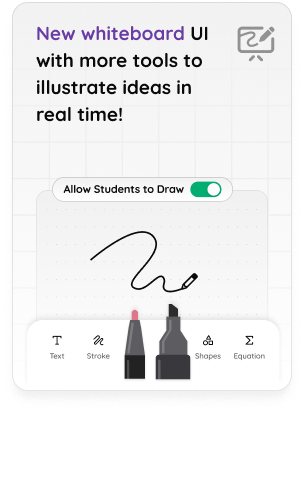
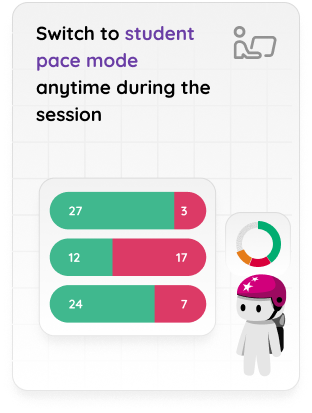
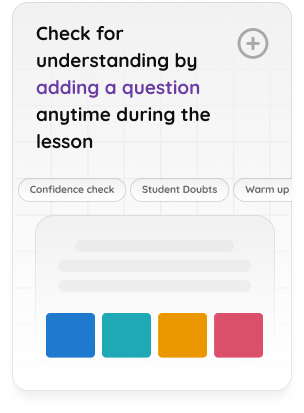
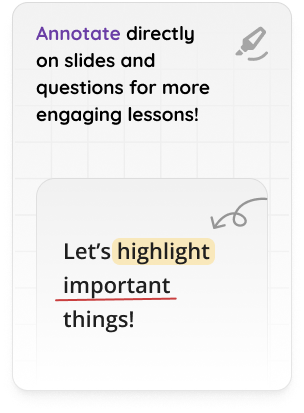
You can also create lessons directly on Google Slides using “Quizizz Extension”.
Read more about it here
3

HIGH SCHOOL, Unit 14
Lesson 5
Copyright © 2024 n2y, LLC. All rights reserved.
Unique Learning System®, 2024-2025
Topic Words
Literacy Words
Instructional Targets
Lesson 5 - Chapter 2
5
● Reading: Reading Level Assessment
● Reading: Reading with Symbols and all Benchmark
Assessments in the Reading section of the GPS
● Early Learning: Phonemic Awareness Phoneme Blending
● Emerging Skills: Early Emerging Reading Rubric
Unit Checkpoint Assessments
Benchmark Assessments
● Level 2 and 3 Reading
● Level 1 Combined Content, Questions 1 and 2
An informal assessment of a verbal student's reading abilities may be obtained using the Unit Tools: Reading Observation.
Differentiated Tasks
Finding a Need
read*
title
author
book
chapter
cover
illustration/picture*
illustrator
Level
Students will...
Level
Students will...
Level
Students will...
* Power Words
Topic Connection
Reading Standards for Literature
Experience grade level and age-appropriate literature materials, including poems, plays,
biographies, chapter books, fiction and nonfiction works, that are adapted to student reading level.
● Range and Level of Text Complexity:
● Key Ideas and Details:
Identify and compare what is stated directly and what is implied (satire, sarcasm, irony) in a story, play or
poem.
● Craft and Structure:
Use strong textual evidence to answer explicit questions about the main ideas and details (character,
plot, setting) of a story, play or poem. Use strong textual evidence to answer inferential questions, conclusions or summaries
about the main ideas and details (character, plot, setting) of a story, play or poem.
● Independently read literature forms,
including chapter books, biographies,
poems, plays and fictions works that
have been adapted to student reading
level.
● Independently answer explicit
questions about a story, play or poem
using strong textual evidence.
● Independently answer inferential
questions, conclusions or summaries
using strong evidence from the story,
play or poem.
● Compare literal and implied meaning
presented in a story, play or poem.
● Read supported and shared literature
forms, including chapter books,
biographies, poems, plays and fiction
works that have been adapted to
student reading level.
● Select pictures or text to answer an
explicit question about a story, play
or poem.
● Select pictures or text to answer an
inferential question about a story,
play or poem.
● Identify implied meaning in a literary
text with support.
● Actively participate in supported
reading of literature forms, including
chapter books, biographies, poems,
plays and fiction works that have been
adapted to student ability level.
● Select pictures or text from a story,
play or poem to answer an explicit
question through an active
participation response (e.g., voice
output device, eye gaze choice board).
● Select pictures or text from a story,
play or poem to answer an inferential
question through an active
participation response (e.g., voice
output device, eye gaze choice board.
● Identify implied meaning in a literary
text from a narrowed field or
errorless choice(s).
In this unit's Chapter Book, , students will follow Mr. Harris' class as they complete a holiday service
project to help people in the community. In this chapter, , students follow Mr. Harris' class as they find people with
a need in their community.
care
community
donate
feel*
give*
help*
need*
service project
volunteer
Holiday Service Project
Finding a Need
Licensed to: yolandia.brackens@fwisd.org 2024-11-24 12:51 AM
4

HIGH SCHOOL, Unit 14
Lesson 5
Copyright © 2024 n2y, LLC. All rights reserved.
Unique Learning System®, 2024-2025
Chapter 2: Finding a Need
Chapter 2: Finding a Need
(Level H/I)
(Level H/I, F/G or F/G Symbol-Supported)
Chapter 2: Finding a Need
Answer Questions
Guided / Shared Reading
Instructional Guides: Instructional Tips
Instructional Guides: Active Participation Scripts
Additional
Materials
ULS
Materials
and
Resources
Instructional
Activities
Read Aloud
SymbolStix PRIME
(Fill-In and Multiple-Choice, Levels 3-1)
5
Lesson 5 - Chapter 2
Finding a Need
L³ Skills: Language Arts Skills
Standards Connection A
Standards Connection B
Lesson at a Glance
Activity 1
Activity 2
Activity 3
See how these activities fit into the .
Suggested Unit Pacing
Communication Board
Communication Board
Communication Board
Comprehension Questions
Advanced Questions
Fill-In Cards
Standards Connection C
Licensed to: yolandia.brackens@fwisd.org 2024-11-24 12:51 AM
5

HIGH SCHOOL, Unit 14
Lesson 5
Copyright © 2024 n2y, LLC. All rights reserved.
Unique Learning System®, 2024-2025
Check Understanding
Instructional Routine
or
Instructional Targets
Comment on People, Setting and Events
Model Fluent Reading
After Reading
During Reading
Before Reading
● Read aloud with fluency and expression.
● Call attention to the words 'need' and 'community' by changing the tone of voice as you read them.
Level 3:
Level 2:
Level 1:
Level 3:
Level 2:
Level 1:
Discussion Questions
5
Activity 1
Lesson 5 - Chapter 2
Activity 1 - Read Aloud
● Use Lesson 15, Activity 3 to introduce and review the Topic Words: care, community, donate, feel, give, help, need,
service project and volunteer. As you read, consider using Lesson 15 Activity 5 to help students use context clues to
find the meaning of words in the text.
● Continue talking about need. Ask a focus question, such as, "What is a need you have when you are hungry—food or
a jacket?" Discuss students' responses.
● Display Chapter 2, (Level H/I), and read the title. Use Standards Connection A to provide a visual.
● Preview the chapter. Discuss the illustrations. For example, point out the illustrations showing the different places and
people in the community. Remind students that Mr. Harris' class is looking for a need in the community for their
service project. Then, say, "As I read today, it is your job to remember one need in the community."
● Review the learning goal with students:
Finding a Need
I will remember one need in the community.
● Comment on how the illustrations help you know one need in the community. For example, point out the illustration
on page 13. Then, say, "The chapter says that Sofie's mom likes to volunteer at the food bank. Some people need
help getting food sometimes. The food bank helps people who do not have food. Sofie thinks that collecting food
and money to donate to the food bank would be a good way to give people things they need." Then, say, "One
need in the community is people who need food."
● Point out the implied meaning of a selection of text. For example, the book states on page 13, "Sofie tells her mom
that she needs to find someone to help in the community." Ask students, "What feeling does the word 'community'
give?" Talk about how the word 'community' often brings a feeling of closeness or belonging.
Use strong textual evidence to answer explicit questions about the main ideas and details (character,
plot, setting) of a story, play or poem. Use strong textual evidence to answer inferential questions, conclusions or summaries
about the main ideas and details (character, plot, setting) of a story, play or poem.
● Craft and Structure:
Reading Standards for Literature
Experience grade level and age-appropriate literature materials, including poems, plays,
biographies, chapter books, fiction and nonfiction works, that are adapted to student reading level.
● Range and Level of Text Complexity:
● Key Ideas and Details:
Identify and compare what is stated directly and what is implied (satire, sarcasm, irony) in a story, play or poem.
● Read and discuss the questions at the bottom of each page in the chapter. Help students find evidence in the text
to support their answer to explicit and inferential questions. For example, on page 14, the discussion question asks,
“How will shoveling sidewalks help people?” Model how to find the clues in the text to answer the question. Say, “The
book says, 'Lucas knows many of his neighbors have a hard time getting around in the snow.' This means that Lucas'
neighbors might slip or fall when they try to walk through the snow. I think shoveling the sidewalks helps people
because it moves the snow off of the sidewalk. People don't have to walk in the snow when it is shoveled."
● Revisit the learning goal. For example, ask, "What is one need in the community?"
Have the student independently describe one need in the community. For example, ask, "What do the people
in the community need when they are hungry?"
Have the student identify one need in the community. Picture supports such as the Communication Board or
the story illustrations may be used as needed.
Have the student identify one need in the community by making a selection from a narrowed field or errorless
choice(s). For example, display the symbol for 'food'. Ask, "What is one need in the community?"
● Continue discussion by talking about different needs that students see in their community, or maybe a need that
they may have.
● Use Standards Connection A to discuss and compare different book genres and student preferences.
Can the student describe one need in the community?
Can the student identify one need in the community using picture supports? How?
Can the student identify one need in the community by making a selection from a narrowed field or errorless
choice(s)?
Licensed to: yolandia.brackens@fwisd.org 2024-11-24 12:51 AM
6

HIGH SCHOOL, Unit 14
Lesson 5
Copyright © 2024 n2y, LLC. All rights reserved.
Unique Learning System®, 2024-2025
or
Guided Reading
Instructional Routine
or
Shared Reading
Instructional Routine
Check Understanding
Instructional Target
5
Activity 2
Lesson 5 - Chapter 2
Activity 2 - Guided / Shared Reading
Can the student independently read chapter books adapted to personal reading level?
Can the student read chapter books adapted to personal reading level with support?
Can the student actively participate in reading chapter books adapted to student ability level? How?
Level 3:
Level 2:
Level 1:
● Listen as students read quietly to themselves.
● Monitor fluency.
● Model, prompt or support use of skills
and strategies.
This leveled Chapter Book is presented in three leveled formats: Level H/I, Level F/G and Level F/G Symbol-Supported. Select
the level of book and the reading routine appropriate for each student.
● Read aloud while students follow along.
● Provide supports that allow students to join
in the reading. Supports may include choral
reading, echo reading or use of a voice output
device or eye gaze board.
● Monitor print concepts and fluency.
● Model and support use of skills and
strategies.
● Introduce the chapter by having students share
what they have learned about needs in the
community.
● Use the following Topic Words in conversation
about the chapter: care, community, donate,
feel, give, help, need, service project and
volunteer. Help students locate the
words in the chapter.
● Review the learning goal with students:
● Revisit the learning goal and talk with students
about the chapter.
● Have students locate the High-Frequency
Words: are, feel, find, for, give, kind, need, next,
think, them, there and who.
Before Reading
During Reading
After Reading
Before Reading
After Reading
During Reading
I will read a chapter.
I will read a chapter.
Reading Standards for Literature
Experience grade level and age-appropriate literature materials, including poems, plays,
biographies, chapter books, fiction and nonfiction works, that are adapted to student reading level.
● Range and Level of Text Complexity:
● Introduce the chapter by having students
share what they have learned about needs in
the community.
● Use the following Topic Words in conversation
about the chapter: care, community, donate,
feel, give, help, need, service project and
volunteer. Have students locate the
words in the chapter.
● Read the first three pages aloud, introducing
students to the structure of the language.
● Review the learning goal with students:
● Revisit the learning goal and talk with students
about the chapter.
● Have students locate the High-Frequency
Words: are, feel, find, for, give, kind, need, next,
think, them, there and who.
Licensed to: yolandia.brackens@fwisd.org 2024-11-24 12:51 AM
7

HIGH SCHOOL, Unit 14
Lesson 5
Copyright © 2024 n2y, LLC. All rights reserved.
Unique Learning System®, 2024-2025
Instructional Routine
or
Check Understanding
Instructional Target
5
Activity 3
Lesson 5 - Chapter 2
Activity 3 - Answer Questions
Can the student independently answer questions about the chapter?
Can the student answer questions about the chapter by selecting a picture?
Can the student answer questions about the chapter by selecting a picture? How many choices were
presented?
Level 3:
Level 2:
Level 1:
Level 3:
Level 2:
Level 1:
Introduce
Model
Provide
Practice
● Introduce this activity by asking a focus question about the chapter. For example, ask, "What is a need that
someone might have if they are cold—a coat or a swimsuit?" Discuss students' responses.
● Tell students they will now answer other questions about the chapter, . Explain that the
answers to these questions can be found in the chapter. Say, "I am going to ask you questions about the
chapter, . Your job is to answer the questions. You can use the chapter to help you."
● Review the learning goal with students: I will answer questions about the chapter.
The questions are text only. Have the student answer the questions independently.
The questions are text only and the answers are symbol-supported. Have the student answer the
questions by selecting a picture.
The questions are written in a symbol-supported sentence strip format. Have the student answer the
questions by selecting from a narrowed field or errorless choice(s).
Choose the most appropriate activity format on the basis of each student's skills and needs.
Finding a Need
Review
Finding a Need
● Revisit the learning goal. Talk with students about where they found the answers to the questions. Point out that
answers to questions can usually be found in the text or pictures.
● Use Standards Connection C to continue discussion about the chapter and guide students in identifying and
discussing the structure and feelings the author creates within the story.
Reading Standards for Literature
● Key Ideas and Details: Use strong textual evidence to answer explicit questions about the main ideas and details (character,
plot, setting) of a story, play or poem. Use strong textual evidence to answer inferential questions, conclusions or summaries
about the main ideas and details (character, plot, setting) of a story, play or poem.
● Review the chapter. Use Standards Connection B to aid in the review by retelling the story with the main theme
and key events.
● Display the Comprehension Questions. Multiple levels have been provided. Use the level that best meets your
students' needs. Read the first question aloud. Model how to find the answer in the chapter by going back and
reading the text. For explicit questions, point out how to find the answer to the question based on what the text
says. For inferential questions, point out that the answer will not be directly in the text, but you can find the
answer based on clues. Model how to find clues to answer an inferential question.
● Model how to mark or select the correct answer based on the evidence found in the chapter. For explicit
questions, point out the answer that matches a sentence in the text. For inferential questions, show how to select
the answer based on the clues found in the text.
Licensed to: yolandia.brackens@fwisd.org 2024-11-24 12:51 AM
8

HIGH SCHOOL, Unit 14
Lesson 5
Copyright © 2024 n2y, LLC. All rights reserved.
Unique Learning System®, 2024-2025
Questions and Answers
Fill-In Advanced
Fill-In (Levels 3-1)
Multiple-Choice Advanced
Multiple-Choice (Levels 3-1)
5
Answer Key
Lesson 5 - Chapter 2
Answer Key
1. The students will find someone in _____. (need)
2. Jayden sees a poster for a _____. (toy drive)
3. The man does not have a hat and _____. (gloves)
4. Sofie’s mom helps at the _____. (food bank)
5. There are _____ ways to help. (many)
toy drive many food bank gloves need
1. What is this chapter about? (parties, websites, needs*)
2. What does Jayden see a poster for? (toy drive*, concert, soccer game)
3. What does the man not have? (hair and shoes, dog and cat, hat and gloves*)
4. Where does Sofie’s mom help? (school, food bank*, mall)
5. What is important to know about this chapter?
● No one needs help.
● There are many ways to help.*
1. They will take the toys to kids in the hospital to help them _____ cared for. (feel)
2. Jayden thinks helping with the toy drive is a good _____. (service project)
3. The man walking on the sidewalk must be _____. (cold)
4. Riley thinks gathering warm clothes to _____ is a good way to help other people. (donate)
5. Asher video chats with his _____ on his tablet. (grandma)
6. How does Asher’s grandma feel? (sick, lonely*, tired)
7. What can people donate to the food bank? (food or money*, clothes or toys, books or dishes)
8. What can Lucas do to help after a snowstorm? (turn on a fan, stay in bed, shovel sidewalks*)
9. How would packages help soldiers living away from home?
10. How will the students decide who to help?
● They will choose one service project to do together.*
● They will ask the principal to tell them who to help.
● They will each do their own service project.
● help them feel like part of the community*
● give them food to eat
● You can only help your family.
● keep them warm
Licensed to: yolandia.brackens@fwisd.org 2024-11-24 12:51 AM
9

HIGH SCHOOL, Unit 14
Lesson 5
Copyright © 2024 n2y, LLC. All rights reserved.
Unique Learning System®, 2024-2025
Lesson 5 - Chapter 2
Standards Connection A
5
Standards Connection A
Reading Standards for Literature
● Integration of Knowledge and Ideas: Compare and contrast different works of literature (foundational American literature,
classical/modern, same time period, other cultures); identify personal preferences.
Instructional Targets
Differentiated Tasks
Level
Students will...
Level
Students will...
Level
Students will...
● Experience various forms of literature
having various themes and identifying
similarities and differences.
● Identify how two stories are similar
or different.
● Select a book or story of personal
preference.
Fiction works tell a story that is made up in the writer's imagination. Fiction stories are not true. Nonfiction works tell facts
about a topic. Nonfiction stories are true. Have students use the book features and pictures to discuss, locate and answer
the questions about genre, and select the type of book they prefer.
Licensed to: yolandia.brackens@fwisd.org 2024-11-24 12:51 AM
10

HIGH SCHOOL, Unit 14
Lesson 5
Copyright © 2024 n2y, LLC. All rights reserved.
Unique Learning System®, 2024-2025
Lesson 5 - Chapter 2
Standards Connection B
5
Standards Connection B
Instructional Targets
Differentiated Tasks
Level
Students will...
Level
Students will...
Level
Students will...
● Summarize the theme/central idea of a
story, play or poem through an active
participation response (e.g., voice
output device, eye gaze choice board).
● Identify examples of the main idea and
key details from a story, play or poem
that relate to the development of a
theme through an active participation
response (e.g., voice output device,
eye gaze choice board).
● Identify the theme of a story, play or
poem through an active participation
response (e.g., voice output device,
eye gaze choice board).
● Communicate basic information on
a topic or experience, using
communication technology and
picture supports.
● Use language to share an idea
with others.
Reading Standards for Literature
Standards for Speaking and Listening
● Presentation of Knowledge and Ideas:
Standards for Language
● Knowledge of Language: Demonstrate conventions of language to communicate effectively when speaking or writing in varied
contexts.
Present information in an organized manner and appropriate to a task, an audience or
a situation.
● Key Ideas and Details: Objectively summarize a story, play or poem including main characters, events and key details. Analyze
how the main idea, characters, setting and plot of a story, play or poem support a theme and its development. Determine one or
two themes of a story, play or poem.
● Independently summarize a story,
poem or play without using personal
opinions.
● Independently identify examples of
the main idea and key details from a
story, play or poem that support the
development of a theme.
● Independently identify one or two
themes of a story, play or poem.
● Communicate on a topic specific to
the purpose and audience.
● Apply conventions of language to
generate sentences specific to the
purpose when speaking or writing.
Use Standards Connection B to identify the main idea and details of a chapter and summarize and sequence events.
are means of building communication skills. This extended activity, based on book reading, is an
excellent tool for developing expressive communication. Incorporate augmentative systems (low tech and high tech) to encourage
self-generated sentences and model language expansion.
Standards for Language
● Summarize the theme/central idea of a
story, play or poem using no personal
opinions with support.
● Identify examples of the main idea and
key details from a story, play or poem
that support the development of a
theme with support.
● Identify the theme of a story, play or
poem by pointing to pictures or text.
● Communicate on a topic specific to
the purpose and audience, using
picture supports.
● Use conventions of language to
generate a simple sentence when
speaking or writing.
Licensed to: yolandia.brackens@fwisd.org 2024-11-24 12:51 AM
11

HIGH SCHOOL, Unit 14
Lesson 5
Copyright © 2024 n2y, LLC. All rights reserved.
Unique Learning System®, 2024-2025
Lesson 5 - Chapter 2
Standards Connection C
5
Standards Connection C
● Use picture supports to identify how the
placement of events and scenes in a
story, play or poem add to the meaning
or style with support.
● Identify implied meaning in a literary
text with support.
Instructional Targets
● Identify a picture representing how
the placement of events and scenes in
a story, play or poem add to the
meaning or style from a narrowed field
or field or errorless choice(s).
● Identify implied meaning in a literary
text from a narrowed field or errorless
choice(s).
Reading Standards for Literature
● Craft and Structure: Analyze the structure of a story, play or poem to determine how the order of events affect the meaning,
mood or style. Identify and compare what is stated directly and what is implied (satire, sarcasm, irony) in a story, play or poem.
● Describe how the placement of events
and scenes in a story, play or poem
add to the meaning or style with
support.
● Compare literal and implied
meaning presented in a story,
play or poem.
Differentiated Tasks
Level
Students will...
Level
Students will...
Level
Students will...
Use Standards Connection C to guide students in identifying the structure of a story and the feelings created by the author. Various
features from the text such as the characters, setting, narrator, events and theme can be used. Students can use words and
phrases from the story that show how they know what feelings the story suggests. Use the Story Board according to your
students' needs by completing it once for the whole book, or selecting one or more features to complete for each chapter.
To complete the Story Board Chart, select a feature from the text. In the first column give an example from the text. The example
should be written in the student's own words. Next, students will identify the feeling of the text based on that example (e.g., excited,
nervous, scared, happy). In the final column, students will write specific words or phrases from the text that support the feeling they
identified.
Licensed to: yolandia.brackens@fwisd.org 2024-11-24 12:51 AM
12

HIGH SCHOOL, Unit 14
Lesson 5
Copyright © 2024 n2y, LLC. All rights reserved.
Unique Learning System®, 2024-2025
Who, What, When or Where?
What is the feeling?
How do you know?
(word or phrase from story)
End
(What?)
Lesson
(What?)
Middle
(What?)
Beginning
(What?)
Setting
Storyteller
(Who?)
Character
(When or
Where?)
5
Standards Connection C
Lesson 5 - Chapter 2
Standards Connection C
Story Board
Licensed to: yolandia.brackens@fwisd.org 2024-11-24 12:51 AM
13

HIGH SCHOOL, Unit 14
Lesson 5. Level H/I
Copyright © 2024 n2y, LLC. All rights reserved.
Unique Learning System®, 2024-2025
Chapter 2:
Finding a Need
9
Licensed to: yolandia.brackens@fwisd.org 2024-11-24 12:51 AM
14

The bell rings. School is over. The
students are getting ready to leave. In the
hallway, Jayden
sees a poster on
the wall. There
will be a toy drive
next week. People can donate new toys.
Then, they will take the toys to kids in the
hospital to help them feel cared for. Jayden
thinks helping with the toy drive is a good
service project.
10
How would a toy drive help other people?
Licensed to: yolandia.brackens@fwisd.org 2024-11-24 12:51 AM
15

Riley rides the bus home from school. It
is cold outside. She sees a man walking on
the sidewalk. He does not have a hat or
gloves. The man must be cold. Riley
wants to help him
by giving him a
hat or gloves to
keep him warm in
the winter. Riley
thinks gathering warm clothes to donate is
a good way to help other people.
11
How would donating clothes help other people?
Licensed to: yolandia.brackens@fwisd.org 2024-11-24 12:51 AM
16

Asher gets home from school. He video
chats with his grandma on his tablet.
Asher's grandma
lives by herself.
Asher likes to talk
to her. He tells her
about his day. Before they hang up Asher's
grandma says she misses him. She is
lonely. Asher thinks doing kind things for
people who are alone is a good way to help
people feel like they belong.
12
What are some kind things you could do for someone who feels alone?
Licensed to: yolandia.brackens@fwisd.org 2024-11-24 12:51 AM
17

Sofie tells her mom that she needs to
find someone to help in the community.
Sofie’s mom likes
to volunteer at the
food bank. Some
people need help
getting food sometimes. The food bank
helps people who do not have food. Sofie
thinks that collecting food and money to
donate to the food bank would be a good
way to give people things they need.
13
How does a food bank help people in need?
Licensed to: yolandia.brackens@fwisd.org 2024-11-24 12:51 AM
18

Lucas watches the news after school.
He sees that there will be a big snowstorm
in a few days. Lucas knows many of his
neighbors have a hard time getting around
in the snow. The snow will need to be
shoveled. Lucas thinks that shoveling
sidewalks and driveways for his neighbors
is a good way to keep people safe.
14
How will shoveling sidewalks help people?
Licensed to: yolandia.brackens@fwisd.org 2024-11-24 12:51 AM
19

Trinity searches
on the internet for
service project ideas.
One website says to
make care packages
for soldiers who are away from home.
Trinity’s community has men and women
who are away from home serving in the
military. Trinity thinks that making care
packages would help the soldiers feel cared
for by their community.
15
How would a care package help someone serving in the military away from home?
Licensed to: yolandia.brackens@fwisd.org 2024-11-24 12:51 AM
20

The next day at school the students
share the needs they found in their
community. They are surprised! There are
many ways that they can help and be kind
to other people. They will choose one
project they can do together.
16
Discuss needs in your community, and how they are the same or different as those
in the book.
Licensed to: yolandia.brackens@fwisd.org 2024-11-24 12:51 AM
21

HIGH SCHOOL, Unit 14
Lesson 5. Level F/G
Copyright © 2024 n2y, LLC. All rights reserved.
Unique Learning System®, 2024-2025
Chapter 2:
Finding a Need
9
Licensed to: yolandia.brackens@fwisd.org 2024-11-24 12:51 AM
22

School is over. The students will
find someone in need. Jayden sees
a poster for a toy drive. The class
could help at the toy drive.
10
Licensed to: yolandia.brackens@fwisd.org 2024-11-24 12:51 AM
23

Riley sees a man outside. The man
does not have a hat and gloves.
The man must be cold. The class
could get warm clothes to give to
people.
11
Licensed to: yolandia.brackens@fwisd.org 2024-11-24 12:51 AM
24

Asher talks to his grandma after
school. Asher misses his grandma.
She lives all alone. The class could
help people who are alone.
12
Licensed to: yolandia.brackens@fwisd.org 2024-11-24 12:51 AM
25

Sofie’s mom helps at the food bank.
She tells Sofie that they need food.
They use the food to help people.
The class could give food to the
food bank.
13
Licensed to: yolandia.brackens@fwisd.org 2024-11-24 12:51 AM
26

Lucas sees there will be a big
snowstorm. The snow will get on
the sidewalks. The class could
shovel sidewalks.
14
Licensed to: yolandia.brackens@fwisd.org 2024-11-24 12:51 AM
27

Trinity looks for ideas on the
internet. She finds an idea to send
care packages to people. They could
send them to soldiers.
15
Licensed to: yolandia.brackens@fwisd.org 2024-11-24 12:51 AM
28

The students share their ideas with
the class. There are many ways to
help. The class picks one way to
help.
16
Licensed to: yolandia.brackens@fwisd.org 2024-11-24 12:51 AM
29

HIGH SCHOOL, Unit 14
Lesson 5. Level F/G, Symbol-Supported
Copyright © 2024 n2y, LLC. All rights reserved.
Unique Learning System®, 2024-2025
Chapter 2:
Finding a Need
9
Licensed to: yolandia.brackens@fwisd.org 2024-11-24 12:51 AM
30

10
The class could help at the toy drive.
School is over.
The students will find someone in need.
Jayden sees a poster for a toy drive.
Licensed to: yolandia.brackens@fwisd.org 2024-11-24 12:51 AM
31

11
The class could get warm clothes to give to people.
Riley sees a man outside.
The man does not have a hat and gloves.
The man must be cold.
Licensed to: yolandia.brackens@fwisd.org 2024-11-24 12:51 AM
32

12
The class could help people who are alone.
Asher talks to his grandma after school.
Asher misses his grandma.
She lives all alone.
Licensed to: yolandia.brackens@fwisd.org 2024-11-24 12:51 AM
33

13
The class could give food to the food bank.
Sofie's mom helps at the food bank.
She tells Sofie that they need food.
They use the food to help people.
Licensed to: yolandia.brackens@fwisd.org 2024-11-24 12:51 AM
34

14
The class could shovel sidewalks.
The snow will get on the sidewalks.
Lucas sees there will be a big snowstorm.
Licensed to: yolandia.brackens@fwisd.org 2024-11-24 12:51 AM
35

15
They could send them to soldiers.
Trinity looks for ideas on the internet.
She finds an idea to send care packages to people.
Licensed to: yolandia.brackens@fwisd.org 2024-11-24 12:51 AM
36

16
The class picks one way to help.
There are many ways to help.
The students share their ideas with the class.
Licensed to: yolandia.brackens@fwisd.org 2024-11-24 12:51 AM
37

HIGH SCHOOL, Unit 14
Lesson 5
Copyright © 2024 n2y, LLC. All rights reserved.
Unique Learning System®, 2024-2025
no
yes
Within each category, pictures are listed from left to right in the order in which they appear in the text.
snowstorm
Lucas
food
food bank
mom
Sofie
grandma
Asher
gloves
hat
Riley
toy drive
Jayden
need
outside
cold
alone
many
help
talk
send
see
give
shovel
share
Finding a Need
Trinity
care
package
Licensed to: yolandia.brackens@fwisd.org 2024-11-24 12:51 AM
38


HIGH SCHOOL, Unit 14
Lesson 5
Copyright © 2024 n2y, LLC. All rights reserved.
Unique Learning System®, 2024-2025
What do you think this chapter will be about?
This is a Chapter Book.
What kind of Chapter Book is this?
What is the chapter topic?
What is the title of this chapter?
Compare this book to a Chapter Book that has been read recently.
Fiction
Nonfiction
Biography
Social
Studies
Science
What kind of book would you choose?
Book
with facts
Comic
Book
Picture
Book
Chapter
Book
Lesson 5 - Chapter 2
Standards Connection A
5
Standards Connection A
Licensed to: yolandia.brackens@fwisd.org 2024-11-24 12:51 AM
39

Chapter 2: Finding a Need
Name: _______________________
HIGH SCHOOL, Unit 14
Lesson 5. Level 3
Copyright © 2024 n2y, LLC. All rights reserved.
Unique Learning System®, 2024-2025
5.
4.
1.
2.
3.
The students will find someone in .
Jayden sees a poster for a .
The man does not have a hat and .
Sofie's mom helps at the .
There are ways to help.
Licensed to: yolandia.brackens@fwisd.org 2024-11-24 12:51 AM
40

Name: _______________________
Chapter 2: Finding a Need
HIGH SCHOOL, Unit 14
Lesson 5. Level 2
Copyright © 2024 n2y, LLC. All rights reserved.
Unique Learning System®, 2024-2025
Sofie's mom helps at the .
The man does not have a hat and .
Jayden sees a poster for a .
The students will find someone in .
There are ways to help.
3.
2.
1.
4.
5.
Licensed to: yolandia.brackens@fwisd.org 2024-11-24 12:51 AM
41

Chapter 2: Finding a Need
HIGH SCHOOL, Unit 14
Lesson 5. Level 1
Copyright © 2024 n2y, LLC. All rights reserved.
Unique Learning System®, 2024-2025
1. The students will find someone in .
Licensed to: yolandia.brackens@fwisd.org 2024-11-24 12:51 AM
42

Chapter 2: Finding a Need
HIGH SCHOOL, Unit 14
Lesson 5. Level 1
Copyright © 2024 n2y, LLC. All rights reserved.
Unique Learning System®, 2024-2025
Jayden sees a poster for a .
2.
Licensed to: yolandia.brackens@fwisd.org 2024-11-24 12:51 AM
43

Chapter 2: Finding a Need
HIGH SCHOOL, Unit 14
Lesson 5. Level 1
Copyright © 2024 n2y, LLC. All rights reserved.
Unique Learning System®, 2024-2025
The man does not have a hat and .
3.
Licensed to: yolandia.brackens@fwisd.org 2024-11-24 12:51 AM
44

Chapter 2: Finding a Need
HIGH SCHOOL, Unit 14
Lesson 5. Level 1
Copyright © 2024 n2y, LLC. All rights reserved.
Unique Learning System®, 2024-2025
Sofie's mom helps at the .
4.
Licensed to: yolandia.brackens@fwisd.org 2024-11-24 12:51 AM
45

Chapter 2: Finding a Need
HIGH SCHOOL, Unit 14
Lesson 5. Level 1
Copyright © 2024 n2y, LLC. All rights reserved.
Unique Learning System®, 2024-2025
There are ways to help.
5.
Licensed to: yolandia.brackens@fwisd.org 2024-11-24 12:51 AM
46

Name: _______________________
Chapter 2: Finding a Need
HIGH SCHOOL, Unit 14
Lesson 5. Level 3
Copyright © 2024 n2y, LLC. All rights reserved.
Unique Learning System®, 2024-2025
1. What is this chapter about?
2. What does Jayden see a poster for?
3. What does the man not have?
4. Where does Sofie's mom help?
5. What is important to know about this chapter?
a. parties
b. websites
c. needs
a. toy drive
b. concert
c. soccer game
a. hair and shoes
b. dog and cat
c. hat and gloves
a. school
b. food bank
c. mall
a. There are many ways to help.
b. No one needs help.
c. You can only help your family.
Licensed to: yolandia.brackens@fwisd.org 2024-11-24 12:51 AM
47

Name: _______________________
Chapter 2: Finding a Need
HIGH SCHOOL, Unit 14
Lesson 5. Level 2
Copyright © 2024 n2y, LLC. All rights reserved.
Unique Learning System®, 2024-2025
1.
2.
3.
4.
5. What is important to know about this chapter?
What is this chapter about?
a. parties
b. websites
c. needs
a. toy drive
b. concert
c. soccer game
a. school
b. food bank
c. mall
a. There are many ways to help.
b. No one needs help.
c. You can only help your family.
What does Jayden see a poster for?
What does the man not have?
Where does Sofie's mom help?
c. hat and gloves
b. dog and cat
a. hair and shoes
Licensed to: yolandia.brackens@fwisd.org 2024-11-24 12:51 AM
48

Name: _______________________
Chapter 2: Finding a Need
HIGH SCHOOL, Unit 14
Lesson 5, Advanced
Copyright © 2024 n2y, LLC. All rights reserved.
Unique Learning System®, 2024-2025
They will take the toys to kids in the hospital to help
them cared for.
Use your chapter book to help you fill in the blank.
1.
Jayden thinks helping with the toy drive is a good
.
2.
The man walking on the sidewalk must be .3.
Riley thinks gathering warm clothes to is
a good way to help other people.
4.
Asher video chats with his on his tablet.5.
Licensed to: yolandia.brackens@fwisd.org 2024-11-24 12:51 AM
HIGH SCHOOL, Unit 12
Lesson 5
Copyright © 2024 n2y, LLC. All rights reserved.
Unique Learning System®, 2024-2025
Who, What, When or Where?
What is the feeling?
How do you know?
(word or phrase from story)
End
(What?)
Lesson
(What?)
Middle
(What?)
Beginning
(What?)
Setting
Storyteller
(Who?)
Character
(When or
Where?)
5
Standards Connection C
Lesson 5 - Chapter 2
Standards Connection C
Story Board
Licensed to: sherry.thomas@fwisd.org 2024-08-28 08:16 PM
Show answer
Auto Play
Slide 1 / 48
SLIDE
Similar Resources on Wayground

41 questions
Languages of the world
Presentation
•
8th Grade
42 questions
An Inspector Calls Ultimate Quiz
Presentation
•
9th Grade
43 questions
Grade 9 -Sentence Errors
Presentation
•
9th Grade
42 questions
Past tenses
Presentation
•
9th Grade
42 questions
Participles
Presentation
•
KG
45 questions
Refresh procedures
Presentation
•
9th Grade
43 questions
Wordform - Test 16
Presentation
•
9th Grade
42 questions
S3 Reading Skills Sentence or Summary Completion
Presentation
•
9th Grade
Popular Resources on Wayground
10 questions
Safety Day 2026 – Student Review

Quiz
•
9th Grade
21 questions
Continents and Oceans
Quiz
•
6th Grade
20 questions
Parts of Speech
Quiz
•
5th Grade
16 questions
Subject & Predicate
Quiz
•
5th Grade
25 questions
Multiplication Facts
Quiz
•
5th Grade
12 questions
Map Skills
Quiz
•
3rd Grade
22 questions
Continents and Oceans
Quiz
•
5th Grade
15 questions
Rounding Decimals
Quiz
•
5th Grade
Discover more resources for English
10 questions
Test Your Knowledge on Bullying
Quiz
•
9th Grade
16 questions
Ethos, Pathos, Logos Practice
Quiz
•
9th Grade
10 questions
Exploring the Role of Setting in Storytelling

Interactive video
•
6th - 10th Grade
10 questions
Differentiating the 3 Types of Irony
Interactive video
•
6th - 10th Grade
15 questions
Poetry Terms
Quiz
•
6th - 9th Grade
10 questions
Unlocking English Vocabulary through Latin and Greek Roots
Interactive video
•
6th - 10th Grade
16 questions
Complete Sentences vs Fragments and Run-Ons
Presentation
•
5th - 12th Grade
18 questions
Interview with John Lewis
Quiz
•
9th Grade