

PHS Ch.5 - Wayground Lecture #2 - Body Organization(Slides 8-14)

Presentation
•
Other
•
12th Grade
•
Easy

Reagan Johnson
Used 8+ times
FREE Resource
16 Slides • 6 Questions
1
PHS - Ch. 5: Academic Knowledge: Medical Terminology and Body Organization (Slides 8-14)
Principles of Health Science
Body Organization
Cells, tissues, and organs
Body Systems
2
Anatomy describes the physical structures of the body
Physiology describes the functions and inner workings of the body
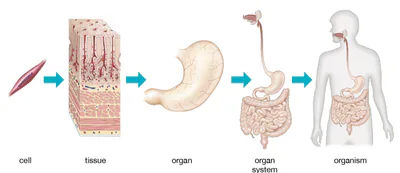
Each level of organization in the body builds on the next to form a larger structure
Body Organization & Related Terms
3
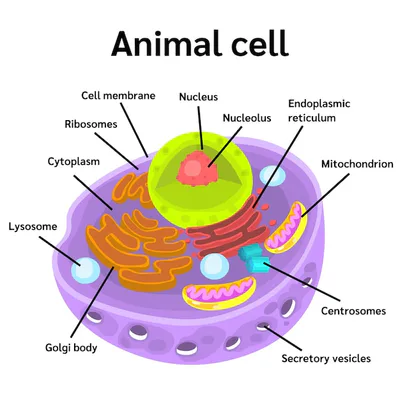
Cells and Organelles
Cells are the smallest living things, which join to form tissues and contain organelles
Each organelle has a special function within the cell, essentially acting as tiny organs similar to our bodies.
4
Groups of cells of the same type working together for the same purpose
Four main types
Connective tissue: provides supports, absorbs shock
Nervous tissue: conducts impulses to and from organs
Muscular tissue: important for movement
Epithelial tissue: forms the skin and membranes
5
Organs —groups of tissues working together for the same purpose
Body systems —groups of organs working together to perform a vital function
Body systems work together to help the human body control, move, support, protect, and reproduce
SLIC MEN R RED acronym spells out the body systems (mnemonic device)
6
Multiple Choice
Which of the following best describes the relationship between anatomy and physiology?
Anatomy describes functions while physiology describes structures
Anatomy and physiology are unrelated fields of study
Anatomy describes structures while physiology describes functions
Anatomy and physiology both describe only visible body parts
7
Match
Tissues Matching:
muscular
epithelial
nervous
connective
important for movement
forms the skin and membranes
conducts impulses to and from organs
provides support, absorbs shock
important for movement
forms the skin and membranes
conducts impulses to and from organs
provides support, absorbs shock
8
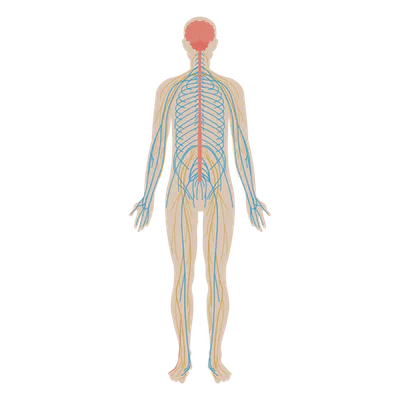
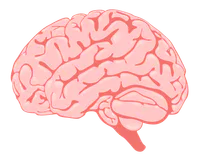
Is composed of the brain, spinal cord, and nerves and its main function is body communication and control.
Nervous System

9
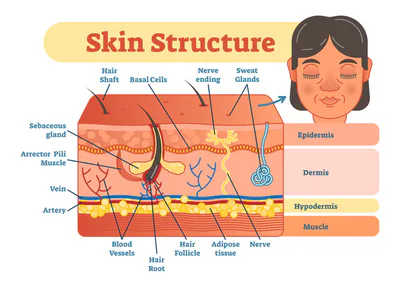
This systems major function is to protect the inner structures of the body and consists of the hair, skin, and nails.
Integumentary System
Body Systems & Functions
10
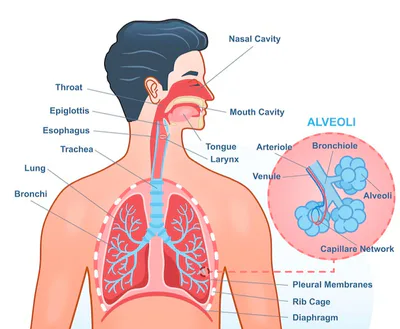
Main function is gas exchange, which provides oxygen and removes carbon dioxide. Consists of lungs, trachea, bronchi, pharynx, and larynx.
Respiratory System
11
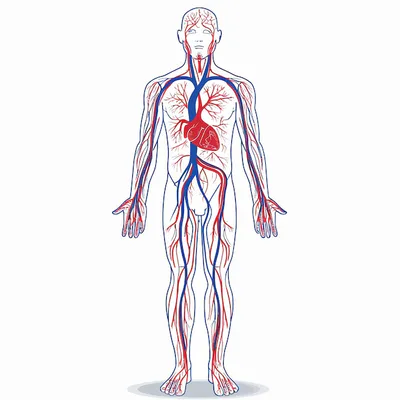
The cardiovascular system, also known as the circulatory system, is a network of organs and tissues that supplies blood, oxygen, nutrients, and other vital substances to the body
Cardiovascular System
12
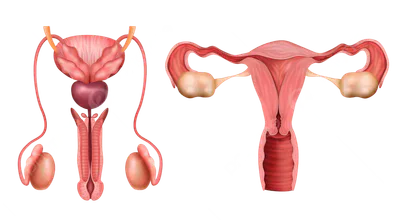
Is responsible for offspring reproduction and consists of the (WOMEN: ovaries, uterus, fallopian tubes), (MEN: testes, vas deferens, and prostate)
Reproductive System
13
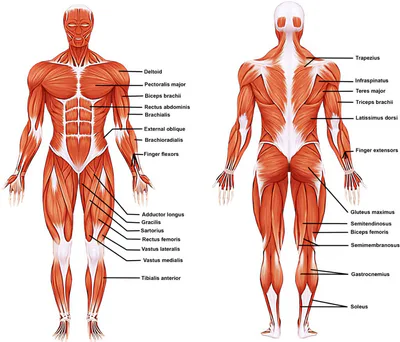
The primary function is to provide movement for the body. Consists of muscles, tendons, ligaments.
Muscular System
14
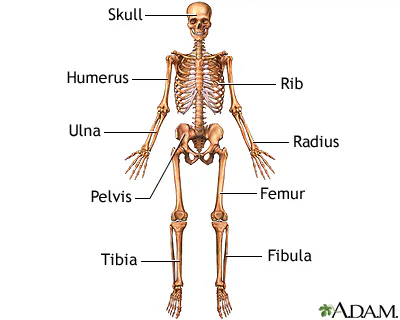
Provides support and protection for the body. Consists of bones, joints, skull, ribs, femur, etc.
Skeletal System
Body Systems & Functions
15
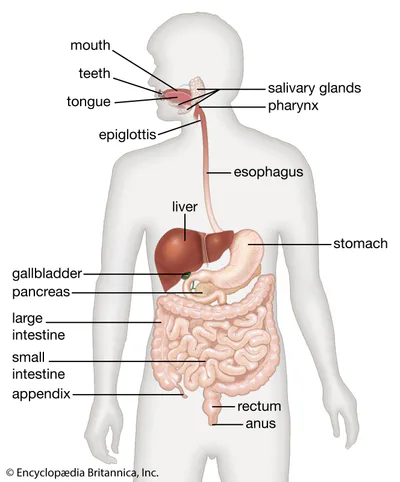
Consists of the stomach, liver, pancreas, intestines, colon and provides nutrient breakdown and absorption.
Digestive System
16
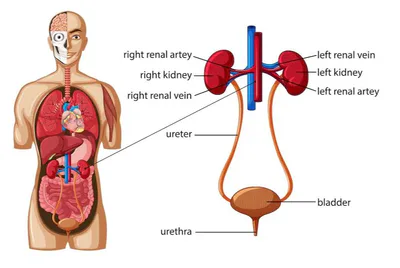
consists of the kidneys, ureters, bladder, urethra, and provides waste filtration for the body.
Excretory System
17
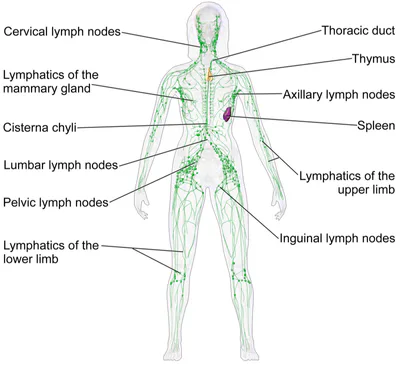
The lymphatic system is part of the immune system. It keeps body fluid levels in balance and defends the body against infections.
Lymphatic System
18
The endocrine system is a network of glands and organs that produce hormones that regulate many bodily functions
Endocrine System
Body Systems & Functions

19
Match
Body systems matching:
Consists of muscles, tendons, ligaments.
Consists of bones, joints, skull, ribs, femur, etc.
Is responsible for offspring reproduction
consists of the stomach, liver, pancreas, intestines, colon
composed of the brain, spinal cord, and nerves
muscular
skeletal
reproductive
digestive
nervous
muscular
skeletal
reproductive
digestive
nervous
20
Multiple Choice
This systems major function is to protect the inner structures of the body and consists of the hair, skin, and nails.
integumentary system
muscular system
cardiovascular system
endocrine system
21
Multiple Choice
is a network of organs and tissues that supplies blood, oxygen, nutrients, and other vital substances to the body
cardiovascular system
respiratory system
nervous sytem
integumentary system
22
Multiple Choice
Consists of lungs, trachea, bronchi, pharynx, and larynx.
respiratory
lymphatic
digestive
endocrine
PHS - Ch. 5: Academic Knowledge: Medical Terminology and Body Organization (Slides 8-14)
Principles of Health Science
Body Organization
Cells, tissues, and organs
Body Systems
Show answer
Auto Play
Slide 1 / 22
SLIDE
Similar Resources on Wayground

17 questions
Dietary methods
Presentation
•
12th Grade
18 questions
PENYELENGGARAAN MICE
Presentation
•
12th Grade
19 questions
Economics-International Trade
Presentation
•
12th Grade
16 questions
Patterns Of Evolution
Presentation
•
12th Grade
12 questions
Levels of Organization
Presentation
•
12th Grade
18 questions
Responding to medical instructions
Presentation
•
12th Grade
16 questions
Foodbourne illness
Presentation
•
12th Grade
17 questions
Chapter 14: Money, Banking, and The Fed
Presentation
•
12th Grade
Popular Resources on Wayground
10 questions
Safety Day 2026 – Student Review

Quiz
•
9th Grade
21 questions
Continents and Oceans
Quiz
•
6th Grade
20 questions
Parts of Speech
Quiz
•
5th Grade
16 questions
Subject & Predicate
Quiz
•
5th Grade
25 questions
Multiplication Facts
Quiz
•
5th Grade
12 questions
Map Skills
Quiz
•
3rd Grade
22 questions
Continents and Oceans
Quiz
•
5th Grade
15 questions
Rounding Decimals
Quiz
•
5th Grade
Discover more resources for Other
26 questions
SLIME!!!!!
Quiz
•
KG - 12th Grade
21 questions
Los paises hispanohablantes y sus capitales
Quiz
•
12th Grade
20 questions
Cell Transport
Quiz
•
9th - 12th Grade
20 questions
Budgeting
Quiz
•
9th - 12th Grade
20 questions
Investing
Quiz
•
9th - 12th Grade
8 questions
DNA vs. RNA
Presentation
•
9th - 12th Grade
12 questions
Identify Rigid Transformations
Quiz
•
8th - 12th Grade
10 questions
Complementary, Supplementary, Vertical, and Linear Pairs
Quiz
•
9th - 12th Grade