

Embalming Theory: Week 8

Presentation
•
Science
•
University
•
Hard

Tina Belt
Used 1+ times
FREE Resource
29 Slides • 0 Questions
1
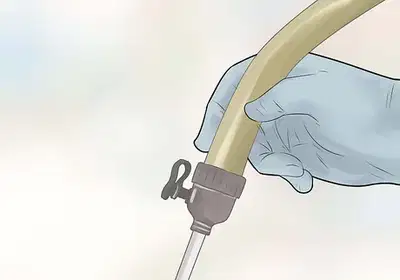
Drainage
and
Cavity Treatment
Week 8
2
Drainage
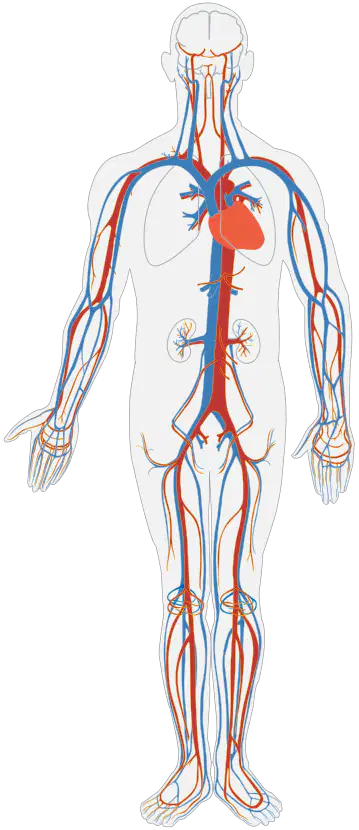
Postmortem Blood Distribution
85% in capillaries
10% in veins
5% in arteries
Purpose of Drainage
To remove blood, clots, interstitial fluid, lymphatic fluid, and arterial solution during vascular embalming (typically through a vein)
embalming while stopping venous drainage for short intervals.
3
Drainage
Methods of Drainage
Restricted Drainage – Limited vein access for controlled removal.
Alternate Drainage – Inject 1–2 quarts of arterial solution, stop injection, then allow venous drainage.
Intermittent Drainage – Continue arterial injection throughout embalming while stopping venous drainage for short intervals.
4
Drainage Techniques
Concurrent (Continuous) Drainage
Arterial injection and venous drainage occur at the same time throughout the embalming process.
Direct Heart Drainage ("Heart Tap")
A closed drainage method
Fluid is removed directly from the right atrium using a trocar
5
6
Embalming solution
Blood and blood clots- can be relived with delayed or intermittent drainage
Interstitial fluid-substance in the supporting connective tissues surrounding body cells.
Lymphatic fluid-a clear, watery fluid that helps maintain the body's fluid balance and immune health
Contents of drainage
7
No Drainage
Drainage in the intestinal tract
Ruptured Spleen or other internal organs
Traumatic death involving major blood loss
Infections that cause extensive blood clotting
Drainage complications
8
Purpose
To ensure that the contents of the hollow viscera and body cavities are treated
To inhibit the formation of any products of decomposition in the body cavities or hollow organs
To inhibit putrefactive changes in tissues within the body cavities
General Considerations
9
Theories – Immediate Embalming Benefits
Prevents gas formation that can lead to purge
Removes microbes that accelerate decomposition
Drains blood from the heart and liver, and fluid from the lungs
Clears semi-solid contents of hollow organs that may contribute to bacterial spread
Opens channels in the neck, helping reduce facial swelling
10
Theories – Delayed Embalming
Provides time for arterial fluid to fully penetrate tissue spaces
Aids in preserving the walls of visceral organs
11
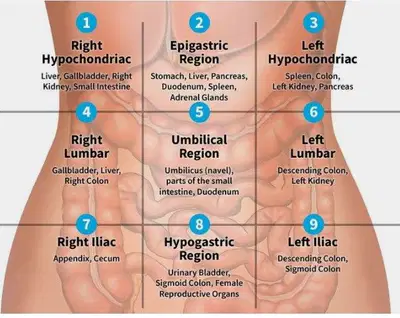
Right Hypochondriac
Epigastric
Left Hypochondriac
Right Lumbar
Umbilical
Left Lumbar
Right Iliac (Inguinal)
Hypogastric (Pubic)
Left Iliac (Inguinal)
Abdominal Anatomical Regions
Nine-Region Method
12
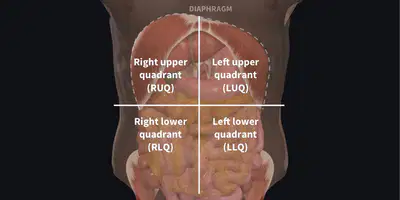
Right Upper Quadrant(RUQ)
Left Upper Quadrant(LUQ)
Right Lower Quadrant(RLQ)
Left Lower Quadrant(LLQ)
Four Abdominopelvic Quadrant Method
13
Stomach Injection (Trocar Guide)
Aim the trocar at the intersection of the 5th intercostal space and the left midaxillary line
(Line extends downward from the center of the medial base of the axillary space along the rib cage)
Advance the trocar until it enters the stomach
14
Cecum Injection (Trocar Guide)
Aim the trocar toward a point ¼ of the distance from the right anterior superior iliac spine (ASIS) to the pubic symphysis
Keep the trocar close to the abdominal wall until within 4 inches of the ASIS
Then dip the point 2 inches and insert forward into the colon
15
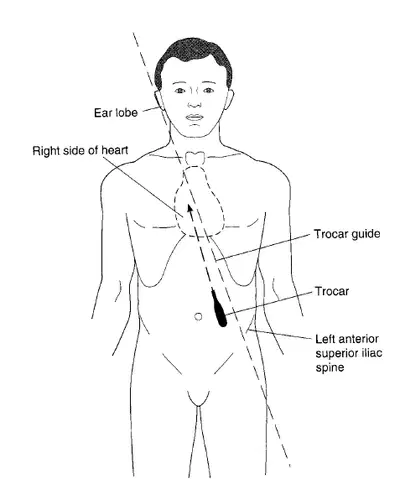
Right Side of Heart (Trocar Guide)
Aim the trocar along a line from the left anterior superior iliac spine (ASIS) to the right earlobe
After passing through the diaphragm, depress the point and enter the right side of the heart
16
Urinary Bladder (Trocar Guide)
Keep the trocar close to the abdominal wall
Direct it toward the midline of the pubic bone (symphysis pubis) until it touches the bone
Retract slightly, depress the point, and insert into the urinary bladder
17
Trocar
Tubing
Hydroaspirator
Electric aspirator
Autopsy aspirator
Aspiration and injection equipment
Nasal Tube aspirator
Gravity injector
Cavity injector
Hand pump
18
Trocar Methods
Direct Incision Method – The trocar itself is used to make the incision.
Surgical/Autopsy Method – The body cavity is already open due to an autopsy, partial autopsy, or surgical procedure.
Aspiration and injection methods
19
Aspiration and injection methods
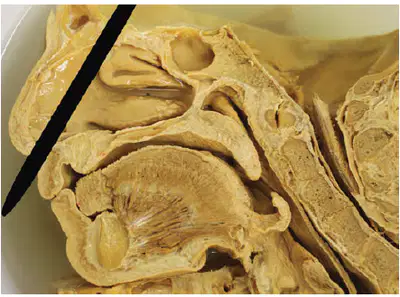
Cranial Cavity (Trocar Method)
A small trocar is inserted through the nostril
Advance it through the cribriform plate of the ethmoid bone
20
Aspiration and injection methods
Thoracic and Abdominal Method
Purpose
Remove torso contents to prevent internal organ decomposition
Method
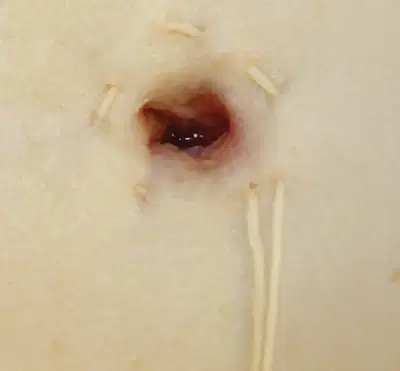
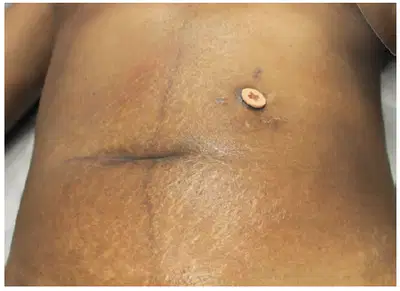
Standard trocar entry: 2 inches left and 2 inches above the umbilicus
pelvic
21
Aspiration and injection methods
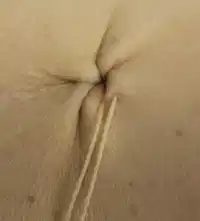
Order of Treatment
Thoracic cavity
Abdominal cavity
Pelvic cavity
When injecting cavity fluid, follow the same order: thoracic → abdominal → pelvic
22
23
Re-aspiration
Circumstances Requiring Treatment
Several hours after embalming, it may be necessary to aspirate the body cavities again
This process is called re-aspiration
24
Predisposing conditions
Intestinal flora
Pathological
Decomposition
Environmental
Obesity
25
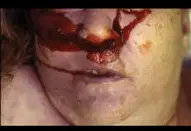
Types and Characteristics of Purge – Stomach
Consistency: Liquid or semi-solid, often resembling coffee grounds
Odor: Acidic
Contents: May include stomach contents, blood, or arterial solution text here
26
Types and Characteristics of Purge – Lungs
Consistency: Frothy with air bubbles
Color: Clear, off-white, or yellow-white; may be tinged with red blood
Odor: Minimal
Contents: Respiratory fluids, possibly mixed with arterial solution
27
Types and Characteristics of Purge – Brain
Consistency: Creamy white and semi-solid
Causes: Swelling, putrefaction of the brain, or head trauma
Contents: Brain tissue, arterial solution, and blood
28
Types and Characteristics of Purge – Anal
Consistency: Liquid or semi-solid
Color: Very dark, resembling pitch or tar
Odor: Strong, foul
29
Relieve abdominal pressure and distention caused by gas
Remove edema from the abdomen
Aspirate thoroughly – repeat as necessary
Pack orifices tightly before dressing and casketing
Re-aspiration of all cavities and distribution of cavity fluid to all areas
Drainage
and
Cavity Treatment
Week 8
Show answer
Auto Play
Slide 1 / 29
SLIDE
Similar Resources on Wayground

23 questions
Writing: Structure of a paragraph
Presentation
•
University
21 questions
Lesson 14: Measuring Weather with tools
Presentation
•
KG
23 questions
Reported Speech
Presentation
•
University
20 questions
Climate and Currents Notes
Presentation
•
12th Grade
21 questions
Best Method: Solving Systems of Equations
Presentation
•
7th - 10th Grade
21 questions
Cold War Intro
Presentation
•
KG
21 questions
Activity
Presentation
•
University
26 questions
Density 2022
Presentation
•
KG - University
Popular Resources on Wayground
10 questions
Safety Day 2026 – Student Review

Quiz
•
9th Grade
21 questions
Continents and Oceans
Quiz
•
6th Grade
20 questions
Parts of Speech
Quiz
•
5th Grade
16 questions
Subject & Predicate
Quiz
•
5th Grade
25 questions
Multiplication Facts
Quiz
•
5th Grade
12 questions
Map Skills
Quiz
•
3rd Grade
22 questions
Continents and Oceans
Quiz
•
5th Grade
15 questions
Rounding Decimals
Quiz
•
5th Grade
Discover more resources for Science
20 questions
Disney Trivia
Quiz
•
University
10 questions
Spanish Greetings and Goodbyes!
Presentation
•
6th Grade - University
20 questions
Physical or Chemical Change/Phases
Quiz
•
8th Grade - University
39 questions
Unit 7 Key Terms
Quiz
•
11th Grade - University
25 questions
SER and Subject Pronouns
Quiz
•
8th Grade - University
38 questions
Unit 6 Key Terms
Quiz
•
11th Grade - University
19 questions
Key Concepts in Buddhism
Quiz
•
University
0 questions
Cell Domain Basic Review (Biology)
Quiz
•
University