Biomolecules Review
Presentation
•
Biology
•
11th Grade
•
Practice Problem
•
Easy
Robert Bailey
Used 2+ times
FREE Resource
2 Slides • 33 Questions
1
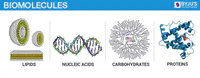
Biomolecules
2
Labelling
Label the Hydrogen opposite:
Negatively charged region
Positively charged region
Covalent Bond
3
Dropdown
4
Draw
Show how water would interact with a) a positive ion
b) a negative ion
5
Drag and Drop
6
Match
Match the following monomers to their picture:
alpha- glucose
beta-glucose
amino acid
fructose
Adenosine monophosphate
alpha- glucose
beta-glucose
amino acid
fructose
Adenosine monophosphate
7
Open Ended
Explain what is meant by the terms monomer and polymer.
8
Labelling
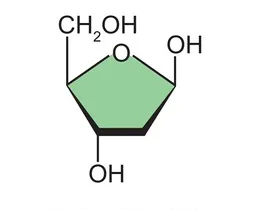
Label the diagram opposite
phosphate ion
deoxyribose
ribose
nitrogenous base
9
Drag and Drop
10
Fill in the Blanks
Type answer...
11
Match
Match the following nitrogenous bases to their complementary pair:
Adenine
Cytosine
Uracil
Thymine
Guanine
Adenine
Thymine
Guanine
Adenine
12
Categorize
Uses the sugar ribose
Contains uracil as one of its bases
Involved in protein synthesis only
Single-stranded molecule
Found in the cytoplasm of a cell
Transcribed from DNA
Uses the sugar deoxyribose
Contains thymine as one of its bases
Stores genetic information and the code contains the code for protein synthesis
Double-stranded molecule
Found in the nucleus of a cell
Replicates to pass on genetic information
More stable than RNA
Forms a double helix structure in most organisms
Shorter molecule
Generally a longer molecule

13
Multiple Select
Which are the two purine bases?
Adenine
Thymine
Cytosine
Guanine
14
Fill in the Blanks
Type answer...
15
Hotspot
Indicate which direction is the 5' prime end of the DNA molecule
16
Open Ended
All organic molecules are carbon based. Explain why carbon is able to form large organic molecules.
17
Draw
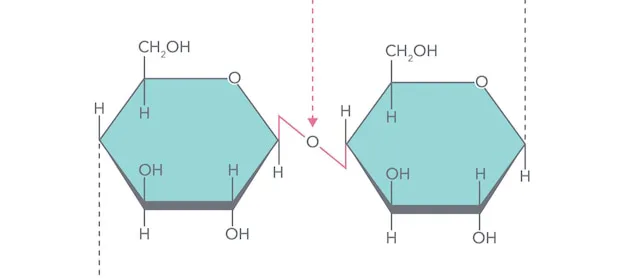
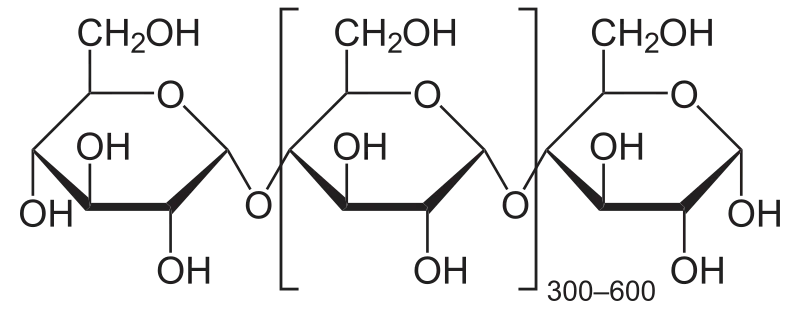
Draw alpha-glucose
18
Categorize
alpha-1,4-glycosidic bonds
unbranched polymer of glucose
digestible by humans
found in starch
branched polymer of glucose
contains alpha-1,4- and alpha-1,6- glycosidic bonds
introduces branches into starch
highly branched polymer of glucose
energy storage in animals
alpha-1,4-glycosidic bonds with alpha-1,6-glycosidic branches
similar structure to amylopectin
beta-1,4-glycosidic bonds
structural component of plant cell walls
indigestible by humans
linear polymer of glucose
found in plant fibers
Forms a helix
Every second glucose rotated 180 degrees
19
Match
Match the following:
Glucose + Fructose
Glucose + Galactose
Glucose + Glucose
Sucrose + Water
Lactose + water
Maltose + Water
Sucrose + Water
Lactose + water
Maltose + Water
20
Open Ended
Explain why the structure of glycogen and starch make them good for energy storage.
21
Drag and Drop
22
Labelling
Label the diagram
carboxylic acid
amino group
R group
23
Drag and Drop
24
Match
Match the following:
Primary
Secondary
Tertiary
Quaternary
Primary
Secondary
Tertiary
Quaternary
25
Categorize
Prosthetic groups
Multiple polypeptide chains
determined by tertiary structure
Ionic bonds
Disulphide bridges
determined by secondary structure
One polypeptide chain
hydrogen bonding only
alpha helix
beta- pleated sheets
Sequence of amino acids
determines secondary, tertiary and quaternary structu
Organize these options into the right categories:
26
Multiple Choice
How many naturally occurring amino acids are there
20
24
21
19
27
Dropdown
28
Drag and Drop
29
Match
Match the following:
Glycerol
Fatty acid
Phospholipid
Triglyceride
Cholesterol
Glycerol
Fatty acid
Phospholipid
Triglyceride
Cholesterol
30
Drag and Drop
31
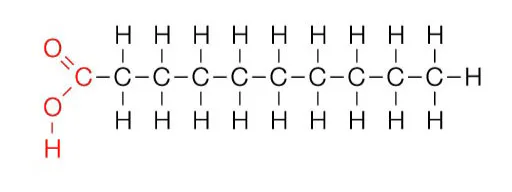
Categorize
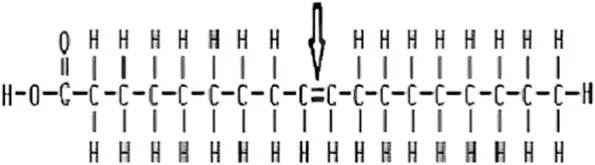
No C=C
One C=C
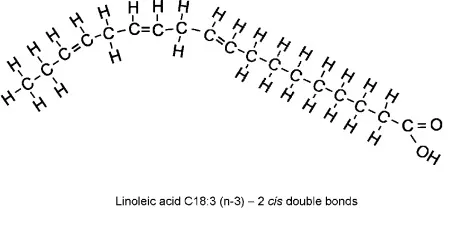
At least 2 C=C
typically found in animals
Often solid
Can pack tightly
At least one bend
Packs less tightly
Large kinks in tail
Packs loosely
Typically Liquid at room temperature
Often found in plants
Organize these options into the right categories:
32
Drag and Drop
33
Fill in the Blanks
Type answer...
34
Open Ended
How are fats suited to their function as a long term energy storage molecule?
35
That's all folks!
Biomolecules
Show answer
Auto Play
Slide 1 / 35
SLIDE

Similar Resources on Wayground
26 questions
Ser vs Estar
Presentation
•
11th Grade
27 questions
Lecture #3: Nucleic Acids
Presentation
•
11th Grade
30 questions
Mitosis
Presentation
•
11th Grade
25 questions
taxonomia
Presentation
•
10th Grade
28 questions
Homeostasis: Thermoregulation
Presentation
•
11th Grade
26 questions
DNA Structure, Function and Replication Basics
Presentation
•
10th - 11th Grade
27 questions
CAPTION CHAPTER 2
Presentation
•
11th Grade
31 questions
Science Prefixes and Suffixes Lesson
Presentation
•
10th Grade
Popular Resources on Wayground
24 questions
PBIS-HGMS Day 10
Quiz
•
6th - 8th Grade
10 questions
HCS SCI 03 Summer School Review 3
Quiz
•
3rd Grade
11 questions
Home Scope
Quiz
•
7th - 8th Grade
15 questions
HCS SCI 05 Summer School Assessment 3 Review
Quiz
•
5th Grade
35 questions
Lufkin Road Middle School Student Handbook & Policies Assessment
Quiz
•
7th Grade
18 questions
Geo 11.3 Area of Circles and Sectors
Quiz
•
9th - 11th Grade