Search Header Logo
Mastering Contract Performance and Remedies

Mastering Contract Performance and Remedies

Assessment

Presentation

•

Other

•

University

•

Practice Problem

•

Medium

Created by

Bobbie Stonerock

Used 5+ times

FREE Resource

23 Slides • 29 Questions

1

Contract Performance and Remedies

Understanding and optimizing contract performance and remedies to ensure successful outcomes and mitigate risks.

2

Voluntary Consent

An otherwise valid contract may still be unenforceable if the parties have not genuinely agreed to its terms.

Voluntary consent may be lacking because of a mistake, misrepresentation, undue influence, or duress—in other words, because there is no true “meeting of the minds.” A party who demonstrates that he or she did not agree to the terms of a contract can choose either to carry out the contract or to rescind (cancel) it and thus avoid the entire transaction.

3

Mistakes

Unilateral Mistakes of Fact

A unilateral mistake is made by only one of the parties. In general, a unilateral mistake does not give the mistaken party any right to relief from the contract. Normally, the contract is enforceable.

4

Mistakes

It is important to distinguish between mistakes of fact and mistakes of value or quality. Only a mistake of fact makes a contract voidable. Also, the mistake must involve some material fact—a fact that a reasonable person would consider important when determining his or her course of action.

5

​Was the mistake unilateral or Bilateral.

Bilateral Material Mistake of Fact (Both parties are mistaken) - The contract can be rescinded by either party.

Unilateral Mistake - the contract is enforceable unless the other party should have known about the mistake or if the mistake was made due to a substantial mathematical error, made inadvertently and without gross negligence.

6


A bilateral mistake is a “mutual misunderstanding concerning a basic (material fact) assumption on which the contract was made.”

When both parties are mistaken about the same material fact, either party can rescind the contract.

7

Unilateral Mistakes

The contract may not be enforceable if:

  1. The other party to the contract knows or should have known that a mistake of fact was made.

  2. The error was due to a substantial mathematical mistake in addition, subtraction, division, or multiplication and was made inadvertently and without gross (extreme) negligence. If, for instance, a contractor’s bid was significantly low because he or she made a mistake in addition when totaling the estimated costs, any contract resulting from the bid normally may be rescinded.

8

​Mistakes in Value

If a mistake concerns the future market value or quality of the object of the contract, the mistake is one of value, and the contract normally is enforceable.

9

Multiple Choice

Question image

Alexis agrees to sell her car to Dr. Harrison. Both parties mistakenly believe that the car has a working engine, when in fact it does not. Is the contract voidable?

1

No. Buyer beware.

2

Yes. Both parties were mistaken. Not as to the value of the car, but instead as to a material fact in the contract - the fact that the engine worked.

10

Multiple Choice

Question image

Tony sold Jack his grandfather's violin to Jack for $250. Both thought they made a great deal until Jack learned from an antique dealer that the violin was worth $5k. Both parties were mistaken about the value of the violin. Will Tony win if he files a lawsuit against Jack to get the real value of the violin?

1

No. The contract will be enforced since the unilateral mistake is one of value.

2

Yes. Both parties were mistaken.

11

Multiple Choice

Question image

Bobbie emails Hyowon offering to sell her a jet ski for $500. Bobbie meant to offer the jet ski for $1,500. Hyowon didn't know how much the jet ski was worth, but she wanted a jet ski, so she immediately emailed Bobbie and accepted her offer.

Bobbie made a mistake (unilateral mistake of fact). Will the contract be enforced?

1

Yes.

2

NO

12

Contract Performance Trivia

Did you know? Common challenges in contract performance can include miscommunication, scope creep, and non-compliance. To ensure effective contract performance, it is important to establish clear expectations and regularly communicate with all parties involved.

  • Challenge 1: Miscommunication
  • Challenge 2: Scope creep
  • Challenge 3: Non-compliance

13

14

Multiple Choice

Question image

Bruno Mars contracted to purchase a llama for his lover, Bobbie. Bobbie wanted a llama to ride in competitions. Unfortunately, the llama never raced due to a medical condition. Bruno has evidence that the seller knew about the llama's medical condition when he sold it. If Bruno sues the seller, will he win his lawsuit?

1

Yes. The seller concealed a material fact. Misrepresentation by conduct.

2

No. Bruno is rich. He should have had a vet check out the horse before he bought it.

15

Multiple Choice

Question image

Statements of opinion and representations of future facts (predictions) are not subject to claims of fraud. Statements such as “This land will be worth twice as much next year” and “This car will last for years and years are not fraudulent misrepresentations.

1

True

2

False

16

Elements of Fraud
Fraudulent Misrepresentation

  1. A misrepresentation of a material fact.

  2. The Party who made the misrepresentation knew he was lying. We call this SCIENTER - guilty knowledge.

  3. The other party justifiably relied on the misrepresentation.

17

Undue Influence

Undue influence arises from relationships in which one party can greatly influence another party, thus overcoming that party’s free will. A contract entered into under excessive or undue influence lacks voluntary consent and is therefore voidable.

The essential feature of undue influence is that the party being taken advantage of does not exercise free will in entering into a contract.

18

Duress


Agreement to the terms of a contract is not voluntary if one of the parties is forced into the agreement. The use of threats to force a party to enter into a contract constitutes duress. Similarly, the use of blackmail or extortion to induce consent to a contract is duress. Duress is both a defense to the enforcement of a contract and a ground for the rescission of a contract.

19

Multiple Choice

Question image

A condition that must be fulfilled before a party's performance can be required is called a

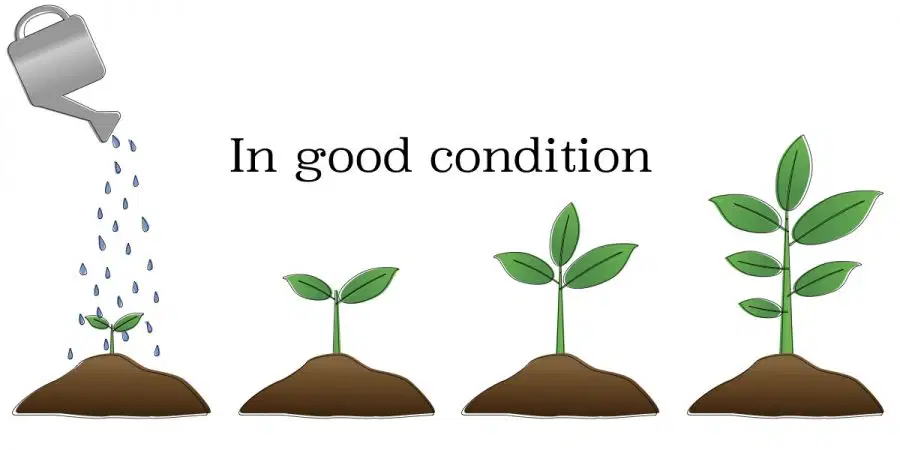
1

Condition

2

Condition precedent

3

Unconditional

4

NonTraditional

20

  • Substantial Performance

A party who in good faith performs substantially all of the terms of a contract can enforce the contract against the other party under the doctrine of substantial performance. The basic requirements for performance to qualify as substantial are as follows:

  1. The party must have performed in good faith. Intentional failure to comply with the contract terms is a breach of the contract.

  2. The performance must not vary greatly from the performance promised in the contract. An omission, variance, or defect in performance is considered minor if it can easily be remedied by compensation (monetary damages).

  3. The performance must create substantially the same benefits as those promised in the contract.

21

Multiple Choice

Howard hires College Painters to paint his house. The contract states that the company will paint the house white with blue trim and that they will paint the front door purple. In return, Howard will pay the company $10,000 for the job. The company paints the house white with blue trim but they paint the front door green. When Howard sees the green door, he refuses to pay the $10,000 contract price. If the Company sues Howard for breach of contract, they will probably:

1

  Lose, because the contract called for the door to be painted purple.

2

Lose, because perfect performance is an implied condition in the contract.

3

Win, because the color of the door was not a material term of the contract.

4

  Win, because they substantially performed.

22

Multiple Choice

Question image

If a party substantially performs, the other party’s duty to perform remains absolute.

1

False

2

True

23

Multiple Choice

Question image

________________is the process by which a contract is canceled or terminated and the parties are returned to the positions they occupied prior to forming it.

1

recission

2

reformation

24

Fill in the Blanks

occurs when both of the parties to a contract agree to substitute a third party for one of the original parties.

25

Multiple Choice

In an accord and satisfaction, the parties agree to accept performance that is different from the performance originally promised.

1

True. The accord is the agreement. The satisfaction is the discharge of the contract.

2

False

26

Types of Contract Breach

  • Material breach: a significant violation that goes to the core of the contract.
  • Minor breach: a partial or immaterial violation that does not affect the overall purpose of the contract.
  • Anticipatory breach: when one party indicates they will not fulfill their obligations before the agreed-upon time.
  • Fundamental breach: a breach that undermines the fundamental purpose of the contract.

27

Multiple Choice

Which type of breach undermines the fundamental purpose of the contract?

1

Material breach

2

Minor breach

3

Anticipatory breach

4

Fundamental breach

28

Fundamental Breach

Fundamental breach is a type of breach that undermines the fundamental purpose of a contract. It is a serious violation that goes to the core of the agreement, making it impossible to fulfill. It can result in termination of the contract and legal consequences. It is crucial to understand the terms and conditions to avoid such breaches.

29

Contract Performance and Remedies

  • Material Breach: A significant violation of contract terms that goes to the core of the agreement.
  • Minor Breach: A less serious violation that does not go to the core of the agreement.
  • Material breaches allow the non-breaching party to terminate the contract and seek remedies.
  • Minor breaches typically require the non-breaching party to seek damages or specific performance.

30

Multiple Choice

Question image

What is a material breach?

1

A significant violation of contract terms that goes to the core of the agreement

2

A less serious violation that does not go to the core of the agreement

3

A breach that allows the non-breaching party to seek damages or specific performance

4

A breach that requires the non-breaching party to terminate the contract

31

Material Breach

A material breach is a significant violation of contract terms that goes to the core of the agreement. It is a breach that allows the non-breaching party to seek damages or specific performance. It is different from a less serious violation that does not go to the core of the agreement. A material breach may require the non-breaching party to terminate the contract.

32

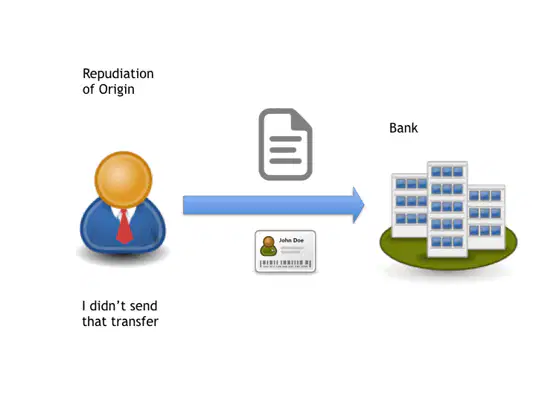
Anticipatory Repudiation

  • Definition: When one party to a contract indicates that they will not perform their obligations before the performance is due.
  • Effects: The non-breaching party can treat the repudiation as a breach and seek remedies.
  • Remedies: The non-breaching party can cancel the contract, sue for damages, or wait for performance and sue if it doesn't occur.

33

Multiple Choice

Question image

What is the effect of repudiation in a contract?

1

The non-breaching party can treat the repudiation as a breach and seek remedies.

2

The non-breaching party can cancel the contract, sue for damages, or wait for performance and sue if it doesn't occur.

3

The non-breaching party can ignore the repudiation and continue with the contract as planned.

4

The non-breaching party can renegotiate the terms of the contract.

34

Effect of Repudiation

  • The non-breaching party can treat the repudiation as a breach and seek remedies.
  • The non-breaching party has the option to cancel the contract, sue for damages, or wait for performance and sue if it doesn't occur.
  • The non-breaching party cannot ignore the repudiation and continue with the contract as planned.
  • The non-breaching party cannot renegotiate the terms of the contract.

35

Legal Remedies for Breach

  • Compensatory Damages: Monetary compensation for losses caused by the breach.
  • Specific Performance: Court order to fulfill the terms of the contract.
  • Rescission: Canceling the contract and returning parties to pre-contract state.
  • Reformation: Modifying the contract to correct mistakes or ambiguities.
  • Liquidated Damages: Pre-determined damages specified in the contract.

36

Multiple Choice

Question image

If no time for performance is stated in a contract, a reasonable time is implied.

1

True

2

False

3
4

37

Multiple Select

Which of the circumstances below may discharge contractual obligations by law? Mark all that apply.

1

material alteration of the contract

2

Statute of Limitations has passed.

3

Bankruptcy

4

Impossibility of performance

38

Multiple Select

Which of the following may qualify as grounds for the discharge of contractual obligations based on impossibility of performance? Mark all that apply.

1

When one of the parties to a personal contract dies or becomes incapacitated prior to performance.

2

When the specific subject matter of the contract is destroyed.

3

Then a change in law renders performance illegal.

4

The contractor is delayed due to weather. Impossibility

39

Multiple Choice

For someone to invoke the doctrine of commercial impracticability successfully, however, the anticipated performance must become significantly more difficult or costly. In addition, the added burden of performing must not have been foreseeable by the parties when the contract was made.

1

True

2

False

40

Multiple Choice

In principle, a contract will be discharged if unforeseen supervening circumstances make it impossible to attain the purpose both parties had in mind when they made the contract.

1

True

2

False

41

Multiple Choice

If a non-breaching party accepts defective performance of the contract, it is called a

1

forebearance

2

waiver

3

modification

42

43

Multiple Select

What types of damages can a non breaching party recover from the party that breached the contract? Mark all that apply.

1
  1. Compensatory (to cover direct losses and costs).

2
  1. Consequential (to cover indirect and foreseeable losses).

3
  1. Punitive (to punish and deter wrongdoing).

4
  1. Nominal (to recognize wrongdoing when no monetary loss is shown).

44

Multiple Choice

Ordinarily, because each parcel of land is unique, the remedy for a seller’s breach of a contract for a sale of real estate is specific performance.

1

True

2

False

45

Multiple Choice

Foreseeable damages that result from a party’s breach of contract are called

1

foreseeable

2

consequential

3

punitive

4

46

Fill in the Blanks

A provision in a contract specifies that a certain dollar amount is to be paid in the event of a future default or breach of contract is called

damages provision.

47

Multiple Choice

What is recission? MARK ALL THAT APPLY

1

an action to undo, or terminate, a contract

2

to return the contracting parties to the positions they occupied prior to the transaction

3

FRAUD

48

Multiple Choice

What equitable remedy is used when the parties have imperfectly expressed their agreement in writing?

1

breach

2

reformation

3

voided

49

Multiple Choice

Courts order reformation most often when fraud or mutual mistake (for instance, a clerical error) is present.

1

True

2

False

3
4

50

Multiple Choice

This agreements restricts the area and time in which one party can directly compete with the other party in an employment situation.

1

Covenant Not to Compete

2

Covenant to Compete

3

Competition Covenant

51

Multiple Choice

Question image

Which type of damages involves monetary compensation for losses caused by the breach?

1

Compensatory Damages

2

Specific Performance

3

Rescission

4

Reformation

52

Compensatory Damages

Compensatory Damages involve monetary compensation for losses caused by a breach. This type of damages aims to put the injured party in the same financial position they would have been in if the breach had not occurred. It is a common remedy in contract law cases.

pattern-tertiary
Contract Performance and Remedies

Understanding and optimizing contract performance and remedies to ensure successful outcomes and mitigate risks.

Show answer

Auto Play

Slide 1 / 52

SLIDE