GAMS REVIEW
Presentation
•
Science
•
9th - 12th Grade
•
Medium
+15
Standards-aligned

Ms. noble
Used 2+ times
FREE Resource
6 Slides • 62 Questions
1
2
3
Multiple Choice
1. A student investigated the energy transformations that occur when a call is placed from cell phone A and received by cell phone B. The student drew a diagram to show the process. Based on the diagram, what evidence is there for the transformation of chemical energy into electrical energy, and which other energy transformations must occur for the call to be received by cell phone B?
Evidence:
Cell phones are powered by a battery that produces the electricity used to send or receive a call.
Transformation 1: Sound energy is transformed into
electrical energy by cell phone A.
Transformation 2: Electrical energy is transformed into mechanical energy in the cell towers and base station
Evidence:
Cell phones are powered by a battery that produces the electricity used to send or receive a call.
Transformation 1: Sound energy is transformed into
electromagnetic waves by cell phone A.
Transformation 2: Electromagnetic waves are transformed back into sound energy by cell phone B.
Evidence:
Base stations are powered by a battery that produces the electricity used to receive and forward a call.
Transformation 1: Sound energy is transformed into electrical energy by cell phone A.
Transformation 2: Electrical energy is transformed into mechanical energy in the cell towers and base station
Evidence:
Base stations are powered by a battery that produces the electricity used to receive and forward a call.
Transformation 1: Sound energy is transformed into electromagnetic waves by cell phone A.
Transformation 2: Electromagnetic waves are transformed back into sound energy by cell phone B
4
Multiple Choice
electrical → light → mechanical
chemical → mechanical → electrical
mechanical → chemical → light
mechanical → electrical → light
5
Multiple Choice
chemical → light → electrical
mechanical → sound → light
thermal → solar → electrical
electrical → thermal → light
6
7
Multiple Choice
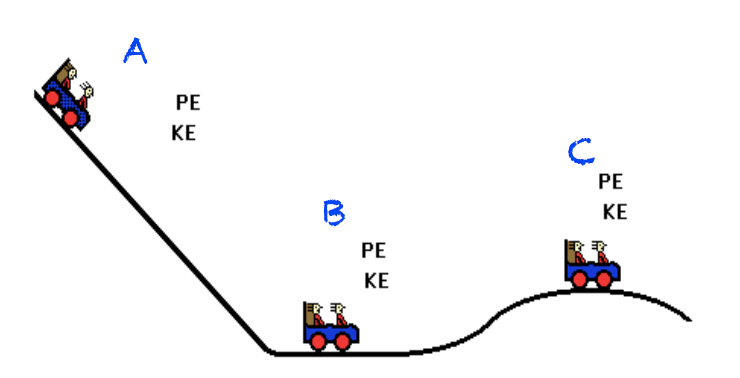
The coaster at B is at -
Maximum PE, Minimum KE
Minimum PE, Minimum KE
Minimum PE, Maximum KE
Maximum PE, Maximum KE
8
Multiple Choice
A
B
C
D
9
Fill in the Blanks
What is the gravitational potential energy (GPE) of a 5.0kg object located 2.0m above the ground?
Type answer...
10
Fill in the Blanks
A student walks to school at a speed of 1.2m/s. If the student's mass is 53kg, what is the student's kinetic energy (KE)?
Type answer...
11
12
Multiple Choice
Which best explains how this roasting marshmallows happens?
Heat from the fire is conducted into the marshmallow.
Heat from the fire is radiated into the marshmallow.
The coolness of the marshmallow is conducted into the fire.
The coolness of the marshmallow is radiated into the fire.
13
Multiple Choice
Which of the following is an example of convection?
Hair dryer is drying up your hair
When a car engine turns hot after being turned on.
A spoon placed in the cup filled with cold coffee.
Boiling spaghetti noodles in water.
14
Multiple Choice
Heat transfers from an area of ________ temperature to an area of _______ temperature.
high to low
low to high
high to high
low to low
15
Multiple Choice
Cold Pack on Person
Heat is transferred from the cold pack to the person.
Heat is transferred from the person to the cold pack
The cold pack is getting colder. The person is getting warmer.
16
Multiple Choice
Which is an example of heat being transferred by conduction?
a furnace blowing hot air through vents
an ice cube melting in a person’s hand
boiling water transferring heat to noodles
the sun heating water in a swimming pool
17
Multiple Choice
Convection is the primary way heat travels through rays.
Convection is the primary way heat travels through metals.
Convection is the primary way heat travels through appliances.
Convection is the primary way heat travels through liquids and gasses.
18
19
Multiple Choice
Copper
Carbon Steel
Zinc
Stainless Steel
20
Multiple Choice
Which will heat up slower?
water
lead
granite
iron
21
Multiple Choice
Which will heat up faster?
copper
granite
iron
basalt
22
Multiple Choice
50°
0°
100°
150°
23
24
Multiple Choice
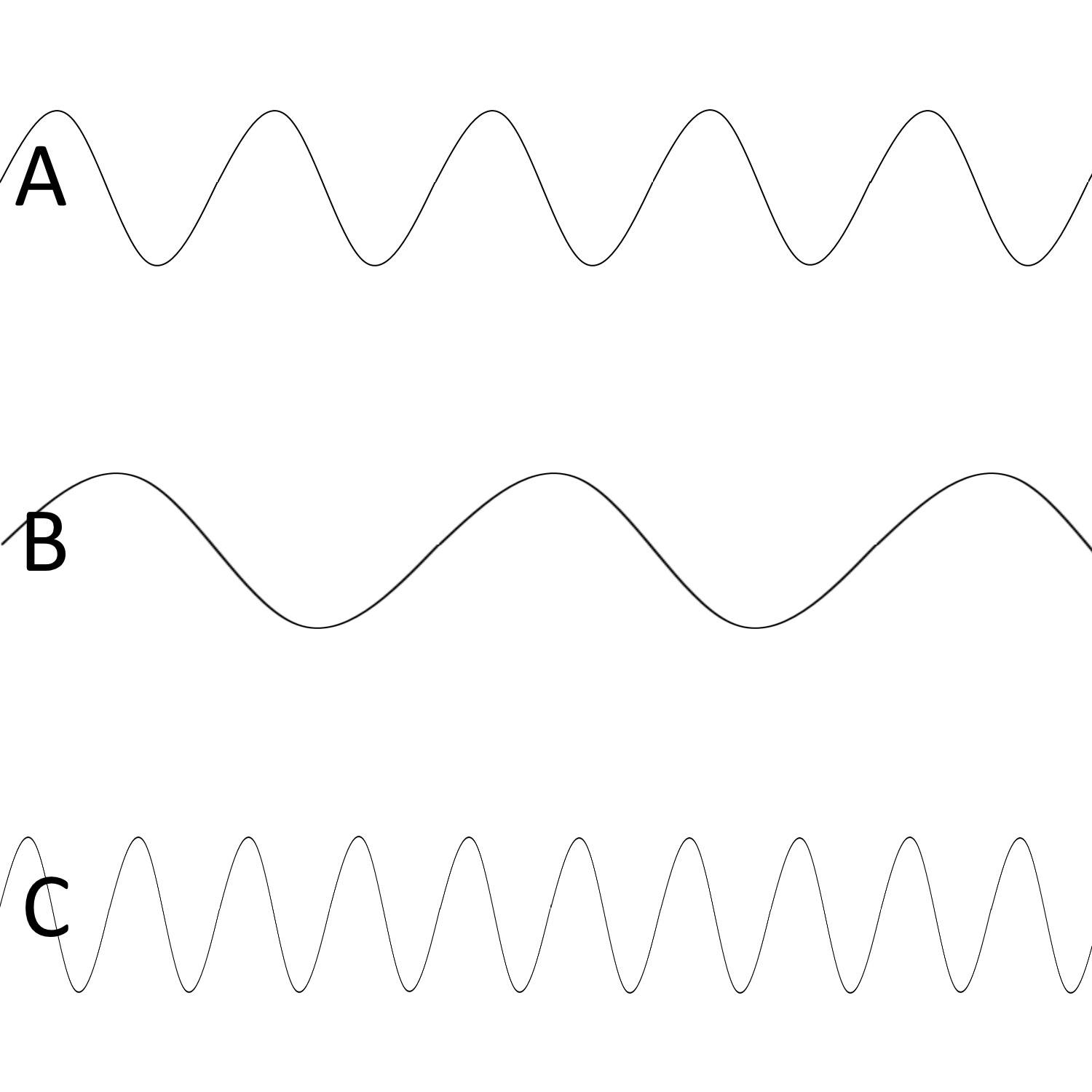
Which of the following images represents HIGH Frequency?
25
Multiple Choice
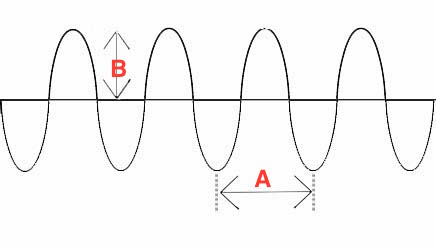
___ is the distance between a point on one wave and the SAME point on the next cycle of the wave.
Amplitude
Period
Wavelength
Frequency
26
Dropdown
27
Drag and Drop
28
Multiple Choice
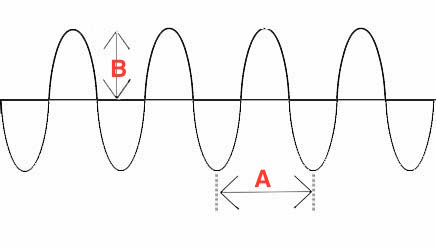
amplitude
crest
trough
wavelength
29
Multiple Choice
amplitude
crest
trough
wavelength
30
Multiple Choice
the crest
the trough
the top
the coast
31
Multiple Choice
Amplitude
Crest
Trough
Wavelength
32
Multiple Choice
solid, liquid, gas
open space
waves
nothing
33
Multiple Choice
A
B
C
None (same wavelength)
34
Multiple Choice
Which image represents a longitudinal wave?
A
B
35
Multiple Choice
all have the same wavelength
all have the same frequency
wave 3 has a longer wavelength than wave 4
wave 2 has a higher frequency than wave 4
36
Multiple Choice
Transverse wave
Longitudinal wave
37
Multiple Choice
Which of these sound waves has the highest frequency?
38
Multiple Choice
Which sound wave has the lowest pitch?
39
Multiple Choice
high, low
low, high
medium, high
high, medium
40
Multiple Choice
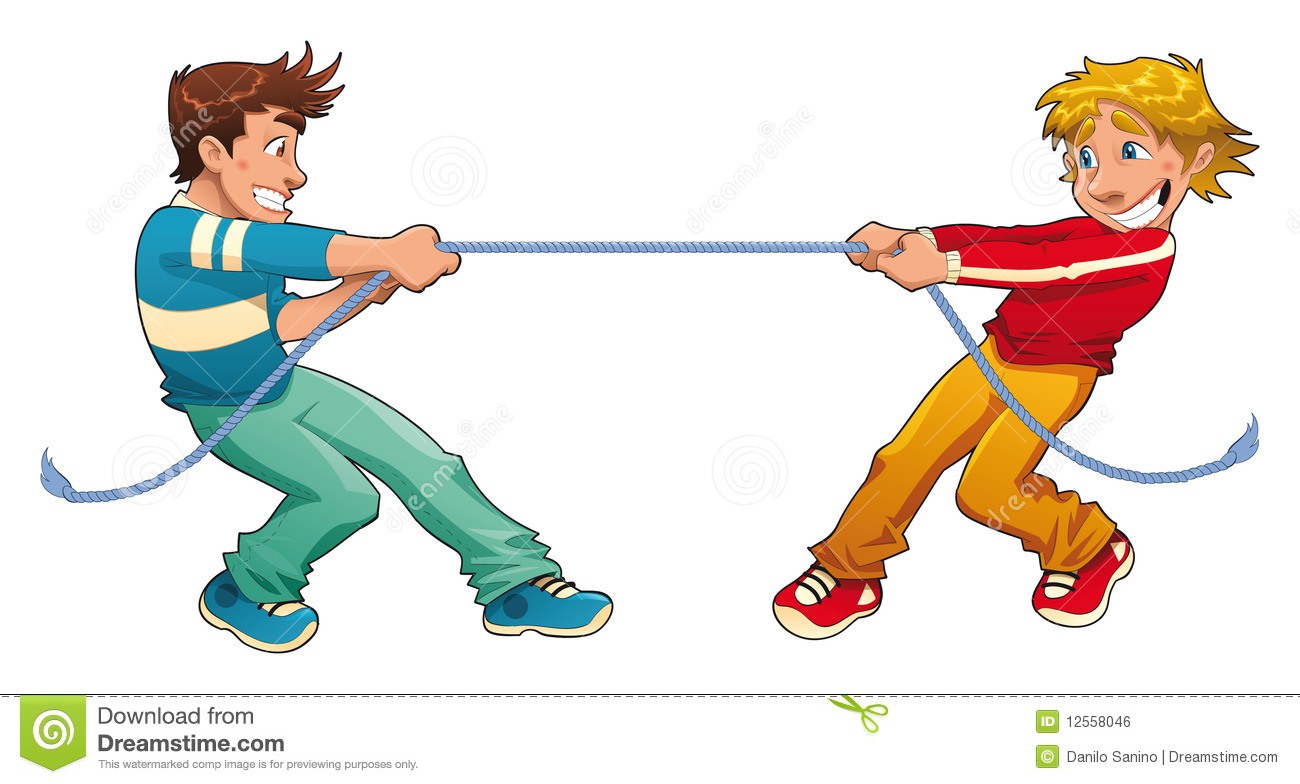
The boy in blue will win.
They will not move at all.
The boy in red will win.
Both will fall down.
41
Multiple Choice
Where is the object stopped?
A
B
C
D
42
Multiple Choice
Where is the object moving back to the origin?
A
B
C
D
43
Multiple Choice
Where is the object moving away from the origin at the quickest speed?
A
B
C
D
44
Multiple Choice
Which graph shows the object moving at a constant speed away from the origin?
A
B
C
D
45
Multiple Choice
Which graph shows the object moving from fast to slow?
A
B
C
D
46
Multiple Choice
Which line shows the slower pace?
dashed line
solid line
47
Multiple Choice
positive
negative
none
varies
48
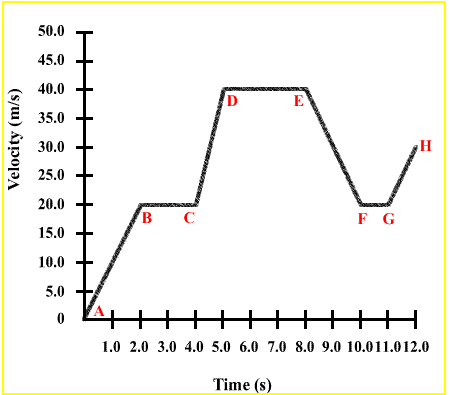
Multiple Choice
CD
DE
EF
GH
49
Multiple Choice
AB
BC
EF
GH
50
Multiple Choice
What is the mass number of bromine?
35
45
80
79.904
51
Multiple Choice
Positive
Negative
Neutral
Invinsible
52
Multiple Choice
Positive
Negative
Neutral
Invinsible
53
Multiple Choice
What is the charge of a sodium ion?
+2
+1
-1
-2
54
Multiple Choice
+1
+2
-1
-2
55
Multiple Choice
+1
-1
+2
-2
56
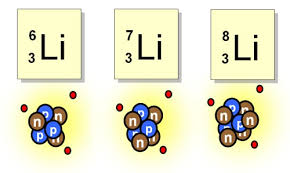
Multiple Choice
8
3
4
5
57
Multiple Choice
Li-6
Li-7
Li-8
they have the same # of neutrons
58
Multiple Choice
A bond between a nonmetal and a nonmetal is called a(n)
covalent bond
ionic bond
metallic bond
transfer bond
59
Multiple Choice
Valence electrons are found
in the innermost energy level of an atom
in the middle energy levels of an atom
in the outermost energy levels of an atom
60
Multiple Choice
What is the correct formula for Lead (II) fluoride?
PbF2
PbF4
Pb2F4
PbF
Pb2F3
61
Multiple Choice
1
2
3
4
62
Multiple Choice
Mg and Cl create...
Mg2Cl
MgCl2
Mg2Cl2
MgCl
63
Multiple Choice
H and S create...
H2S
HS2
H2S2
HS
64
Multiple Choice
Ca and N create...
Ca2N3
Ca3N2
CaN3
Ca2N
65
Multiple Choice
Na and Cl create...
Na2Cl
NaCl2
Na2Cl2
NaCl
66
Drag and Drop
67
Match
Match the following equations with the reaction type
Decomposition
Single Replacement
Synthesis
Double Replacement
KClO3 => KCl + O2
Zn + FeCl3 => Fe + Cl2
Mg + O2 => MgO
AgNO3 + ZnCl2 => AgCl + Zn(NO3)
KClO3 => KCl + O2
Zn + FeCl3 => Fe + Cl2
Mg + O2 => MgO
AgNO3 + ZnCl2 => AgCl + Zn(NO3)
68
Match
Match the following reaction types and descriptions
The reaction of a substance with oxygen to produce heat
One element displaces another element in a chemical compound during a chemical reaction
Breaking down a substance into 2 or more simpler substances
Two or more substances combine to form a new substance
The ions in compounds switch places forming 2 new substances
combustion
single displacement
decomposition
synthesis
double replacement
combustion
single displacement
decomposition
synthesis
double replacement
Show answer
Auto Play
Slide 1 / 68
SLIDE

Similar Resources on Wayground
64 questions
Unit 11 Waves & Electromagnetic Spectrum
Presentation
•
9th - 12th Grade
64 questions
Nervous System
Presentation
•
9th - 12th Grade
61 questions
Plate Tectonic Review/Practice
Presentation
•
9th - 12th Grade
65 questions
Solar vs Lunar Eclipse
Presentation
•
9th - 12th Grade
63 questions
Phy Science Unit 1 Summative Review
Presentation
•
9th - 11th Grade
67 questions
The Nitrogen Cycle and the Phosphorus Cycle
Presentation
•
9th - 12th Grade
63 questions
Chp 2 保险
Presentation
•
9th - 12th Grade
Popular Resources on Wayground
10 questions
Safety Day 2026 – Student Review
Quiz
•
9th Grade
21 questions
Continents and Oceans
Quiz
•
6th Grade
20 questions
Parts of Speech
Quiz
•
5th Grade
16 questions
Subject & Predicate
Quiz
•
5th Grade
25 questions
Multiplication Facts
Quiz
•
5th Grade
12 questions
Map Skills
Quiz
•
3rd Grade
22 questions
Continents and Oceans
Quiz
•
5th Grade
15 questions
Rounding Decimals
Quiz
•
5th Grade
Discover more resources for Science
10 questions
Exploring Chemical and Physical Changes
Interactive video
•
6th - 10th Grade
20 questions
Atomic Structure
Quiz
•
9th Grade
10 questions
Exploring the Electromagnetic Spectrum for Middle School Science
Interactive video
•
6th - 10th Grade
10 questions
Exploring Force and Motion Concepts
Interactive video
•
6th - 10th Grade
10 questions
Exploring Air Masses and Weather Fronts
Interactive video
•
6th - 10th Grade
14 questions
Periodic Trends
Interactive video
•
11th Grade
10 questions
Exploring the States of Matter
Interactive video
•
6th - 10th Grade
10 questions
Exploring Forces: Net Force, Normal Force, Gravity, and Friction
Interactive video
•
6th - 10th Grade