DNA Structure CFU Prep
Presentation
•
Science
•
7th Grade
•
Medium
+1
Standards-aligned
Heather Ziemba
Used 32+ times
FREE Resource
7 Slides • 27 Questions
1
2
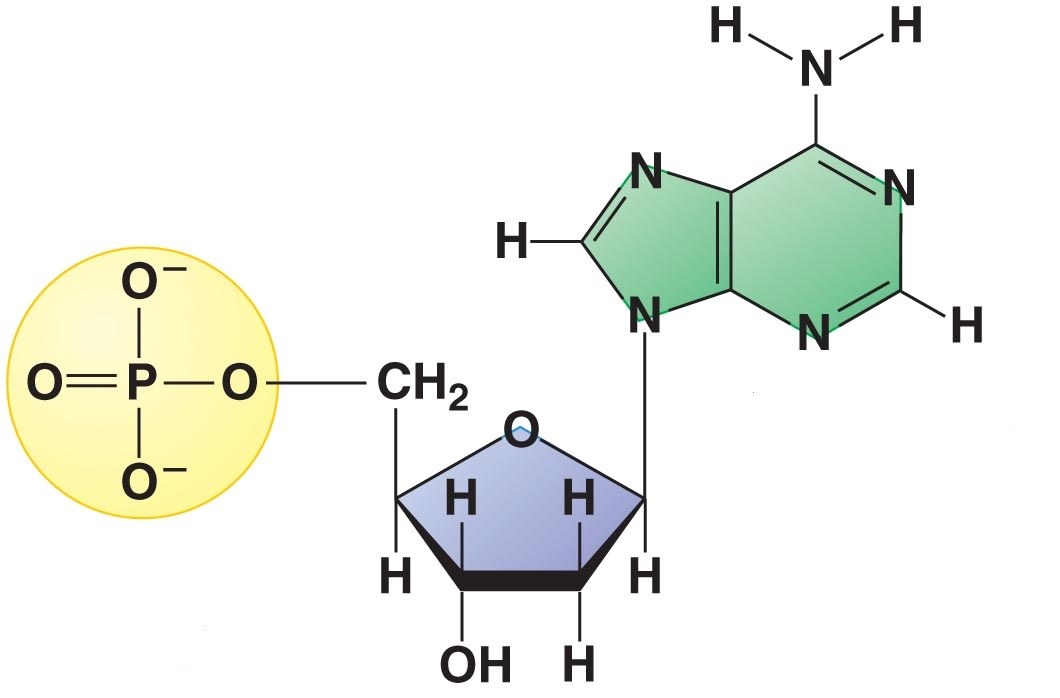
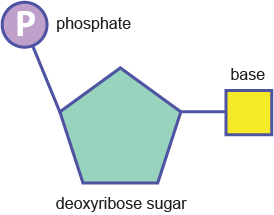
Each nucleotide has 3 parts.
Phosphate group
Sugar (deoxyribose)
Nitrogenous Base
Adenine
Cytosine
Thymine
Guanine
DNA is a Nucleic Acid!
It is made of nucleotides.
3
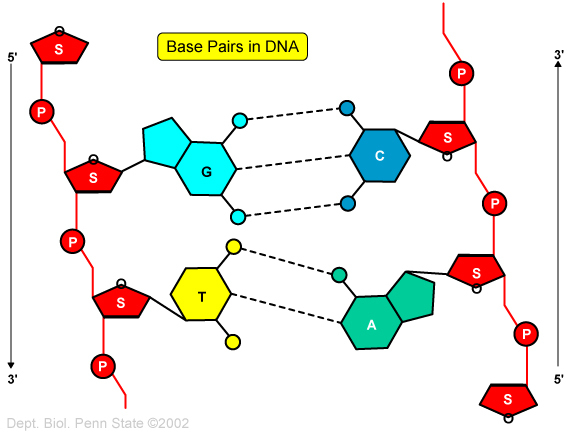
THE SIDES OF THE LADDER are made up of the deoxyribose sugar and the phosphate group.
THE "RUNGS" (MIDDLE) OF THE LADDER is made up of the nitrogeneous bases.
4
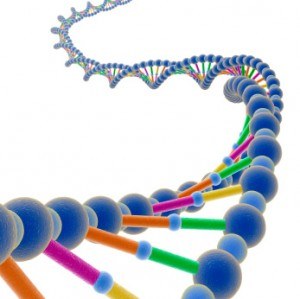
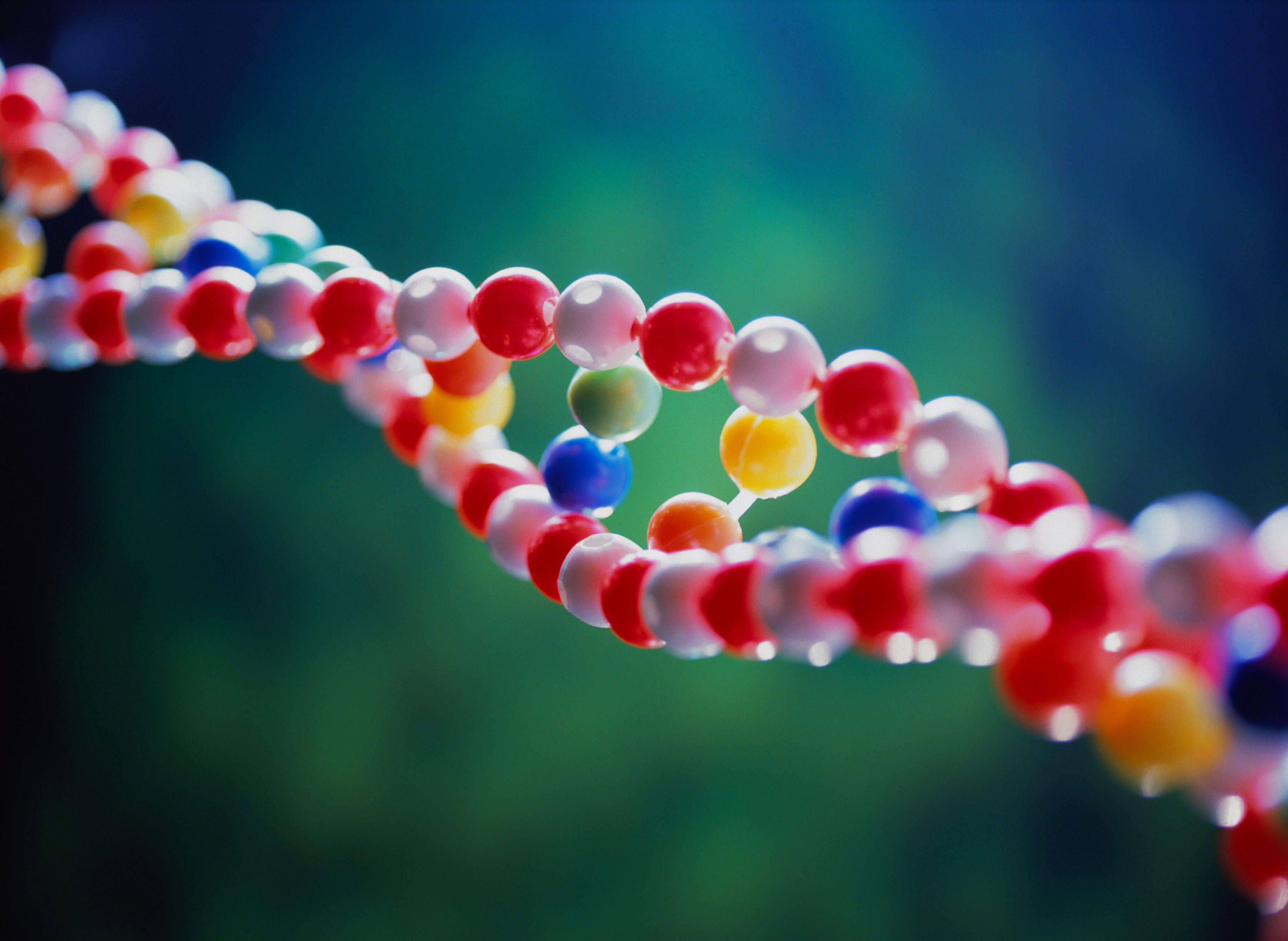
The twisted ladder shape is called a double helix!
This shape was discovered by ROSALIND FRANKLIN, who took an X ray photo of DNA.
5
Multiple Choice
double helix
contains ribose
made of amino acids
contains Uracil
6
Multiple Choice
deoxyribose sugar and adenine
deoxyribose sugar and a hydrogen bond
deoxyribose sugar and the nucleus
deoxyribose sugar and phosphate
7
Multiple Choice
sugar, hydrogen, nitrogen base
sugar, oxygen, nitrogen base
sugar, phosphate, nitrogen base
sugar, phosphate, protein
8
Multiple Choice
double helix
nucelotide
twisted ladder
hydrogen bond
9
Multiple Choice
cell membrane
vacuole
ribosome
nucleus
10
Multiple Choice
nitrogenous base
nucleic acid
cholesterol
fatty acid
11
Multiple Choice
5 Carbon Sugar
Phosphate Group
Carbon Base
Nitrogen Base
12
Multiple Choice
Thymine
Uracil
Guanine
Adenine
13
Multiple Choice
Sugar, Phosphate, nitrogen base
Phosphate, Adenine, nitrogen base
Thymine, Adenine, Cytomine
Phosphate, Nitrogen, Adenine
14
Multiple Choice
amino acids
nucleotides
fatty acids
polysaccharides
15
Multiple Choice
adenine, thymine, cytoplasm, and guanine
adenine, thymine cytosine, and guanine
adenine, thymine, cytosine, and gylcerol
adenine, thymine, cytosine, and glucose
16
Guanine--> Cytosine
Cytosine--> Guanine
The nitrogenous bases pair up in specific ways. They are connected by hydrogen bonds!
Adenine --> Thymine
Thymine --> Adenine
17
Multiple Choice
polar bonds
ionic bonds
covalent bonds
hydrogen bonds
18
Multiple Choice
Adenine
Thymine
Uracil
Guanine
19
Multiple Choice
Adenine
Guanine
Cytosine
Thymine
20
Multiple Choice
5'-ATGCCAT-3'
5'-TACGGTA-3'
3'-TACGGTA-5'
3'-ATGGCAT-5'
5'-ATGGCAT-3'
21
Multiple Choice
Which of the following is a base pair?
Adenine - Cytosine
Cytosine - Thymine
Deoxyribose - Cytosine
Cytosine - Guanine
22
Multiple Choice
According to Chargaff's rule, Cytosine always pair with
Adenine
Uracil
Thymine
Guanine
23
Multiple Choice
ATG TGA CAG?
ATG TGA CAG
TAC ACT GTC
GTA AGT GAC
CAT TCA CTG
24
Multiple Choice
ATG TGA CAG?
ATG TGA CAG
TAC ACT GTC
GTA AGT GAC
CAT TCA CTG
25
Multiple Choice
cytosine
guanine
thymine
uracil
26
Multiple Choice
polar bonds
ionic bonds
covalent bonds
hydrogen bonds
27
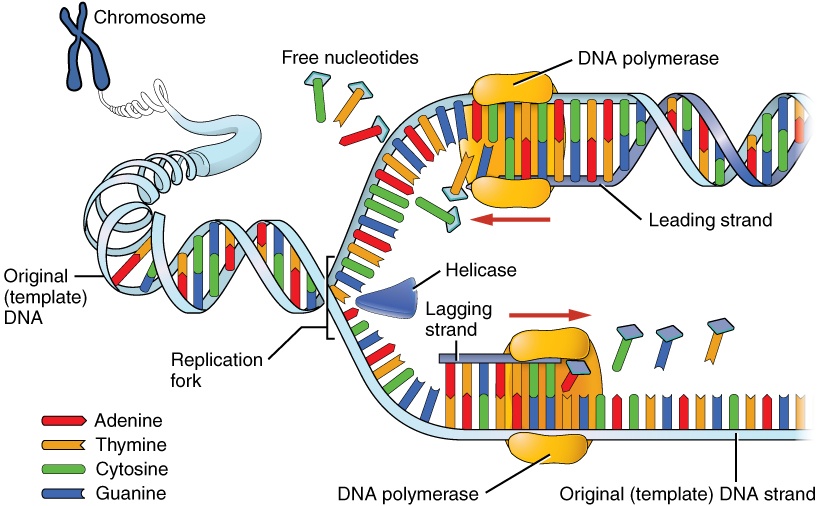
This enzyme unzips and separates the two strands of DNA.
HELICASE
This enzyme adds new nucleotides to each of the separated strands of DNA.
DNA POLYMERASE
Because of how the nitrogenous bases pair, you end up with two identical copies of DNA.
THE RESULT
28
Multiple Choice
What is it called when DNA makes a copy of itself?
Translation
Replication
Mitosis
Gene therapy
29
Multiple Choice
When replication is complete, there are two _____________ DNA modules.
identical
different
similar
30
A living thing's genetic code is determined by the sequence of bases that are found in the center of the molecule. Sections of DNA that code for specific traits are called genes.
What's the purpose of DNA?
31
Multiple Choice
it is very small and very complicated
it's in everything
it serves as the blueprint for traits of all living things
because we eat it every day for energy
32
Multiple Choice
You have DNA and your sibling does not.
The your sequence of nitrogen bases is different than your sibling.
Your sibling has a weave.
Your sibling has a genetic mutation.
33
Multiple Choice
How is the instructions for your traits carried on a DNA molecule?
Sequence of the nitrogen bases
In the Deoxyribose Sugar
In the bond between the phosphate and the sugar
In the phosphate group
34
Multiple Choice
What is a section of DNA that codes for a specific protein called?
RNA
replication
gene
protein
Show answer
Auto Play
Slide 1 / 34
SLIDE

Similar Resources on Wayground
25 questions
LESSON - Cell Organelles
Presentation
•
8th Grade
27 questions
7th grade review.
Presentation
•
7th Grade
24 questions
Mitosis and Meiosis
Presentation
•
6th - 8th Grade
30 questions
Genetics DNA
Presentation
•
7th Grade
25 questions
1/31 - Cell Theory and Prokaryotic vs Eukaryotic Cells
Presentation
•
8th Grade
27 questions
Introduction to Advances in Genetics
Presentation
•
7th Grade
23 questions
Mitosis Review
Presentation
•
7th Grade
25 questions
Inherited Traits
Presentation
•
8th Grade
Popular Resources on Wayground
10 questions
Safety Day 2026 – Student Review
Quiz
•
9th Grade
21 questions
Continents and Oceans
Quiz
•
6th Grade
20 questions
Parts of Speech
Quiz
•
5th Grade
16 questions
Subject & Predicate
Quiz
•
5th Grade
25 questions
Multiplication Facts
Quiz
•
5th Grade
12 questions
Map Skills
Quiz
•
3rd Grade
22 questions
Continents and Oceans
Quiz
•
5th Grade
15 questions
Rounding Decimals
Quiz
•
5th Grade
Discover more resources for Science
10 questions
Exploring Chemical and Physical Changes
Interactive video
•
6th - 10th Grade
14 questions
Week 1 Falcon Flex Fast and Curious
Quiz
•
7th Grade
42 questions
Explore Plate Tectonics and Boundaries
Quiz
•
7th Grade
21 questions
Waves and Wave Properties
Quiz
•
6th - 8th Grade
16 questions
Photosynthesis and Cellular Respiration Review
Quiz
•
7th Grade
20 questions
Food Webs + Energy Pyramids
Quiz
•
7th Grade
9 questions
Biology: Cell Structure
Interactive video
•
7th Grade
8 questions
Diffusion and Osmosis Review
Presentation
•
6th - 8th Grade