Search Header Logo
EMS- L 1.2/1.3 Picturing the Moon/ Modeling light and dark Moon

EMS- L 1.2/1.3 Picturing the Moon/ Modeling light and dark Moon

Assessment

Presentation

•

Science

•

8th Grade

•

Easy

•
NGSS
MS-ESS1-1, MS-ESS2-4, MS-ETS1-1

+4

Standards-aligned

Created by

Tyanna Bailey

Used 8+ times

FREE Resource

10 Slides • 30 Questions

1

EMS- L 1.2/1.3 Picturing the Moon/ Modeling light and dark Moon

By: Ms. Bailey*

2

​Lesson Objective:

​ WBAT explain where the moon gets its light by analyzing photos 

                   KWBAT use models to explain why half of the moon is always dark

3

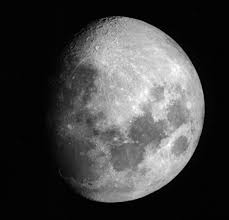
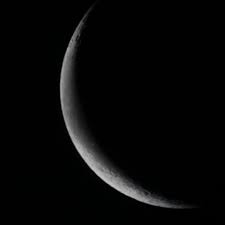
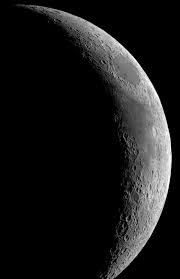
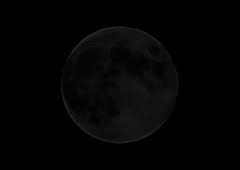
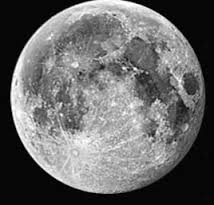
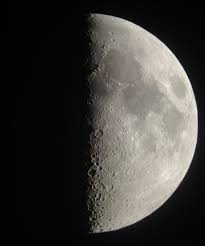
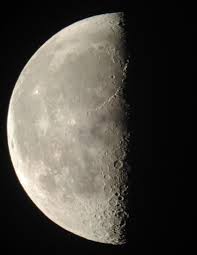
​Welcome student astronomers! Today, you will be starting the Earth, Moon, and Sun Unit. In this unit, you will explore the moon and its phases. Look at these images and think about what you know about the Moon. Then, record your thoughts in the space below.

4

Open Ended

Question image

What do you already know about the moon?

5

Open Ended

Question image

What questions do you have about the moon?

6

In our video today, we are going to learn about astrophotography which is the photography of stars and other celestial objects. Studying the movement of objects in space helps astrophotographers take better photographs. The photos that astrophotographers take help everyone imagine and experience parts of the universe that are otherwise unobservable.

​

media

7

web page not embeddable

Photographing_the_Moon_Video.mp4 - Google Drive

You can open this webpage in a new tab.

8

Open Ended

What is the problem Eric Wu is facing?

SS: Mr. Wu's problem is....

9

web page not embeddable

EMS vLesson 1 Intro.webm - Google Drive

You can open this webpage in a new tab.

10

media
​Lesson Vocabulary
media

11

Multiple Choice

Question image

True or False: This image does not show a terminator.

1

True

2

False

12

Multiple Choice

the terminator is...

1

the border between light and dark on the moon

2

a movie

3

the dark side of the moon

4

the light side of the moon

13

Multiple Choice

moon is...

1

a rocky sphere that travels around a planet

2

a rocky sphere that travels around the sun

3

a rocky sphere that travels through space

14

Multiple Choice

illuminate means...

1

to shine light on an object and make it visible

2

to shine light on an object and make it invisible

3

to shine light on an object and make it see through

15

Multiple Choice

the sun is....

1

the star that is the main source of light at the center of our solar system

2

the star that is the main source of light at the center of the universe

3

the star that is one of the main sources of light at the center of our solar system

16

web page not embeddable

EMS vLesson 1 review_.webm - Google Drive

You can open this webpage in a new tab.

17

Open Ended

Based on the video, where does the moon get its light from?

SS: The moon gets its light from...

18

19

media

Think and do your best!!

​

​Exit Ticket

Time!​

​

20

Open Ended

Cayden's little brother went outside and noticed that the moon was lit up. He asked Cayden where the Moon gets its light. How should Cayden respond?

SS: Cayden should tell his little brother_

21

Multiple Choice

What part of the moon do we see from Earth?
1
all of it
2
the same side
3
none of it
4
only one quarter

22

Multiple Choice

The moon seems to change shape from day to day in a cycle that lasts about a month as it goes through _.
1
revolutions
2
phases
3
rotations
4
eclipses

23

Multiple Choice

As the moon's shape appears to get smaller, we say that the moon is _.
1
swelling
2
waxing
3
waning
4
disappearing

24

Multiple Choice

About how long does it take the moon to make one complete cycle around the earth?
1
65 days
2
8 days
3
365 days
4
28 days

25

Multiple Choice

Which moon phase is when you can't see the moon at all?
1
Waning crescent
2
Full moon
3
Waxing gibbous
4
New moon

26

Multiple Choice

What causes the phase of the Moon to change each night?
1
The Moon changes its acutal shape throughout the course of the month.
2
The alignment between the Earth, Moon, and Sun determines the amount of light reflected by the Moon.
3
The season of the year determines the phase of the Moon.
4
The closer the Moon is to Earth, the more light the Moon reflects.

27

Multiple Choice

Phases of the moon in which the moon appears to be getting larger are referred to as _.
1
waxing
2
waning
3
new
4
eclipse

28

Multiple Choice

Question image
Name the moon phase
1
waning crescent
2
waxing crescent
3
waning gibbous
4
waxing gibbous

29

Multiple Choice

Question image
Name the moon phase
1
waning crescent
2
waxing crescent
3
waning gibbous
4
waxing gibbous

30

Multiple Choice

Question image
Name the moon phase
1
waning crescent
2
waxing crescent
3
waning gibbous
4
waxing gibbous

31

Multiple Choice

Question image
Name the moon phase
1
First Quarter
2
Last Quarter
3
New Moon
4
Full Moon

32

Multiple Choice

Question image
Name the moon phase
1
First Quarter
2
Last Quarter
3
New Moon
4
Full Moon

33

Multiple Choice

Question image
Name the moon phase
1
First Quarter
2
Last Quarter
3
New Moon
4
Full Moon

34

Multiple Choice

Question image
Name the moon phase
1
First Quarter
2
Last Quarter
3
New Moon
4
Full Moon

35

Multiple Choice

Question image
Name the phase of the moon for letter a
1
First Quarter
2
Last Quarter
3
Waxing Gibbous
4
Waning Gibbous

36

Multiple Choice

Question image
Name the phase of the moon for letter f
1
Waning Gibbous
2
Waxing Gibbous
3
Waning Crescent
4
Waxing Crescent

37

Multiple Choice

When the moon is in between the earth and the sun it is a
1
New Moon
2
Full Moon
3
First Quarter
4
Third Quarter

38

Multiple Choice

How many phases does the moon have?
1
7 phases
2
5 phases
3
I do not know
4
8 phases

39

Multiple Choice

Question image
What phase comes AFTER this one?
1
Waxing Crescent
2
Waning Gibbous
3
Waxing Gibbous
4
Third Quarter

40

Multiple Choice

The Moon gets its light from the
1
Earth
2
Stars
3
Sun
pattern-tertiary
EMS- L 1.2/1.3 Picturing the Moon/ Modeling light and dark Moon

By: Ms. Bailey*

Show answer

Auto Play

Slide 1 / 40

SLIDE