

Air - Class 7 Geograpahy ncert

Presentation
•
Geography
•
7th - 12th Grade
•
Medium

Anusha Gupta
Used 38+ times
FREE Resource
13 Slides • 25 Questions
1
Air - Class 7 Geograpahy ncert
by Anusha Gupta
I HOPE YOU WILL ENJLOY THE LESSON AND THE QUESTIONS
2
Overview
Atmosphere: An atmosphere is a layer of air surrounding our planet Earth. All living beings on this earth depend on the atmosphere for their survival. It is this mass of air that has made the temperature on the earth liveable.
3
Composition of the Atmosphere
In the atmosphere, nitrogen and oxygen are found in bulk quantities. Carbon dioxide, helium, ozone, argon and hydrogen are found in lesser quantities. Apart from these gases, tiny dust particles are also present in the air. Nitrogen is the most plentiful gas in the air. When we inhale, we take some amount of nitrogen into our lungs and exhale it.
Nitrogen is essential for plants to survive. They cannot take nitrogen directly from the air. Bacteria, that live in the soil and roots of some plants, take nitrogen from the air and change its form so that plants can use it.
Oxygen is the second most plentiful gas in the air. Humans and animals take oxygen from the air as they breathe. During photosynthesis, green plants produce oxygen. In this way, oxygen content in the air remains constant.
4
Composition of the Atmosphere (contd.)
Carbon dioxide is another important gas. Green plants use carbon dioxide to make their food and release oxygen. Humans or animals release carbon dioxide. The amount of carbon dioxide released by humans or animals seems to be equal to the amount used by the plants which make a perfect balance.
5
Structure of the Atmosphere
The atmosphere is divided into five layers starting from the earth’s surface. These are Troposphere, Stratosphere, Mesosphere, Thermosphere and Exosphere.
Troposphere: This layer is the most important layer of the atmosphere. Its average height is 13 km and the air we breathe exists here. In this layer, all-weather phenomena like rainfall, fog and hailstorm occur.
Stratosphere: Above the troposphere lies the stratosphere. It extends up to a height of 50 km. This layer is free from clouds and associated weather phenomenon, which makes it most ideal for flying aeroplanes. It contains a layer of ozone gas.
6
Structure of the Atmosphere (contd.)
Mesosphere: This is the third layer of the atmosphere. It lies above the stratosphere. It extends up to a height of 80 km. Meteorites burn up in this layer on entering from space.
Thermosphere: In thermosphere, temperature rises very rapidly with increasing height. Ionosphere is a part of this layer. It extends between 80-400 km. This layer helps in radio transmission. In fact, radio waves transmitted from the earth are reflected back to the earth by this layer.
Exosphere: The uppermost layer of the atmosphere is known as exosphere. This layer has very thin air. Light gases like helium and hydrogen float into space from here.
7
Weather and Climate
Weather and Climate
Temperature: The temperature that we feel every day is the temperature of the atmosphere. The degree of hotness and coldness of the air is known as temperature. The temperature changes between day and night and season to season. Summers are hotter than winters.
Insolation: An important factor that influences the distribution of temperature is insolation. Insolation is the incoming solar energy intercepted by the earth. The amount of insolation decreases from the equator towards the poles. Therefore, the temperature decreases in the same manner.
8
Weather and Climate (contd.)
Temperature
Temperature in cities is much higher than that of villages. The concrete and metals in buildings and the asphalt of roads get heated up during the day. This heat is released during the night. Also, the crowded high rise buildings of the cities trap the warm air and thus, raise the temperature of the cities.
9
Weather and Climate ( contd.)
Air pressure
Air pressure is defined as the pressure exerted by the weight of air on the earth’s surface. As we go up the layers of the atmosphere, the pressure falls rapidly.
The air pressure is highest at sea level and decreases with height. Horizontally the distribution of air pressure is influenced by the temperature of the air at a given place.
In areas where temperature is high the air gets heated and rises. This creates a low-pressure area. Low pressure is associated with cloudy skies and wet weather. In areas having lower temperature, the air is cold and heavy.
Heavy air sinks and creates a high pressure area. High pressure is associated with clear and sunny skies. The air always moves from high-pressure areas to low-pressure areas.
10
Weather and Climate (contd.)
Wind
The movement of air from high-pressure areas to low-pressure areas is called wind. Winds can be broadly divided into three types.
Permanent winds – The trade winds, westerlies and easterlies are the permanent winds. These blow constantly throughout the year in a particular direction.
Seasonal winds – These winds change their direction in different seasons. For example monsoons in India.
Local winds – These blow only during a particular period of the day or year in a small area.
11
Weather and Climate (contd.)
Moisture
When water evaporates from land and different water bodies, it becomes water vapour. Moisture in the air is known as humidity. When the air is full of water vapour we call it a humid day. As the air gets warmer, its capacity to hold the water vapour increases and so it becomes more and more humid.
When the water vapour rises, it starts cooling. The water vapour condenses causing formation of droplets of water. Clouds are masses of such water droplets. When these droplets of water become too heavy to float in the air, then they come down as precipitation.
Precipitation that comes down to the earth in liquid form is called rain. On the basis of mechanism, there are three types of rainfall: the convectional rainfall, the orographic rainfall and the cyclonic rainfall.
12
Now let's proceed with some questions !!
13
Multiple Choice
Air is made up of atoms and molecules.
True
False
14
Multiple Choice
Air is made up of atoms and molecules.
True
False
15
Multiple Choice
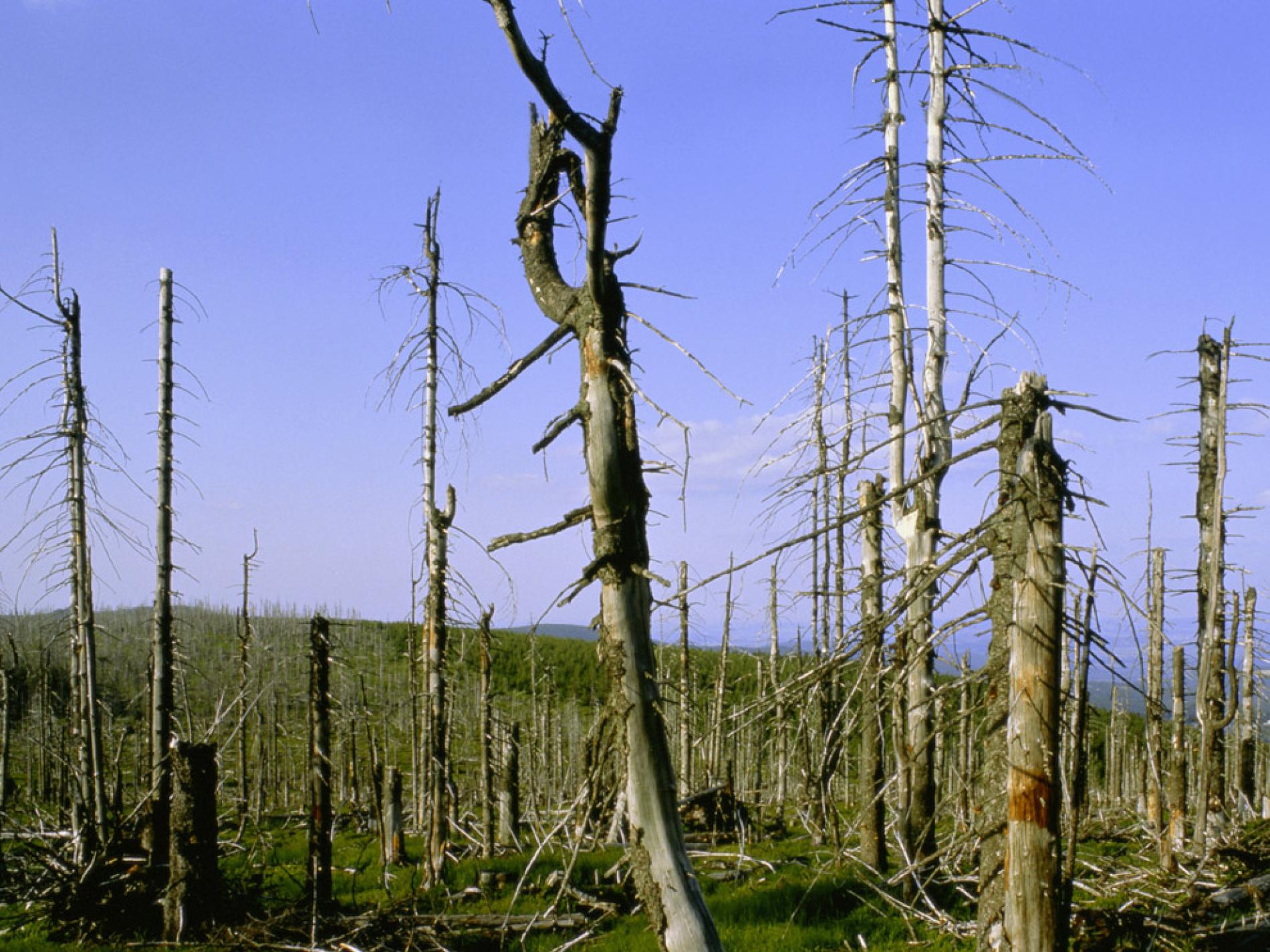
What are the pollutants known to cause acid rain?
nitrogen oxides and sulfur dioxide (sulfur compounds)
Low pH and Acid
Lemon Juice and Battery Acid
Particulate Matter and Carbon Dioxide
16
Multiple Choice
Air has no weight.
True
False
17
Multiple Choice
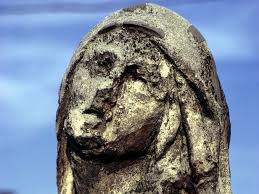
What can humans do to reduce the effects of acid rain?
Develop Alternate Energy Sources (Solar Power, Wind Energy)
Use Less Energy
Stop Burning Fossil Fuels
All of the Answers are Correct
18
Multiple Choice
Air is made up of a mixture of many different kinds of gases.
True
False
19
Multiple Choice

Smog or ground ozone forms in the troposphere. Which pollutants are most responsible for smog or ground ozone?
sulfur and particulate matter
volatile organic compounds and nitrogen oxides
carbon monoxide and carbon dioxide
none of these answers are correct
20
Multiple Choice
Gases are invisible
True
False
21
Multiple Choice

CFC's cause harm to our
Troposphere
Inversion Layer
Ozone Layer
Carbon Dioxide
22
Multiple Choice
Which gas is the most common in our air?
Nitrogen
Hydrogen
Helium
Oxygen
23
Multiple Choice

Where is the Ozone Layer found in our atmosphere?
Troposphere (lower portion)
Stratosphere (upper portion)
24
Multiple Choice

Which box below shows a more dense object?
Left
Right
25
Multiple Choice

When the Ozone Layer loses Ozone what happens to organisms on the earth's surface?
They are exposed to Smog
Nothing happens
They are exposed to Acid Rain
They are exposed to Ultraviolet B Radiation
26
Multiple Choice
Define Density
The weight of a column of air pushing down on an area
The Amount of Mass in a given volume
The force pushing on an area
The distance above sea level
27
Multiple Choice
Humans cause long and short term harm to their environment.
true
false
28
Multiple Choice
Define Pressure
The weight of a column of air pushing down on an area
The Amount of Mass in a given volume
The force pushing on an area
The distance above sea level
29
Multiple Choice
Burning fossil fuels cause ________ that cause pollution.
temperature decrease
headaches
emissions
natural pollution
30
Multiple Choice
Define Altitude
The weight of a column of air pushing down on an area
The Amount of Mass in a given volume
The force pushing on an area
The distance above sea level
31
Multiple Choice

These are two ways people can reduce air pollution.
Drive vehicles that get low gas mileage / Burn trash at home
Burn less fossil fuels / walk and ride bikes
Create major forest fires / Use CFC's
Burn styrofoam at landfills / Use more chlorine
32
Multiple Choice
Define Air Pressure
The weight of a column of air pushing down on an area
The Amount of Mass in a given volume
The force pushing on an area
The distance above sea level
33
Multiple Choice

Select the natural form of air pollution.
CFC's
Burning Fossil Fuels
Forest Fires
Paints and Solvents
34
Multiple Choice
Air pressure is measured with a
thermometer
hot-air balloon
satellite
barometer
35
Multiple Choice
The force pushing on an area is called density.
True
False
36
Multiple Choice
Clouds are made of water vapor (gas).
True
False
37
Multiple Choice
As I walk up Mt Everest, the density of air...
decreases
increases
38
THANKS FOR ATTENDING THIS SESSION. I HOPE YOU LIKED IT !!
Air - Class 7 Geograpahy ncert
by Anusha Gupta
I HOPE YOU WILL ENJLOY THE LESSON AND THE QUESTIONS
Show answer
Auto Play
Slide 1 / 38
SLIDE
Similar Resources on Wayground

35 questions
MS-PS2-2: Forces and Motion
Presentation
•
8th Grade - University
32 questions
Subject-Verb Agreement
Presentation
•
7th - 12th Grade
33 questions
Gilded Age West Lesson 1: Motivations
Presentation
•
7th - 12th Grade
32 questions
ER Verbs - French
Presentation
•
7th - 12th Grade
32 questions
Moses
Presentation
•
6th Grade - University
31 questions
Trench Warfare
Presentation
•
6th - 12th Grade
33 questions
"I can": forms of PODER
Presentation
•
7th - 12th Grade
31 questions
MS-ESS2-4: Water Cycle Dynamics
Presentation
•
6th Grade - University
Popular Resources on Wayground
24 questions
PBIS-HGMS Day 10

Quiz
•
6th - 8th Grade
10 questions
HCS SCI 03 Summer School Review 3
Quiz
•
3rd Grade
11 questions
Home Scope
Quiz
•
7th - 8th Grade
15 questions
HCS SCI 05 Summer School Assessment 3 Review
Quiz
•
5th Grade
35 questions
Lufkin Road Middle School Student Handbook & Policies Assessment
Quiz
•
7th Grade
18 questions
Geo 11.3 Area of Circles and Sectors
Quiz
•
9th - 11th Grade