

Cell Transport

Presentation
•
Biology, Science, Special Education
•
9th Grade
•
Medium
+6
Standards-aligned

Devon Harris
Used 91+ times
FREE Resource
14 Slides • 29 Questions
1
Cell Transport
Active and Passive transport

2
3
Multiple Choice

What are the two types of cell transport?
4
Multiple Choice
5
Diffusion
When particles move from high concentration to low concentration.
Some objects can easily pass through the cell membrane without assistance

6
Multiple Choice
7
Multiple Choice
8
Facilitated Diffusion
A channel or protein is used to help move big particles into and out of the cell
They do not require ATP or energy to move in and out

9
Multiple Choice
10
Multiple Select
11
Multiple Choice
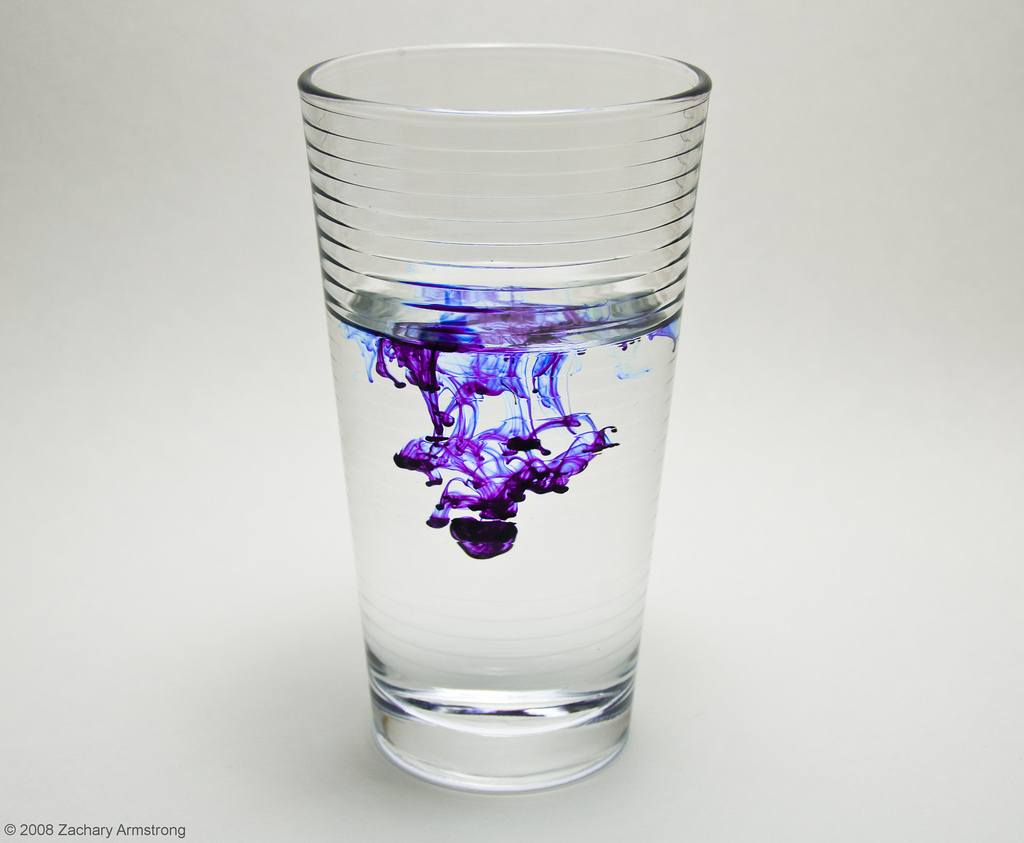
Where is there a low concentration of dye?
12
Active Transport
If particles are too large or go against the concentration gradient.
Requires ATP or energy to move particles in and out.
There are three types of active transport: endocytosis, pumps, exocytosis

13
Active Transport-Membrane Pump
A membrane pump moves substances against the concentration gradient
It can substances from a low concentration to a high concentration

14
Endocytosis
This allows the cell to move larger objects into the cell by engulfing the object and moving it into the cell.

15
Multiple Choice

A process in which cells surround and engulf substances that are TOO BIG to enter the cell is known as...
16
Exocytosis
Occurs when the cell expels an object outside of the cell
They are incased in a vesicle and expelled out of the cell

17
Multiple Choice

This picture represents which type of cellular transport?
18
19
Passive Transport
When objects move from high concentration to low concentration without assistance
Does not require energy

20
Multiple Choice
21
Osmosis
The process where particles move water across a semi-permeable membrane
It applies to water only
Water always move from a hypotonic environment to a hypertonic environment.
In other words-water moves towards areas of high salt or sugar concentrations

22
Multiple Choice
23
Hypotonic
when the solute concentration is greater inside the cells than in the surrounding water.
Cause the cell to swell and burst

24
Multiple Choice

25
Hypertonic
When the water within the cell diffuse(move out) across the membrane and are on the outside of the cell
cause the cell to shrink

26
Multiple Choice

Which describes a hypertonic environment?
27
Isotonic
When the solution is the same inside and outside of the cell
it will thrive and survive

28
Multiple Choice

Is it safe to drink salt water?
29
Multiple Choice

Which describes an isotonic environment?
30
Multiple Choice
31
Multiple Choice
32
Multiple Choice

Active Transport typically uses ______ to transport materials across the cell membrane.
33
Multiple Choice

An animal cell placed in a hypertonic (salty) solution will
34
Multiple Choice
35
Multiple Choice

What type of transport is this?
36
Multiple Choice

The movement of particles from an area of high concentration to an area of low concentration
37
Multiple Choice

The movement of materials that requires energy is called...
38
Multiple Choice

The movement of materials that does NOT require energy is called...
39
Multiple Choice
40
Multiple Choice

When a cell forms a vesicle around unwanted particles and expels it OUT of the cell.
41
Multiple Choice
42
Multiple Choice

In this image, the cell is using which type of molecular transport?
43
Multiple Choice
What are the two types of cell transport?
Cell Transport
Active and Passive transport
Show answer
Auto Play
Slide 1 / 43
SLIDE

