Search Header Logo
René Descartes and Thomas Hobbes

René Descartes and Thomas Hobbes

Assessment

Presentation

•

Social Studies

•

6th Grade

•

Medium

•
CCSS
RI.4.5, RI.6.10, RI.5.5

+7

Standards-aligned

Created by

Andrea Peters

Used 13+ times

FREE Resource

23 Slides • 13 Questions

1

René Descartes and Thomas Hobbes

Chapters 2 and 3

Slide image

2

Multiple Choice

The Enlightenment is also known as the ______________
1
Age of Exploration
2
Age of Reason
3
Renaissance
4
Scientific Revolution

3

Multiple Choice

What does it mean for a King to have Divine Right? 
1
Rules by the power and blessing of God. 
2
Rules by the suggestions of the people.
3
Rules by listening to the Church to make decisions.
4
The King is not really in power at all. 

4

Multiple Choice

Influential opponents of the Enlightenment included

1

enlightened despots

2

the American and French colonies

3

church authorities

4

Defoe and Hayden

5

Multiple Choice

Enlightenment thinkers were influenced by the idea of natural law that emerged from the

1

Reformation

2

Glorious Revolution

3

Renaissance

4

Scientific Revolution.

6

Multiple Choice

What did Isaac Newton discover when the apple supposedly fell on his head?

1

Gravity

2

Electricty

3

Hydrogen

4

Plasma

7

Learning Objectives

1. Summarize the major ideas of René Descartes, especially "Cogito ego sum": "I think, therefore I am."


2. Explain how Descartes's methods and ideas broke with tradition


3. Explain why Descartes is considered the father of modern philosophy


4. Explain Thomas Hobbes's conclusions about human nature


5. Describe the type of all-powerful government favored by Hobbes

8

Chapter 2 Vocabulary

  • Philosophy: The study of ideas about knowledge, life, and truth; literally, love of wisdom

9

Slide image

Rene Descartes

10

Young René

  • Grew up with his grandmother and enjoyed spending time alone in the garden to think

  • Went to boarding school and was allowed to sleep late before beginning his studies for the day (he was frequently sick)

  • Studied law when he was older but it did not interest him. He was passionate about traveling, being alone to think, and sleeping late

  • His love of travel caused him to join the Dutch army, where he traveled to Holland (now called the Netherlands)

11

Awakening

  • Became fascinated with math while in Holland

  • Left Holland and traveled for a little while before joining the Bavarian army

  • Allowed him to spend time alone, deep in thought, which led to two major insights about life

Slide image

12

René Descartes

  • Devout Catholic and always had a strong belief in God

  • BUT he placed a high value on human reason

  • Used reason to explore the human condition and explain his belief in God

  • His uses of reason began what we consider the modern age of philosophy

Slide image

13

Father of Modern Philosophy

  • In his book Discourse on Method Descartes writes, "There is just one thing that is undeniable: I am thinking. This alone proves my existence"

  • Most famous for "Cogito ergo sum" or "I Think, therefore I am."

Slide image

14

Multiple Choice

“I think, therefore I am” was expressed by
1
Rene Descartes
2
William Shakespeare
3
Sir Isaac Newton
4
Thomas Hobbes
5
None of the above

15

Rene Descartes

  • Questioned everything he could

  • Promised himself to "never accept anything as true if I [he] did not clearly know it to be so."

  • The Idea that the truths of the universe could be discovered by observation and reason, and not accepted by faith alone, changed the way many thought

  • Encouraged people to doubt everything except their own existence until they proved each thing to be true

16

Multiple Choice

Question image
He was the  Father of what?
1
Modern Literature
2
Modern Philosophy

17

Rene Descartes

  • Became famous throughout Europe

  • Was asked to visit Sweden by Queen Christina

  • Hated the cold, caught pneumonia and died

18

Open Ended

How were the ideas of Isaac Newton and Rene Descartes similar? How were they different?

19

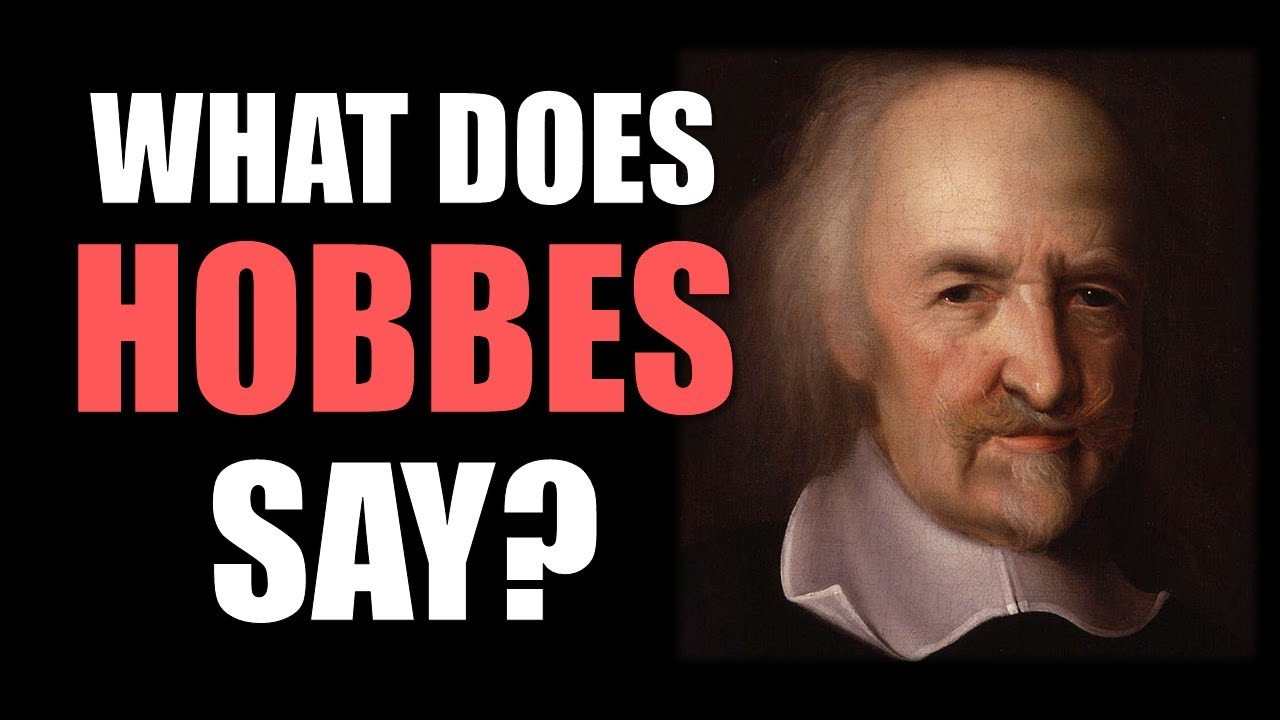
Thomas Hobbes

Chapter 3

20

Slide image


21

Chapter 3 Vocab

  • Parliament: the original lawmaking branch of the English government that is made up of the House of Lords and the House of Commons

  • Pessimist: A person who tends to see the worst in a situation or who believes the worst will happen

  • Social Contract: An agreement among individuals in a society and a ruler or government; individuals give up some of their freedoms in exchange for protection by the ruler or government

22

Chapter 3 Vocab

  • "Absolute Monarchy": A government in which the king or queen has the unchecked authority to do whatever they want without any restrictions

  • Authoritarian: Requiring absolute obedience to a rule or government; not allowing personal freedom

23

Fill in the Blanks

Thomas Hobbes was born in 1588 and died in 1679. How old was he?

Type answer...

24

Thomas Hobbes

  • Europe in the 1600s, life expectancy was around 40 years old

  • Lived a very long life during a difficult time period

  • His ideas were not popular

  • At times, he was forced to flee for his life and burn his own writings

25

Thomas Hobbes

  • Travelled after graduating from Oxford University

  • Returned home to England during a time of political unrest

  • Problem between the King and Parliament

26

English Civil War

  • Ruling monarchs at the time, the Stuarts, believed in the divine right of kings

  • Did not want to grant Parliament any lawmaking powers (this lasted decades)

  • Hobbes supported the king

  • Fled to Paris when he saw Parliament threaten to take control from the Stuarts

  • Parliament takes control, King Charles I is executed, his son Prince Charles flees to Paris and befriends Hobbes

27

Slide image

Trial of King Charles I

28

Thomas Hobbes

  • This caused Hobbes to develop his own conclusions about the purpose and nature of government

  • Most famous book was Leviathan

  • Believed that like the leviathan in the Bible (all-powerful ruler of the seas), the government should be all-powerful

Slide image

29

Beliefs About Human Nature

  • People are naturally cruel, greedy, and selfish

  • People have two main desires: to feel pleasure and to avoid pain and would do anything achieve this

  • If people are so naturally selfish, they cannot be trusted to make choices that would benefit the entire community or preserve order

30

Multiple Choice

Question image
How did Hobbes view human nature?
1
We are inquisitive and industrious.
2
We are naturally selfish and quick to fight.
3
We are naturally altruistic and usually willing to compromise.
4
We are born a 'blank slate', and we develop differently according to our life's experiences..

31

Beliefs About Human Nature

  • Using his own experiences, Hobbes concluded that without a strong government, people would live in a constant state of war

  • Believed that people must enter into a social contract - people give up some of their individual freedoms and give them to a powerful leader or assembly

  • Only strong leaders, strict laws, and harsh punishments would protect selfish people from waging war on each other

32

Multiple Choice

The willingness of people to hand over their rights to rulers in exchange for law and social order is called...

1

method of government

2

enlightenment agreement

3

social contract

4

US Constitution

33

Belief in Absolute Monarchy

  • Hobbes believed that only an absolute monarchy could ensure peace and safety

  • Argued that real human freedom is the ability to live peacefully without being threatened by others

34

Multiple Choice

Why did Hobbes believe it was necessary to have all the power in the hands of 1 King?

1

It would prevent war and chaos

2

They could make rules faster

3

They could declare war against enemies of the kingdom

4

It would be easier to make decisions

35

Monarchy Restored - 1660

  • Prince Charles becomes King Charles II and supports Hobbes ideas

  • 1665 - Plague outbreak in England

  • 1666 - Great Fire of London destroyed much of London

  • People now sought comfort in their religious faith and believed that Hobbes's views on human beings were unchristian

  • Forced to burn many of his papers and banned from publishing more work because he was a threat to religion

36

Open Ended

Why did Thomas Hobbes believe in the need for an all-powerful ruler as the leader of the government?

pattern-tertiary

René Descartes and Thomas Hobbes

Chapters 2 and 3

Slide image

Show answer

Auto Play

Slide 1 / 36

SLIDE